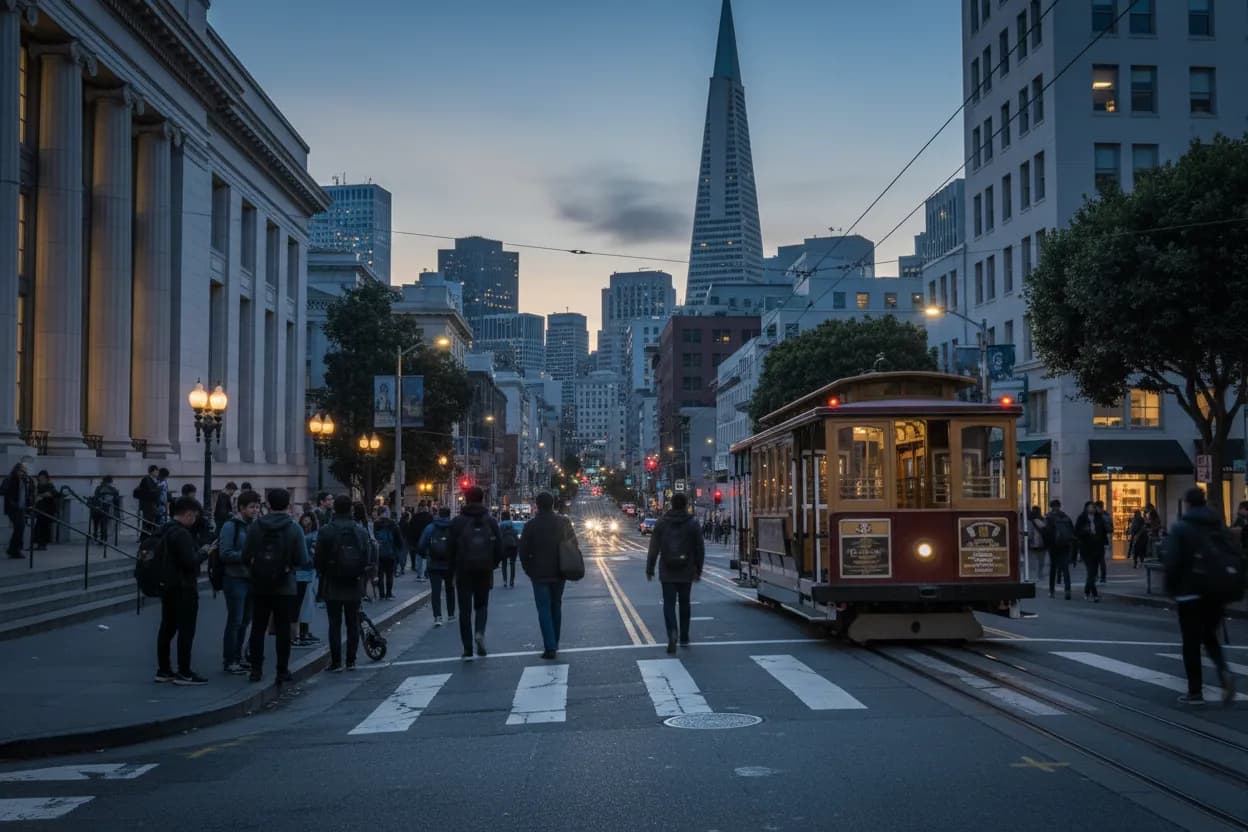
The phrase grok bot is a useful reminder that a search can feel fast without being finished. For San Francisco students, parents, tutors, and anyone rebuilding a school-year routine, the better move is to turn that curiosity into a verified local plan. Today is Wednesday, August 12, 2026, and public details can shift: library events fill up, transit alerts clear, and city pages get updated. This guide uses only public city sources as the working map: San Francisco Public Library for research and study access, SFMTA for getting around, and SF.gov for city services and contacts. The goal is not hype or a promised special appearance. It is a checkable afternoon plan with timing, transit review, access checks, crowd risk, and a backup choice.
Want a tighter plan before you leave home? Text Karpo with your neighborhood, student age, mobility needs, and deadline, and ask for a verified San Francisco study route with a backup stop.

Turn curiosity into a research question
Start by making the search smaller. Instead of asking whether grok bot can “help with school,” write one question that can be checked against public sources: “Where can I research a class topic today in San Francisco?” or “Which public resource can help with homework, databases, or a library card?” That shift matters because it moves the task away from rumor and toward an action you can complete.
For a back-to-school day, use a three-part test: what do you need to learn, where can you verify it, and how will you get there? If the answer involves library research, put SFPL first. If the answer involves transportation, check SFMTA before committing. If it involves a city service, department, job, permit, housing, government information, or contacting the City, use SF.gov rather than a repost.
Start with a reliable public resource
San Francisco Public Library is the strongest first stop for a research-heavy school task because its official site points readers to Books & Media, Research & Learn, Events & Exhibits, and Support & Services. SFPL also lists Articles/Databases, eLearning, Research Tools, Homework Help, Job Resources, Accessibility Services, and a way to get a library card. Those are public-facing services, not private shortcuts.
If you are aiming for the Main Library, the official SFPL listing gives the address as 100 Larkin Street, San Francisco, CA 94102, with telephone contact 415-557-4400. The Main Library hours shown in the extract are Wednesday 9 a.m. to 8 p.m.; because hours can change, verify the location page before leaving. SFPL also lists many branches, including Anza, Bayview, Chinatown, Excelsior, Mission, Mission Bay, Noe Valley, Richmond, Sunset, West Portal, Western Addition, and others, which makes a neighborhood backup realistic.
Compare primary reporting before opinions
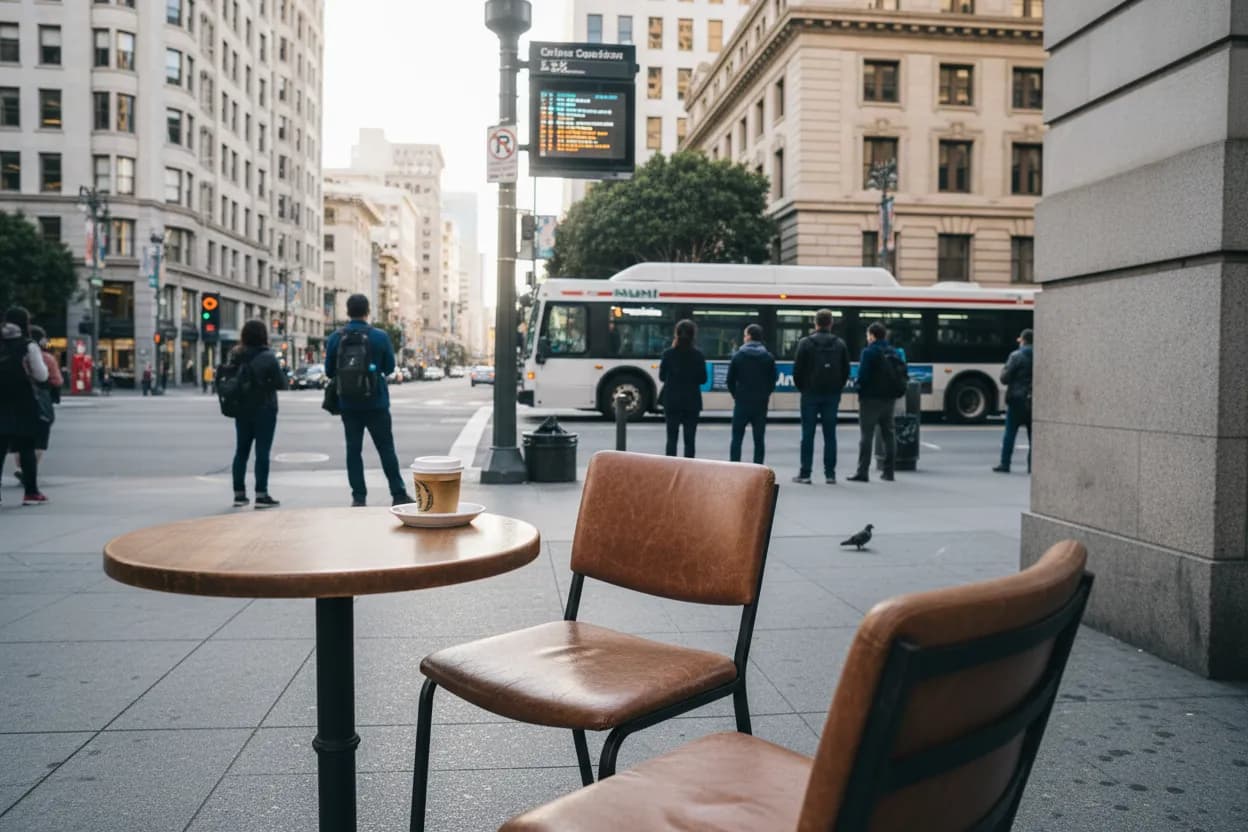
A skeptical local routine uses at least two official checks. First, confirm the destination and purpose on SFPL. Second, check how the city or transit system describes current conditions. SFMTA’s site includes a trip planner, Muni routes and stops, travel maps and guides, accessibility information, travel and transit updates, and alerts. On the page extract, SFMTA also highlights back-to-school travel tips and notes that Muni service changes start Aug. 29, so school-year riders should recheck routing close to the travel date.
SF.gov is the right primary source when the question is broader than study space. Its services are organized around jobs, marriage and partnerships, visiting City Hall, city staff information, meetings or events, permitting, business, housing, and government. It also points people to contact the City, report a problem, contact 311, and accessibility information. Use those pages before relying on neighborhood threads, especially when a deadline or official requirement is involved.
Choose a study stop that fits the task
For a focused research block, the Main Library is the default because it combines central location, official research categories, public events, and listed support services. A practical weekday plan is to arrive after confirming hours, identify the needed resource first, and only then choose a seat. If you need databases, eLearning, genealogy, finance planning, language learning tools, or digital media, start from SFPL’s Research & Learn and eResources areas rather than wandering the building.
Crowd risk depends on time, school calendars, events, and neighborhood patterns, so do not assume a quiet room will be available. The official SFPL page for August 12 lists multiple Main Library events, including Dialogue: Open Discussion, Services: Local Genealogy and Family History Organizations, and genealogy presentations. Events can be useful, but they also mean shared space may be busier. If you need silence, identify a branch backup from the SFPL location list before you travel.
Add one low-cost reset nearby
A good back-to-school city plan includes a reset that does not depend on a ticketed attraction or a guaranteed event. For the Main Library area, the reset can simply be a walkable pause near Civic Center before returning to the task, followed by a second check of the library page if you plan to re-enter later. Keep it modest: water, a snack you already brought, a short walk, or a phone call to confirm the next step.
If your reset depends on transit, treat it like part of the assignment. SFMTA’s homepage offers ways to plan by Muni, bike, walk, drive, and park, and it provides Muni routes and stops plus travel and transit updates. Check alerts close to departure. The extract shows an alert that a delay at 18th & Church had cleared and inbound 33 service was resuming regular service; that is exactly the kind of detail that can change after you plan.
Verify hours and access before leaving
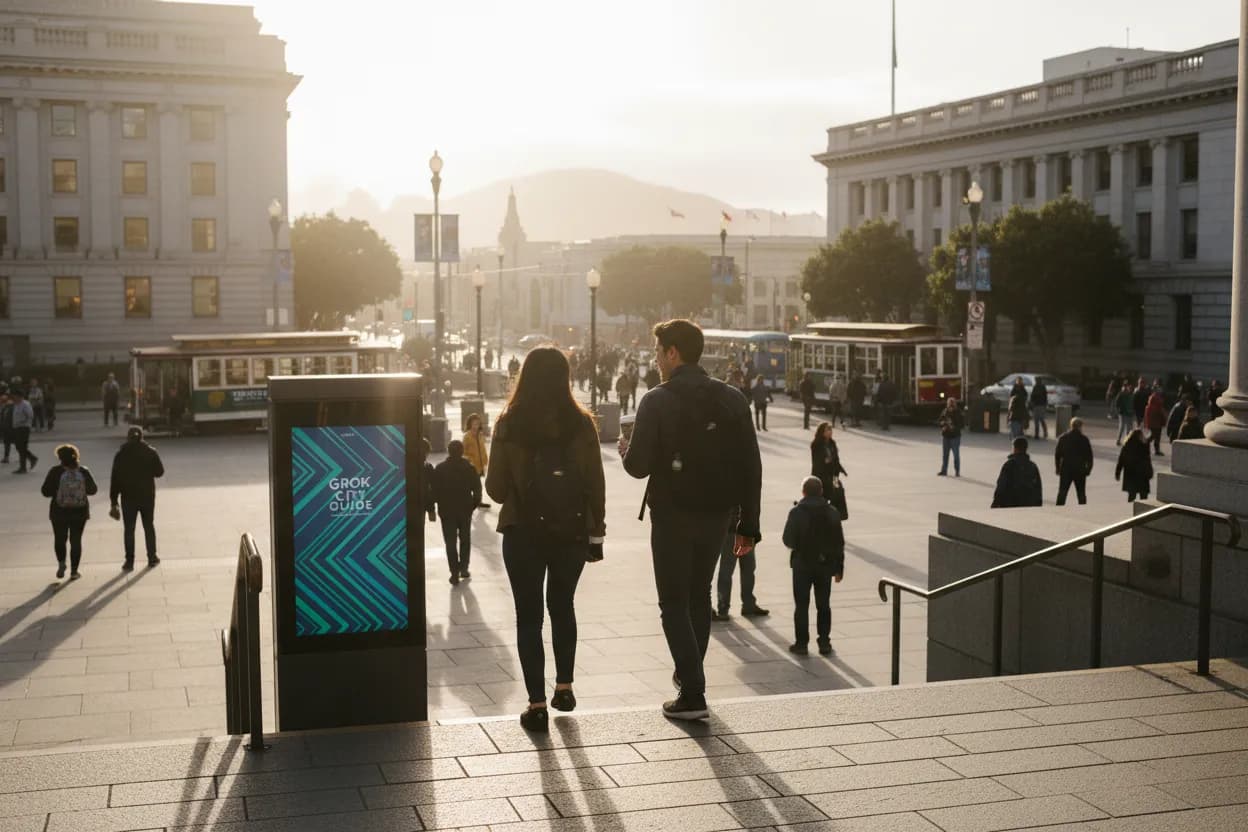
Before leaving, run a five-minute access check. Confirm the SFPL location hours, branch page, event details, and whether the service you need is online, in person, or tied to a library card. SFPL says declining cookies will not prevent use of its website, though some preferences may not be retained, so you should still be able to reach the public information even if you do not accept optional cookies.
Then confirm transportation. Use SFMTA’s trip planner or route pages for current routing, and review travel updates if you are crossing town. SFMTA also lists 311 contact information, including outside San Francisco 415-701-2311 and TTY 415-701-2323, plus free language assistance. For city service questions outside library or transit, start at SF.gov and use its Contact the City, Report a problem, Contact 311, or Accessibility links.
Your backup choice should be decided before the first delay. If the Main Library is too busy, pick an SFPL branch from the official locations list and reroute only after checking its page. If Muni conditions look unstable, postpone the optional reset and finish the essential research first. The point is not to make the day perfect; it is to keep one verified next move available.
Tags: #grokbot #SanFrancisco #BackToSchool #SFPL #SFMTA #SFgov #HomeworkHelp #LibraryCard #Muni #CityServices #StudyPlan #TransitCheck #AskKarpo #BeforeYouGo
Sources consulted: sfpl.org · sfmta.com · sf.gov
All trademarks are the property of their respective owners.
Ask Karpo first
Ask Karpo first when the plan has moving parts: a library stop, a Muni ride, a school deadline, and a backup branch. Send the neighborhood, time window, access needs, and task, then compare the answer against SFPL, SFMTA, and SF.gov before you go.


