 Where to Eat Near Penn Station That Isn't a Chain
US Open 2026
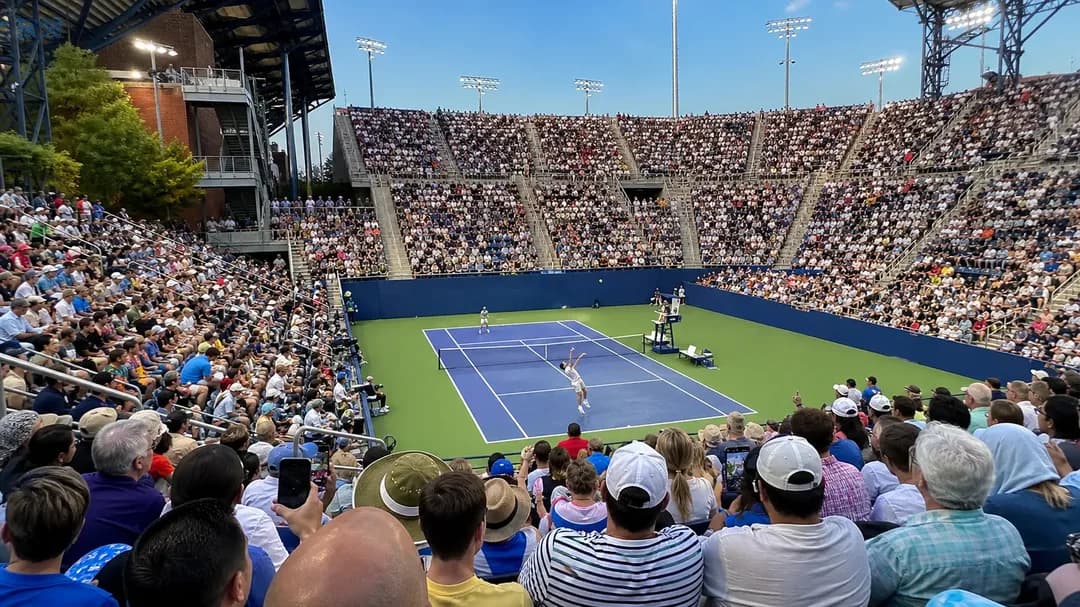
Grandstand at the US Open: Best Seats and Sessions
Grandstand can be one of the US Open’s smartest courts when your ticket type, session timing, comfort needs, and expectations all line up.
Grandstand rewards fans who plan with nuance rather than simply chase the biggest name on the schedule. It offers a stadium setting that can feel more direct than the tournament’s largest show courts, which makes it appealing for visitors who want strong views of professional tennis while still keeping the option to move around the grounds. The catch is that access, seating choices, shade, and match timing are not fixed for every visitor. They depend on the ticket product, the session, the day’s order of play, court availability, and crowd behavior. The practical goal is not to find a guaranteed perfect seat. It is to understand how Grandstand fits into a day at the USTA Billie Jean King National Tennis Center, then build a flexible plan around the official ticket types, grounds map, and event schedule.
Text Karpo Now: Tell us what matters most for Grandstand at the US Open Best, and Karpo can turn current US Open updates into a practical plan before you go.
Ticket Access Basics
US Open ticket access varies by product and session, so Grandstand planning should begin with the official ticket types rather than assumptions from a past visit. Some tickets are tied to specific stadium sessions, while other products may emphasize grounds access and first-come opportunities where that access is permitted. The exact rights attached to your ticket are what matter. Before buying or planning your day, read the product description for the date and session you are considering, then compare it with the event schedule and grounds map.
The key distinction is whether your ticket gives you a reserved place for a particular stadium session, broader grounds access, or a combination of access rights. A reserved stadium seat reduces uncertainty for that assigned location. Grounds-style access can be excellent for roaming, but it requires flexibility because seating on popular courts can be limited by capacity and demand. Grandstand often sits in the middle of fan plans because it can feel like both a destination court and part of a larger grounds strategy.
- Check the official ticket type first, not a resale shorthand or a memory from another year.
- Match the ticket to the exact session you want, because access can differ by product.
- Use the grounds map before arrival so you understand Grandstand’s location relative to entrances, food, restrooms, and other courts.
- Treat any seat or access expectation as subject to the stated ticket rules and real-time capacity.
Stadium Scale And Sightlines
Grandstand’s appeal is scale. It is large enough to feel like a major US Open stage, but not so large that the tennis becomes distant for many spectators. That balance can be especially good for fans who care about reading spin, footwork, net positioning, and body language. From many perspectives, you can follow patterns that are harder to appreciate in a huge stadium, such as how a returner shades toward one side or how a doubles team protects the middle of the court.
The best seat is not the same for every fan. Behind the baseline is useful if you want to see point construction, depth, and rally geometry. A sideline angle can make speed, court coverage, and passing-shot lanes feel more dramatic. Higher rows may offer a cleaner tactical overview, while lower rows can make the athleticism feel immediate. This is guidance, not a guarantee: the practical quality of a view also depends on your exact seat, railings, nearby movement, sun angle, and the crowd around you.
If you are trying to maximize one day on the grounds, Grandstand can be a smart compromise between spectacle and efficiency. You may be able to watch high-level singles or doubles there, then move to other courts without feeling locked into the biggest arena all afternoon. However, popularity can change quickly once the schedule is released. A court that looks like a casual stop can become a high-demand destination if a compelling matchup is assigned there.
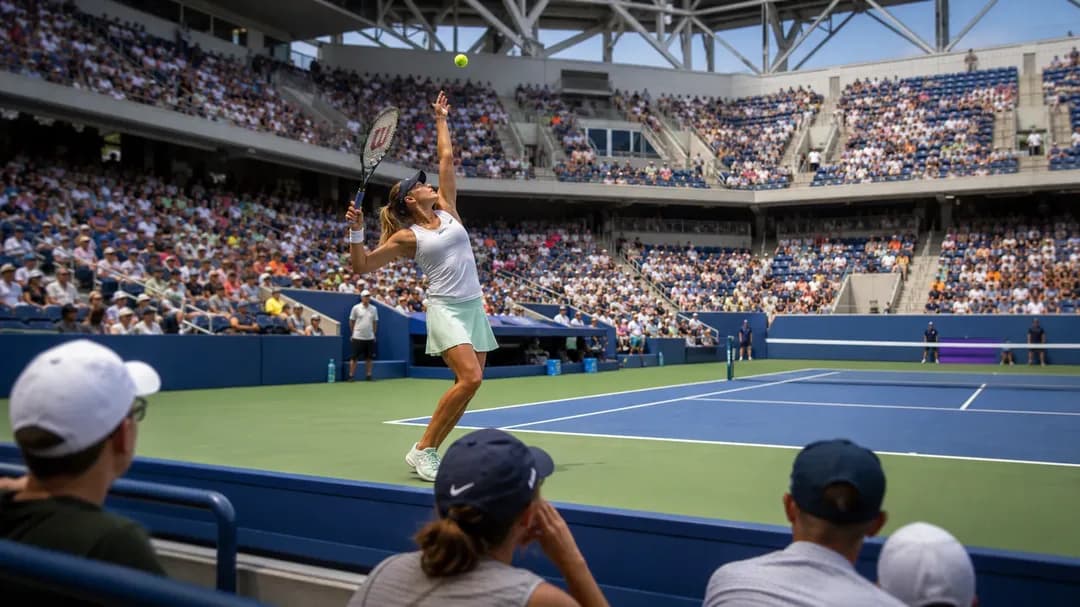
Session Timing Strategy
The official event schedule is the planning anchor, but tennis timing always carries uncertainty. Matches can be short, long, delayed, or reshuffled. A ticket tells you what session you have access to; it does not promise that a specific player will appear on Grandstand unless the official order of play assigns that match, and even then normal tournament changes can apply. Build your day around windows rather than fixed promises.
Day sessions tend to reward fans who arrive with a court plan and enough stamina to adjust. If Grandstand has an early match you want, being on the grounds with time to navigate can matter. If your priority is a later match, keep a backup because earlier matches can stretch. Evening planning is different. The atmosphere may feel lively and cooler, but your available time may be narrower, and access still depends on the session language attached to your ticket.
- Pick one primary Grandstand target and one nearby backup court before you enter the grounds.
- Recheck the official schedule close to your visit because court assignments and match order drive the day.
- Avoid planning tight dinner, transit, or theater commitments around a specific finish time.
- If you leave a good seat, understand that returning to the same location may not be possible.
A useful tactic is to think in match blocks. The first block is your opening target, when energy is high and navigation is easiest. The second is your flexibility period, when you decide whether to stay for a developing match or move elsewhere. The third is your comfort decision, when food, shade, weather, and fatigue become real. Grandstand is excellent when it fits the block you are in, but it should not force you to ignore the rest of the grounds.
Comfort And Expectations
Comfort planning at Grandstand is mostly about variables. Shade can change by time of day and seat location. Availability can change with the match on court. Crowd flow can change when a popular match ends elsewhere or when rain, heat, or a long match alters fan behavior. The official grounds map helps you understand where services are, but it cannot tell you exactly how crowded a walkway or concession area will feel at a particular moment.
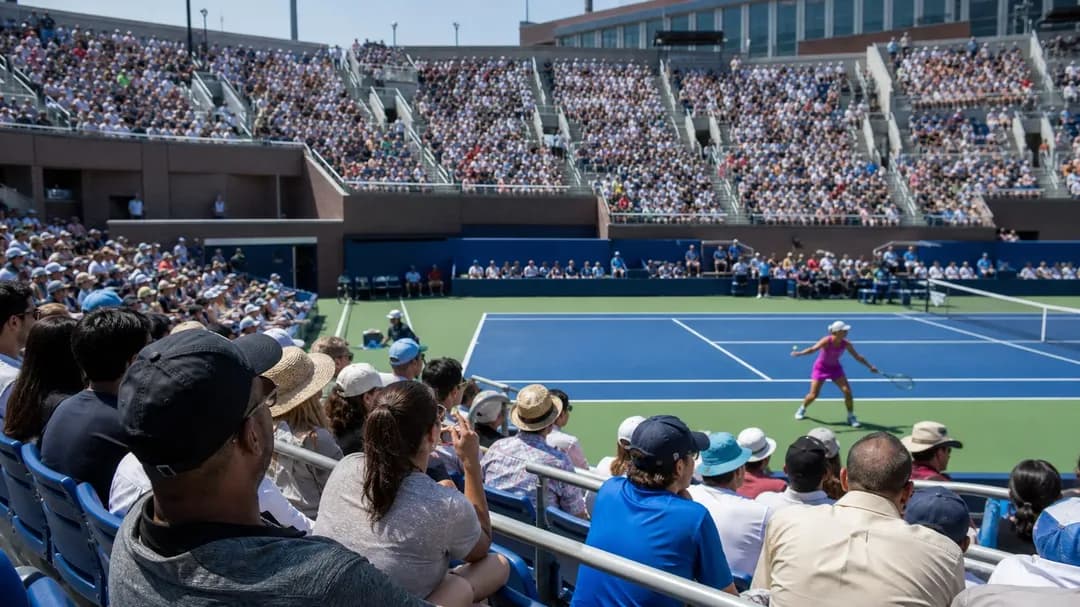
For summer tennis in New York, assume you will need breaks. Even fans who love long baseline rallies can underestimate how draining a full grounds day can be. Pack and dress according to current venue rules, wear comfortable shoes, and think about sun protection before you are already uncomfortable. If you are traveling with children, older relatives, or first-time tennis fans, a slightly less perfect view with easier exits may beat a theoretically better seat that makes every break difficult.
Expectation management also improves the experience. Grandstand is not a private shortcut to a particular star, and it is not automatically the best court for every session. Its value is that it can combine atmosphere, proximity, and tactical visibility when the schedule and your ticket line up. If the matchup is not your first choice, use the court to watch the sport itself: return positions, doubles formations, momentum swings, and how players respond under pressure.
Practical Notes
Before your visit, open the official ticket types page, grounds map, and event schedule together. Confirm what your ticket permits for that date and session, then mark Grandstand, nearby courts, restrooms, food areas, and exits on the map. On arrival, check the day’s posted schedule and choose whether Grandstand is your first stop or a later target. Bring patience for security, walking, crowds, and match-length uncertainty. If shade or aisle access matters to you, make that part of your seating decision rather than an afterthought. Keep a backup plan that you would genuinely enjoy. The best Grandstand day is usually flexible: arrive informed, move deliberately, and let the tennis develop.
Tags: #USOpen2026 #Tennis #GrandSlam #NewYorkTennis #ArthurAsheStadium #FlushingMeadows #USOpenGuide #TennisFans #SportsTravel #HardCourt #NewYork #KarpoFinds
Sources consulted: usopen.org — Official reference · usopen.org — Official reference · usopen.org — Official reference
All trademarks are the property of their respective owners.
Ask Karpo first
Want to know what is confirmed, when to show up, and how to make grandstand at the us open best work for your day? Ask Karpo for current US Open updates, a respectful fan plan, and a live route around Flushing Meadows.
Ask Karpo for more information.
Keep reading
- Where to Eat Near Penn Station That Isn't a Chain
 Andytown Coffee in the Outer Sunset: The Snowy Plover Explained
- Best Things to Do in Chicago: What the City Gives Away