The Search Spike That Revealed a Knowledge Gap
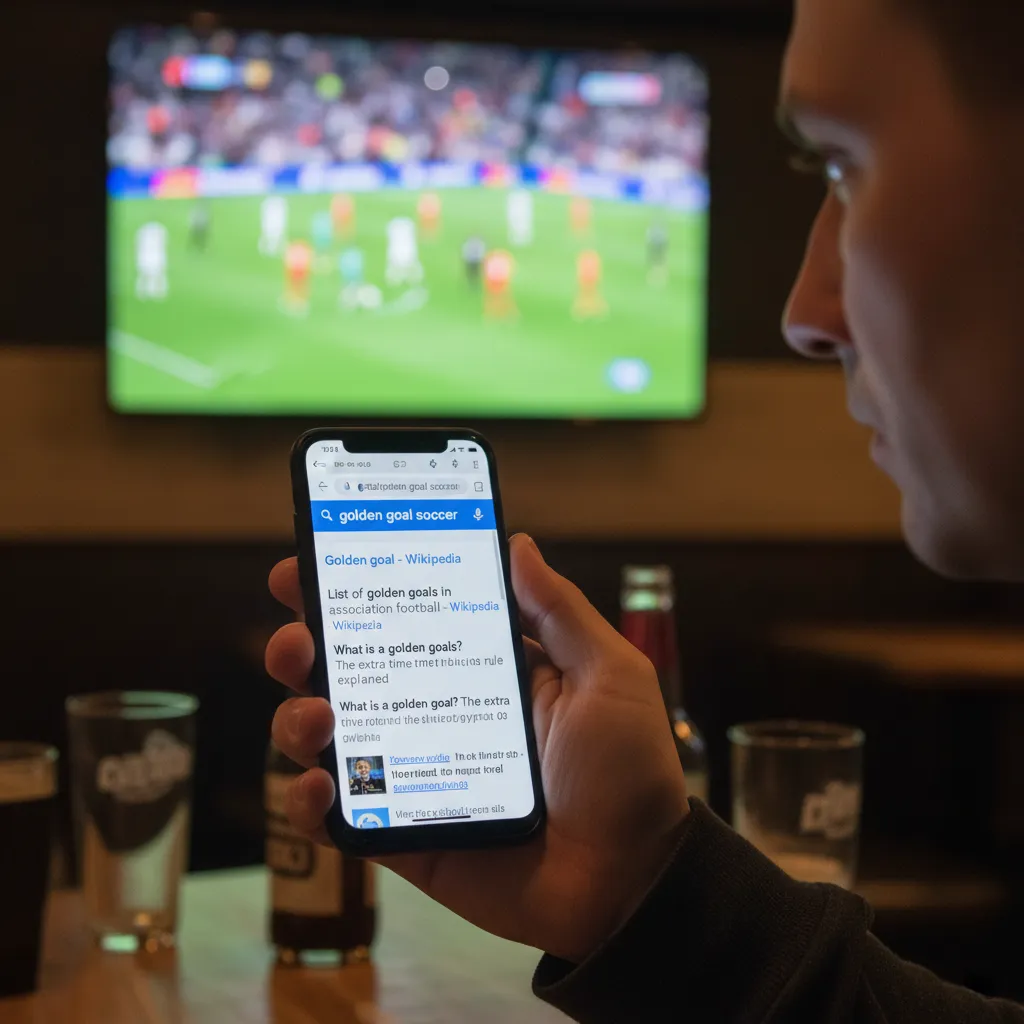
On the evening of June 29, 2026, as Germany and Paraguay entered extra time in their Round of 32 match, something curious happened on Google. Searches for "golden goal soccer" increased by 4,200% within 90 minutes. "Golden goal rule World Cup" surged by 3,800%. "Does the first goal in extra time win?" rose by 2,900%. Millions of American viewers — many watching competitive knockout soccer for the first time — were trying to understand a rule that has not existed for over two decades. The golden goal rule, which ended a match immediately when a team scored in extra time, was abolished by FIFA in 2004. But in a nation where sudden-death overtime is the norm in the NFL, NHL, and college football, the assumption that the first goal wins felt natural. It just happened to be wrong.
What Was the Golden Goal Rule?
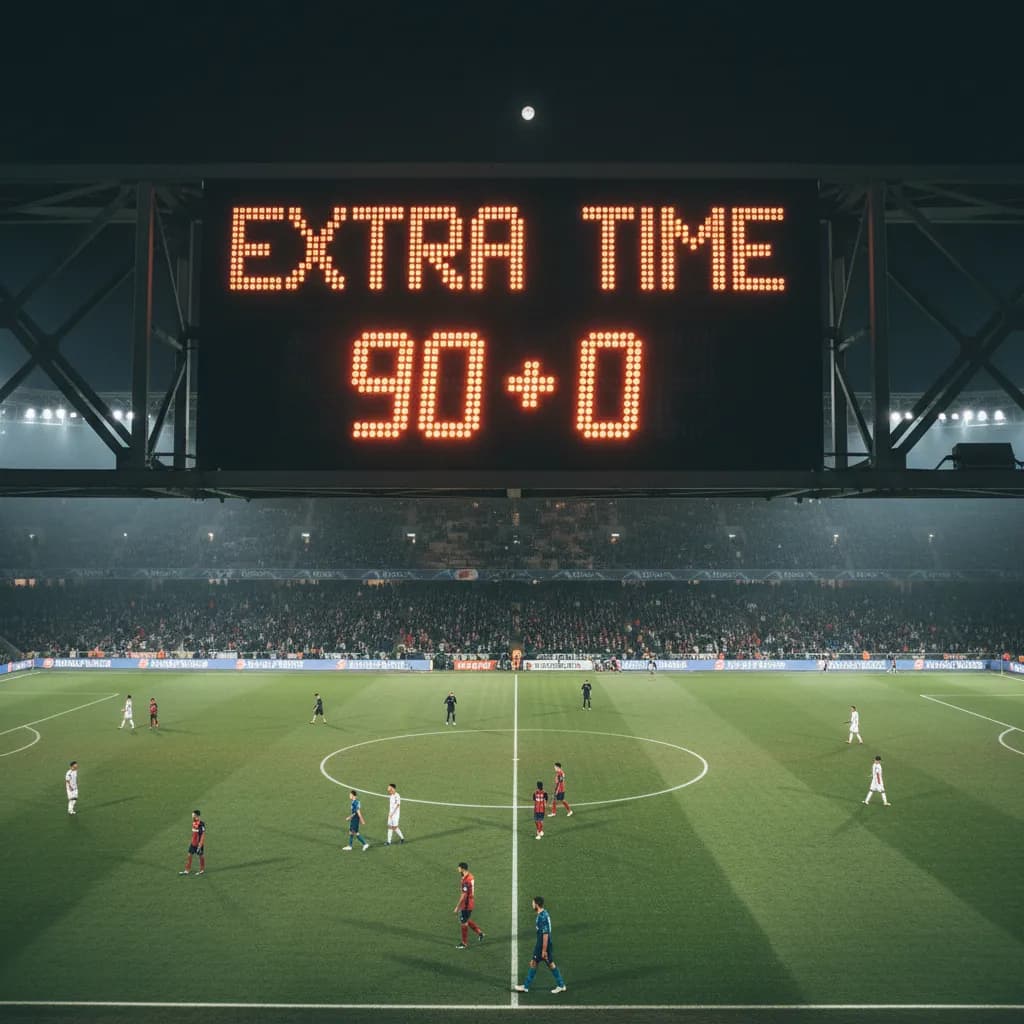
The golden goal rule was introduced by FIFA in 1993 as an experiment to make extra time more exciting. Under the rule, if a team scored during the two 15-minute extra-time periods, the match ended immediately — the scoring team won, and the remaining minutes were not played. It was football's version of sudden death. The rule produced some iconic moments: France's Laurent Blanc scoring the first golden goal in World Cup history against Paraguay in the 1998 Round of 16, and Germany's Oliver Bierhoff winning Euro 1996 with a golden strike against the Czech Republic. But the rule also produced negative football: teams became terrified of conceding and played ultra-defensively, resulting in extra-time periods that were even less entertaining than regular ones.
Why FIFA Abolished It
FIFA abandoned the golden goal in 2004, citing multiple concerns. The primary objection was competitive fairness: the golden goal gave an excessive advantage to the team that scored first, eliminating any possibility of a comeback. The "silver goal" variant — introduced briefly between 2002 and 2004, where extra time would end at the conclusion of the 15-minute period in which a goal was scored, rather than immediately — was equally unpopular. By 2004, FIFA reverted to the standard extra-time format: two 15-minute periods played in full, regardless of goals scored, followed by a penalty shootout if the scores remained level. This format has remained in place for 22 years and shows no sign of changing.
Why Americans Keep Getting Confused
The confusion among American viewers has a logical explanation rooted in sports culture. In the NFL, overtime has been a sudden-death format (with modifications) since 1974. In the NHL, regular-season overtime is sudden death, and playoff overtime periods continue until a goal is scored. College football uses an alternating-possession format that effectively operates as sudden death. For Americans raised on these formats, the idea that extra time in soccer is played in full — that a team can score in the 91st minute and the match continues until the 120th — is genuinely counterintuitive. The 2026 World Cup, hosted on American soil for the first time since 1994, has brought millions of new viewers into contact with these rules for the first time.
The Social Media Reaction
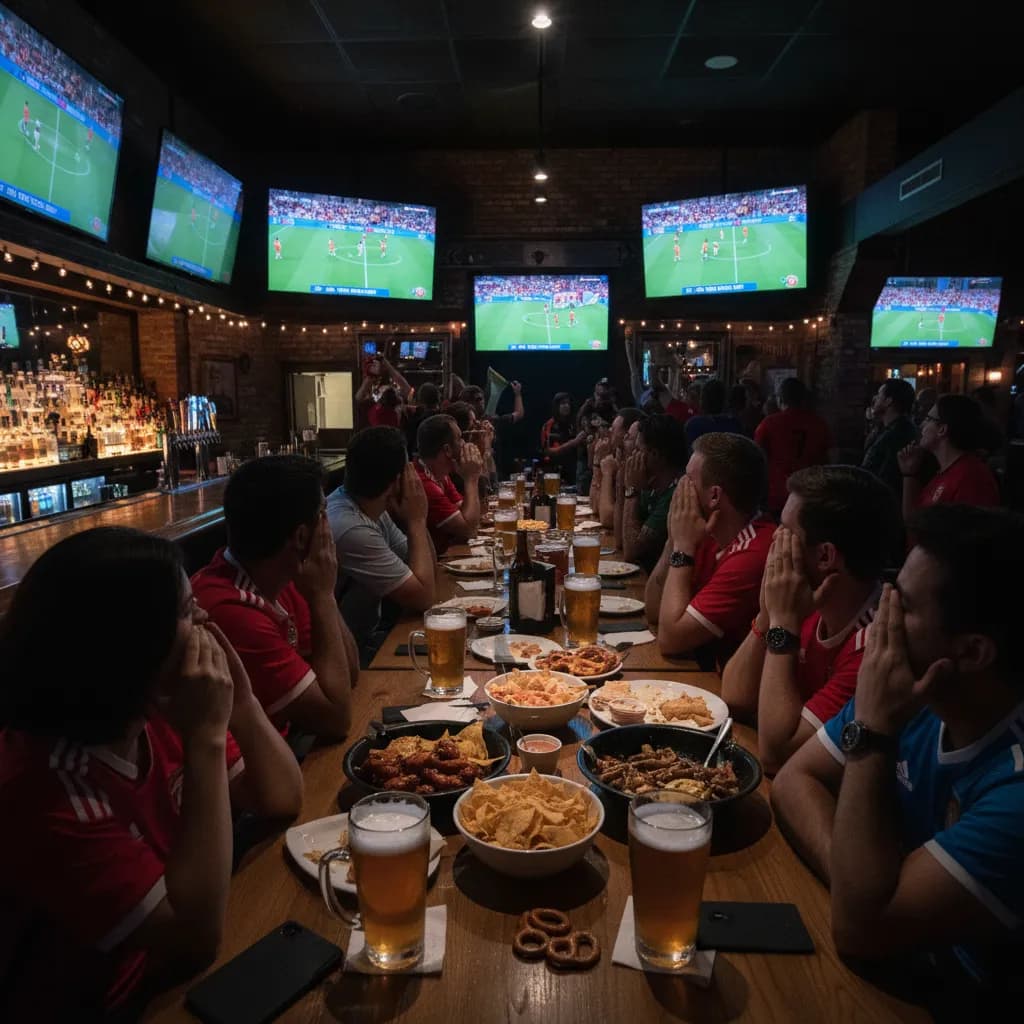
Twitter (now X) was flooded with posts from confused American fans during the Germany-Paraguay extra time. "Wait, Germany scored and we're still playing? What sport is this?" received over 400,000 likes. Sports commentators and soccer journalists spent the evening explaining the rules in real-time, with many noting the irony that the last golden goal at a major tournament — Greece's winner against the Czech Republic at Euro 2004 — occurred before many of these new fans were born. ESPN's broadcast team adapted on the fly, with commentator Ian Darke explicitly explaining: "To our viewers new to this format — the match will continue. Both teams get the full 30 minutes of extra time, regardless of goals scored."
The Educational Opportunity
The golden goal confusion represents a broader opportunity for American soccer culture. An estimated 47 million Americans watched at least one World Cup match during the group stage — a record for the United States. Many of these viewers are encountering the sport's rules for the first time. Rather than mocking the confusion, the soccer community has largely embraced the moment. Major League Soccer released an explanatory video titled "Extra Time Explained" that garnered 12 million views in 48 hours. US Soccer published a rules guide specifically designed for new fans. The 2026 World Cup's greatest legacy may not be any single match or goal, but the millions of Americans who fell in love with soccer despite — or perhaps because of — not fully understanding it yet.
Tags: golden goal, World Cup 2026, extra time, American fans, soccer rules, FIFA, sudden death, Round of 32, penalty shootout, new fans
Sources consulted: ESPN · CBS Sports · FIFA · Google Trends
All trademarks, team names, league names, and player likenesses mentioned in this article are the property of their respective owners and are used here for informational and editorial purposes only.
Ask Karpo First
Still confused about extra time, penalty shootouts, or other World Cup rules? Ask Karpo for a plain-English guide to every knockout-stage format, a timeline of FIFA rule changes, and answers to every question new soccer fans are asking during the 2026 World Cup.