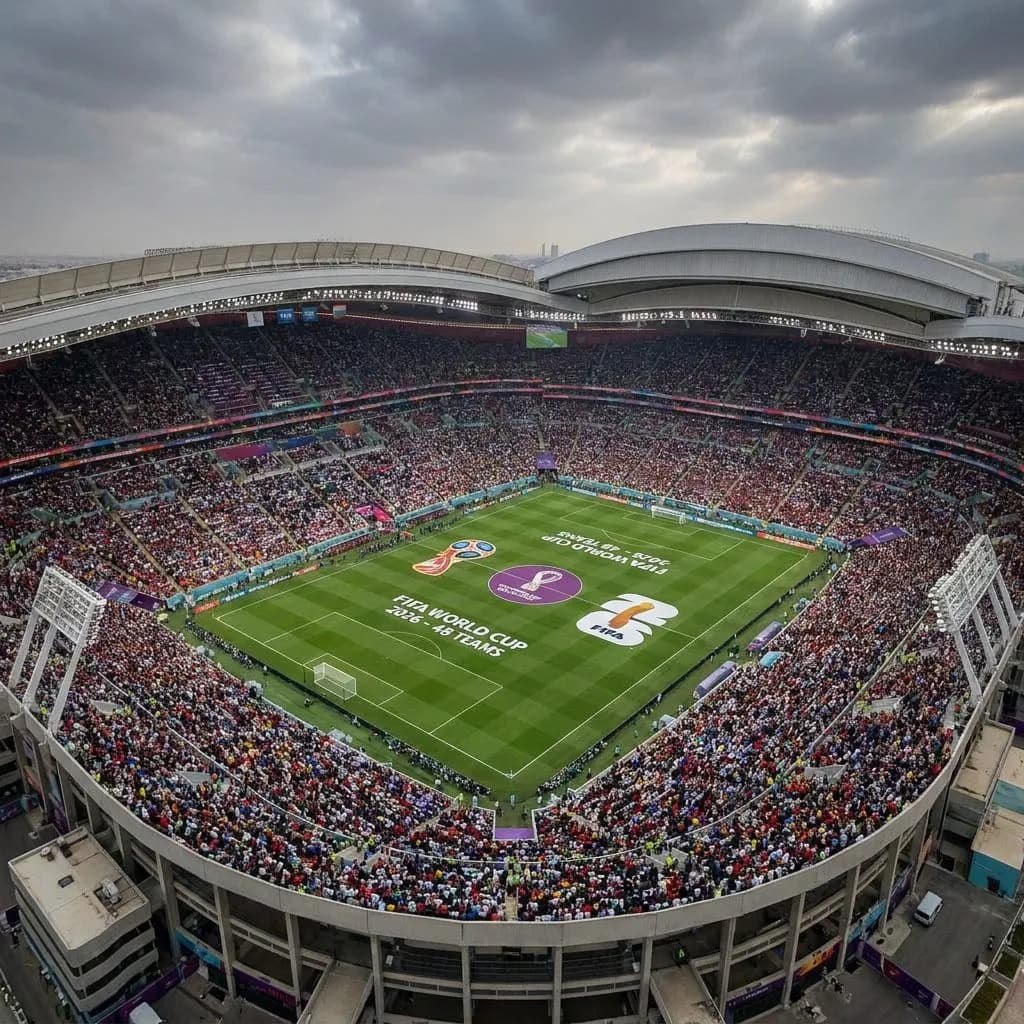
The roar of the crowd is a primal symphony. For decades, the FIFA World Cup has been the pulsating heart of global sport. As the countdown to 2026 intensifies, a new chapter is being written, one defined by unprecedented scale and a bold vision. From the glittering metropolises of North America, the stage is set for a tournament unlike any before, a grand experiment in inclusivity and footballing democracy sparked by a decision that reshaped the beautiful game's most cherished competition.
The 48-Team Decision: Origins and Controversy
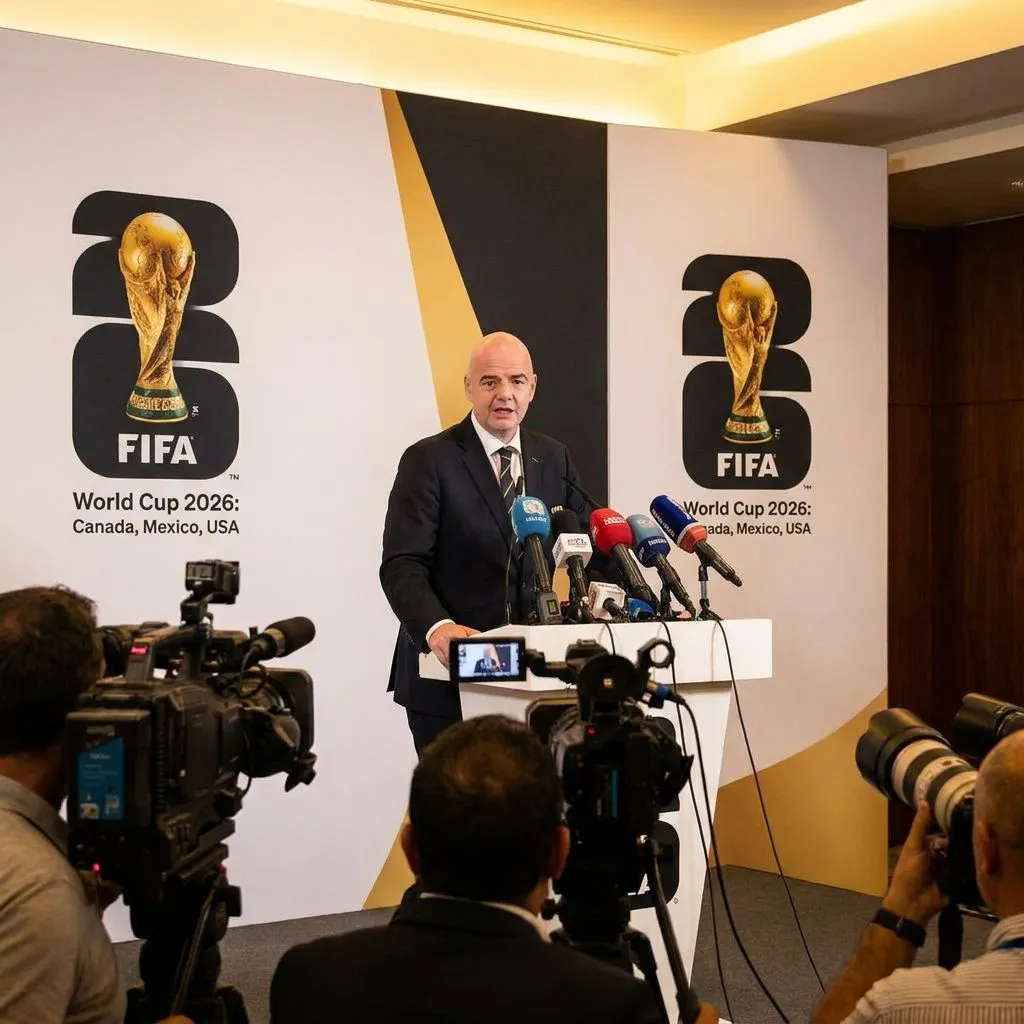
The seeds of the expanded World Cup were sown long before the final whistle blew in Qatar. It was a cornerstone of Gianni Infantino’s campaign for the FIFA presidency, a promise to make the World Cup more accessible, more global. The concept, officially approved in January 2017, was framed as a strategic move to democratize football, offering more nations the chance to participate. Infantino championed the idea, arguing it would stimulate football development worldwide.
However, the decision wasn't without its detractors. Critics voiced concerns about a potential dilution of quality and logistical nightmares: increased travel, more venues, longer tournament durations. For clubs, the prospect of players being absent for extended periods added apprehension. Yet, the allure of increased revenue proved a powerful counter-argument for FIFA. A significant insider detail revealed a key motivator for Infantino was a sense of historical obligation; this was seen as a chance to finally deliver on a long-held ambition.
How Expansion Changed Qualification
The ripple effect of the 48-team decision was felt most acutely during the qualification cycles. Previously stringent pathways eased considerably. Africa saw its allocation surge from five to nine automatic spots. Asia gained four additional slots, moving to eight. CONCACAF saw its allocation more than double.
This dramatic shift transformed the qualification landscape. Nations that routinely fell at the final hurdle suddenly found themselves in contention. The pressure on traditional powerhouses was arguably lessened. For smaller footballing nations, this was nothing short of a revolution, meaning governmental support and increased investment in youth academies. Insider reports confirm a spike in local sponsorship deals tied directly to the increased qualification prospects.
New Faces: Debutant Nations at the 2026 World Cup
The most thrilling consequence of expansion is the vibrant infusion of new blood into the World Cup. The 2026 tournament is set to feature a record number of debutant nations. Teams from regions less represented in previous tournaments have seized their opportunity.
Consider the excitement building around nations like Equatorial Guinea, who secured their spot through a hard-fought African qualification campaign. Similarly, the long-awaited arrival of Uzbekistan from Asia adds another compelling narrative. From CONCACAF, nations such as Haiti have defied expectations to qualify for the first time. These debutants are not merely making up the numbers; they bring unique playing styles, passionate fan bases, and a genuine underdog spirit. Their presence is a direct testament to Gianni Infantino's vision of a more inclusive global football stage.
The 12-Group Format and Third-Place Rule
With 48 teams, the traditional group stage structure needed a significant overhaul. FIFA opted for a 12-group format, each comprising four teams. This departs from the initial proposal of 16 groups of three, which proved unpopular. In the new 12-group format, the top two teams from each group will advance directly to the knockout rounds. Crucially, the 2026 World Cup will also reintroduce a "best third-place teams" rule, where the eight best third-placed sides will also qualify for the Round of 32.
This format ensures that results right up to the final group game remain critical, but it also creates a unique tactical challenge. Teams will need to balance the pursuit of victory with strategic calculations concerning goal difference. The journey from the group stage to the final now involves a full 104 matches, a substantial increase from the 64 of the 32-team era, prolonging the tournament from the traditional 32 days to approximately 39 days. This expanded schedule undeniably tests the physical limits of players and the logistical capabilities of host nations.
Early Verdict: Has Expansion Improved the Tournament
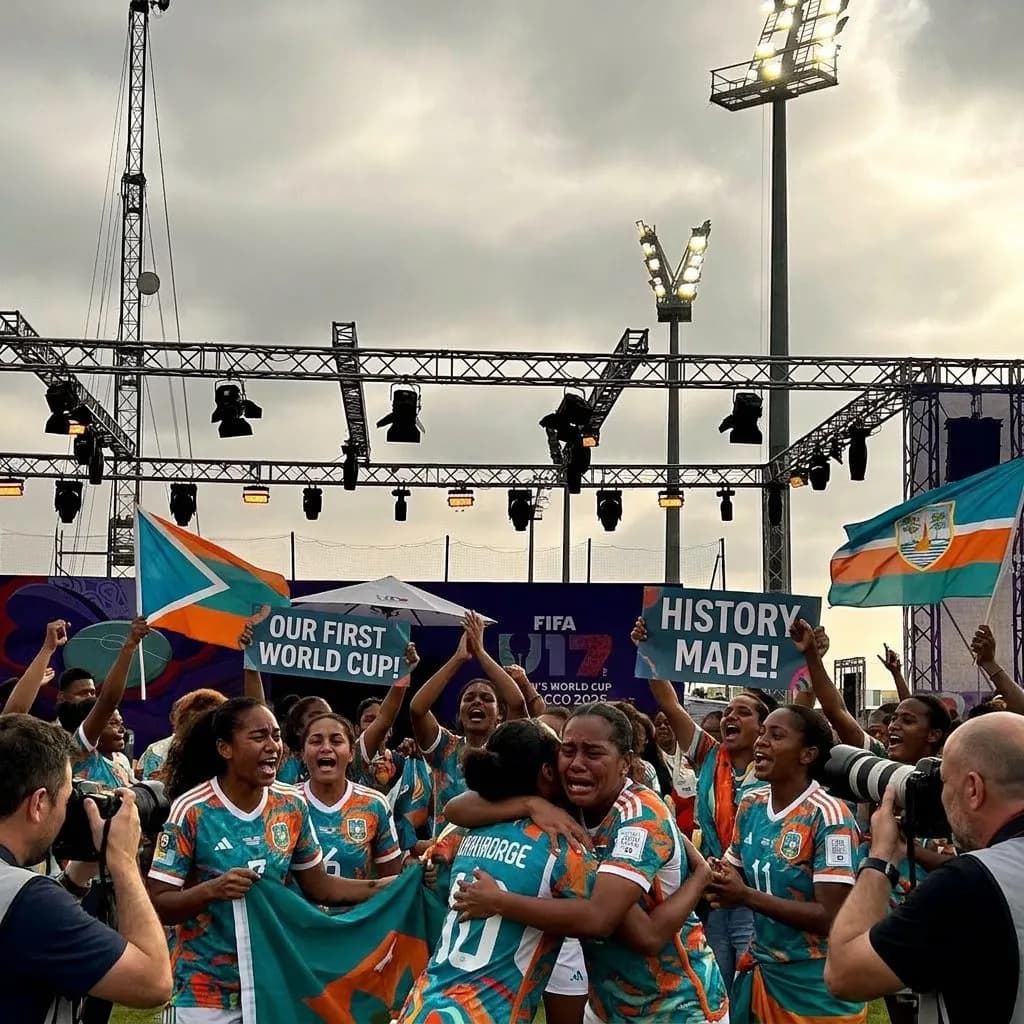
It's premature to deliver a definitive verdict, but the early signs point to a mixed bag. On the positive side, the expanded tournament has demonstrably broadened football's global footprint, fulfilling a core promise from Gianni Infantino. New narratives are emerging, and the sheer joy witnessed in nations celebrating their first-ever World Cup berth is immeasurable. The additional matches also mean more opportunities for fan engagement and further economic stimulation.
However, concerns persist. The increased number of games naturally places a greater strain on player welfare. Some purists lament the extended tournament duration and the potential for a Round of 32 that might feature some less competitive matchups. An insider revealed early challenges in securing additional top-tier training facilities in each host city, prompting innovative solutions. The true test will come as the groups unfold and the stakes rise.
Practical Notes
Attending the 2026 World Cup as a fan will require careful planning, given the unprecedented scale and geographical spread across the United States, Canada, and Mexico. Transport logistics will be paramount. Accommodation will be at a premium, so early booking is advisable. Visa requirements will vary. Expect a carnival atmosphere, but also anticipate larger crowds and longer queues. It's an opportunity to witness history, but one that demands an equally historic level of preparation.
Tags: #WorldCup2026 #FIFAWorldCup #FootballExpansion #GianniInfantino #FIFA #Soccer #NorthAmerica2026 #DebutNations #48TeamWorldCup #FootballHistory #SportsTravel #WorldCupFormat #GlobalFootball #TournamentUpdates #FutureOfFootball
Sources consulted: fifa.com · metlifestadium.com
All trademarks are the property of their respective owners.
Ask Karpo First
Want to understand how the 48-team format works, which debutant nations have surprised everyone, or how the expanded bracket affects the path to the final? Ask Karpo for format explainers, debutant team stories, and a comparison of the old 32-team vs new 48-team World Cup structure.