 Where to Eat Near Penn Station That Isn't a Chain
US Open 2026
George Lombard Jr Sports Card Grading Queens US Open
How collectors along the 7 train corridor plan authentication visits, card-show timing, and tournament-week routines around Flushing Meadows.
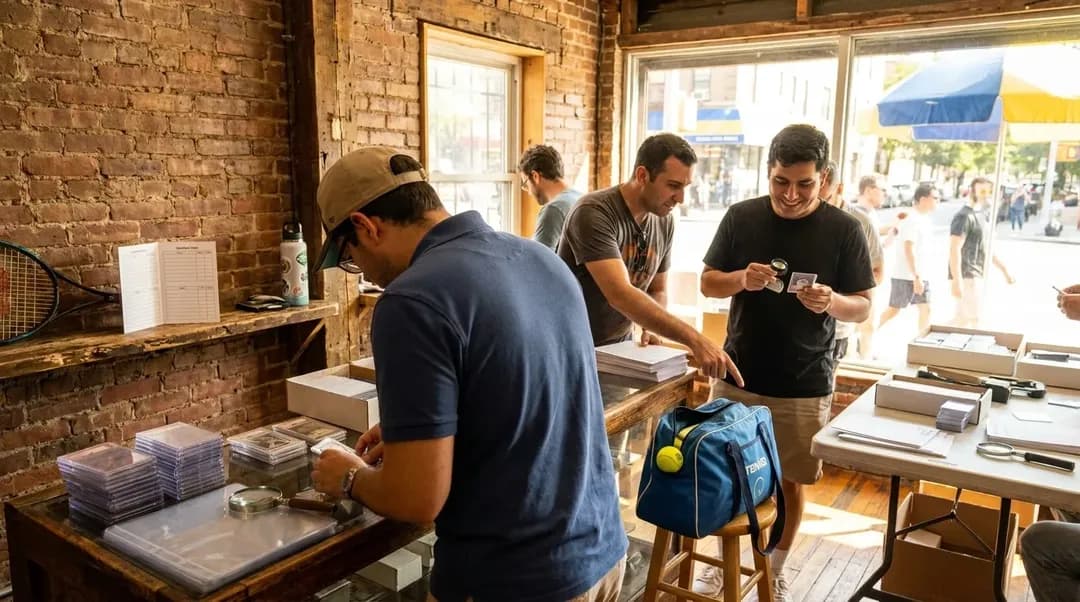
When George Lombard Jr. trends in sports-card circles—whether tied to a rookie-year milestone, a grading-population report, or a vintage-set chase—collectors across Queens often revisit their own authentication plans, PSA submission timing, and the practical question of how to fold a card-shop visit or show appointment into a tournament-week schedule. The 2026 US Open runs late August into early September, a stretch when Flushing Meadows draws global crowds, the 7 train fills early, and anyone carrying a submission binder or a stack of toploaders needs to think through timing, secure transport, and whether to tackle errands before or after a session at the Billie Jean King National Tennis Center. This guide walks through how collectors in New York—especially those near the 7 train corridor—can plan authentication prep, card-show visits, and tournament-day logistics without inventing shop names, promiseing hours, or assuming every service runs on the same summer calendar.
Text Karpo with your US Open session time and Queens starting point, and we’ll turn this Authentication and PSA submission prep shops near Flushing for baseball card collectors during tournament week into a practical local plan.
Why tournament week matters for card-collector routines
The US Open occupies Flushing Meadows Corona Park for roughly two weeks, typically late August through the second Sunday in September. According to the official event schedule at usopen.org, day sessions begin mid-morning and evening sessions run into the night, meaning the 7 train, the Long Island Rail Road, and local bus lines see sustained ridership from before noon until well past ten. For collectors who live or work along the 7 corridor—Flushing, Main Street, Woodside, Jackson Heights, or Long Island City—tournament week compresses the window for errands that require focus, a clean workspace, or a quiet conversation with a shop owner about grading tiers, turnaround times, or whether a particular card merits the cost of authentication. Many collectors prefer to handle submissions, pick-ups, or show visits on a weekday morning before the tournament crowd arrives, or on a rest day between rounds, rather than navigating packed trains with a binder full of vintage cardboard.
Understanding PSA submission prep and authentication basics
Professional Sports Authenticator—PSA—is one of several third-party grading services that examine trading cards for authenticity, condition, and centering, then seal them in tamper-evident holders with a numeric grade. Collectors submit cards either directly through PSA's online portal or through authorized dealers and local shops that batch submissions, handle paperwork, and sometimes offer pre-grading opinions. Submission prep involves choosing the right service level—economy, regular, express—based on declared value and desired turnaround, filling out a submission form with card details, securing each card in a cardsaver or toploader, and packing the lot for safe transit. Shops that facilitate submissions typically charge a per-card fee on top of PSA's published rates, and they may require appointments, minimum quantities, or advance notice during busy seasons. The New York City Department of Consumer and Worker Protection at nyc.gov/site/dca provides general guidance on service contracts and consumer rights, though it does not regulate grading opinions or turnaround estimates.
Timing shop visits around tournament-day logistics
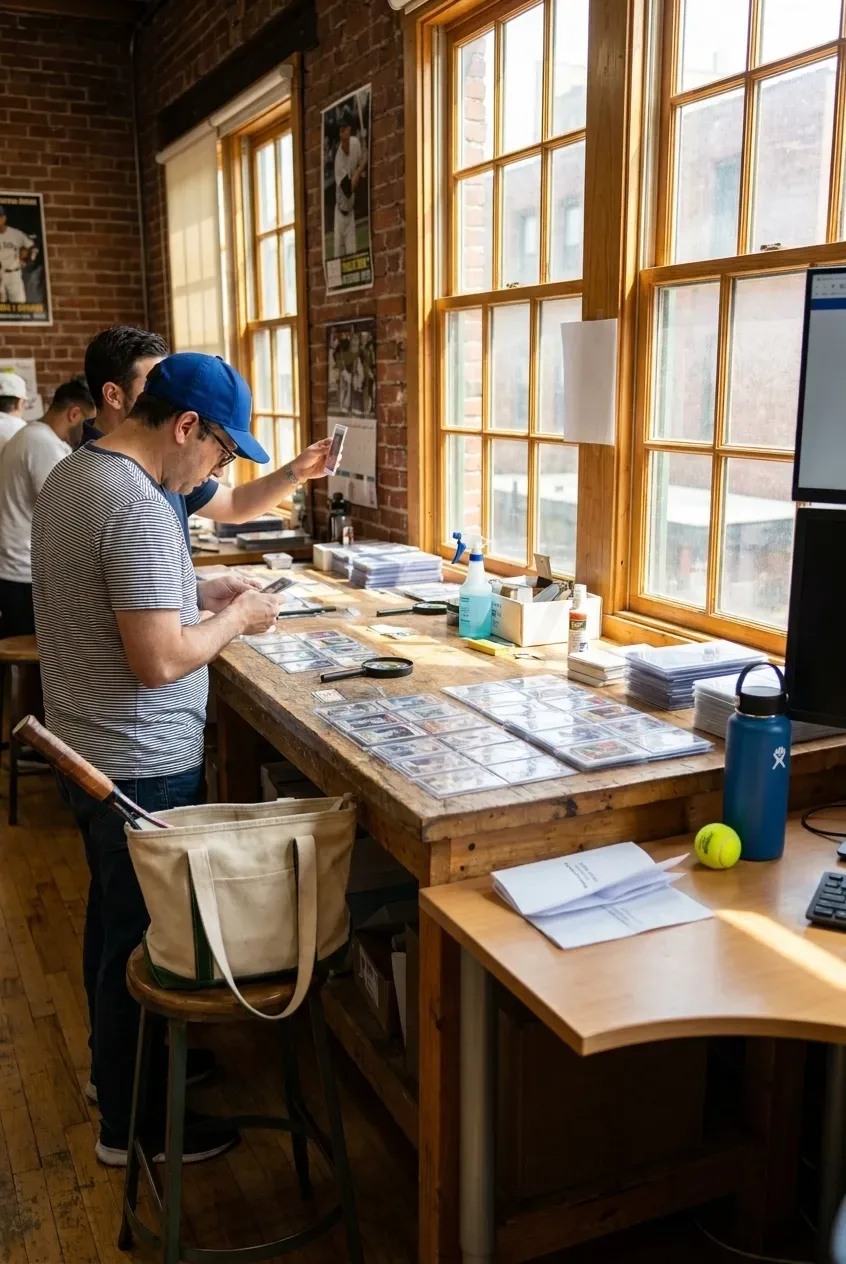
If you hold tickets for an afternoon or evening US Open session and also want to drop off a submission or attend a card show in Flushing or Corona, the official transportation guide at new.mta.info/guides/stadiums/us-open recommends arriving at least an hour before your session start to clear security and reach your seat. That means a morning shop visit works best on a day-session ticket, while a late-morning or early-afternoon errand suits an evening session. Many collectors along the 7 line plan a Flushing Main Street stop first—perhaps for breakfast at a bakery, a quick browse at a hobby shop, or a submission drop—then ride one stop west to Mets–Willets Point and walk into the park. The reverse sequence—tournament first, errands after—can work for day sessions that end by mid-afternoon, but evening sessions often finish near eleven, leaving little time for anything beyond a late meal in Flushing or a direct ride home.
What to carry and what to leave home
The official prohibited-items guide at usopen.org/en_US/visit/prohibited_items.html bans backpacks larger than 12 by 12 by 16 inches, hard-sided coolers, and any bag that cannot be quickly inspected. Collectors carrying a small binder, a padded envelope of toploaders, or a rigid mailer for a shop drop-off should confirm that the package fits within a compliant tote or messenger bag, and that it can pass through security screening without damage. If you plan to attend both a card show and a tournament session on the same day, consider whether you can complete the submission or purchase before heading to the park, store the items in a locker at your hotel or apartment, or arrange a same-day pick-up after the match. The official A-Z guide at usopen.org/en_US/visit/a_z.html notes that re-entry is not permitted, so once you enter the grounds, you stay until you leave for the day.
Card shows, pop-up events, and community meetups during tournament week
Late summer in New York often sees regional card shows scheduled in hotel ballrooms, community centers, or convention spaces in Queens, Brooklyn, and Long Island. Some promoters time events to coincide with the US Open, hoping to draw collectors already in town for tennis; others avoid tournament week entirely to dodge hotel-rate spikes and transit congestion. Because show dates, vendor lists, and table fees change year to year, collectors should check event calendars on hobby forums, social-media groups, and regional promoter websites closer to August 2026. The Queens Public Library at queenslibrary.org occasionally hosts hobby meetups, author talks, or local-history exhibits that touch on sports memorabilia, and branches in Flushing, Jackson Heights, and Long Island City offer free Wi-Fi, quiet tables, and air conditioning—useful if you need to research population reports, comp sales, or grading standards between errands.
Protecting cards in summer heat and transit crowds
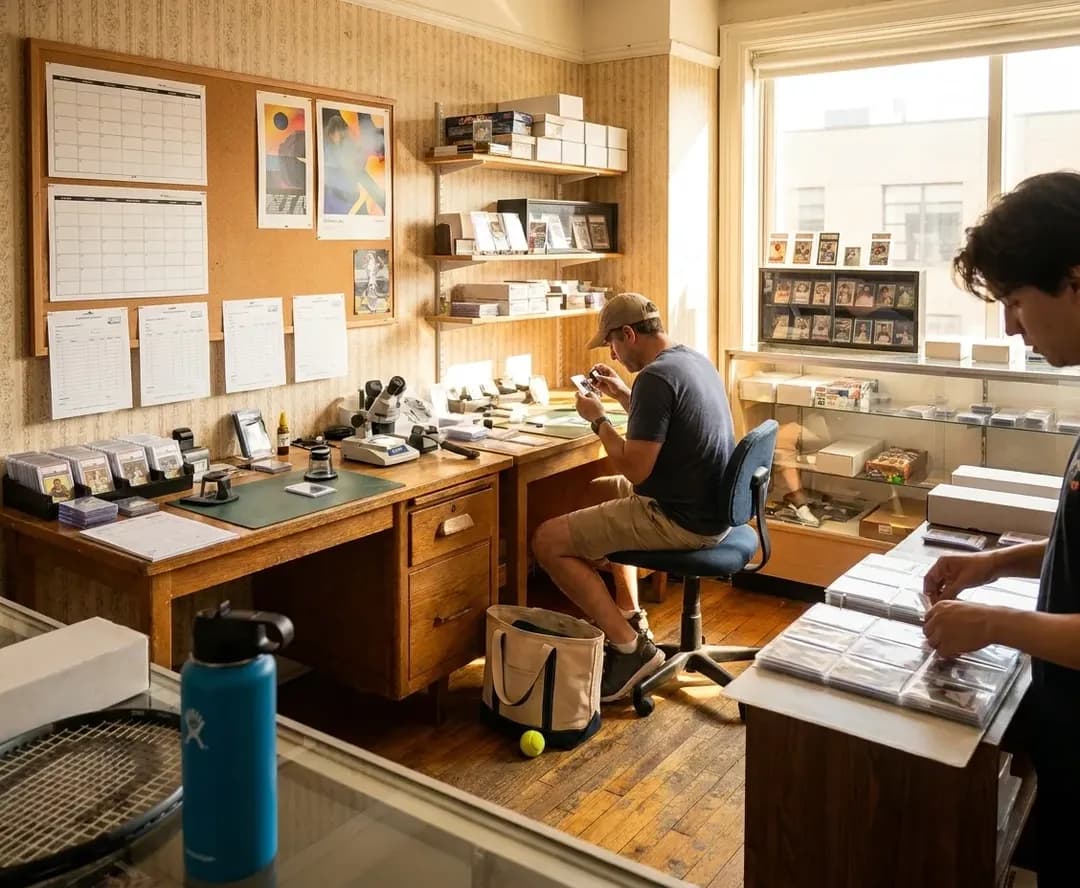
Late August and early September in Queens can bring high humidity, afternoon thunderstorms, and subway cars without reliable air conditioning. Collectors transporting raw cards or recent purchases should use rigid toploaders, team bags, or padded mailers inside a water-resistant outer layer, and avoid leaving binders or boxes in direct sunlight—whether on a park bench, a café table, or the back seat of a rideshare. On crowded 7 trains during tournament hours, a crossbody bag or a messenger worn in front keeps submissions secure and visible. If you plan to spend several hours at the US Open before or after a shop visit, consider whether the cards can wait at home, be stored in a hotel safe, or be handed off to a traveling companion who is not attending the match.
Practical notes for collectors planning tournament-week errands
- Check shop hours and appointment policies directly by phone or website in the weeks before your visit; many small dealers adjust schedules around holidays, conventions, or summer vacations.
- Confirm PSA service-level pricing and turnaround estimates on the official PSA website, since tiers and fees change periodically and dealer markups vary.
- Use the MTA's live subway map and service-status alerts at new.mta.info to plan 7 train timing, especially during weekend track work or late-evening service gaps.
- Review the US Open's official bag policy and security guidelines at usopen.org before packing cards, toploaders, or rigid mailers for a same-day tournament visit.
- Bring a portable phone charger, since you may need maps, show-floor layouts, population-report lookups, or real-time transit updates throughout the day.
- Ask shop staff whether they offer receipt documentation, submission tracking, or insurance options for higher-value cards, and keep digital copies of all forms.
- Plan meal and rest stops in Flushing, Corona, or Jackson Heights rather than inside the tennis center, where food lines lengthen during changeovers and between matches.
Connecting card culture and Queens tennis tradition
Flushing Meadows Corona Park has hosted the US Open since 1978, and the neighborhood's mix of global cuisines, transit access, and sports-fan energy makes it a natural gathering point for collectors who also love live competition. Citi Field sits just north of the tennis center, and on days when the Mets play at home, the 7 train and surrounding streets serve baseball fans, tennis crowds, and hobby enthusiasts all at once. Some collectors treat tournament week as an annual ritual—combining a day or evening session with a card-shop visit, a meal in Flushing's Chinatown or along Roosevelt Avenue, and a walk through the park's public art and fountains. Others prefer to separate the two pursuits entirely, saving authentication errands for a quieter weekday and reserving tournament days for uninterrupted tennis. Either approach works, as long as you account for crowd timing, bag restrictions, and the reality that a vintage Lombard rookie or a high-grade rookie card deserves the same care and attention you would give a courtside seat.
george lombard jr, us open queens, psa submission flushing, baseball card grading new york, 7 train collectors, flushing meadows card show, queens hobby shops, us open 2026 planning
Tags: #USOpen2026 #Queens #FlushingMeadows #KarpoFinds #Karpo #georgelombardjr #NewYorkLocal #TennisTravel #NYCLocalLife #TennisTravel
Sources consulted: usopen.org — Official event schedule · usopen.org — Official visitor A-Z guide · usopen.org — Official transportation directions · usopen.org — Official prohibited-items guide · MTA — Official US Open transit guide · NYC Parks — Flushing Meadows Corona Park · NYC Department of Consumer and Worker Protection · Queens Public Library
All trademarks are the property of their respective owners.
Ask Karpo first
Want to know what is actually open, how to time the trip, and where to pause around Queens? Ask Karpo for the latest public US Open context, a respectful visitor plan, and a live route around Flushing Meadows before you head out.
Ask Karpo for more information.
Keep reading
- Where to Eat Near Penn Station That Isn't a Chain
 Andytown Coffee in the Outer Sunset: The Snowy Plover Explained
- Best Things to Do in Chicago: What the City Gives Away