 Nisei Week Events: Little Tokyo's Enduring Japanese American Heritage Festival
Free Things to Do
gann fire: Public Spaces for a Free Los Angeles Reset
Use today’s gann fire curiosity as a reason to choose Los Angeles public places by access, transit checks, and flexible backup options.
The phrase gann fire may be moving through feeds, but the official extracts here do not establish a Los Angeles event, appearance, venue tie-in, broadcast, public program, or affiliation connected to it. Treat the phrase as a prompt to step away from the scroll and into a plan you can verify. The official Los Angeles tourism guide points visitors toward public-facing anchors: Museum Row, Downtown, Los Feliz, Chinatown, the Arts District, Century City, Griffith Park, LAX, and 75 miles of sunny coastline. Metro’s official site adds practical planning tools, including real-time arrivals, step-by-step directions, service alerts, named D Line Extension stations, and current fare-payment options. The stricter move is not to chase a rumor. It is to build a Los Angeles outing around places and routes named by official sources, then check access before you leave.
Want a cleaner plan before you leave? Text Karpo to check Metro alerts, real-time arrivals, public-space access notes, weather tradeoffs, and backup route options for this Los Angeles outing.
Turn current interest into a genuinely free outing
Start by separating the hook from the plan. gann fire can explain why you are suddenly paying attention, but it should not decide where you go. None of the official extracts identifies a Los Angeles appearance, performance, screening, meet-up, venue partnership, or guaranteed public event tied to that phrase. That absence matters. A free or low-cost day is easier to protect when it is built on named public geography instead of reposted assumptions.
Use the trend as a reason to choose a public-space route. Discover Los Angeles frames the city through neighborhoods and visitor anchors, including Downtown, Los Feliz, Chinatown, the Arts District, Century City, Griffith Park, LAX, Museum Row, and the coast. Those are stronger planning units than a vague online claim. Pick one area, then verify whether your intended stop is open, reachable, and still worthwhile if timing changes.
Be careful with the word free. The extracts support official tourism coverage, public-facing neighborhoods, beaches, museum guides, and Metro rider information, but they do not prove that every building, event, museum program, or attraction mentioned is free today. A guide can point you toward a district; admission rules, capacity limits, timed entry, and registration still need a current source from the venue or operator.
Start with public access rather than a promoted event
A reliable Los Angeles plan begins with spaces that do not depend on one promoted time slot. Discover Los Angeles describes LA as home to renowned museums, diverse experiences, vibrant multicultural neighborhoods, and 75 miles of sunny coastline. That gives you a practical rule: choose a district, coastline segment, or outdoor area first, then treat any event as optional unless you have verified its access terms.
For a central route, Museum Row and Mid-Wilshire have official support as planning anchors. Discover Los Angeles lists “Discover LA’s Museum Row & More Car Free,” and Metro says new stations at La Brea, Fairfax, and La Cienega connect the cultural energy of Mid-Wilshire with Koreatown and Downtown LA. That does not prove free museum entry or special programming. It does give you named stations and a cultural district to compare before you travel.
If you would rather keep the outing outdoors, Discover Los Angeles points readers to beaches with an “Endless Summer” range from Malibu to the South Bay. Do not read that as a promise of conditions, open facilities, parking availability, or lifeguard schedules. Read it as a geographic menu: choose one stretch of coast, confirm current access from the relevant source, and avoid turning a simple day into a cross-county chase.
Build a short route around one strong anchor
The strongest route is short enough to survive a change. In Los Angeles, that usually means one anchor, one nearby walk, and one backup. If you start in Mid-Wilshire, make the anchor the cultural district rather than a specific paid program. Metro’s La Brea, Fairfax, and La Cienega stations are precise access points named in the official extract, especially if you are comparing a trip from Koreatown or Downtown LA.
A second option is a Downtown-to-Chinatown plan. Discover Los Angeles names both neighborhoods in its visitor map, and pairing them keeps the geography tighter than trying to cover the entire city in one afternoon. You can treat Downtown as the arrival zone, then continue toward Chinatown if the timing and conditions still make sense. The extract supports the neighborhood names, not a guaranteed walking time, event, or free attraction.
For a slower reset, choose Griffith Park or Los Feliz as the anchor idea. The official tourism guide identifies both areas, so they are reasonable starting points for a public-facing plan. The provided parks extract, however, returned only “403 Forbidden,” so it does not support current park hours, trail status, facility access, parking rules, or closures. Verify those details separately before treating the park as the whole day.
Use weather and crowd pressure as decision points
Los Angeles rewards flexible timing, but the extracts do not provide a current forecast. Discover Los Angeles says Angelenos have some of the best weather and scenery in the U.S. in the context of a great outdoors itinerary. That is useful background, not a day-of weather report. On Thursday, August 6, 2026, build your route with options: shade, a shorter walk, a station change, or a neighborhood switch.
Crowd pressure is another variable the extracts cannot quantify. If gann fire is driving online curiosity, some people may head toward places implied by social posts even without an official local connection. Avoid making an unverified crowd the center of the day. If your first anchor looks impractical, use the backup rather than stretching the outing around a claim the official material does not confirm.
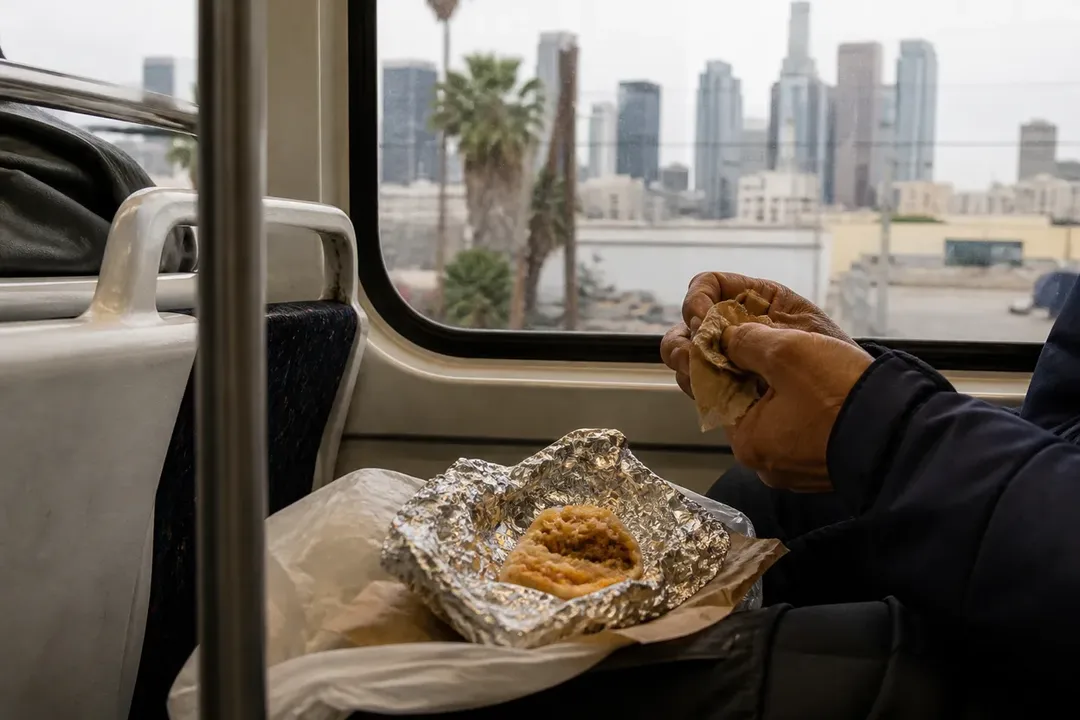
Metro’s official tools can help with route decisions. The LA Metro site says the official app provides real-time arrivals, step-by-step directions, and service alerts. For a low-cost outing, those details matter as much as the destination. A station change, alert, or longer wait can be enough reason to keep the route compact and move to a nearby alternative.
Know when free still requires registration
Free does not always mean walk-up, and the extracts do not give blanket admission rules. Discover Los Angeles lists upcoming events with dates and times, including entries on August 8, August 9, August 10, and later dates, but those listings should be treated as leads to verify. The extract does not state that the listed events are free, open to all, or available without tickets.
The same caution applies to museums and cultural districts. Discover Los Angeles points readers to a guide to summer events at LA museums and to Museum Row, but the extracts do not establish which specific museum experiences are free today. If your plan depends on entering a building, confirm admission terms, hours, ticketing, and reservation rules through the venue before you go.
A better structure is to keep the primary plan outside the gate. Walk a named district, use officially identified Metro access points, compare nearby neighborhoods, and let a verified free-entry opportunity become the upgrade. That keeps the outing honest: you are not promising yourself a program, price, or access rule that the official extracts do not support.
Recheck access on the day
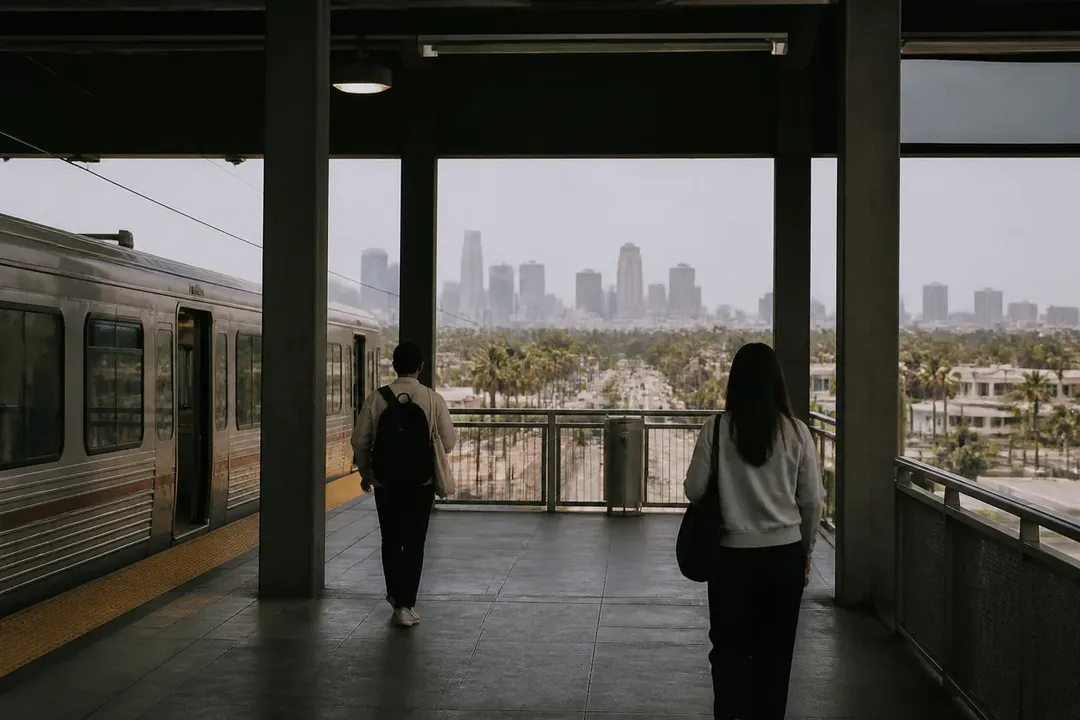
Before leaving, make three checks in order: destination access, Metro status, and backup distance. Destination access answers whether the anchor is open and whether entry is controlled. Metro status tells you whether your chosen station or bus connection still makes sense. Backup distance keeps the plan from expanding across too much of Los Angeles if the first stop fails.
For transit, Metro says riders can use the official LA Metro app for real-time arrivals, step-by-step directions, and service alerts. Metro also says riders can pay fare by tapping a credit or debit card, in plastic or digital form, on buses or at train stations. LA County residents can get 20 free rides every month through the LIFE program, but the extract also says to find out if you are eligible and sign up online, so do not assume automatic eligibility.
For the outing itself, stay precise. Mid-Wilshire works as a station-to-district plan using La Brea, Fairfax, or La Cienega as comparison points. Downtown and Chinatown work as a compact urban pair because both are named by Discover Los Angeles. The coast works best when you choose one segment from Malibu to the South Bay rather than trying to sample all 75 miles. Griffith Park and Los Feliz can be a useful anchor idea, but current access details require a separate official check.
Tags: #gannfire #LosAngeles #FreeThingsToDo #AskKarpo #BeforeYouGo #LAMetro #MuseumRow #DowntownLA #ChinatownLA #GriffithPark #LosFeliz #ArtsDistrictLA #LAOutdoors #PublicSpaces
Sources consulted: discoverlosangeles.com · metro.net · laparks.org
All trademarks are the property of their respective owners.
Ask Karpo first
Ask Karpo first if the plan hinges on timing. Karpo can help compare Metro alerts, real-time arrivals, station choices, access notes, weather pressure, and backup neighborhoods before you commit to a Los Angeles route inspired by gann fire but grounded in official public-space and transit information.
Ask Karpo for more information.
Keep reading
- Nisei Week Events: Little Tokyo's Enduring Japanese American Heritage Festival
 Hollywood Forever Cemetery Events: Dia de los Muertos, Cinespia in Hollywood
 Unforgettable Free Summer Events: Grand Performances, California Plaza, Downtown LA