Most visitors to the New York Botanical Garden in the Bronx make a beeline for the Victorian glasshouse, credit card in hand. They're missing the point—or at least, they're missing the free part. Every Wednesday, all year, the garden throws open its gates and waives the general admission fee to 250 acres of curated landscape, native ecosystems, and the kind of quiet that makes you forget you're twenty minutes from Midtown. The conservatory still costs extra, but the best parts of this place have always been outside anyway.
Why Wednesday works
Free admission Wednesday has been an NYBG fixture for years, part of a broader effort to make Bronx attractions accessible to the borough's own residents and anyone else smart enough to ride the Metro-North. The deal is straightforward: show up any Wednesday and walk in without paying the usual entry fee. You won't get into the Enid A. Haupt Conservatory—that Victorian palm-and-orchid palace requires a separate ticket—but the outdoor Rock Garden's alpine collection peaks in late May, and the native plant trails never charge a cent.
The rhythm of the day matters. Mornings bring retirees with expensive cameras and toddlers in wide-brimmed hats. School groups descend around midday, clustered around docents with clipboards. But the Wednesday crowd thins dramatically after 2:30 p.m. when school groups depart, and the garden takes on the unhurried quality it was designed for. Late afternoon in summer means honeyed light through the tulip-tree canopy and the scattered laughter of couples who've figured out that a free botanical garden in NYC beats another overpriced rooftop.
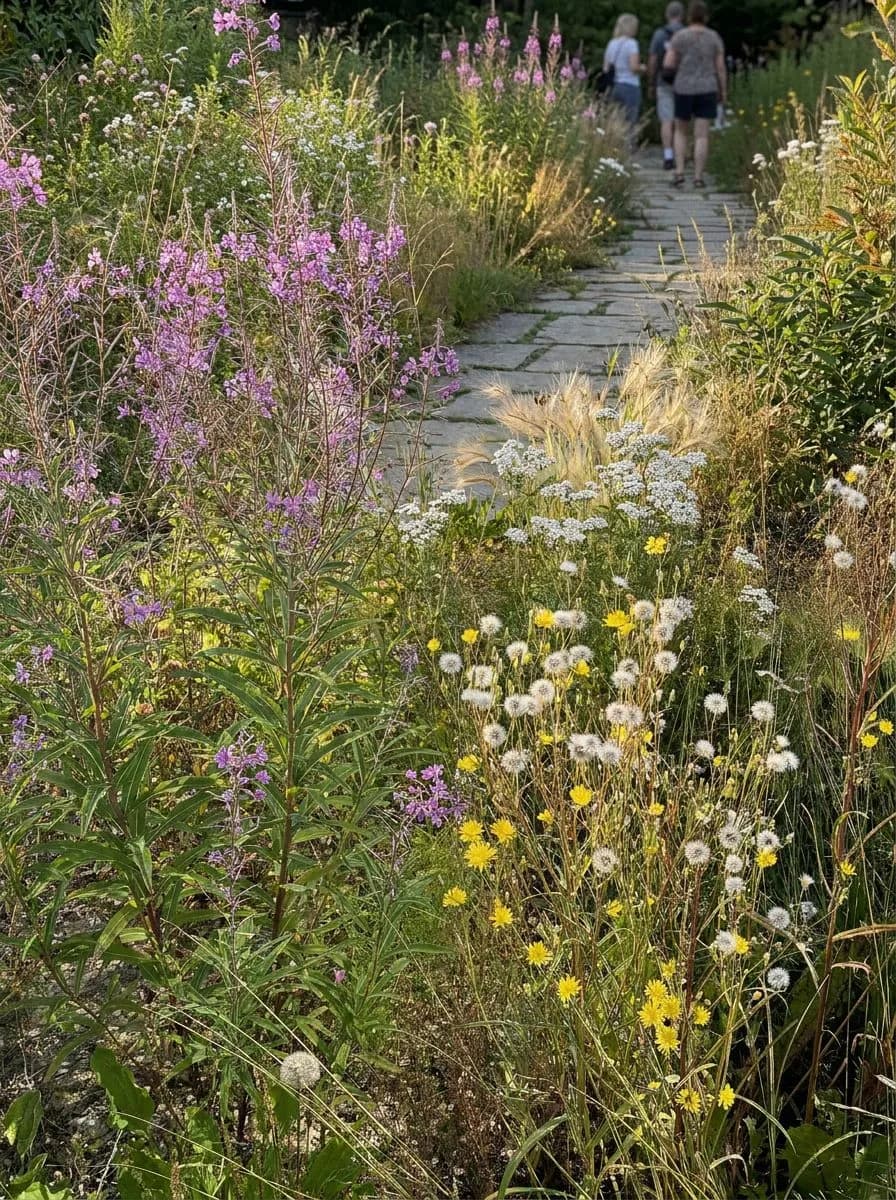
The Thain Family Forest: old growth, improbably
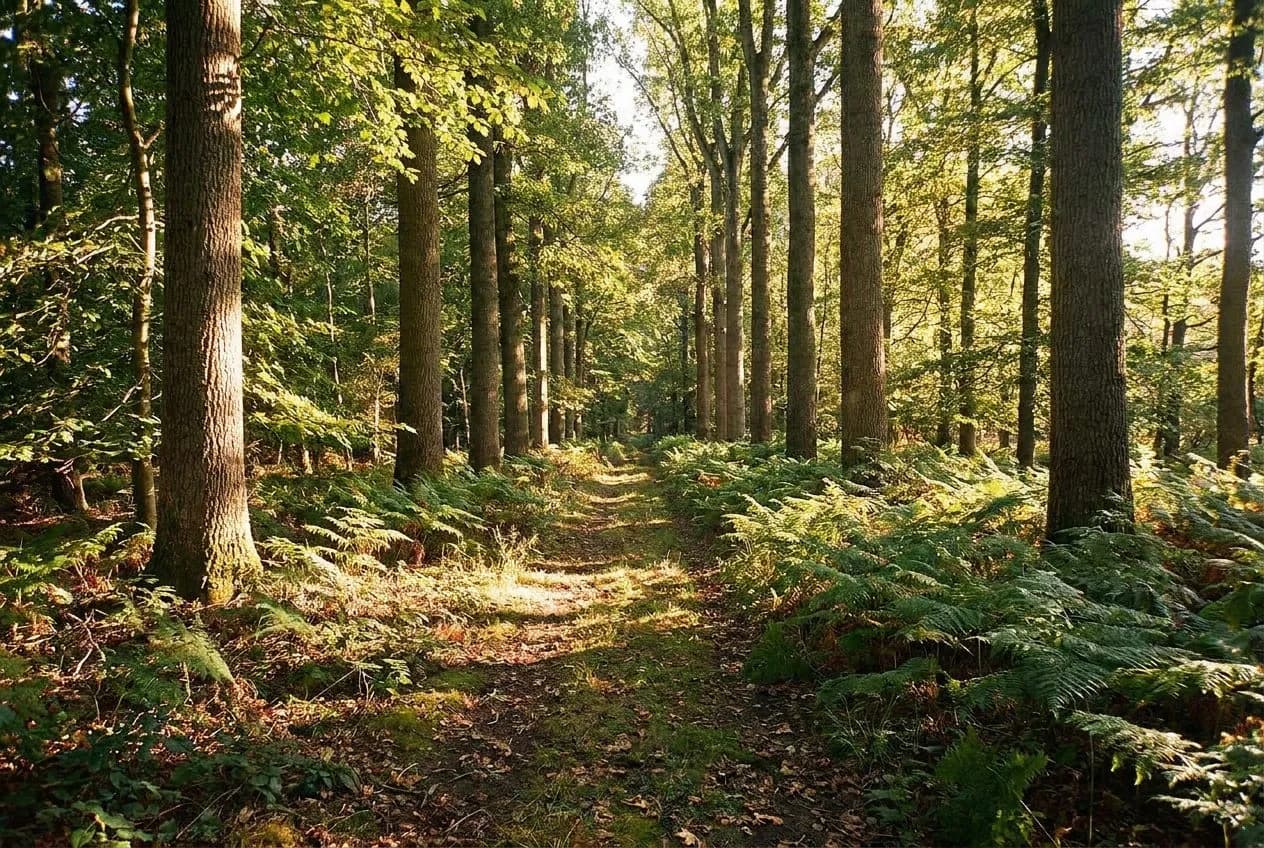
The fifty-acre Thain Family Forest is the city's last surviving old-growth woodland, a fragment of what covered the Bronx before Dutch settlers and railroad barons carved it up. Tulip trees here are over 200 years old, their trunks wide enough that two people linking hands won't span the circumference. The forest floor in spring erupts with trillium and bloodroot; by late summer the understory quiets into dappled green and the susurrus of leaves.
Trails here are narrow and unpaved, more suggestion than infrastructure. You'll cross wooden bridges over seasonal streams and pass interpretive signs that tell you about soil horizons and mycorrhizal networks without talking down. It's the kind of place where you notice your breathing slowing. Wear shoes you don't mind dirtying.
The birdwatcher's secret
At the forest's eastern edge, near the Twin Lakes, there's an overlook bench that doesn't appear on the official map. Regular birdwatchers call it the 'Hemlock Throne,' and they've been logging sightings in a hidden notebook tucked under the seat for years. The entries are terse and specific—date, time, species, weather—and reading back through them is like eavesdropping on a conversation that's been running since 2019. Someone spotted a yellow-throated warbler in April. Someone else recorded a pileated woodpecker at dawn in October, exclamation points included.
The bench itself is unremarkable: weathered wood, a view of water through hemlocks. But the notebook transforms it into something else, a piece of infrastructure for a community that gathers without ever quite meeting. If you're quiet and patient, you might add your own entry. Bring a pen.
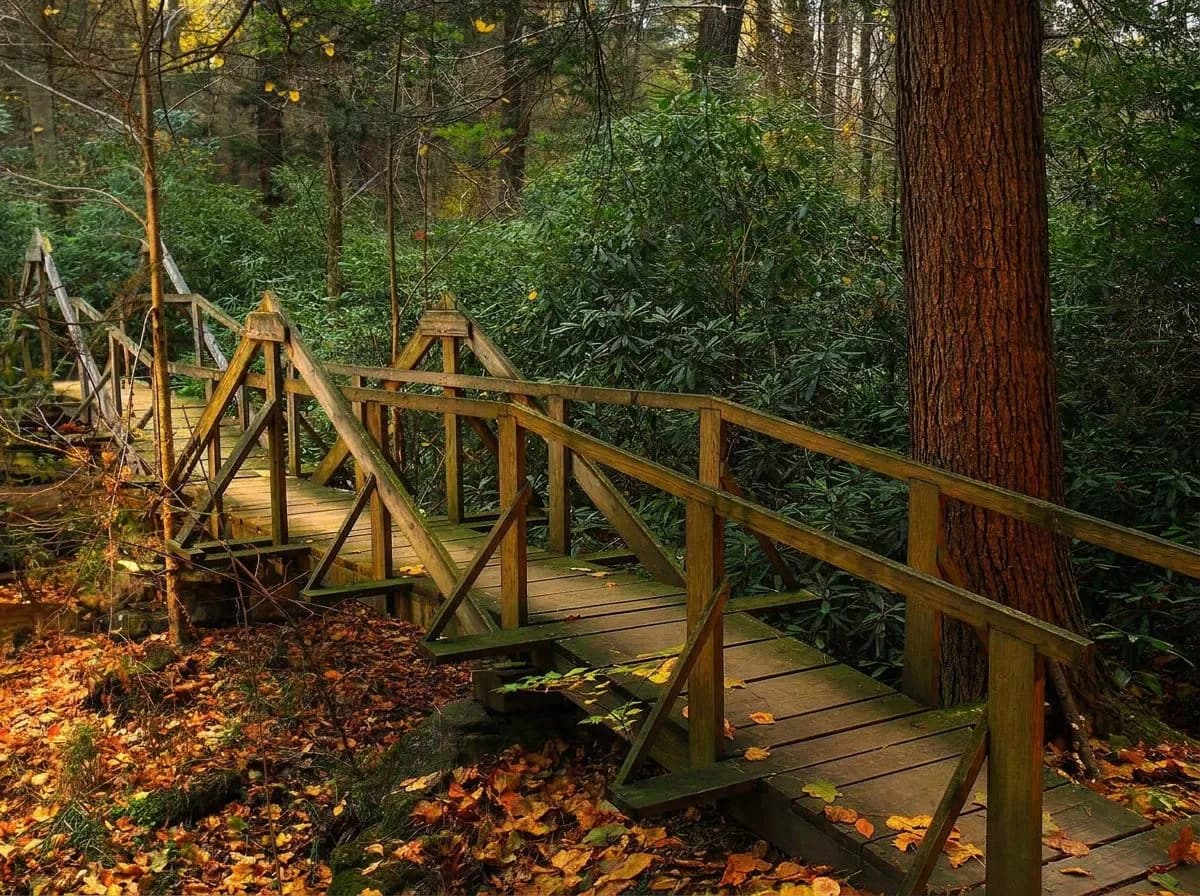
Native Plant Garden: the understated anchor
The Native Plant Garden sprawls across three and a half acres on the garden's western side, and it's chronically undervisited. That's the appeal. The design mirrors the ecological regions of eastern North America—Piedmont, coastal plain, limestone bluffs—compressed into a teaching landscape that never feels didactic. Paths wind through meadow and wetland; benches appear where you need them.
This is where you come to understand what 'native' means in practice: not nostalgia, but a working vocabulary of plants that have been in conversation with this climate and these pollinators for millennia. Butterfly weed in July. Witch hazel in November. The woodland trail in particular offers the kind of microclimate shift—ten degrees cooler, air suddenly damp—that makes you stop and recalibrate.
What you're actually skipping
Yes, the conservatory is beautiful. Its iron-and-glass bones date to 1902, and the seasonal shows—orchids in winter, palms year-round—draw the biggest crowds. But it's also enclosed, ticketed, and busy in a way that flattens the experience into something you photograph rather than inhabit. The outdoor gardens reward a different kind of attention: slower, less curated, alive to seasonal flux and weather and the particular quality of light at four in the afternoon.
If you're committed to glass houses, save the conservatory for a different visit and pay full price on a weekday morning in winter, when the tropical heat and humidity feel like a gift. On summer Wednesdays, stay outside.
Making the most of it
Bring water, sunscreen, and low expectations about food. The garden has a café near the entrance, but it's vending-machine-adjacent in spirit and the lines are long. Pack a lunch if you're planning to stay past noon. The picnic areas near the azalea garden and the herb garden allow outside food; the benches are shaded and positioned for people-watching.
Come in late spring or early fall if you can choose your timing. Summer 2026 will be hot—the Bronx bakes in July and August—but the forest stays cooler than you'd expect, and evening visits stretch long under the extended daylight. Winter Wednesdays are emptier still, the garden stripped down to architecture and bone, which has its own austere appeal.
Practical notes
The New York Botanical Garden is at 2900 Southern Boulevard, Bronx. Take Metro-North's Harlem Line to Botanical Garden station (20 minutes from Grand Central), or ride the B, D, or 4 train to Bedford Park Boulevard and walk ten minutes east. Limited parking is available on-site for a fee. Free admission applies every Wednesday, all day; verify hours and any holiday closures directly, as seasonal schedules shift. The grounds are largely accessible, though forest trails are unpaved. Bring water, wear comfortable shoes, and leave the selfie stick at home.
Tags: #NYBGWednesdays #FreeBotanicalGardenNYC #BronxAttractions #FreeAndFine #HiddenNYC #NYCNature #BotanicalGardens #NativePlants #OldGrowthForest #ThainForest #NYCWednesdays #SummerInTheCity #AffluentTravel #CityEscapes #NYCInsider
Sources consulted: New York Botanical Garden - Wikipedia · Official NYBG Website · Time Out New York · MTA Transit Information · NYC Official Guide
All trademarks are the property of their respective owners.