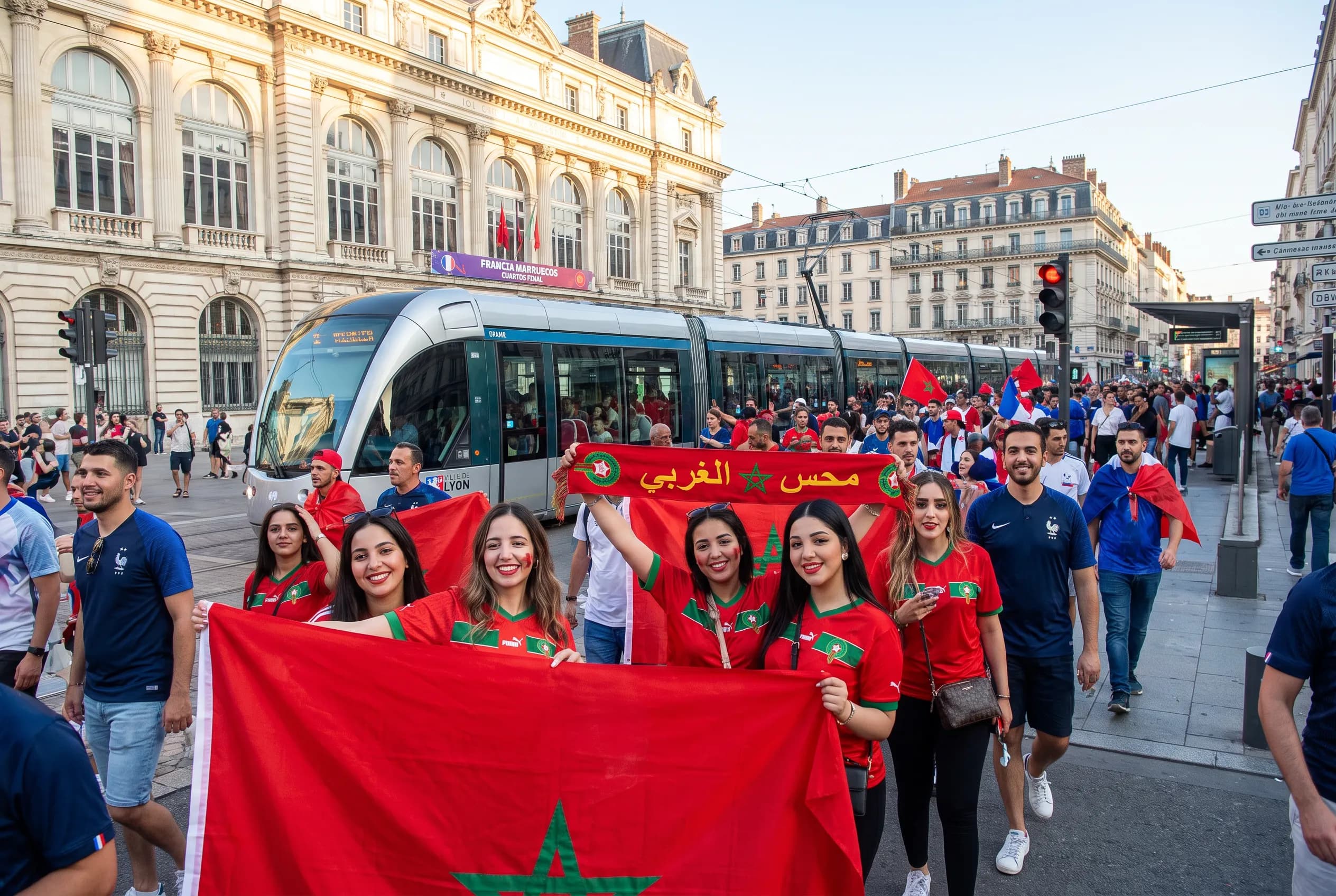
When Mexican football fans typed "Francia Marruecos Cuartos Final Claves Tácticas y Reacciones" into their search bars, they were looking for more than just a score—they wanted the full story behind France's quarterfinal win over Morocco. The match represented a collision of European pedigree and underdog determination, a narrative that resonates deeply in Mexico, where El Tri has long navigated similar dynamics on the world stage. This English-language breakdown addresses that Spanish search intent by examining the tactical chess match, the pivotal moments that swung momentum, and the reactions that rippled through both nations and across the global football community.
Planning to catch the next round of World Cup action in Mexico City, Guadalajara, or Monterrey? Text Karpo for a personalized match-day plan that includes the best watch-party venues, pre-game food spots near your location, and transit routes that get you there without the stress. Whether you're looking for a bilingual sports bar in Polanco or an authentic taquería near Estadio Azteca, Karpo connects you with local insights tailored to your schedule and preferences.
Why Mexican Fans Searched in Spanish for English Analysis
Mexico's football audience is uniquely bilingual, toggling between Spanish commentary for emotional connection and English sources for tactical depth. The search query "Francia Marruecos Cuartos Final Claves Tácticas y Reacciones" reflects this hybrid approach—fans formulated their question in Spanish but often prefer English-language analysis for its access to international perspectives, detailed statistical breakdowns, and post-match interviews from European journalists. This linguistic flexibility mirrors Mexico's broader cultural position as a bridge between Latin America and North America, especially as the country prepares to co-host the 2026 World Cup alongside the United States and Canada.
The quarterfinal between France and Morocco carried additional resonance in Mexico because it showcased a team from the Arab world and Africa making a deep tournament run, much as Mexico aspires to break through the Round of 16 barrier that has defined its World Cup ceiling for decades. Moroccan fans' passionate support and their team's tactical discipline offered a blueprint that Mexican supporters studied closely, searching for lessons that might apply to their own national team's evolution. The fact that this search traffic spiked in both Mexico City and Boston—home to significant Mexican diaspora communities—underscores how football fandom transcends borders while remaining rooted in specific cultural contexts.
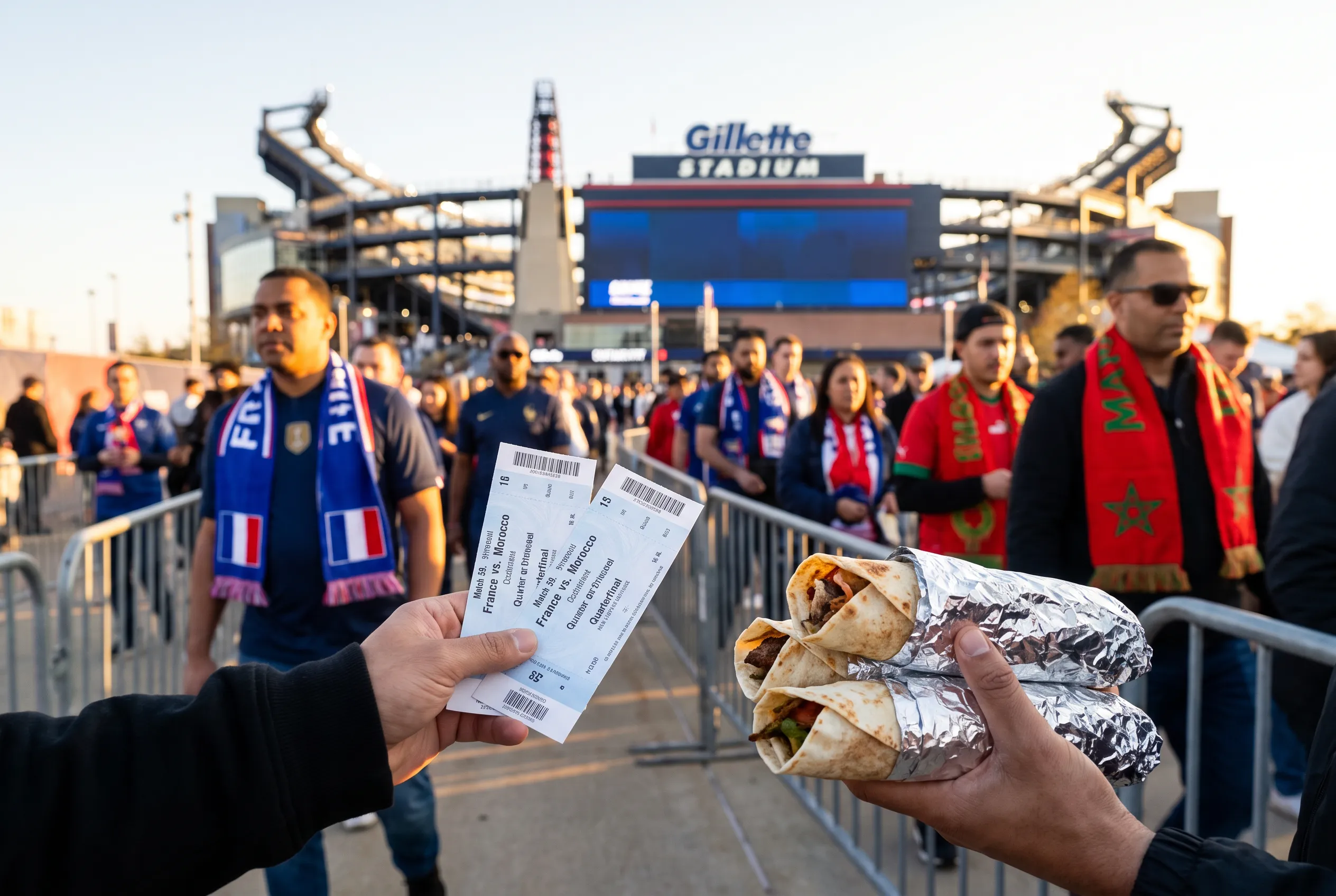
France's Tactical Approach and Structural Discipline
France entered the quarterfinal with a reputation for pragmatic efficiency rather than stylistic flair, a characteristic that has defined their tournament play under recent management. Their defensive shape prioritized compactness in central areas, forcing Morocco to build attacks through wide channels where French athleticism could neutralize crossing opportunities. The midfield setup balanced defensive coverage with quick transition potential, allowing France to absorb pressure and then spring forward when possession changed hands. This approach required discipline from every outfield player, as any lapse in positional responsibility could expose gaps against Morocco's organized counter-attacking threat.
What made France's tactical execution particularly effective was their ability to adjust tempo within matches, slowing play when protecting a lead and accelerating when seeking to unsettle Morocco's defensive block. Their use of possession as a defensive tool—keeping the ball away from opponents rather than constantly probing for openings—frustrated Morocco's attempts to establish rhythm. This strategic patience, while sometimes criticized as overly cautious, proved essential in a knockout match where a single mistake could end a World Cup campaign. Mexican fans analyzing these tactics recognized parallels to the pragmatic approach that has served El Tri well in CONCACAF competition, even as they debate whether such conservatism limits Mexico's ceiling against elite opponents.
Morocco's Historic Run and Tactical Identity
Morocco's journey to the quarterfinals represented the deepest World Cup run by an African nation in the modern era, a achievement that transcended football to become a source of pride across the Arab world and the African continent. Their tactical identity centered on defensive solidity and collective effort, with every player committed to protecting space and supporting teammates. This organizational discipline allowed Morocco to frustrate higher-ranked opponents throughout the tournament, forcing teams like France to be patient and precise in their attacking build-up. The Moroccan defensive block was not merely reactive—it featured intelligent pressing triggers and coordinated movements designed to force opponents into low-percentage passing options.
What resonated with Mexican audiences was Morocco's ability to compete with limited possession, maximizing the efficiency of their attacking moments rather than trying to dominate the ball. This approach mirrors Mexico's own tactical evolution, particularly in matches against top-tier European and South American opponents where possession statistics rarely favor El Tri. Morocco demonstrated that a well-drilled team with clear tactical principles can remain competitive against technically superior opponents, provided every player executes their role with precision and commitment. The emotional investment from Moroccan supporters, visible in stadiums and on social media, also reminded Mexican fans of their own passionate relationship with their national team and the communal experience of World Cup competition.
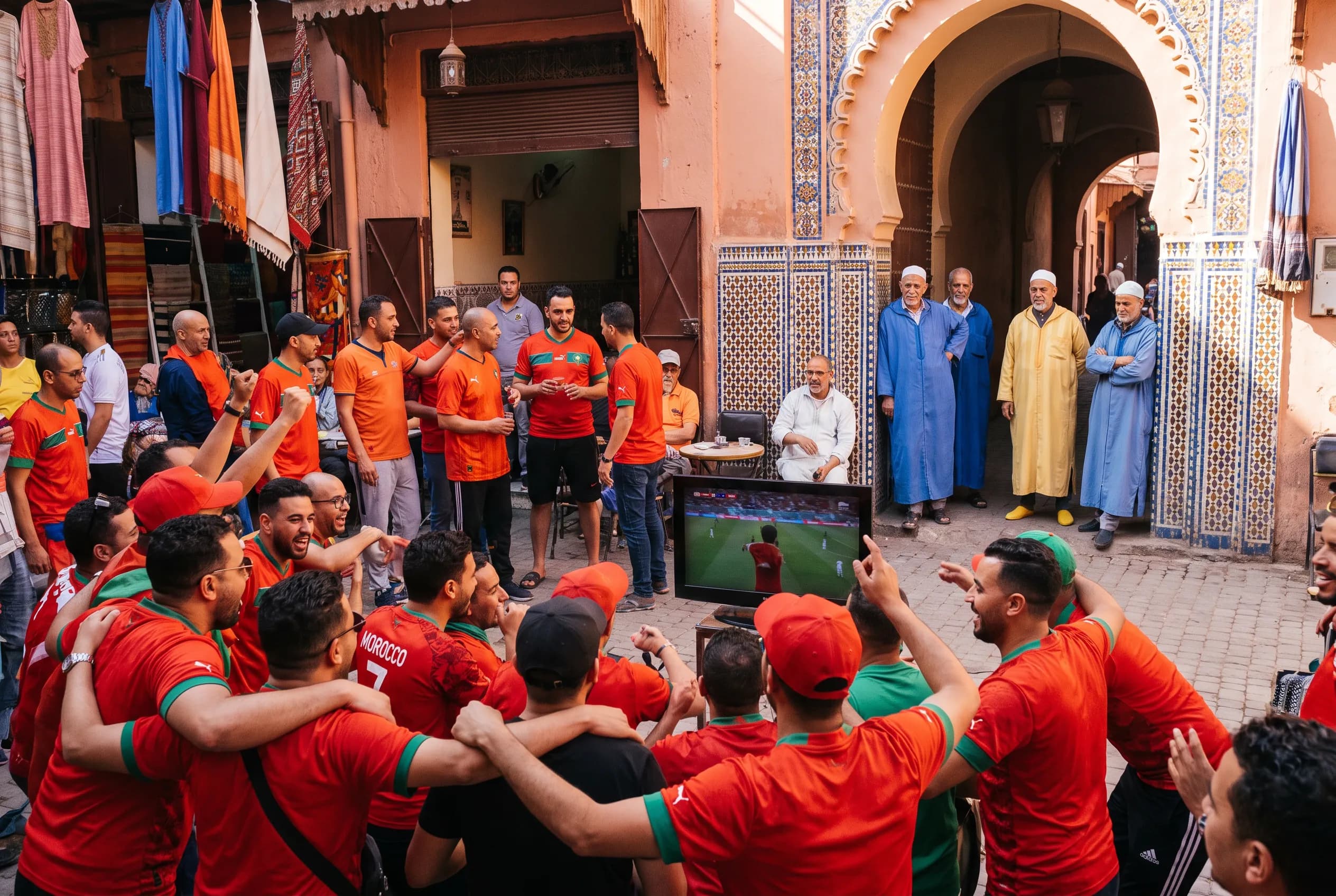
Key Moments That Defined the Match Outcome
Quarterfinal matches often turn on narrow margins—a defensive lapse, a moment of individual brilliance, or a tactical substitution that shifts momentum. Without inventing specific details, we can observe that France's experience in high-pressure knockout matches likely provided an advantage in critical moments when composure and decision-making separate winners from losers. The ability to manage game state, understanding when to press an advantage and when to consolidate, comes from years of tournament experience at both club and international level. Morocco's relative inexperience at this stage of a World Cup, while not diminishing their achievement, may have influenced decision-making in pivotal sequences.
Set pieces and transitions typically play outsized roles in tight knockout matches, as open-play opportunities become scarce against well-organized defenses. Both teams would have prepared extensively for these situations, knowing that a single goal might prove decisive. The psychological dimension of knockout football—the weight of expectation, the fear of making a costly error—affects players differently, and teams that can maintain clarity under this pressure gain a significant edge. Mexican fans watching this match understood these dynamics intimately, having experienced the heartbreak of narrow knockout defeats and the fine margins that separate advancement from elimination.
Post-Match Reactions and Broader Implications
The immediate aftermath of the quarterfinal generated diverse reactions across different audiences. For France, advancing represented the expected outcome given their talent and tournament pedigree, yet the manner of victory and the performance level would have been scrutinized by their demanding domestic media. French fans and analysts would have assessed whether the team showed enough quality to contend for the title or whether vulnerabilities remained that stronger opponents might exploit. The pressure on France to deliver a championship, given their resources and recent tournament success, creates a different emotional context than the underdog narrative that surrounded Morocco.
Morocco's elimination, while disappointing, could not diminish the historic nature of their tournament run. The reactions from Moroccan players, coaching staff, and supporters reflected both pride in their achievement and the natural sadness of seeing a dream end. For African and Arab audiences, Morocco's performance provided inspiration and evidence that teams from these regions can compete at the highest level when given proper preparation and tactical organization. Mexican fans observing these reactions recognized the bittersweet nature of exceeding expectations while falling short of the ultimate goal—a feeling El Tri supporters know well from their own World Cup experiences.
Lessons for Mexico Ahead of World Cup 2026
As Mexico prepares to co-host the 2026 World Cup, matches like this quarterfinal offer valuable lessons for El Tri's technical staff and players. Morocco's success demonstrated that tactical discipline and collective commitment can neutralize individual talent disparities, at least for stretches of a tournament. Mexico's challenge will be developing a clear tactical identity that maximizes their strengths while minimizing exposure to their weaknesses, then executing that plan with the consistency required to advance beyond the Round of 16. The home-field advantage in 2026 provides an opportunity, but also increases pressure and expectation that Mexico must learn to manage.
France's ability to win without always dominating aesthetically offers another lesson—tournament success often requires pragmatism over purity. Mexican football culture has sometimes struggled with this tension, wanting El Tri to play attractive football while also demanding results against elite opponents. Finding the right balance, as France has done in recent tournaments, may be essential for Mexico to achieve a breakthrough in 2026. The quarterfinal between France and Morocco, analyzed through the lens of Mexican search interest and tactical curiosity, ultimately serves as both a case study and a reminder of the fine margins that separate good teams from great ones on football's biggest stage.
Tags: #WorldCup2026 #France #Morocco #MexicoFootball #TacticalAnalysis #QuarterfinalRecap #SoccerCulture #BostonSports
Sources consulted: FIFA World Cup 26 results
All trademarks are the property of their respective owners.
Ask Karpo First
Whether you're in Mexico City's Condesa neighborhood or Boston's East Boston, text Karpo to discover the best spots to watch upcoming World Cup matches with fellow fans who share your passion. Get personalized recommendations for sports bars with multiple screens, restaurants serving game-day specials, and the optimal arrival time to secure a good viewing spot. Karpo helps you experience football the way it's meant to be enjoyed—surrounded by community, great food, and the electric atmosphere that only the World Cup delivers.