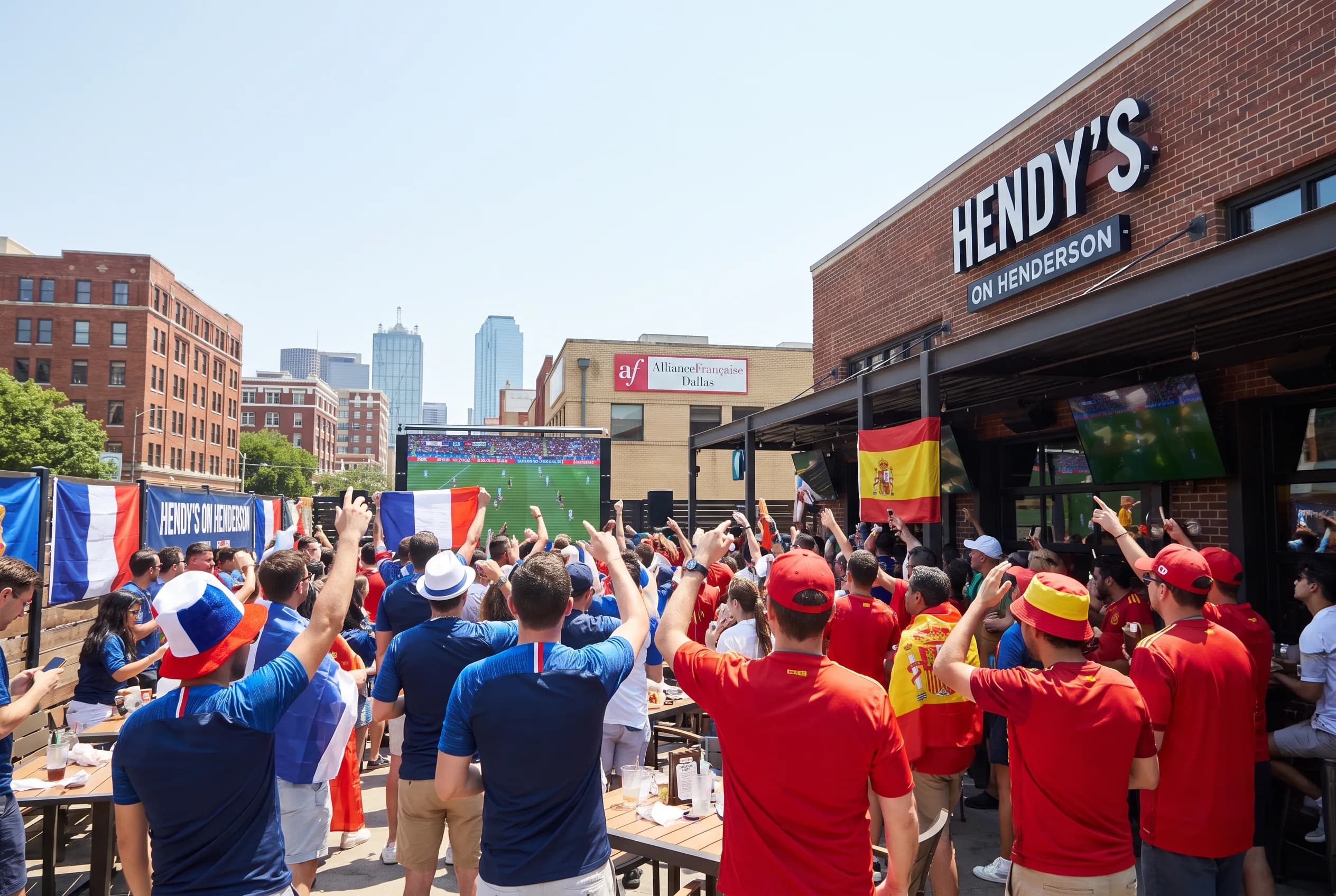
When a marquee semifinal like France versus Spain approaches, fans across North America face a patchwork of broadcast rights that vary by country, language, and platform. Unlike a single universal stream, the United States, Canada, and Mexico each have distinct official broadcasters, and knowing where to look—and how to confirm you're watching a legitimate feed—can mean the difference between a seamless viewing experience and a frustrating scramble minutes before kickoff. This guide focuses on the steps to verify official channels rather than listing speculative networks, ensuring you have the tools to find accurate, up-to-date broadcast information no matter where you are on the continent.
Planning your match-day experience goes beyond finding the right channel. Whether you're coordinating a watch party at a sports bar, mapping the fastest route to a friend's place, or hunting down authentic French or Spanish cuisine to enjoy during the game, Karpo can build a personalized plan that fits your city and schedule. Text Karpo now for tailored recommendations on venues, food spots, and timing so you can focus on the action instead of the logistics.
Why Broadcast Rights Differ Across North America
Broadcast rights for major international tournaments are negotiated on a country-by-country basis, which means the network airing a semifinal in the United States will almost certainly differ from the one showing it in Canada or Mexico. These agreements are typically signed years in advance and cover specific territories, languages, and distribution platforms. For fans who travel frequently or live near a border, this fragmentation can be confusing, especially when social media buzz centers on a channel that isn't available in your region.
Understanding this structure is the first step toward verifying where to watch. Rather than relying on outdated articles or unofficial streaming links, the most reliable approach is to consult the tournament's official website and the broadcasters' own schedules. FIFA maintains a list of official broadcast partners by territory, and each partner publishes match schedules closer to kickoff. Bookmark these sources early, and you'll avoid the last-minute panic that comes with broken streams or geo-blocked content.
How to Verify Official Broadcasters in the United States
In the United States, major soccer tournaments are typically split among a handful of networks and streaming platforms, each with exclusive windows or language feeds. To confirm which channel holds the rights for a specific match, start by visiting the official FIFA World Cup 26 website and navigating to the broadcast section. FIFA lists all official partners by country, and clicking through to the U.S. entry will show you the networks authorized to air the tournament. Cross-reference this list with the networks' own websites, where you can search for the match by date and time.
Once you've identified the official broadcaster, verify whether the match will air on a traditional cable channel, a streaming-only platform, or both. Some networks offer simultaneous broadcasts in English and Spanish, while others require a separate subscription for each language. Check the fine print on blackout restrictions and device compatibility, especially if you plan to watch on a mobile device or smart TV. If a website asks for payment or registration but isn't listed on FIFA's official partner page, treat it as a red flag and look elsewhere.
Finding Legitimate Feeds in Canada
Canada's broadcast landscape often differs significantly from its southern neighbor, with rights frequently held by national networks or specialized sports channels. The same FIFA broadcast partner page will list the official Canadian rights holders, and these networks typically publish match schedules on their websites and apps. Canadian broadcasters may offer English and French feeds, reflecting the country's bilingual nature, so confirm which audio options are available if language preference matters to you.
Streaming availability in Canada can also vary by province and cable provider. Some networks require a cable subscription for online access, while others offer standalone streaming packages. If you're a cord-cutter, look for official apps or streaming services that have secured digital rights. As with the U.S., avoid third-party sites that promise free access without appearing on FIFA's official list—these are often unlicensed streams that may be taken down mid-match or carry security risks.
Navigating Broadcast Options in Mexico
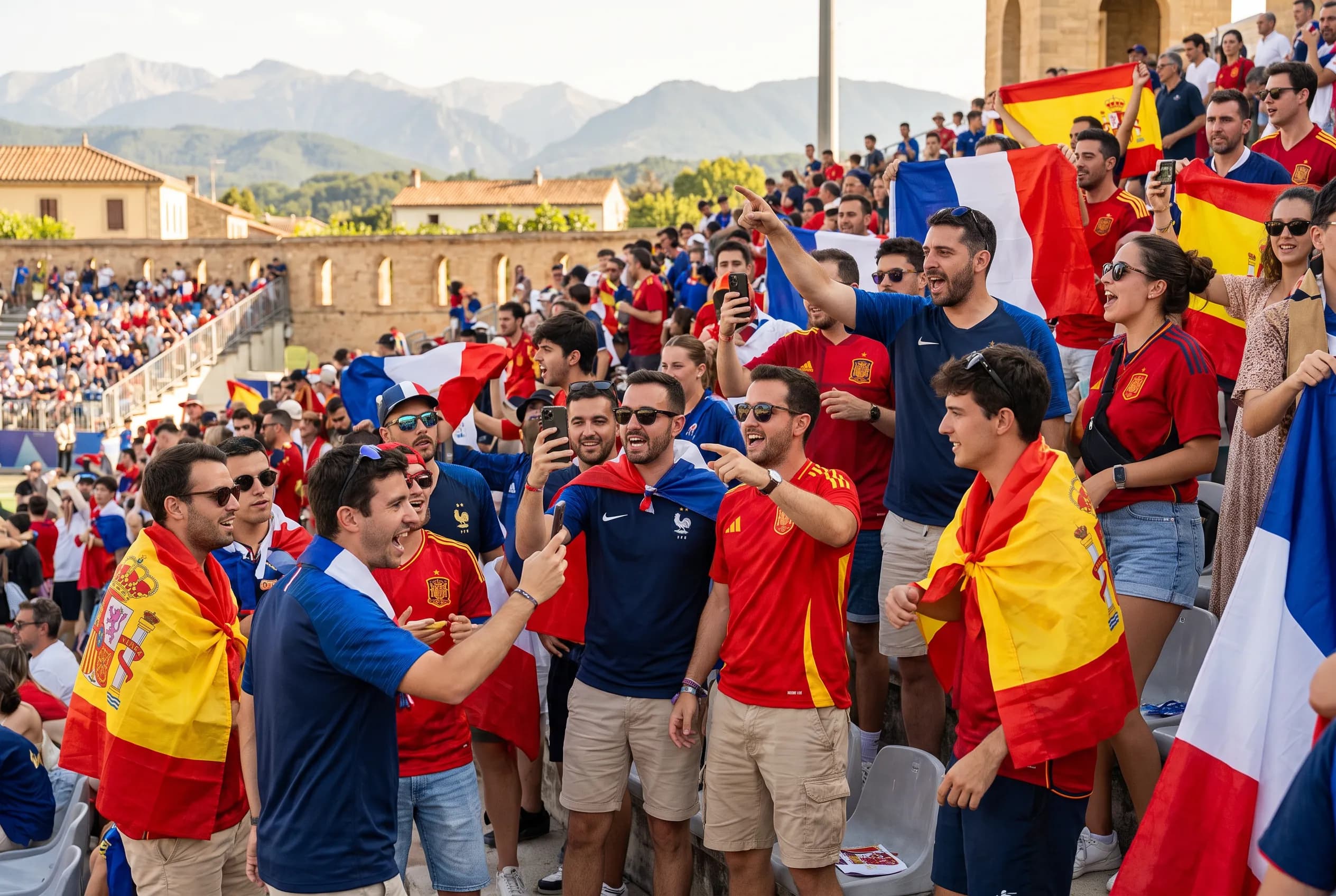
Mexico has a robust soccer broadcasting ecosystem, with multiple networks competing for rights to major tournaments. The official FIFA partner list will indicate which Mexican broadcasters hold the rights for the semifinal, and these networks typically provide extensive pre-match and post-match coverage in Spanish. Because soccer enjoys immense popularity in Mexico, you'll often find that matches are available on free-to-air channels in addition to cable and satellite options, making access more straightforward for many viewers.
To verify the broadcast details, visit the websites of the official Mexican partners listed by FIFA. These sites usually feature prominent match schedules, and many offer live streaming through their own apps or partner platforms. If you're watching from a location near the U.S. or Canadian border, be aware that geo-restrictions may apply to online streams, even if you're physically close to Mexico. Using a VPN to circumvent these restrictions violates most broadcasters' terms of service and can result in account suspension, so stick to the official options available in your actual location.
Language Feeds and Accessibility Features
One advantage of North America's diverse broadcast landscape is the availability of multiple language feeds for high-profile matches. In the United States, you can often choose between English and Spanish commentary, while Canadian broadcasts may offer English and French. Mexican networks primarily broadcast in Spanish, though some cable providers offer secondary audio programming for other languages. To find out which languages are available, check the broadcaster's website or app settings, where audio options are usually listed alongside closed captioning and other accessibility features.
Accessibility goes beyond language. Many official broadcasters now provide closed captions, audio description tracks for visually impaired viewers, and customizable subtitle sizes. If these features are important to you, verify their availability before the match begins. Official apps and streaming platforms are more likely to offer robust accessibility options than unofficial streams, which is another reason to prioritize legitimate sources. Taking a few minutes to explore these settings in advance ensures a more inclusive and enjoyable viewing experience for everyone in your household or watch party.
Avoiding Unlicensed Streams and Scams
The internet is flooded with websites and social media accounts promising free access to major matches, but the vast majority of these are unlicensed streams that violate copyright law and pose security risks. These sites often require you to disable ad blockers, click through multiple pop-ups, or download suspicious software—all red flags that your device and personal information may be at risk. Even if a stream appears to work initially, unlicensed feeds are frequently taken down mid-match, leaving you scrambling for an alternative at the worst possible moment.
To protect yourself, stick to the broadcasters listed on FIFA's official website and verify URLs carefully. Scammers sometimes create lookalike domains that mimic legitimate networks, so double-check spelling and look for secure HTTPS connections. If a site asks for credit card information but isn't a recognized streaming service, close the tab immediately. Paying a subscription fee to an official broadcaster may feel like an inconvenience, but it guarantees a stable, high-quality feed and supports the sport's ecosystem. When in doubt, consult the official FIFA World Cup 26 page at fifa.com for the most current and accurate broadcast information.
Tags: #WorldCup2026 #FranceSpain #BroadcastGuide #UnitedStates #Canada #Mexico #SoccerViewing
Sources consulted: FIFA World Cup 26
All trademarks are the property of their respective owners.
Ask Karpo First
Ready to turn match day into an unforgettable experience? Text Karpo for a custom plan that includes the best sports bars in your neighborhood, transit routes to avoid traffic, and food recommendations that match the flavors of France or Spain. Whether you're hosting a crowd or heading out solo, Karpo makes it easy to enjoy every moment of the semifinal.