 Haaland Has Seven Goals and Norway Runs Entirely Through Him
⚽️2026 FIFA WORLD CUP
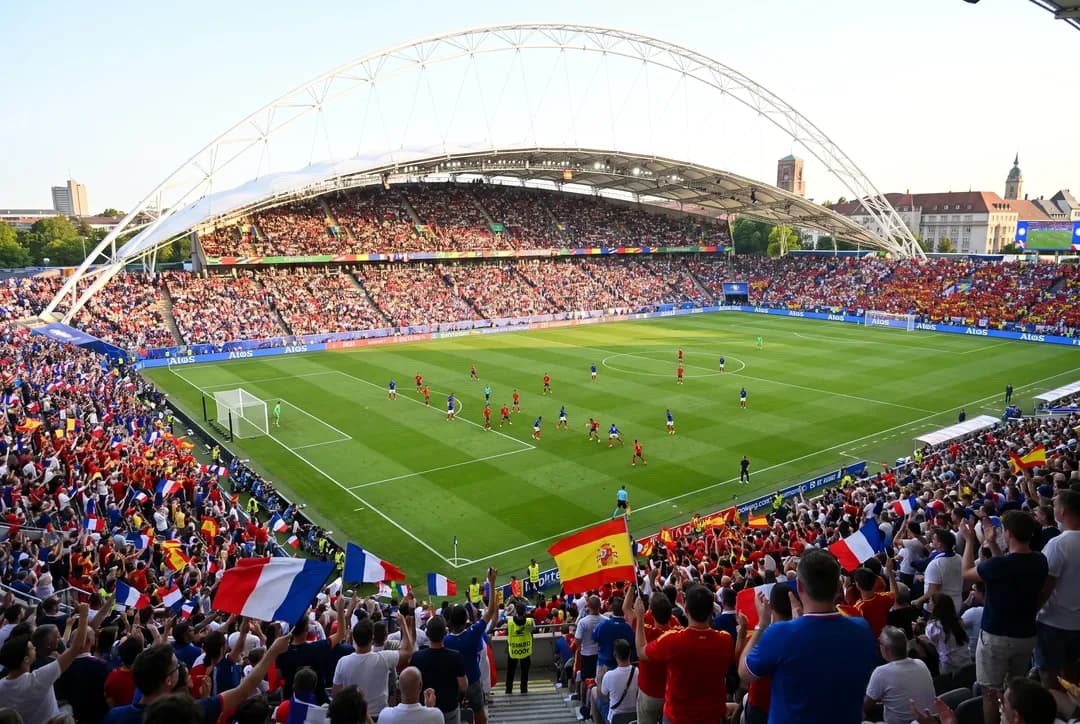
France Spain Expected Shapes Midfield Pressing and Width
Both nations are expected to deploy high-energy midfield trios and attacking width when they meet at AT&T Stadium. Tactical flexibility will define the semifinal as coaches balance possession control with transition speed.
AT&T Stadium in Arlington will host one of the tournament's most tactically intriguing semifinals when France and Spain take the pitch. While official starting lineups remain under wraps until closer to kickoff, both squads have shown clear tactical preferences throughout the competition. France has leaned on a structured 4-3-3 that emphasizes defensive solidity and rapid counter-attacks, while Spain has favored a fluid 4-2-3-1 that prioritizes ball retention and positional rotation. Understanding these expected shapes helps fans anticipate the chess match that will unfold on the field, even as coaches hold their final cards close until team sheets are submitted.
Planning your match-day experience around this tactical showdown? Text Karpo for a personalized guide to pre-match dining in Arlington, the fastest routes to AT&T Stadium from your hotel, and where to catch the atmosphere if you're watching from Dallas proper. Whether you need parking intel, transit options, or the best sports bars with sight lines and sound systems that do justice to a semifinal, Karpo builds your plan around your schedule and preferences.
France's Expected 4-3-3 Structure
France has consistently deployed a 4-3-3 formation that balances defensive coverage with explosive attacking potential. The back four provides a stable foundation, allowing the midfield trio to press aggressively in the middle third without exposing the defense to dangerous counter-attacks. The three forwards operate with defined roles: a central striker who can hold up play and link with runners, and two wingers who stretch the opposition by hugging the touchlines before cutting inside. This shape has proven effective in previous matches, giving France the flexibility to absorb pressure and strike quickly when possession is won.
The midfield three is where France's tactical identity truly takes shape. Expect a deep-lying playmaker who sits just ahead of the defense, shielding the back line and initiating attacks with vertical passes. The two more advanced midfielders are tasked with pressing opposition ball-carriers and supporting the forwards in the final third. This arrangement allows France to transition rapidly from defense to attack, a hallmark of their tournament run. The width provided by the wingers creates space centrally for midfield runners, making France dangerous both in possession and on the break.
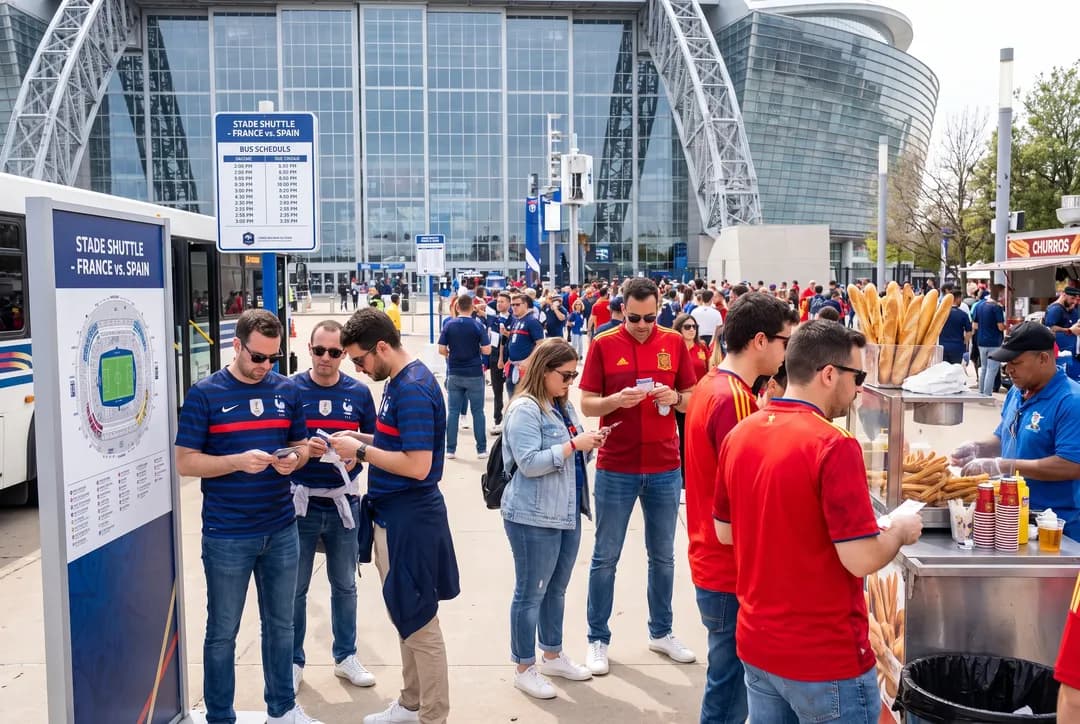
Spain's Fluid 4-2-3-1 Approach
Spain's preferred 4-2-3-1 formation emphasizes control through possession and positional interchange. The double pivot in midfield provides a secure base, with both players comfortable receiving the ball under pressure and circulating it quickly to more advanced teammates. The three attacking midfielders behind the striker operate in fluid roles, often swapping positions to create confusion in the opposition's defensive structure. This fluidity makes Spain difficult to mark, as defenders must constantly adjust their positioning to track runners who drift between the lines.
The width in Spain's system comes primarily from the full-backs, who push high up the pitch when Spain has possession. This allows the wide attacking midfielders to move inside and combine with the central playmaker and striker, creating numerical advantages in central areas. The lone striker must be comfortable dropping deep to receive the ball and link play, effectively turning the 4-2-3-1 into a 4-2-4-0 at times. This approach requires technical excellence and tactical discipline, but when executed properly, it overwhelms opponents with constant movement and passing angles.
Midfield Pressing Battleground
The midfield will be the decisive battleground in this semifinal, with both teams expected to press aggressively when out of possession. France's midfield trio will look to disrupt Spain's rhythm by closing down the double pivot quickly, preventing them from establishing their passing patterns. The intensity and timing of France's press will determine whether Spain can build attacks patiently or must resort to more direct play. If France can win the ball in midfield and transition quickly, they will create dangerous opportunities against a Spain defense that may be caught in advanced positions.
Spain's pressing approach is more coordinated and patient, focusing on forcing opponents into specific areas of the pitch before triggering aggressive pressure. The attacking midfielders will work in tandem with the striker to cut off passing lanes, funneling play toward the touchlines where the full-backs and wide midfielders can trap the ball-carrier. Spain's press is less about individual tackles and more about collective positioning, making it difficult for opponents to play through the lines. Against France's counter-attacking threat, Spain must balance their pressing intensity with defensive security, ensuring they are not caught out of shape when possession is lost.
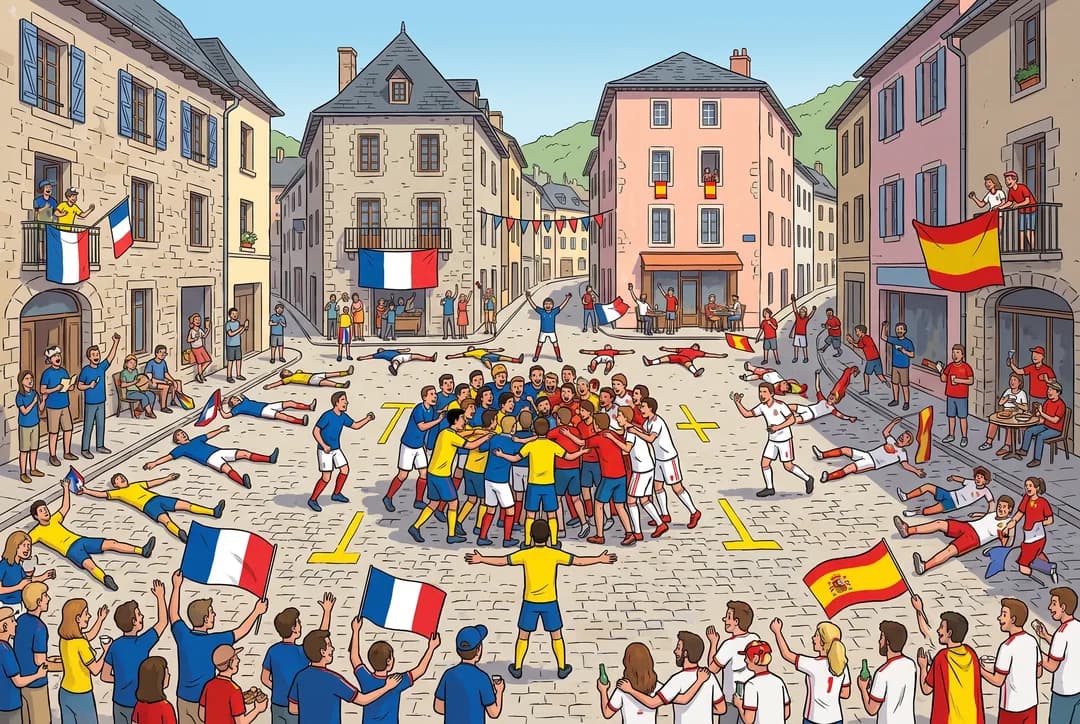
Width and Attacking Channels
Both teams rely heavily on width to create attacking opportunities, though they generate it through different mechanisms. France's wingers provide natural width by starting in wide positions and stretching the defense horizontally. This creates space for the striker and advancing midfielders to exploit centrally. The full-backs in France's system are more conservative, providing defensive cover rather than overlapping runs. This allows the wingers to focus on attacking without worrying about defensive responsibilities, making them constant threats to run in behind or cut inside onto their stronger feet.
Spain's width comes from the full-backs pushing high and wide, which allows the attacking midfielders to operate in the half-spaces between the opposition's defense and midfield. These half-spaces are where Spain does their most dangerous work, with quick combinations and through balls that unlock compact defenses. The wide attacking midfielders in Spain's system are not traditional wingers; they are playmakers who drift inside to create overloads and passing triangles. This approach requires the full-backs to provide genuine width, stretching the opposition and creating the space for interior players to operate.
Defensive Organization and Transitions
France's defensive organization is built on compactness and discipline. When out of possession, the team drops into a narrow 4-5-1 or 4-4-2 shape, with the wingers tracking back to support the full-backs. This makes France difficult to break down through central areas, forcing opponents to play wide where crossing opportunities can be defended by a well-organized back line. The defensive midfielders are crucial in this system, screening the defense and preventing opposition playmakers from receiving the ball in dangerous positions. France's ability to defend as a unit and then explode forward on the counter has been a defining characteristic of their tournament.
Spain's defensive approach is more proactive, looking to win the ball back quickly through coordinated pressing rather than sitting deep and absorbing pressure. When the press is bypassed, Spain must transition quickly into a more compact defensive shape, with the attacking midfielders dropping to form a midfield line of five. The double pivot provides cover for the center-backs, but Spain can be vulnerable to quick transitions if caught with too many players forward. The full-backs must be disciplined about when to push forward and when to hold their positions, as being caught too high can leave space for opposition wingers to exploit.
Key Tactical Adjustments to Watch
Both coaches will have tactical adjustments prepared depending on how the match unfolds. If France finds success on the counter-attack early, Spain may push their defensive line higher to compress space and prevent France from building momentum on the break. Conversely, if Spain dominates possession, France may drop deeper and look to hit on the counter with even more directness. Substitutions will play a crucial role, with fresh legs in midfield potentially tipping the pressing battle in either direction. Watch for changes in pressing triggers and defensive lines as coaches react to the flow of the game.
Set pieces could also prove decisive given the tactical balance between these two sides. Both teams have shown quality in dead-ball situations, and a well-executed corner or free kick may be the difference in a tight semifinal. The coaches' ability to read the game and make timely adjustments will be as important as the starting formations. Fans should expect a tactical chess match that evolves throughout the ninety minutes, with both sides probing for weaknesses and adjusting their approach based on what the opposition presents.
Tags: #WorldCup2026 #France #Spain #ATTStadium #Arlington #Dallas #TacticalAnalysis #SoccerFormations #Semifinal
Sources consulted: FIFA World Cup 26 schedule
All trademarks are the property of their respective owners.
Ask Karpo First
Watching this tactical battle from Dallas or Arlington? Text Karpo to map out your entire match-day experience, from breakfast spots near your hotel to the smartest parking strategy for AT&T Stadium. Whether you need a pre-match pub with the right energy, a backup plan if you're watching from a sports bar, or the fastest post-match route back to Dallas, Karpo builds a plan that fits your timeline and gets you where you need to be without the guesswork.
Ask Karpo for more information.
Keep reading
- Haaland Has Seven Goals and Norway Runs Entirely Through Him
 World Cup Trophy Ceremony Timing Medals and Postmatch Celebrations
 Olise and France's Attack: The Semifinal Tactical Question