 Haaland Has Seven Goals and Norway Runs Entirely Through Him
⚽️2026 FIFA WORLD CUP
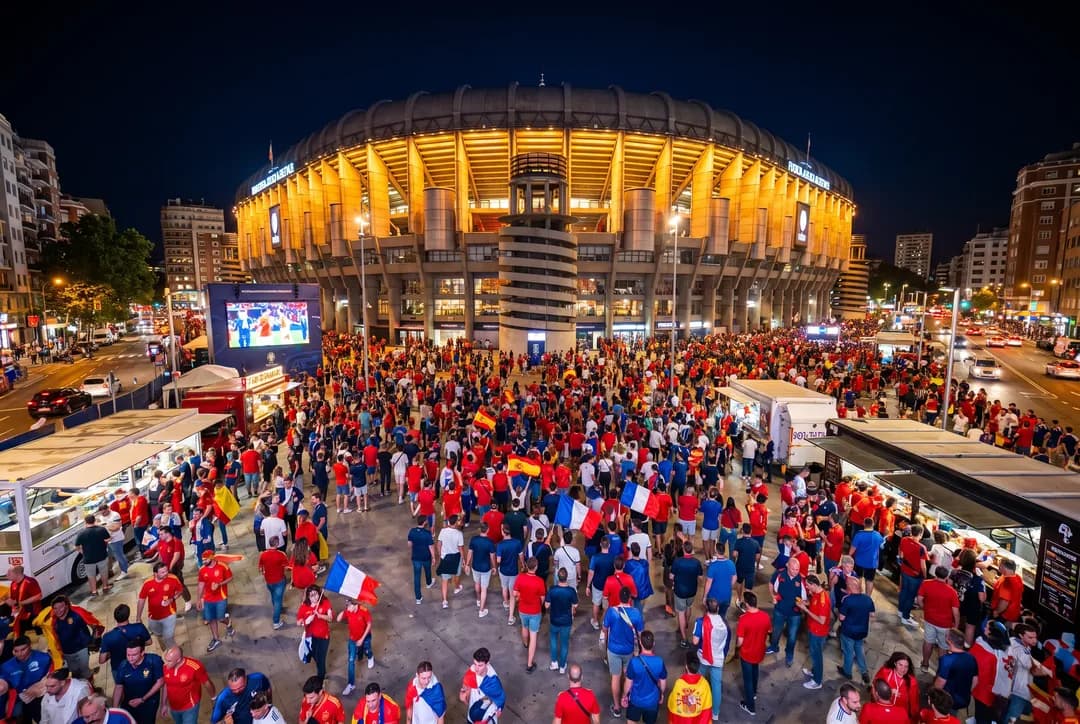
France Spain Semifinal Key Duels Beyond the Superstars
While Mbappé and Morata command headlines, the France-Spain semifinal will be decided in less glamorous duels across midfield, full-back corridors, and set-piece zones. We break down the tactical chess matches that will shape the path to the final.
When France and Spain meet in the World Cup semifinal at AT&T Stadium, most eyes will track the marquee names lighting up the scoreboard. But seasoned analysts know that tournaments are won in the trenches—where defensive midfielders screen back lines, where full-backs decide whether to press or drop, and where coaching staffs exploit the smallest set-piece vulnerabilities. This match will be no exception. The team that wins the positional duels away from the spotlight will earn the right to contest the final, and both squads arrive with distinct tactical identities that promise compelling chess matches across every third of the pitch.
Planning your semifinal watch party or match-day route through Arlington? Text Karpo for a personalized plan that covers parking strategies near AT&T Stadium, pre-match dining spots in the Entertainment District, and real-time crowd-flow updates so you spend less time navigating and more time focused on the game. Whether you need a family-friendly fan zone or a supporters' pub with the best sight lines, Karpo builds itineraries around your priorities.
The Defensive Midfield Screen
France's defensive midfielder will face the unenviable task of tracking Spain's fluid attacking midfielders, who rotate positions to create numerical advantages in the half-spaces. Spain's system thrives on pulling opponents out of shape with quick combinations before exploiting the gaps left behind. The French anchor must read these rotations early, communicate constantly with the center-backs, and resist the temptation to step too high when Spain's false movements invite pressure. A single mistimed jump can leave the back line exposed to through balls that Spain executes with surgical precision.
Spain's defensive screen, by contrast, will need to manage France's direct transitions and the pace of attackers who can cover forty yards in seconds. While Spain prefers to control possession and territory, they cannot afford to commit too many bodies forward against a team that punishes turnovers with ruthless efficiency. The Spanish holding midfielder must balance supporting build-up play with maintaining a safety net behind the ball. If that player gets dragged too wide or too high, France will find the vertical seams that have undone possession-heavy opponents throughout the tournament.
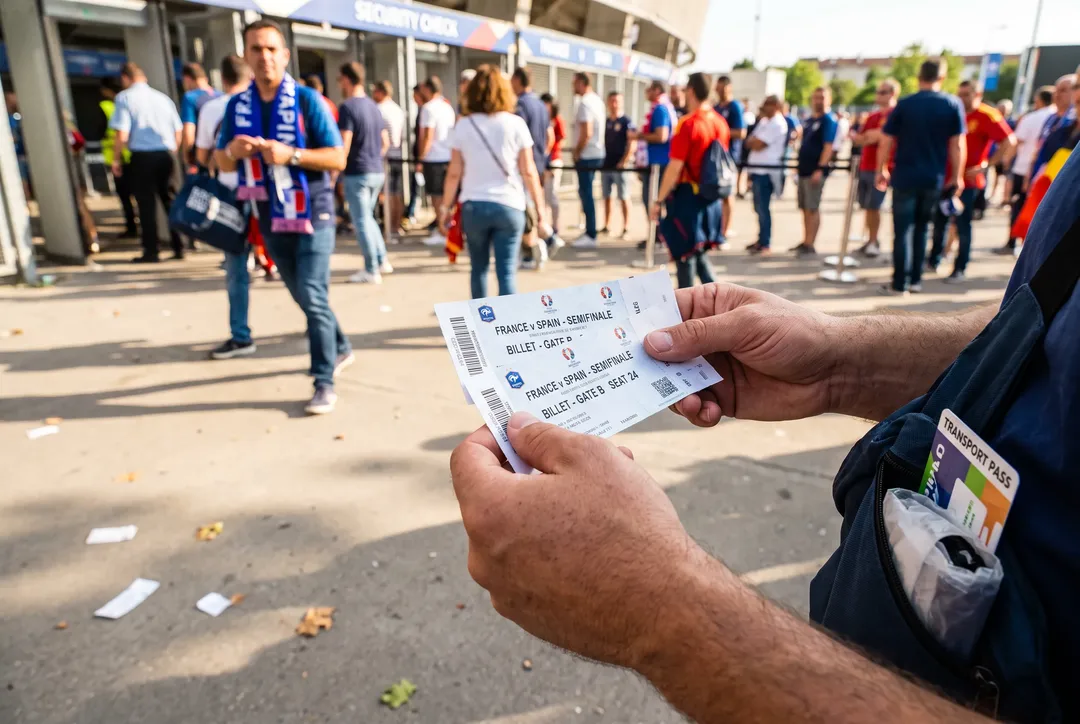
Full-Back Battles and Wide Overloads
Spain's full-backs often invert into midfield during the build-up phase, creating numerical superiority in central areas and forcing opponents to choose between pressing the middle or covering wide runners. France's wingers will need to decide whether to track these inverted full-backs into congested zones or hold their width and wait for counter-attacking opportunities. If the French forwards follow Spain's full-backs inside, they risk leaving their own full-backs isolated in one-on-one situations against Spain's wide forwards, who excel at attacking space behind high defensive lines.
France's full-backs, meanwhile, face a different challenge. They must provide width in attack to stretch Spain's compact defensive shape, yet remain disciplined enough to recover when possession turns over. Spain's wide attackers are adept at timing runs in behind, and a French full-back caught too high up the pitch can leave the center-backs exposed to diagonal balls. The coaching staff will likely emphasize staggered positioning, ensuring that one full-back advances while the other holds a deeper line. Whichever team manages these wide corridors more effectively will control the tempo and territorial balance of the match.
Set-Piece Execution and Defensive Organization
Set pieces often decide tight knockout matches, and both teams bring distinct approaches to dead-ball situations. France's aerial presence on corners and free kicks is well documented, with multiple players capable of attacking the ball at its highest point. Spain will need to match up carefully in the box, assign a dedicated player to guard the near post, and ensure that their zonal markers do not get caught ball-watching when decoy runners create space for late arrivals. The Spanish goalkeeper's command of the six-yard area will be tested repeatedly, and any hesitation can prove costly.
Spain's set-piece routines are more varied, often featuring short corners designed to create shooting angles or pull defenders out of position before delivering the cross. France's defensive unit must stay compact, resist the urge to chase the ball too early, and maintain discipline when Spain recycles possession around the penalty area. The French coaching staff will have studied Spain's patterns extensively, but execution under pressure is a different matter. A single lapse in concentration during a set piece can undo sixty minutes of disciplined defending, and both teams know that margins at this stage are measured in inches.
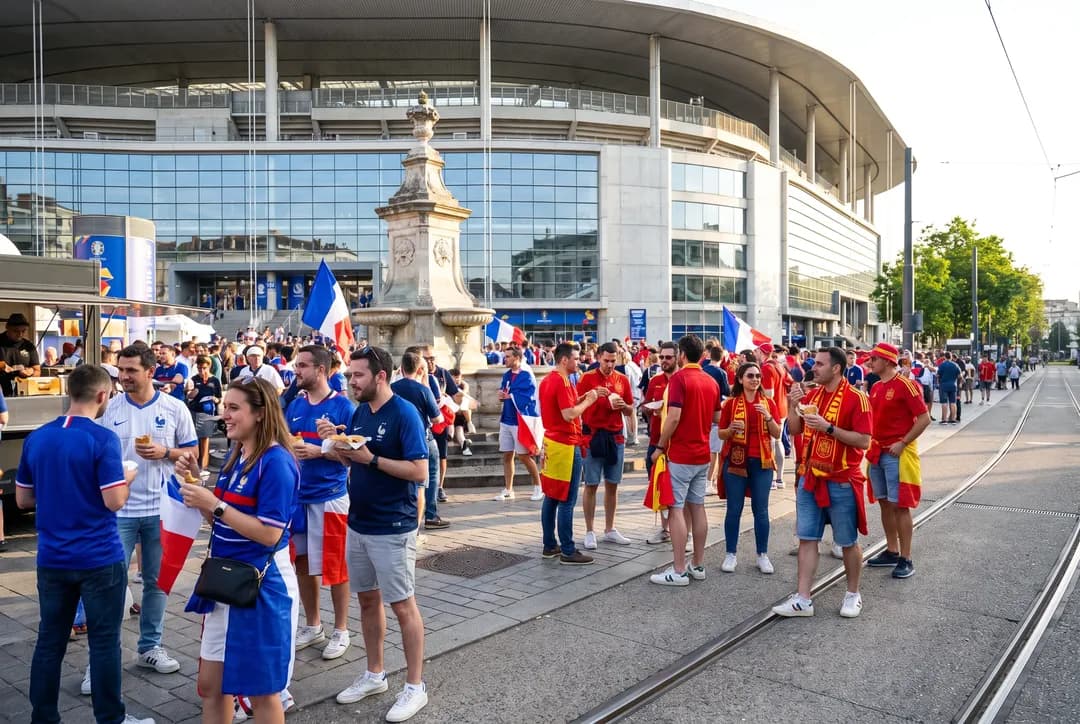
Pressing Triggers and Counter-Pressing Windows
Spain's possession game is built on drawing opponents forward before exploiting the space they vacate. France must choose their pressing triggers carefully, committing numbers only when Spain's passing options are genuinely limited. Pressing too aggressively plays into Spain's hands, creating gaps that their technical midfielders can exploit with a single pass. The French forwards will likely focus on cutting off passing lanes to Spain's deepest midfielder rather than chasing the ball to the corner flags, forcing Spain to play longer passes that favor France's athletic defenders.
When France loses possession, their counter-pressing intensity will determine whether Spain can build sustained attacks or must settle for recycling the ball in less dangerous areas. Spain's players are comfortable under pressure, but even the most composed passers can be hurried into mistakes if the press arrives quickly and from multiple angles. France's ability to win the ball back within five seconds of losing it has been a hallmark of their tournament run, and maintaining that intensity for ninety minutes—or longer—will test their conditioning and tactical discipline. Spain, for their part, must be ready to bypass the initial press with quick vertical passes, turning defense into attack before France can fully organize their defensive shape.
Transition Management and Defensive Recovery
The moment possession changes hands will define this match. France's transition speed is among the best in the tournament, with attackers who can stretch defenses vertically in seconds. Spain's defenders must be prepared to sprint back the instant possession is lost, maintaining their defensive line's compactness even as they retreat. The Spanish center-backs will need to communicate constantly, deciding when to step and when to drop, and the defensive midfielder must provide cover during these vulnerable moments. A single miscommunication can leave Spain exposed to the kind of clinical finishing that has carried France through previous knockout rounds.
Spain's transitions are more measured but no less dangerous. They excel at winning the ball high up the pitch and immediately combining in tight spaces before the opponent can recover their shape. France's midfielders must be disciplined in their positioning, ensuring that passing lanes remain closed even when the team is pushing forward. The French center-backs will face moments when they are isolated against multiple Spanish attackers, and their ability to delay, shepherd, and force play wide will be critical. Whichever team manages these transition moments more effectively will likely control the psychological momentum of the match.
Substitution Windows and Tactical Adjustments
Both coaching staffs will have prepared multiple tactical adjustments depending on the match state. If France takes an early lead, expect them to drop deeper and invite Spain forward, compressing space in the defensive third and waiting for counter-attacking opportunities. Spain will need to remain patient, resisting the urge to force passes into crowded areas and instead working to pull France's defensive block out of shape through sustained possession. The Spanish bench offers technical players who can unlock tight defenses, but introducing them too early can leave the team vulnerable in transition.
If Spain dominates possession without scoring, France may introduce fresh legs in the final third to exploit tired Spanish defenders during transitions. The timing of these substitutions will be crucial. Introducing attacking players too early can destabilize a functioning defensive structure, while waiting too long can allow the opponent to seize control. Both teams have depth across multiple positions, and the coaches who read the match flow most accurately and make decisive changes at the right moments will give their squads the best chance to advance. In a match this evenly balanced, a single tactical tweak in the seventy-fifth minute could prove as important as any individual moment of brilliance.
Tags: #WorldCup2026 #FranceSpain #TacticalAnalysis #ATTStadium #Dallas #Arlington #SemifinalPreview #SoccerTactics
Sources consulted: FIFA World Cup 26 schedule
All trademarks are the property of their respective owners.
Ask Karpo First
Whether you're watching from a sports bar in downtown Dallas or heading to AT&T Stadium for the semifinal, Karpo helps you plan every detail. Text us for personalized recommendations on parking, dining, fan zones, and real-time crowd updates so you can focus on the match, not the logistics. Let Karpo handle the planning while you enjoy the biggest game of the tournament.
Ask Karpo for more information.
Keep reading
- Haaland Has Seven Goals and Norway Runs Entirely Through Him
 World Cup Trophy Ceremony Timing Medals and Postmatch Celebrations
 Olise and France's Attack: The Semifinal Tactical Question