The Opening Exchanges and Early Pressure
From the first whistle in the Boston area, Morocco signaled they would not sit back. Their high press forced France into hurried clearances, and the Atlas Lions' midfield trio closed passing lanes with discipline that had carried them through the group stage and Round of 16. France, accustomed to controlling tempo, found themselves chasing shadows for the opening quarter-hour, unable to settle into their usual rhythm.
Text Karpo Now: Get real-time match insights, stadium transit tips, and the smartest ways to experience every knockout round across North America.
Yet even under pressure, France's defensive structure held. Center-backs communicated constantly, full-backs tucked in when needed, and the goalkeeper commanded his box with authority. Morocco created half-chances—a deflected cross, a speculative shot from distance—but nothing that truly tested the French shot-stopper. By the twentieth minute, the tide began to turn as France's midfield found pockets of space and started threading passes through the lines.
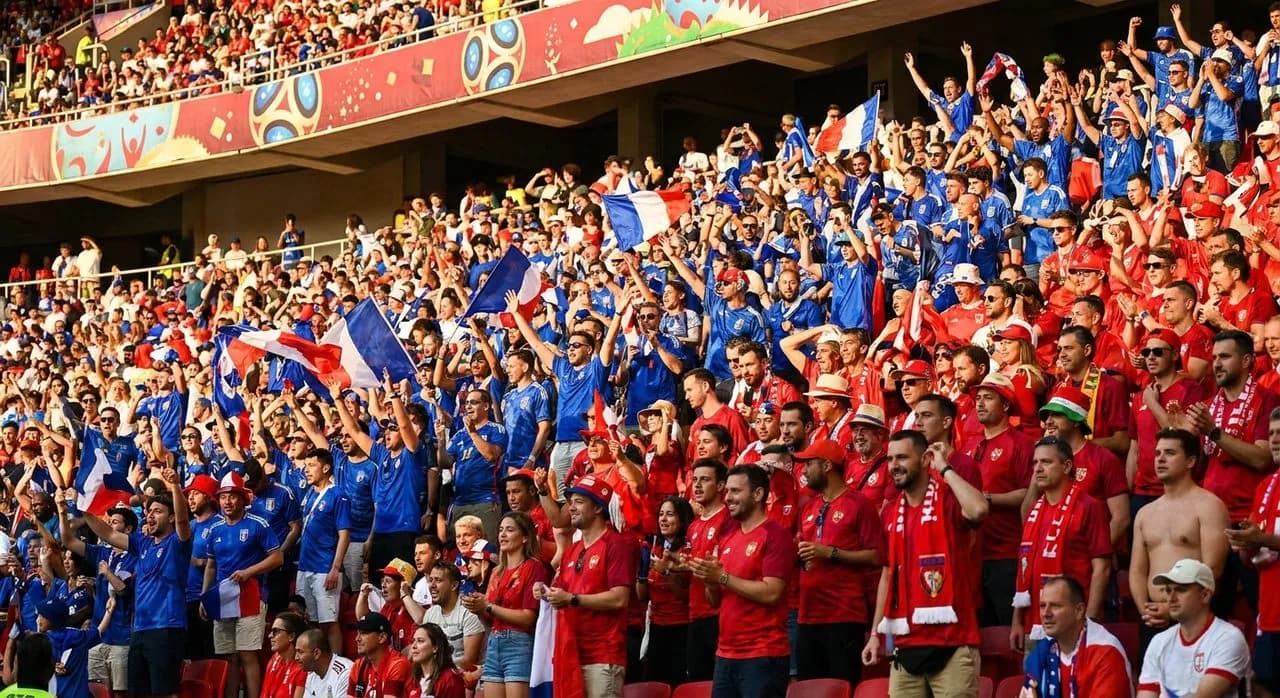
The tactical chess match was evident: Morocco wanted to press high and force turnovers, while France sought to draw opponents forward then exploit the gaps behind. Neither side blinked first, and the tension in the stands mirrored the caution on the pitch. Every misplaced pass drew groans; every successful tackle brought roars. This was knockout football at its purest, where a single mistake could end a nation's dream.
The Moment That Shifted Everything
Midway through the first half, a sequence unfolded that would define the match. France won possession in their own third, and within three passes the ball had traveled sixty yards. A perfectly weighted through-ball split Morocco's defensive line, and suddenly a French attacker was bearing down on goal. The Moroccan goalkeeper rushed out, narrowing the angle, but the finish was clinical—a low shot that found the corner.
The goal didn't just change the scoreline; it altered the entire tactical landscape. Morocco, who had been content to press and counter, now needed to chase the game. They pushed higher, committed more bodies forward, and in doing so left space in behind that France could exploit. The French coaching staff recognized the shift immediately, adjusting their shape to invite pressure then spring forward on the break.
What followed was a masterclass in game management. France didn't retreat into a shell; instead, they controlled possession in dangerous areas, forcing Morocco to expend energy chasing the ball. Every French pass was purposeful, every movement designed to stretch the opposition or relieve pressure. Morocco's players ran tirelessly, but the mathematics of knockout football are unforgiving: the team that scores first can dictate terms, and France did exactly that.
Morocco's Response and Tactical Adjustments
To their immense credit, Morocco refused to fold. Their coaching staff made adjustments at halftime, pushing wider players higher and instructing the full-backs to overlap more aggressively. The second half opened with renewed Moroccan energy, and for a fifteen-minute spell they pinned France back, winning corner after corner and forcing desperate blocks.
The Atlas Lions' best moment came from a set piece. A whipped delivery found a Moroccan head at the near post, and the ball flashed across goal with French defenders scrambling. It skimmed the far post by inches—the kind of marginal moment that separates semifinalists from teams heading home. The Moroccan supporters, who had been magnificent throughout the tournament, sensed their team's urgency and raised the volume even higher.
But France weathered the storm. Their experienced core—players who had been through deep tournament runs before—stayed calm, kept their defensive shape compact, and trusted the system. When Morocco committed numbers forward, France looked to hit them on the counter, and twice came close to adding a second goal. The quarterfinal was being decided not by a single moment of brilliance, but by the accumulation of small tactical victories and the ability to execute under immense pressure.
The Final Twenty Minutes and Game Management
As the clock ticked past seventy minutes, fatigue became a factor. Morocco had given everything—physically, tactically, emotionally—and France began to find more space in midfield. Substitutions became crucial: fresh legs to press, defensive reinforcements to see out the result, attacking options to threaten on the break. Both coaching staffs used their benches wisely, each change designed to address a specific tactical need.
France's ability to slow the game down—without resorting to cynical time-wasting—demonstrated their tournament maturity. They won free kicks in advanced positions, took their time on throw-ins, and rotated possession patiently in the Moroccan half. Morocco continued to push, but the spaces they needed to exploit were no longer there. France had closed the door, and the Atlas Lions couldn't find the key.
The final whistle brought contrasting emotions: French relief and celebration, Moroccan heartbreak and pride. Morocco had proven once again that they belonged on this stage, that their tactical discipline and collective spirit could trouble any opponent. France, meanwhile, had shown the championship mentality required to navigate a difficult quarterfinal and book their place in the final four. Both teams left everything on the Boston-area pitch, and the match will be remembered as a tactical battle decided by the finest of margins.
What the Match Revealed About Both Teams
France's performance underscored why they remain perennial contenders. Their defensive organization never wavered, even under sustained pressure. Their midfield controlled the tempo when it mattered most. And their clinical finishing—taking the chances that came their way—proved the difference. This is a team built for tournament football, with depth across every position and a collective understanding of what it takes to win knockout matches.
Morocco, meanwhile, enhanced their growing reputation as one of the world's most tactically astute and mentally resilient sides. They pressed intelligently, defended with discipline, and created genuine opportunities against one of the tournament favorites. Their journey through the 2026 World Cup—regardless of where it ended—has inspired a generation and demonstrated that tactical organization and team unity can level the playing field against more celebrated opponents.
The quarterfinal also highlighted the importance of tournament experience. France's core had been in these high-pressure situations before; they knew how to manage leads, when to accelerate and when to slow down, how to navigate the emotional peaks and valleys of knockout football. Morocco's relative youth in these moments showed at times, but the experience gained will serve them well in future tournaments. Both teams left the pitch with their heads high, knowing they had given everything in pursuit of a semifinal place.
Looking Ahead to the Semifinals
France now turns its attention to the semifinal, where they will face another formidable opponent at either AT&T Stadium in Arlington or Mercedes-Benz Stadium in Atlanta. The coaching staff will analyze every minute of the Morocco match, identifying areas to improve and tactical tweaks to implement. Key players will need rest and recovery; the medical team will monitor fitness levels closely. The margin for error shrinks with every round, and France knows that their next opponent will have studied this quarterfinal closely, looking for weaknesses to exploit.
The path to the final on July 19 at MetLife Stadium in East Rutherford is now clear: one more knockout match, ninety minutes (or more) of elite football, and the chance to compete for the trophy. France has the experience, the talent, and the tactical flexibility to go all the way. But as this quarterfinal demonstrated, nothing is guaranteed in tournament football. Every match is a new test, every opponent brings unique challenges, and only the teams that execute under pressure will reach the final.
For those following the tournament from host cities across the United States, Canada, and Mexico, this quarterfinal offered a reminder of what makes the World Cup special: the tactical battles, the emotional investment, the moments that shift momentum and change destinies. Whether you're watching in packed fan zones, neighborhood sports bars, or living rooms with friends, every match at this stage delivers drama and quality. France vs Morocco lived up to the occasion, and the semifinals promise even more.
Practical notes
- Knockout matches are decided by fine margins—set pieces, transitions, and individual moments of quality often prove decisive.
- Tactical adjustments matter: both teams made in-game changes that shaped the flow and outcome of the quarterfinal.
- Tournament experience shows under pressure; teams that have navigated deep runs before often manage tight matches more effectively.
- For 2026 semifinal matches, plan transit early—AT&T Stadium in Arlington and Mercedes-Benz Stadium in Atlanta both require advance coordination for parking and public transport.
- The final is July 19 at MetLife Stadium in East Rutherford, NJ; use official shuttles or NJ Transit with a return wristband, as on-site parking and tailgating are not available.
The France vs Morocco quarterfinal delivered everything knockout football promises: tactical discipline, emotional intensity, and moments that will be replayed and analyzed for years. France advances, Morocco departs with pride, and the tournament continues to build toward its July 19 climax. As the semifinals approach, every match becomes a referendum on preparation, execution, and the ability to perform when everything is on the line. The World Cup's greatest stages await.
Tags: #FranceVsMorocco #WorldCupQuarterfinal #KnockoutFootball #WorldCup2026 #TacticalAnalysis #BostonWorldCup #FranceSoccer #MoroccoFootball #SemifinalBound #TournamentFootball #MetLifeStadium #ATTStadium #MercedesBenzStadium #WorldCupTactics #KarpoFinds
All trademarks are the property of their respective owners.
Ask Karpo first
The World Cup knockout rounds move fast, and the details matter—from match tactics to stadium logistics, from transit timing to where the best viewing parties happen. Ask Karpo first when you want the insider angle on how to experience every moment of this tournament, whether you're traveling to host cities or watching from your favorite local spot. We're here to make sure you don't miss a thing.