 Haaland Has Seven Goals and Norway Runs Entirely Through Him
⚽️2026 FIFA WORLD CUP

France Morocco 2-0 Quarterfinal Timeline Goals and Momentum Swings
France are through after a confirmed 2-0 quarterfinal win over Morocco. The scoreline gives the headline, but the safest timeline is about pressure, control and the moments that still need official confirmation.
France Morocco 2-0 Quarterfinal Timeline Goals and Momentum Swings is the clean result from a knockout match that will be discussed differently in Dallas, Atlanta, Miami and Kansas City: as a French step forward, a Moroccan exit with pride, and a reminder that World Cup quarterfinals often turn on control as much as drama. The confirmed anchor is simple and important: France beat Morocco 2-0. Beyond that scoreline, publication-ready analysis has to stay disciplined, because scorers, exact goal minutes, lineups, cards, substitutions, VAR checks and match statistics require official verification before they can be stated as fact.
Text Karpo if you want this result turned into a personal match-day plan: where to watch the next knockout game, how to build a food route around the city, which neighborhood fits your group, or how to plan a France, Morocco, Spain, England or Argentina viewing night without guessing on logistics.
The verified quarterfinal picture after France vs Morocco
The confirmed quarterfinal result is France 2, Morocco 0. That makes France the team moving on from this tie, while Morocco’s run ends at the quarterfinal stage. Because the verified facts do not include scorers, goal times, disciplinary details, tactical lineups or statistical totals, the responsible timeline is built around match phases rather than invented incidents. The frame is still meaningful: France found enough end product to create a two-goal margin, Morocco stayed within the story for long enough to make momentum matter, and the final score gives France both progress and authority.
The wider confirmed quarterfinal board also matters. Spain beat Belgium 2-1, England beat Norway 2-1 after extra time, and Argentina beat Switzerland 3-1 after extra time. Those results show a round shaped by narrow margins, pressure management and late-stage endurance, especially in the two matches that required extra time. France’s 2-0 win over Morocco stands out because it was the only confirmed quarterfinal listed here with a two-goal shutout margin in regulation context, though any deeper comparison of possession, shots, expected goals or defensive actions must wait for official match data.
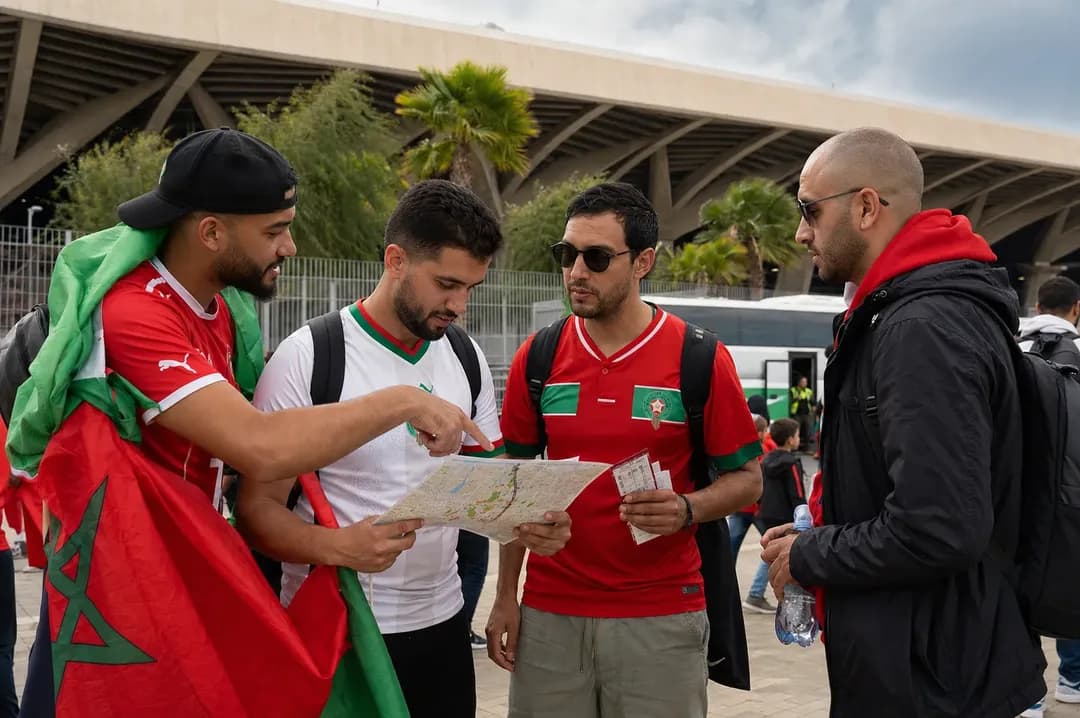
Early momentum: France needed control before comfort
Without verified minute-by-minute details, the first phase of France Morocco should be understood through the logic of knockout football. France’s priority would have been to prevent the game from becoming emotionally open too early, while Morocco’s path depended on staying connected and forcing France to solve problems under pressure. The confirmed 2-0 result tells us France eventually did solve enough of those problems, but it does not allow anyone to claim exactly when the tone changed or which player made the decisive early action.
That distinction matters for readers tracking a timeline. A reliable timeline can say France established the conditions for a win and Morocco had to chase the match after France moved ahead. It cannot state the precise opening goal minute, the scorer, the assist, the buildup pattern or the defensive mistake unless those details are checked against official sources. The first momentum swing, therefore, is best described as structural: once France had the lead, the match moved from an even knockout contest into a test of Morocco’s patience, risk appetite and attacking response.
Morocco’s resistance kept the tie alive
A 2-0 final can look straightforward after the whistle, but quarterfinals are rarely felt that way in real time. Morocco’s role in this match should not be reduced to the losing score. At 1-0, a knockout match remains fragile for the leading side and full of possibility for the chasing side. The verified facts do not identify Morocco’s best chances, attacking patterns or periods of pressure, so any claim about a specific near miss, save, crossbar, substitution effect or tactical change would need official confirmation.
What can be said safely is that Morocco’s resistance shaped the middle of the match. France did not win by a single goal, but the second goal was the separation point that changed the emotional math of the quarterfinal. Until that margin existed, Morocco had a route back through one moment, one sequence or one mistake. For fans in Miami cafés, Dallas watch parties, Atlanta soccer bars and Kansas City living rooms, that middle spell is often where the tension of a 2-0 match truly lives, even when the final score later looks controlled.
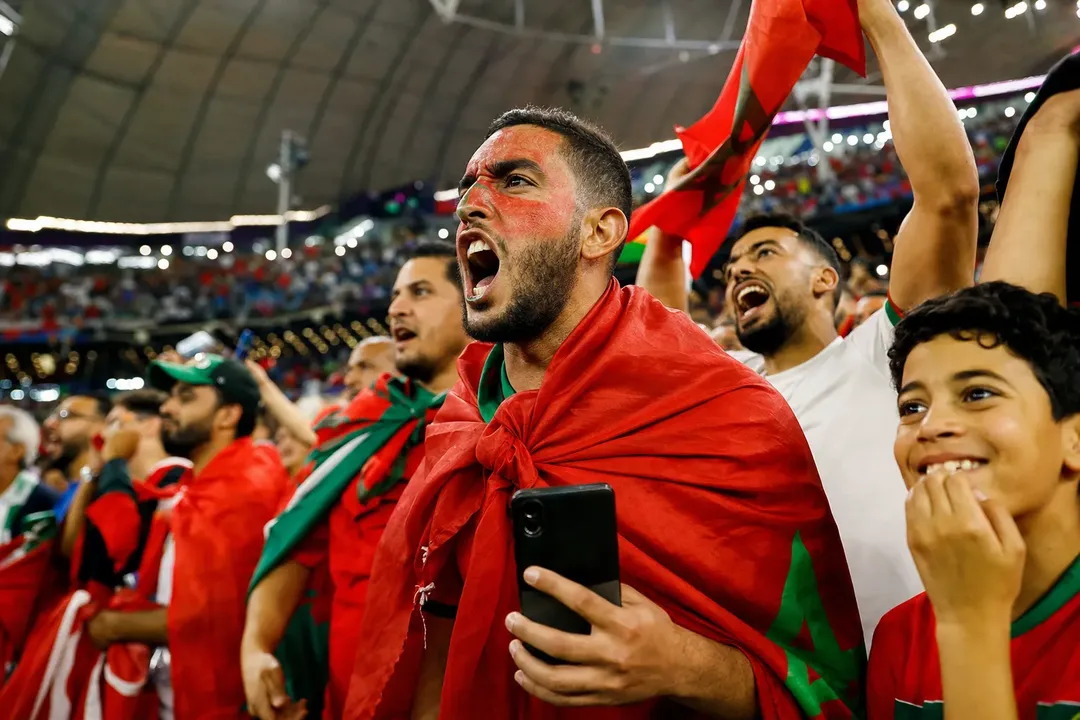
The second goal changed the risk calculation
The safest timeline marker is that France scored twice and Morocco did not score. The second French goal is the major momentum swing because it transformed the contest from a one-goal chase into a two-goal climb. Without verified timing, it should not be described as early, late, stoppage-time, first-half or second-half unless confirmed by the official record. What is clear is its competitive effect: it gave France a cushion and forced Morocco into a more difficult attacking equation.
In knockout football, a second goal does more than change the scoreboard. It changes the leading team’s choices, the trailing team’s urgency and the crowd’s understanding of what is possible. France could protect a margin rather than merely defend a narrow edge, while Morocco needed multiple successful moments without conceding again. That is the central momentum swing of the match. The details around who finished it, how the chance developed, whether substitutions influenced it, and what tactical adjustment preceded it remain details that must be verified through FIFA’s match center or other official tournament reporting.
How this result fits the quarterfinal momentum map
France’s 2-0 win belongs in a quarterfinal set that produced four confirmed winners: France, Spain, England and Argentina. Spain’s 2-1 win over Belgium suggests another tight knockout result, while England’s 2-1 win over Norway after extra time and Argentina’s 3-1 win over Switzerland after extra time underline how thin the line was in other ties. France avoided the extra-time label in the confirmed result set, which matters for the broad narrative, but it does not automatically prove they had an easier night without verified match context.
The momentum map now has two themes. First, elite teams survived pressure in different ways: by creating separation, by holding narrow leads, or by enduring extra time. Second, the quarterfinal round rewarded game management as much as attacking flash. France’s margin over Morocco gives them a strong headline, but official confirmation is still needed for deeper claims about workload, player form, tactical dominance or late fatigue. Fans should separate the verified scoreboard from the tempting but unverified layers that often circulate quickly after major knockout matches.
What still needs official verification before the next debate
Anyone building a full match timeline should verify the scorers, exact goal minutes, assists, substitutions, cards, VAR reviews, lineups and statistics through official FIFA World Cup 26 schedule, results and tournament pages. The confirmed result is enough to say France advanced with a 2-0 win and Morocco were eliminated from this quarterfinal. It is not enough to assign credit for goals, identify a turning-point card, describe a controversial review or name a player as the statistical leader. Those details may exist, but they are not part of the verified facts provided here.
The next layer of analysis should be framed carefully. France can be described as advancing with authority because of the two-goal margin and clean scoreboard. Morocco can be described as a quarterfinalist whose campaign ended against a team that found the necessary goals. Predictions about France’s next challenge, Morocco’s future or the tournament favorite are analysis, not certainty. The best reading of France Morocco 2-0 is disciplined: France took the result, the second goal supplied the decisive cushion, and the complete timeline belongs to the official record once every detail is confirmed.
Tags: #WorldCup2026
Sources consulted: FIFA World Cup 26 schedule and results · FIFA World Cup 26 tournament hub
All trademarks are the property of their respective owners.
Ask Karpo First
Ask Karpo to build your next World Cup plan in Dallas, Atlanta, Miami or Kansas City, from viewing spots and food stops to a personalized route for your group.
Ask Karpo for more information.
Keep reading
- Haaland Has Seven Goals and Norway Runs Entirely Through Him
 World Cup Trophy Ceremony Timing Medals and Postmatch Celebrations
 Olise and France's Attack: The Semifinal Tactical Question