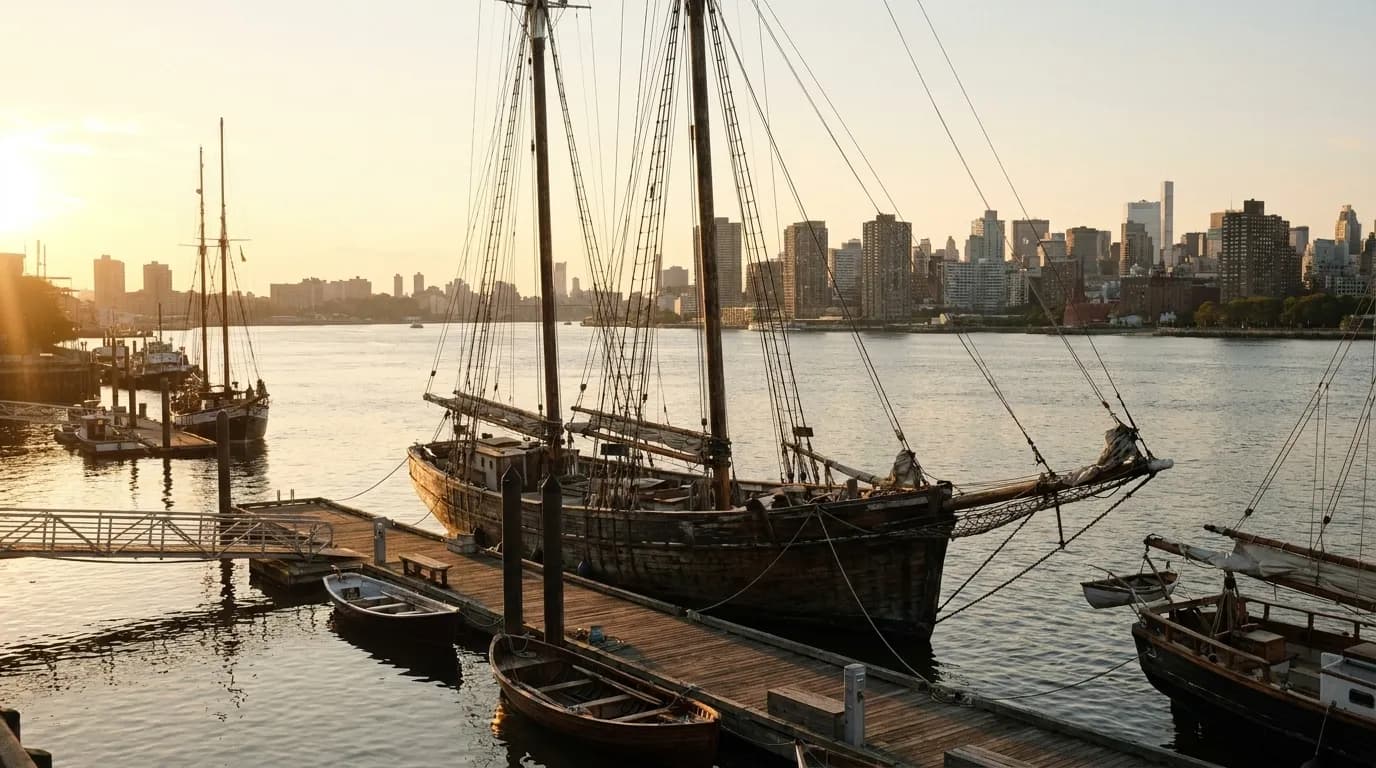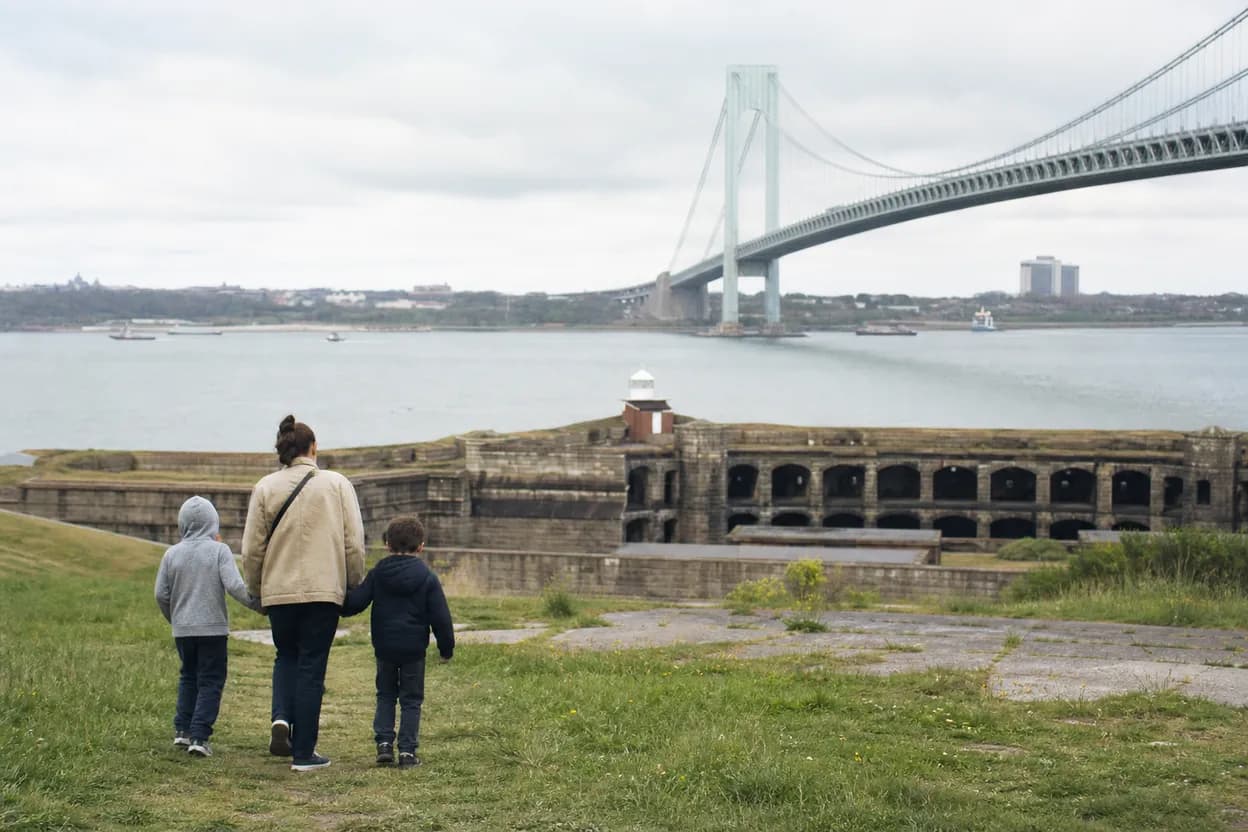
Fort Wadsworth is the kind of New York outing that rewards a little planning. The Staten Island site sits inside Gateway National Recreation Area, with an official overlook, harbor views, walking routes, bike racks, visitor facilities, and a layered military history tied to the Narrows. For July heat, the appeal is simple: go late morning, use the breeze, keep the walk focused, and leave before the afternoon turns punishing. The tradeoff is real, though. Transit can be slower than a ferry-loop photo stop, food options nearby are limited, and not every historic interior should be assumed open without checking current National Park Service details.
Want a tighter NYC plan before leaving home? Text Karpo with your group, timing, mobility limits, and heat tolerance, and get a route decision instead of another generic recommendation.
Start With The Overlook, Not The Whole Fort
Treat Fort Wadsworth as an overlook-first plan, then decide how much extra walking the group can handle. The National Park Service identifies the overlook as a visitor feature and lists auto parking, picnic tables, and trash receptacles there. That makes it a practical anchor for a low-energy group: arrive, get the harbor view, pause in the wind, then choose whether to continue toward paths, exterior historic views, or a shorter exit.
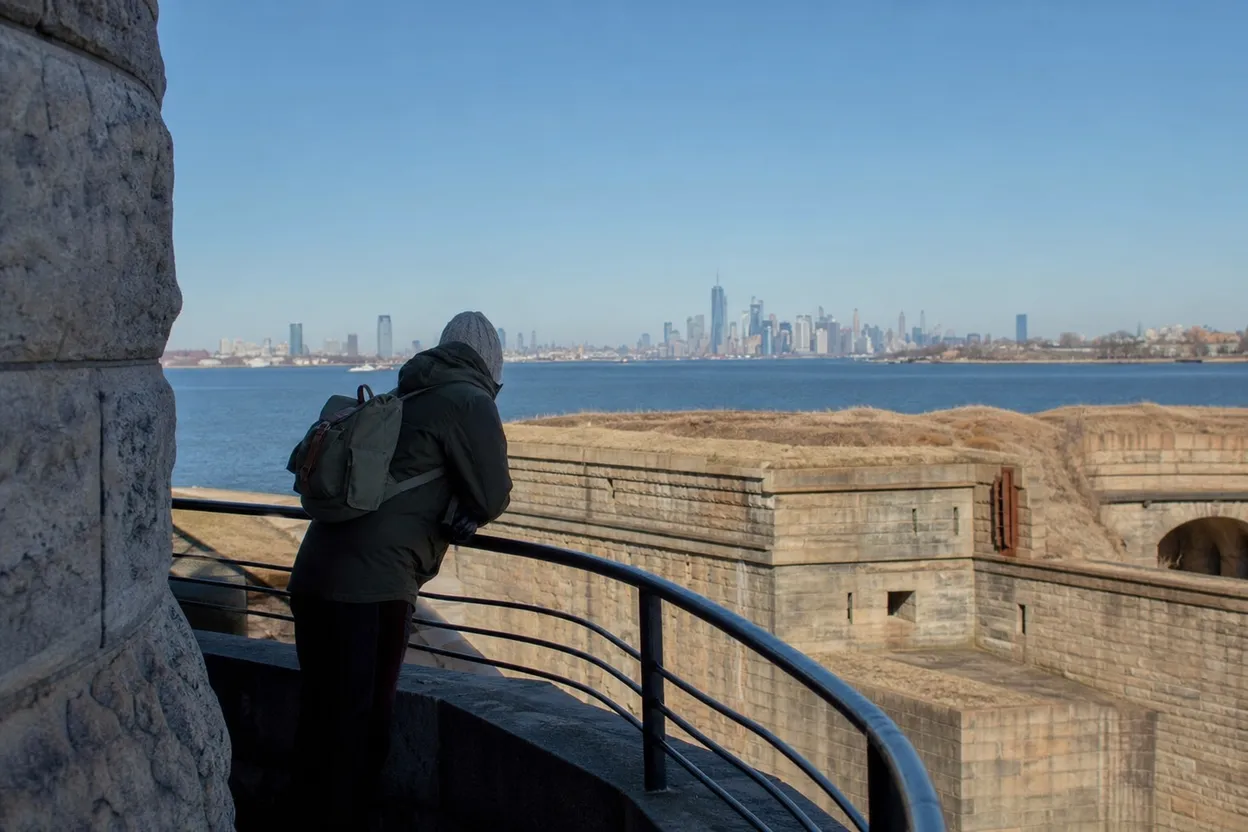
The view is the reason to go. Fort Wadsworth sits on Staten Island's northeastern shore, where the Narrows, bridge traffic, harbor movement, and skyline-scale geography make the city feel wider than usual. It suits a visiting parent who dislikes crowds because the payoff is visual without requiring a beach setup, ticketed attraction, or packed promenade. The risk is overextending the stop into a full historical tour when the weather is already doing the deciding.
The Heat Window Favors Late Morning
The locked weather frame for this draft is a hot, sunny afternoon with breeze, so the better move is late morning into early afternoon, not a lingering midday loop. Open, paved, and waterside areas can still feel exposed even when wind helps. Bring water, sunglasses, and a realistic turnaround point. Shade should be treated as a bonus, not the foundation of the plan, because the experience depends on moving through an outdoor historic landscape.
The National Park Service source lists Fort Wadsworth daily operating hours as 6 a.m. to 9 p.m. and the visitor center as Friday through Monday, 10 a.m. to 4 p.m., but those are details to verify before departure. Weather, staffing, maintenance, and seasonal changes can affect what feels available. For this outing, the safest planning assumption is simple: use the morning for the overlook and exterior walk, then leave room to cut short without disappointment.
Transit Requires A Front-Sign Check
Public transit is workable, but it is not frictionless. The National Park Service guidance says riders can take the S51 from the Staten Island Ferry Terminal to the Bay Street park entrance, with an important caution: only some buses enter the fort, so riders should check the front sign. That detail matters for older visitors, heat-sensitive walkers, and anyone trying to avoid an unplanned uphill approach after already crossing the harbor.
Build extra time into the route because this is not a quick subway-to-door attraction. The Staten Island Ferry connection can be pleasant, but the bus leg and final walking choices shape the day. If the group is restless but low-energy, decide in advance whether the ferry ride is part of the outing or merely transportation. If the S51 timing looks awkward, postponing may be better than turning a breezy overlook plan into a transit endurance test.
Walking Is Moderate, With Real Edges
The site supports walking, running, and biking, according to NPS, but moderate does not mean effortless. Fort Wadsworth is a historic defensive landscape, not a flat indoor museum. Expect grade changes, exposed stretches, transitions between paved areas and park paths, and moments where the most interesting view is a little farther than planned. For a mixed-age group, keep the first goal modest: reach the overlook, sit if needed, and reassess from there.
Accessibility planning should be specific, not hopeful. The overlook page notes auto parking and picnic tables, which can help visitors who need shorter walking segments, but that does not guarantee every nearby path, viewpoint, or historic feature is accessible for every mobility need. Before going, check the current NPS accessibility and facilities information, especially if stairs, steep grades, heat exposure, or restroom availability could determine whether the trip works.
History Adds Value, But Do Not Overpromise Access
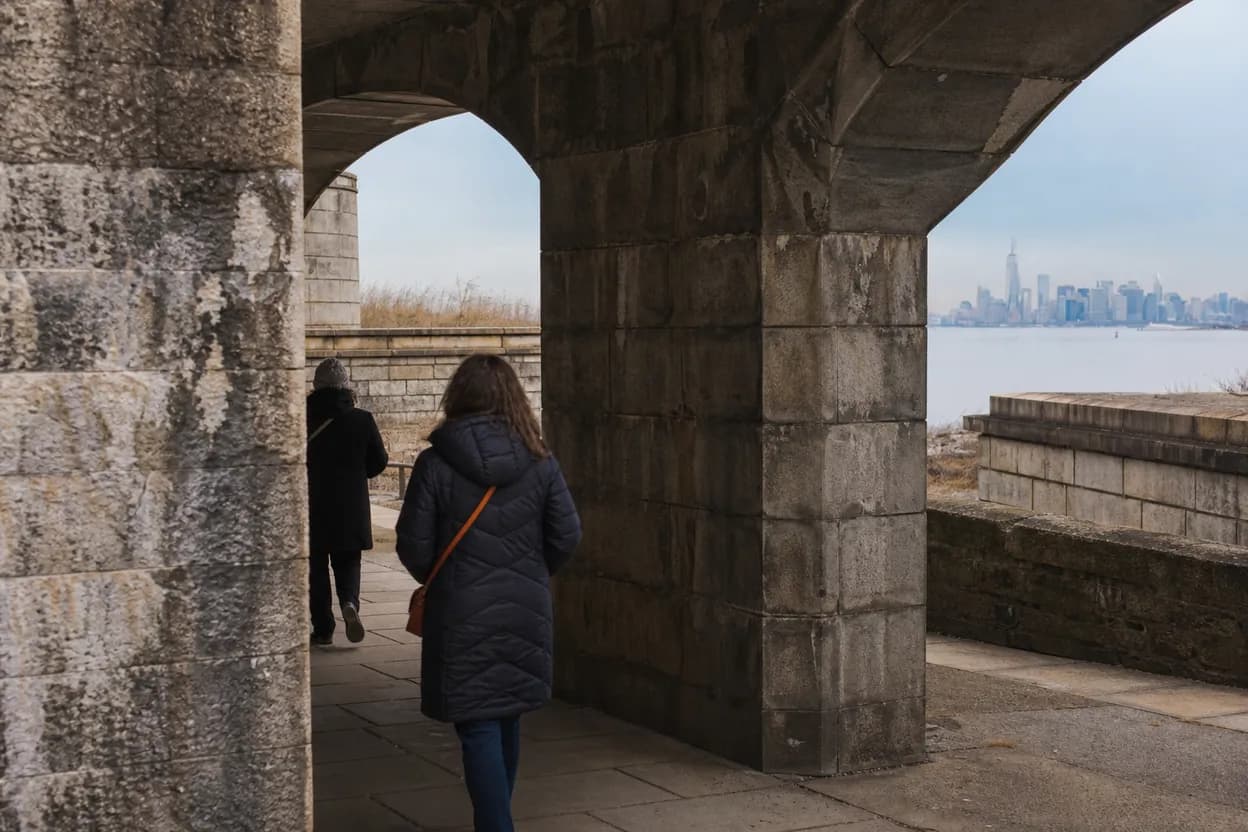
Fort Wadsworth carries serious historical weight. The NPS describes it as a strategic harbor viewpoint with a long military history and provides context for the Narrows, Fort Tompkins, and Battery Weed. That background is useful because it turns the view into more than a bridge photo. Still, the article-worthy plan is the public overlook and exterior landscape, not a promise that every historic structure will be open, staffed, or available on demand.
Use the history as pacing, not homework. Point out the defensive position, the harbor approach, and the way the Verrazzano-Narrows Bridge now dominates a channel once defined by military control. Then stop. A visiting parent who dislikes crowds may enjoy the scale and quiet more than a dense interpretive program. If someone wants deeper history, check current visitor center hours or scheduled programs before committing the group to an educational detour.
Food And Backup Plans Need Discipline
The weak spot is not the view; it is the surrounding logistics. The source material does not confirm dependable nearby food options inside the plan, so do not build lunch around an assumption. Eat before arriving, pack simple snacks where allowed, or choose a post-walk stop only after checking current maps and hours. On a hot day, hunger turns transit delays and extra walking into the kind of failure mode that ruins an otherwise smart outing.
A clean backup plan keeps the day usable. If the bus connection is messy, the heat feels stronger than expected, or the group is not up for grades and wind, downgrade the goal to the ferry ride plus a shorter Staten Island stop, or reschedule Fort Wadsworth for a cooler morning. The right decision is not forcing the overlook; it is preserving energy while still giving visitors a city-scale view they will remember.
What to verify for Fort Wadsworth, Staten Island
Check the current National Park Service Fort Wadsworth page before leaving for operating hours, visitor center hours, alerts, restroom information, parking details, and any access changes. Confirm S51 service with current MTA information, especially whether the bus you plan to board enters the fort or stops at the Bay Street entrance. If anyone in the group has mobility limits, verify accessible routes rather than relying on the general description of walking and visitor facilities.
Bring water, sun protection, and a route ceiling: how far the group will walk before turning back. Confirm whether the day is about the overlook, exterior history, photography, or a longer park visit, because each version has different stamina demands. Fort Wadsworth is strongest as a flexible harbor-view plan. It is weaker when treated as a guaranteed full-service attraction with food, shade, easy transit, and open interiors all assumed.
Tags: #FortWadsworth #StatenIsland #NYCHarbor #VerrazzanoNarrowsBridge #GatewayNRA #NYCWeekend #WeekendPlans #NYCViews #HarborWalk #NYCHistory #NYCTransit #FamilyOuting #AskKarpo #BeforeYouGo
Sources consulted: Source 1: nps.gov · Source 2: nps.gov
All trademarks are the property of their respective owners.
Ask Karpo first
Tell Karpo your date, group size, budget, and starting neighborhood. We’ll check current access, timing, transit, and the cleanest plan for Fort Wadsworth, Staten Island before you head out.