 Salad Near Me in the West Village: Westville's Market-Table Vegetables
Back To School
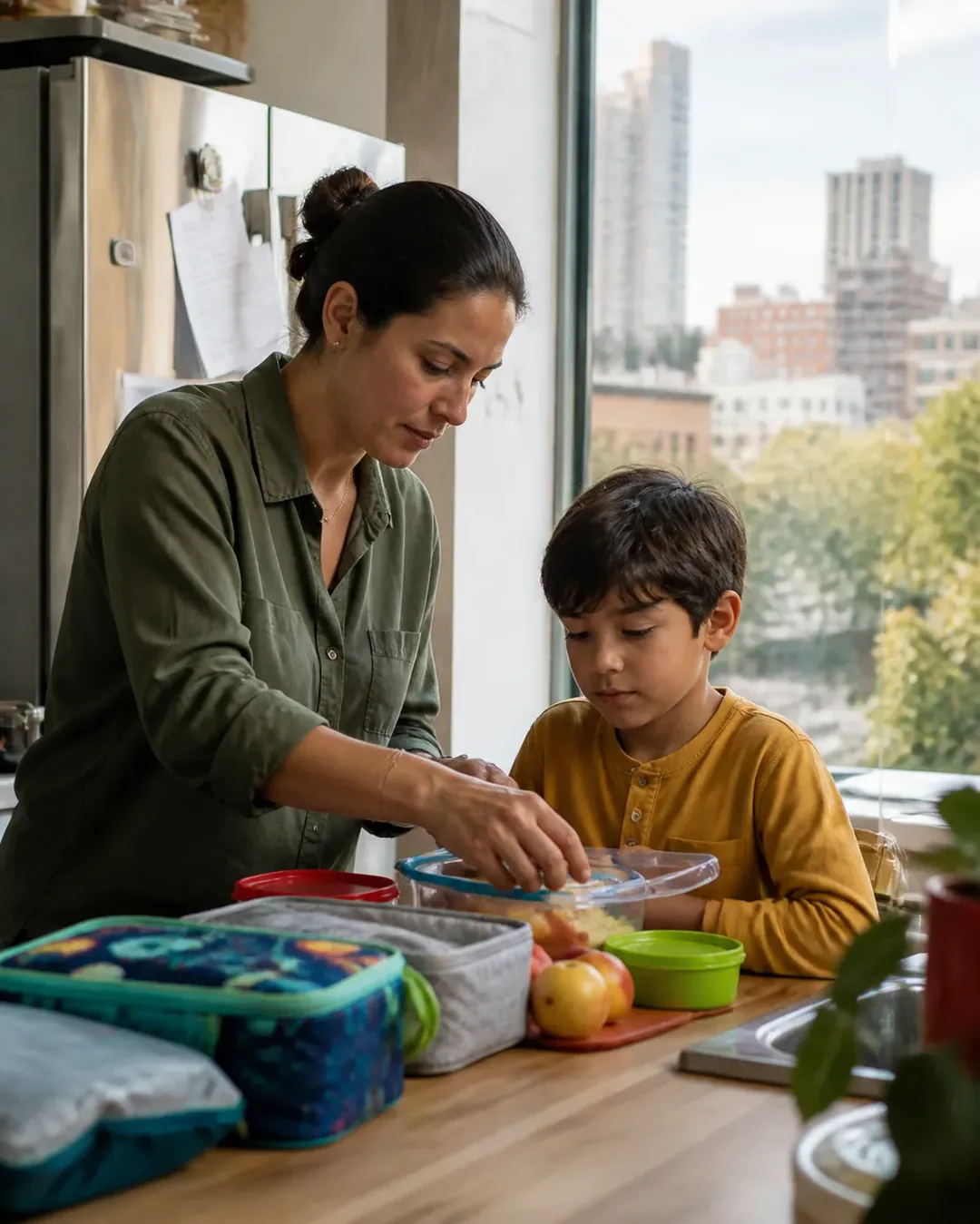
Food Recalls Verification: NYC Parent School Lunch Supply Safety Checklist Before September
A Saturday morning checklist for NYC parents who want a calm, repeatable way to verify packaged school-lunch safety before September bulk buying. Built for a responsible co-parent routine around PS 321 Park Slope, with low-difficulty steps that use official recall lookups, store alerts, and walkable backup sourcing.
Before a September pantry run, food recalls should be treated like a normal school-lunch step, not an emergency search after something looks wrong. For a PS 321 Park Slope family planning on a Saturday morning, the goal is simple: one co-parent checks official recall notices and store alerts, the other confirms what is already in the kitchen, then both agree on safe substitutes before buying semester-sized packs. This does not guarantee any product is risk-free, but it does create a repeatable screen for packaged snacks, shelf-stable drinks, nut-free options, lunchbox sides, and grab-and-go items that can otherwise pile up quickly.
Text Karpo your child's school, your go-to grocery store, and the snacks you usually buy in bulk—we'll send you this week's recall list filtered to your brands, one alternative product aisle map, and a backup health food store that stocks allergen-free options without requiring a membership.
Make the Recall Check a Two-Parent Habit
Start with roles, because shared responsibility lowers the chance that everyone assumes someone else checked. One parent can review current food recalls before the shopping list is final, while the co-parent checks pantry labels, lot numbers, expiration dates, and opened multipacks. Keep the task narrow: packaged lunch items, snacks, drinks, condiments, allergy-sensitive foods, and anything bought in bulk for school days. Fresh restaurant meals and cafeteria menus are a different workflow, so do not mix them into this checklist.
Use a simple decision rule before buying: if a product name, brand, flavor, package size, or lot code appears to match a recall, pause the purchase and choose a substitute. If the match is unclear, do not rely on memory or social posts; set the item aside for manual verification. This approach fits a responsible parent who wants a low-drama routine with a co-parent, because the work is small enough to repeat every Saturday morning through back-to-school season.

Build a Lunch Pantry Audit Before the Store Run
Pull the current lunch supplies onto one counter before adding anything to a cart. Group items by category: bars, crackers, fruit cups, applesauce pouches, shelf-stable milk or juice, spreads, allergy-aware snacks, and individually wrapped treats. For each group, check whether the product is still needed, whether the package is sealed, and whether the label details are easy to read. If a multipack has loose inner packets without the outer box, keep one photo of the full label next time so recall matching is easier.
The tradeoff is speed versus certainty. Buying familiar brands can be efficient, but familiar products are still worth checking because recalls are tied to specific notices, not general reputation. Bulk buying saves time later, yet it increases the amount you may need to replace if a product is affected. For NYC parents with limited kitchen storage, the safer operational choice is often a smaller first buy before September, followed by a second refill after the school rhythm is clear.
Use Official Lists Before Neighborhood Signals
Treat official recall databases as the first stop, then use neighborhood store alerts as a second layer. Store emails, app notices, loyalty-account messages, and posted signs can be useful because they connect notices to where your family actually shops, but they should not be the only source. Search by brand and product type, then compare exact package details. For school lunches, the practical categories to re-check are packaged snacks, ready-to-eat items, shelf-stable beverages, and foods marketed for children or allergy-sensitive classrooms.
When food recalls appear in the news, use the names as search hooks rather than assuming local impact. A national recall, a brand announcement, or a widely shared parent chat message does not automatically prove that a specific NYC store, school, or family pantry is affected. The grounded move is to match the notice against the item in your hand. If the label does not match, keep the item only if your household is comfortable with the remaining uncertainty and any school allergy rules.
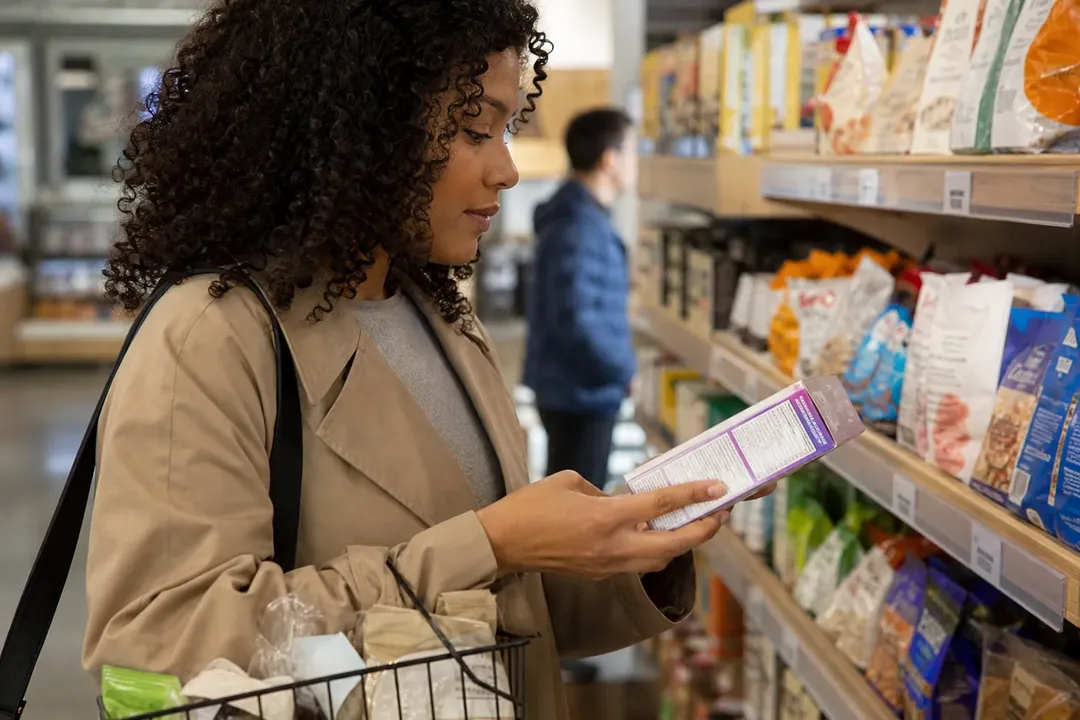
Plan a Walkable Backup Route Around School Errands
Before the semester starts, choose two backup product categories that can be found without turning a school errand into a long trip. Around PS 321 Park Slope, that might mean deciding in advance which types of shelf-stable snacks, fruit sides, or simple lunchbox fillers your child will accept if a preferred item is paused. Do not depend on a specific store having a specific product unless you have confirmed it yourself that day. The useful plan is category-based: one crunchy item, one fruit item, one protein-compatible item, and one emergency lunchbox side.
If transit is part of the Saturday route, check the MTA for schedules, maps, fares and tolls, planned service changes, nearby stations and stops, real-time alerts, and elevator or escalator status before leaving. That matters when one parent is doing the pantry check at home and the other is handling the store run with a child. A route that looks easy on a normal weekday can be less convenient during weekend service changes, so build the shopping loop around confirmed travel information rather than habit.
Set the Replacement Rule Before Stress Hits
Decide what happens when a lunch item fails the recall check. The easiest rule is remove, photograph, separate, and replace. Remove the product from the lunch shelf so it is not packed by mistake. Photograph the label and any lot details for follow-up. Separate it from safe foods. Replace it with a pre-approved alternative that meets your child's preferences and school constraints. This keeps the decision from becoming emotional on a rushed school morning.
The replacement rule should also cover communication between co-parents. A short shared note can list paused products, approved substitutes, and items that need manual confirmation. Avoid vague labels like bad snack or recall thing; use the product name and package details you can see. If a recall match is uncertain after two careful checks, mark it for manual verification instead of forcing a quick answer. The point is not to make the household anxious. It is to make the safe action the easiest action.
Tags: #NYC #BacktoSchool #PS321ParkSlope #schoollunch #parentchecklist #foodsafety
Sources consulted: Source 1: nycgovparks.org · Source 2: new.mta.info · Source 3: nypl.org · Source 4: a816-health.nyc.gov
All trademarks are the property of their respective owners.
Ask Karpo first
Ask Karpo to turn this NYC idea into a current plan for your date, budget, companion, transit preference, and energy level. Karpo can narrow the route and flag what to verify before you go.
Ask Karpo for more information.
Keep reading
- Salad Near Me in the West Village: Westville's Market-Table Vegetables
 Lunch Near Me in the Flatiron: S&P Runs a Classic Luncheonette Counter
 Coffee Near Me in the East Village: Abraço Is Standing-Room Only