There is a shift change in Los Angeles that nobody plans around and everybody benefits from. Restaurant kitchens close between nine and eleven. The people who worked those kitchens — and a large number of people who did not — then set up trucks, trailers and folding-table griddles on corners across the county and cook until two or three in the morning. The result is that the single best window for food in this city starts roughly when the search results tell you everything is closed.
Trucks move, sell out and take the night off without telling anyone, so the only useful information is current. Ask Karpo which stands are set up near you right now, how late they run, and what is worth ordering at the one you end up at.
Why the timing works this way
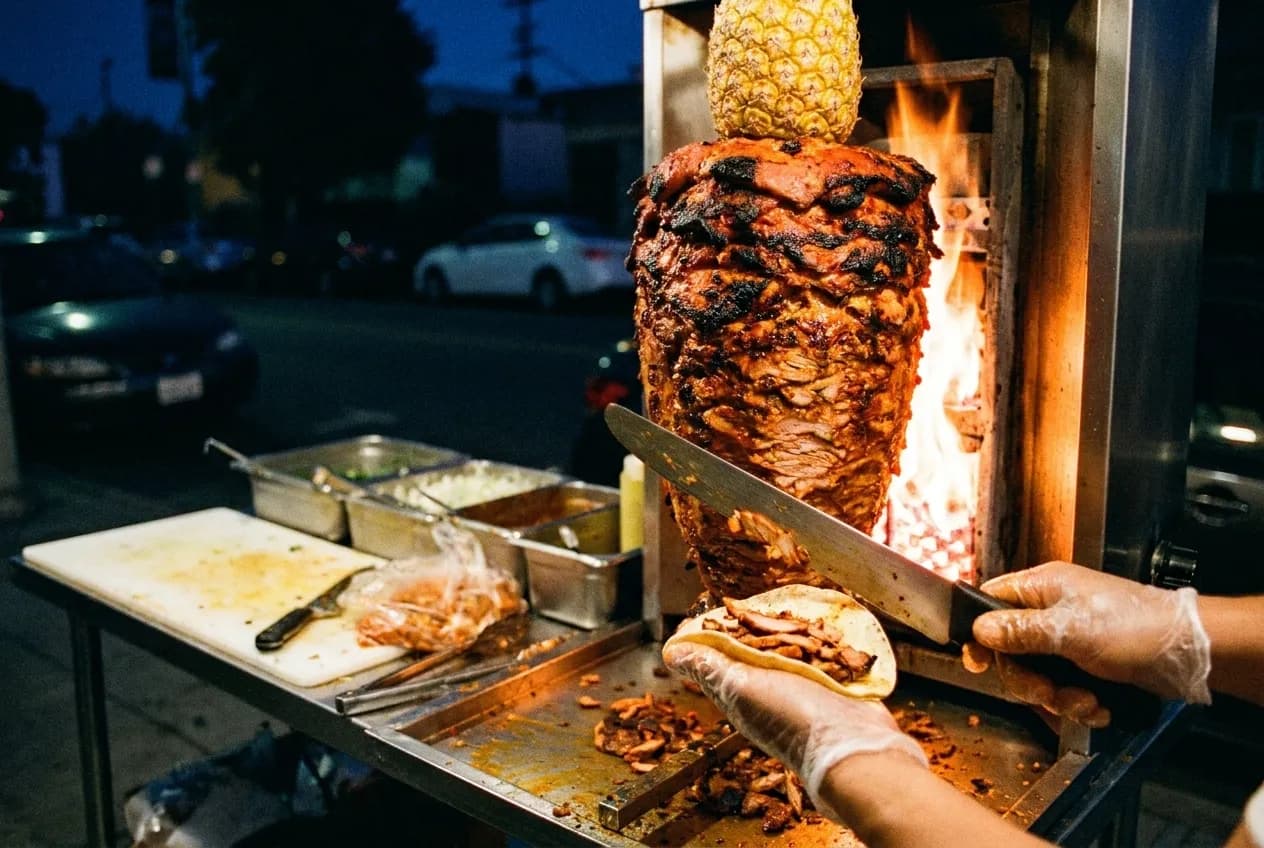
Several things line up. Street vending in Los Angeles is legal and permitted, which took years of organising to achieve, and the economics favour the late window: lower competition, a crowd leaving bars, and a customer base of people finishing shifts. Many operators cook a restaurant service first and their own food afterwards. Others run day jobs entirely unrelated to food. The trompo — the vertical spit for al pastor — takes hours to build and is best late in the night when it has been turning long enough, which is a genuine culinary reason to eat tacos at midnight rather than an excuse.
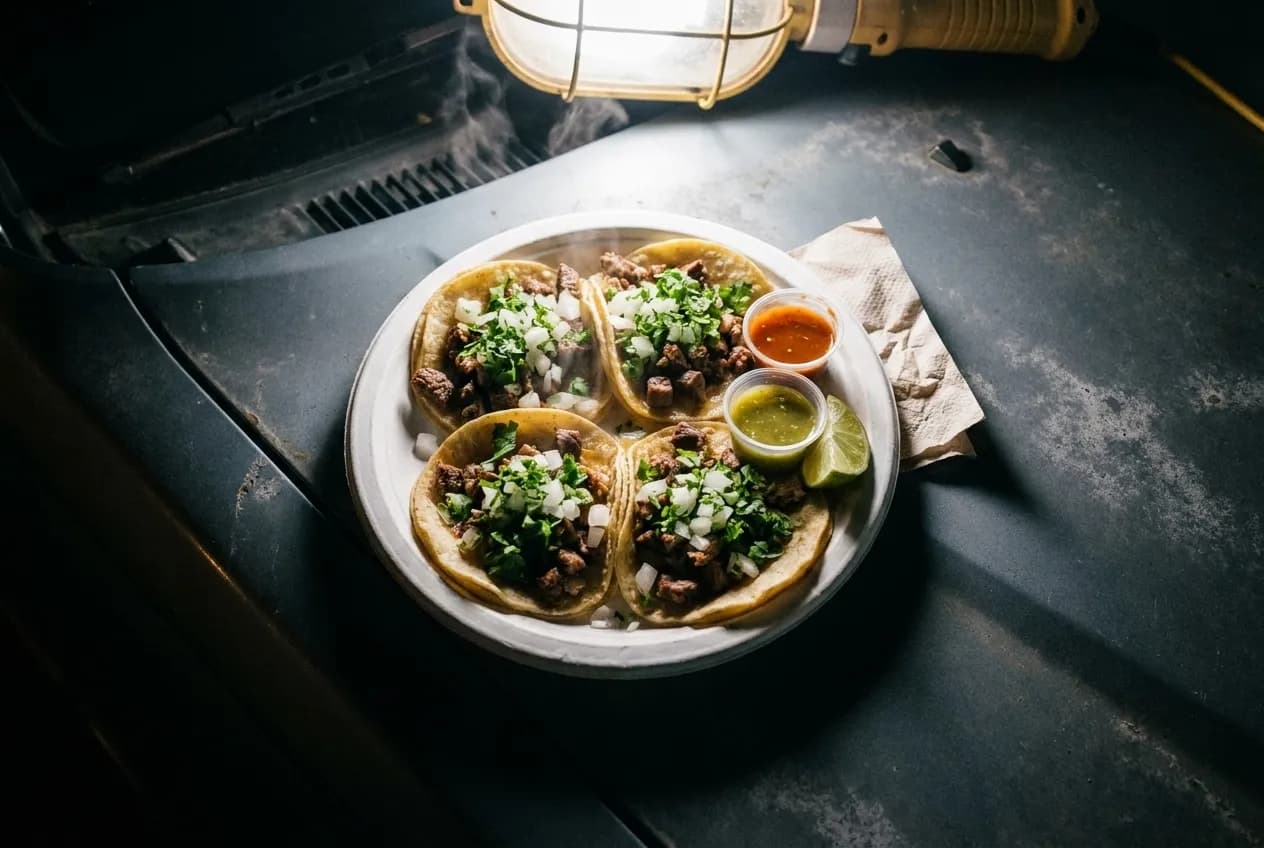
How to read a stand in ten seconds
Look for a trompo rather than a pan if you want al pastor; pastor cooked on a flat-top is a different and lesser thing. Look at who is queueing — rideshare drivers, kitchen workers and families are the strongest signal in the city. Look for a comal with tortillas being heated rather than tortillas coming out of a bag. Check whether the salsas are made on the truck: three or four in squeeze bottles or plastic tubs, with a visible difference between them, is a good sign. And look for the county health grade placard, which trucks and carts are required to display just as restaurants are.
One more: a short menu. A truck doing four meats well is almost always better than one offering fifteen items plus burgers.
It is worth saying plainly that this is a workforce, not a novelty. Street vendors in Los Angeles fought for years for the legal right to trade, and the people running these operations are small business owners working a second or third shift. Tip accordingly, be patient when the queue is long, and do not haggle — the margins are thinner than the prices make them look.
What to order where
Al pastor is the marker of a good trompo operation and should come with a slice of pineapple carved off the top. Suadero — the thin cut simmered in fat — is the deep-cut order that separates the serious stands. Birria has spread from a regional Jalisco dish to a citywide standard, and the quesabirria with a cup of consommé for dipping is what most trucks now build their late trade on. Mulitas are the two-tortilla version with cheese, and they are the right order if you are only having one thing.
Boyle Heights, East Los Angeles, Lincoln Heights, Koreatown, Highland Park, South Los Angeles and the east San Fernando Valley all have their own late corridors, and the trucks with the best reputations — the birria specialists, the carnitas operations cooking in copper, the pastor stands with a following — tend to be neighborhood institutions rather than citywide names.
The trucks are also not the only late tier. Twenty-four-hour Chinese, Korean and Salvadoran kitchens run through the night in Chinatown, Koreatown and the Pico-Union area, and the doughnut counters are open before the trucks have packed up — which means there is no hour of the night in Los Angeles when good food is genuinely unavailable, only hours when you have to know where to look.
The one thing that changes week to week
Locations move. A stand that was on a corner for two years can be gone the following month because of a lease, a complaint, an enforcement action or a better spot. The large night-market clusters that spring up periodically have historically been shut down when they get big enough to draw attention. So the only reliable approach is to check on the night, rather than driving forty minutes on the strength of a two-year-old blog post.
What else is open and free at that hour
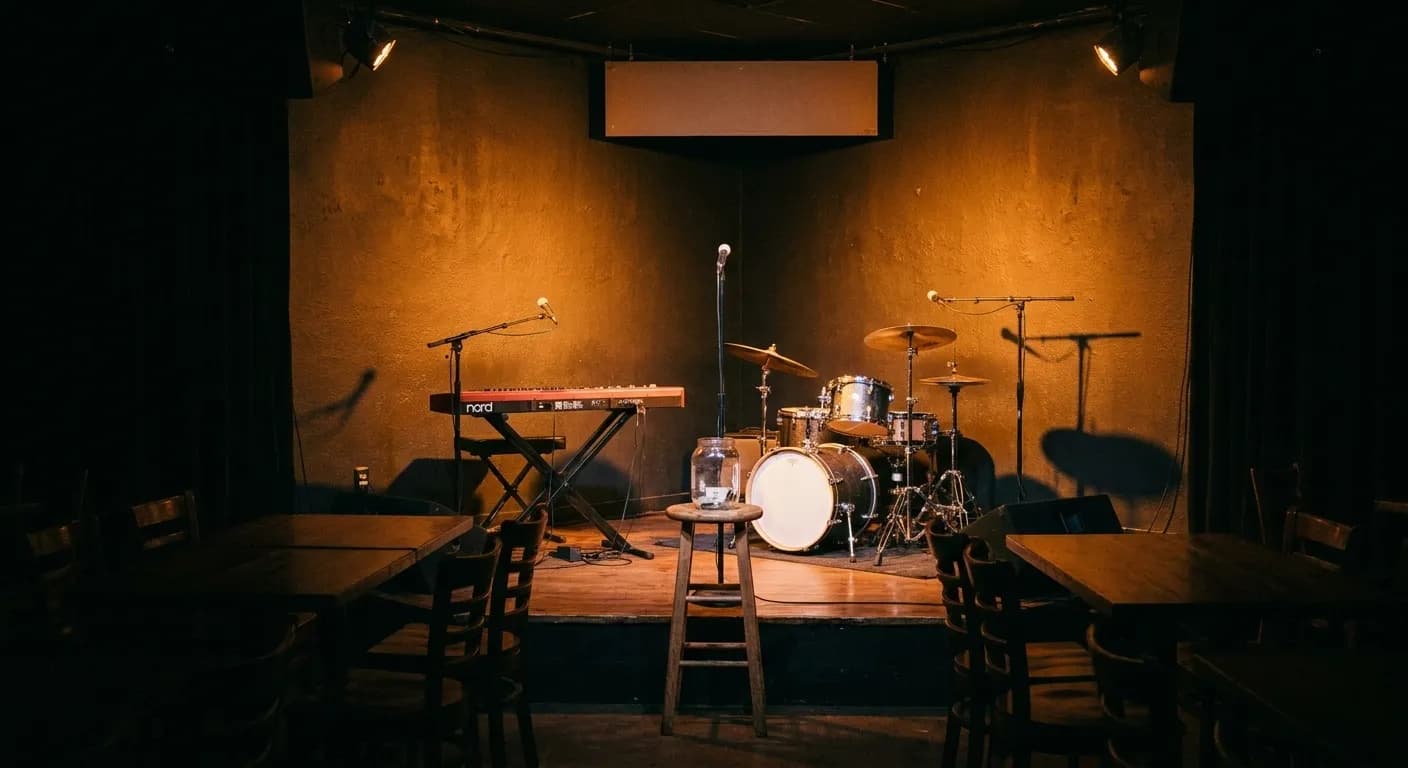
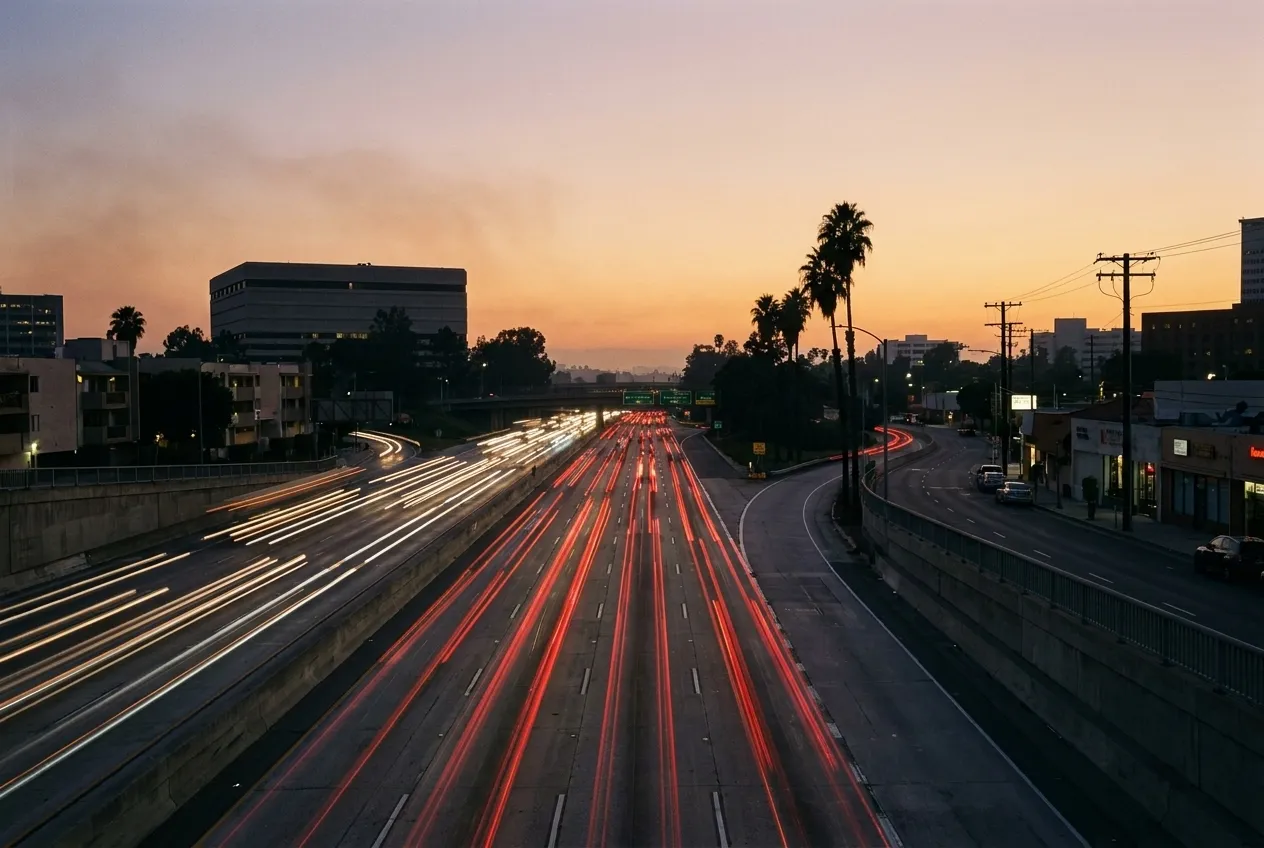
Late food pairs naturally with the free half of a Los Angeles night. The downtown streets around Grand Park and Broadway are lit and walkable after dark. Griffith Observatory's lawn keeps its own hours but the roads below it stay open late for the view. The beach parking lots at Dockweiler and Playa del Rey run late enough for the planes and the surf. None of it costs anything, and a taco corridor plus a viewpoint is the cheapest genuinely good night out this city offers.
Practical notes
Cash is still the default at many stands and the ATM inside the liquor store next door will charge you for the privilege; bring small bills. Expect to eat standing at a folding table or on your car. Salsas are hotter than they look and there is rarely a mild option — try a drop first. Check the health placard, which is required and usually displayed at the window. Order in whatever Spanish you have, and if you have none, pointing works and nobody minds. And do not drive to a specific stand without checking that it is out tonight.
Tags: #LosAngeles #FoodOpenNearMe #TacosLA #LateNightLA #AlPastor #Birria #StreetFoodLA #BoyleHeights #EastLA #SFV #TacoTrucks #CheapEatsLA #FreeThingsToDo #NightOut #EatLocal
All trademarks are the property of their respective owners.
Ask Karpo first
Want to know which stands are actually set up near you right now, how late they run, and what the queue looks like? Ask Karpo for tonight's locations, the drive and what to order when you get to the window.