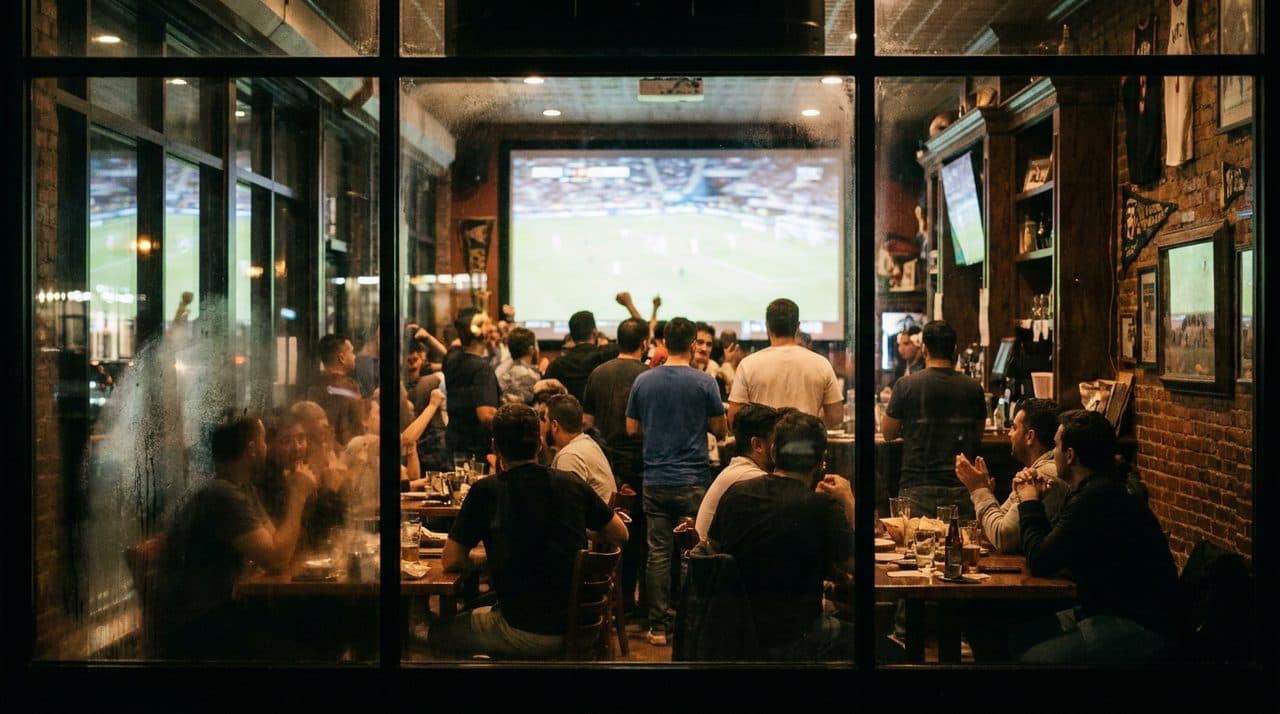
The big screen sits in the front window like a beacon, visible from the corner where Northern Boulevard meets the heart of Flushing's Korean commercial strip. By the time the referee blows the whistle, every seat inside is taken, every standing spot along the bar claimed by regulars who know to arrive when the pre-match analysis starts, not when the anthem plays. This is what a World Cup match looks like when it lands in a neighborhood where half the room has family in Seoul and the other half grew up watching games in both languages.
The Window That Draws the Crowd
The café occupies a second-floor space above a string of cosmetics shops and bakeries, but the screen placement makes it impossible to miss. Whoever designed the layout understood that visibility from the street matters as much as what happens inside. The glow pulls people up the narrow staircase, past posters for past tournaments and framed jerseys that predate the current roster by a decade. First-timers often pause at the landing, surprised by how much larger the room opens up once the door swings wide—long communal tables running parallel to the bar, smaller two-tops pressed against the far wall, every angle calculated so no seat loses sight of the screen. The sound system carries the commentators in Korean, with English broadcasts available through a QR code for anyone who prefers the other feed through their own earbuds, a setup that keeps both crowds happy without splitting the room's energy.
The Arrival Calculus
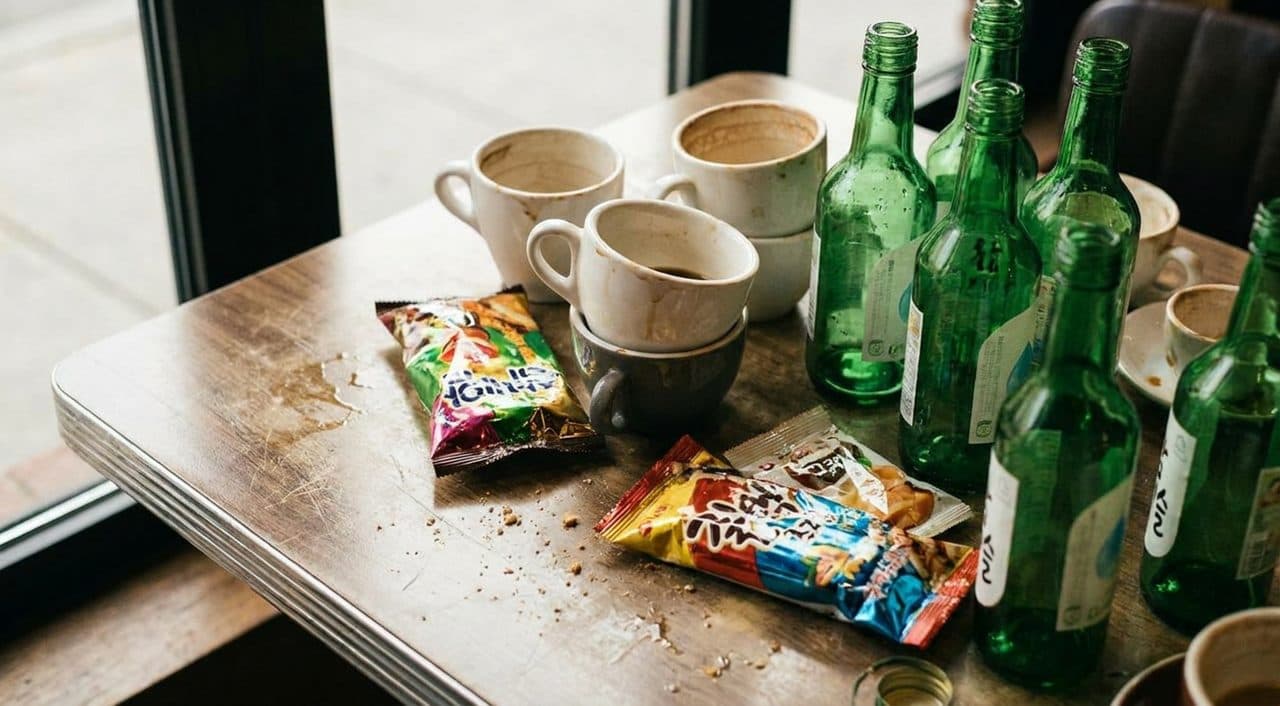
An hour before kickoff is the cutoff for walk-ins with any hope of a table. The regulars know this. They arrive during the pre-match studio segments, order their first round, and settle in while the room is still half-empty and the staff can still move freely between tables. By thirty minutes out, the staircase clogs with groups trying to negotiate standing room. By fifteen minutes, the bartender stops promising anything except a spot near the back if someone leaves early. The crowd skews younger than the old-guard Korean restaurants a few blocks over—late twenties, early thirties, a mix of transplants who grew up in Flushing and newcomers who found the place through a cousin or a coworker. The jerseys in the room tell the story: plenty of red Korean national team kits, but also club scarves from the Premier League, La Liga, Bundesliga. This is a soccer café first, a Korean-American space second, and the overlap is the entire point.
What the Menu Knows
The kitchen runs a hybrid menu that makes sense only in this context. Korean fried chicken comes in five heat levels, served in steel baskets with pickled radish and enough napkins for a table of four. The fries arrive dusted with gochugaru and a garlicky mayo that tastes like someone's grandmother's recipe got a fast-casual upgrade. But there are also loaded nachos, buffalo wings, sliders—the American sports bar canon, executed competently enough that no one complains. The drinks list leans beer-heavy: Korean lagers, a rotating selection of local craft IPAs, and a few macrobrews for the purists. Soju cocktails show up in fishbowl-sized glasses meant for sharing, though solo drinkers sometimes order them anyway and nurse them through both halves. The real insider move is the kimchi quesadilla, listed only on a chalkboard behind the bar, a off-menu hybrid that the kitchen preps in limited quantities and runs out of by halftime during high-stakes matches.
The Rhythm of the Room
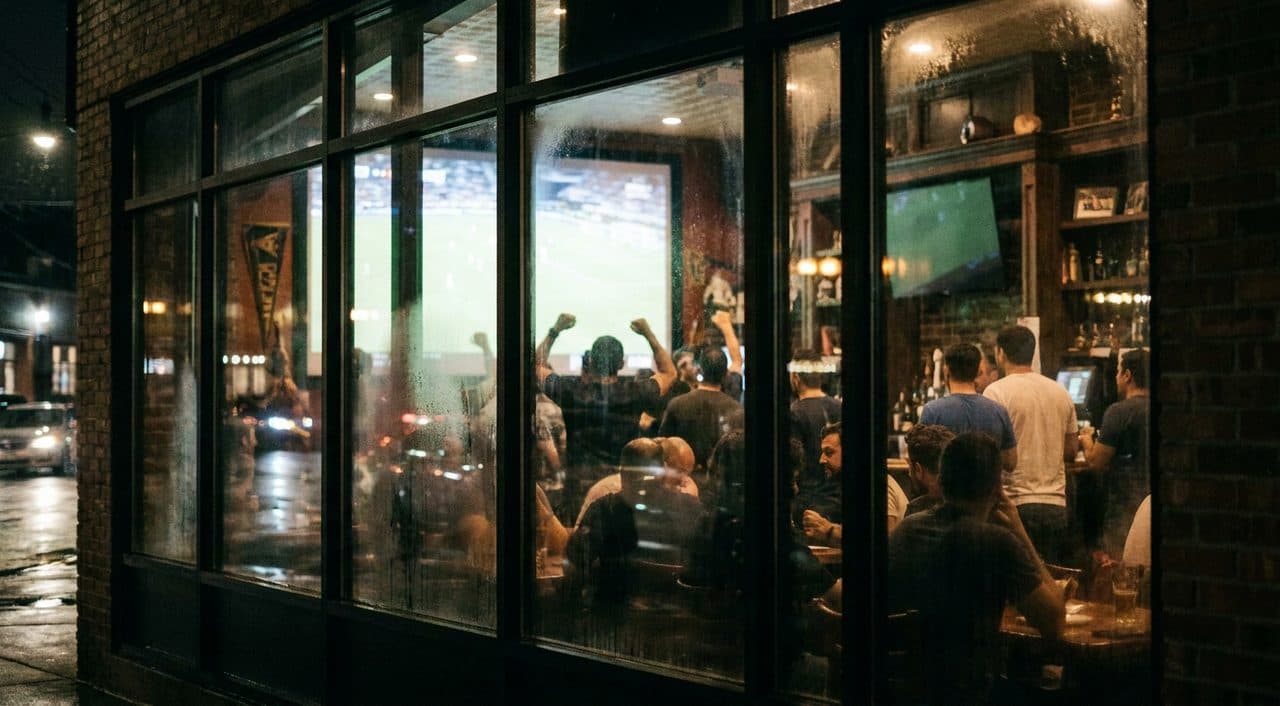
The energy shifts in waves that anyone who watches soccer recognizes. Quiet, focused tension during buildup play. Explosive eruptions when a shot skims the post or a goal goes in, the kind of noise that makes the floor shake and sends the staff scrambling to steady glasses on tables. Then the slow deflation or celebration, depending on which side of the result the room falls. During a Korea match, the place is monolithic—everyone rises and falls together, strangers high-fiving across tables, the bartender abandoning his post to watch a penalty kick. During a neutral match, the room fractures into micro-allegiances: a corner pulling for Brazil, a table near the window backing Argentina, a lone voice at the bar defending a European underdog. The staff navigates this carefully, never taking sides, keeping the refills coming, letting the crowd police itself. It works because everyone in the room understands the unspoken contract: this is a shared space for a few hours, and the game is bigger than any one table's agenda.
The Halftime Scramble
Fifteen minutes is not enough time to do everything that needs doing. The line for the single-stall bathroom snakes past the bar. The kitchen pushes out a backlog of orders placed just before the whistle. The staff clears empty bottles and resets tables while taking new orders from people who just walked in, hoping to claim a seat someone else is about to vacate. The regulars use this window to smoke outside, clustering on the sidewalk below the window where the screen still glows, unwilling to stray too far in case the second half starts early. The noise level never fully drops—conversations about the first half, debates about substitutions, someone rewatching a highlight on their phone and drawing a small crowd. By the time the players return to the pitch, the room has reorganized itself, a few new faces in the back, a few early leavers gone, but the core crowd locked in for the duration.
The Aftermath Window
The final whistle doesn't empty the room. Twenty minutes, sometimes thirty, the crowd lingers—processing the result, watching post-match interviews, waiting for the adrenaline to settle before stepping back into the ordinary evening outside. This is when the staff finally exhales, when the kitchen closes down the fryers, when the bartender starts wiping down surfaces in earnest. Some tables order another round, stretching the night a little further. Others settle their tabs and drift toward the stairs, already talking about the next match, the next gathering. The screen switches to a highlights reel, then to a neutral channel, then goes dark. By the time the last group leaves, the room looks like any other café in Flushing—tables and chairs, a bar, a dark screen in the window. But the energy lingers, and anyone walking past can still feel it.
Practical Notes
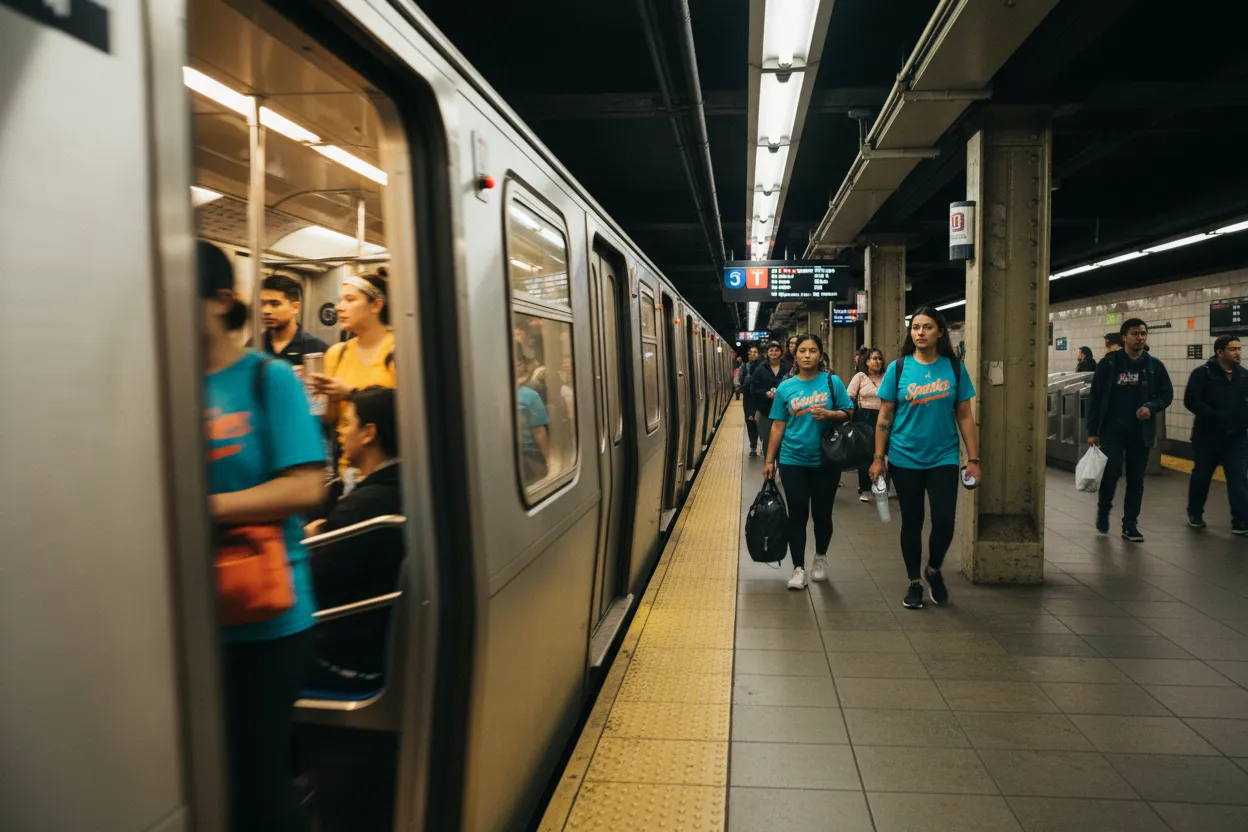
The café sits above street level in central Flushing, a short walk from the Main Street subway station on the 7 line. Hours expand during major tournaments, with doors opening several hours before kickoff for marquee matches and staying open late depending on time zones. Walk-ins are the norm, but arriving early is non-negotiable for seating during high-profile games—an hour ahead is the safe window. The space is cash-friendly but accepts cards. No reservations, no table holds. The crowd is all-ages until evening, when the energy skews older and the drink orders pick up. Parking in the neighborhood is a negotiation; most regulars take the train.
Tags: #KoreanAmericanCafe #FlushingNYC #SoccerCulture #WorldCupViewing #QueensEats #SportsBarScene #KoreanFriedChicken #FIFACulture #FlushingFood #DiasporaCommunity #NYCSoccer #KoreanTownQueens #NeighborhoodGathering #MatchDayRituals #CommunalViewing
Sources consulted: timeout.com · secretnyc.co · thrillist.com
Please drink responsibly. Must be of legal drinking age.
All trademarks are the property of their respective owners.
Ask Karpo first
Want to know which Flushing cafés show the matches and how early to arrive?
Ask Karpo for the sports café list and seating strategy before you head out.