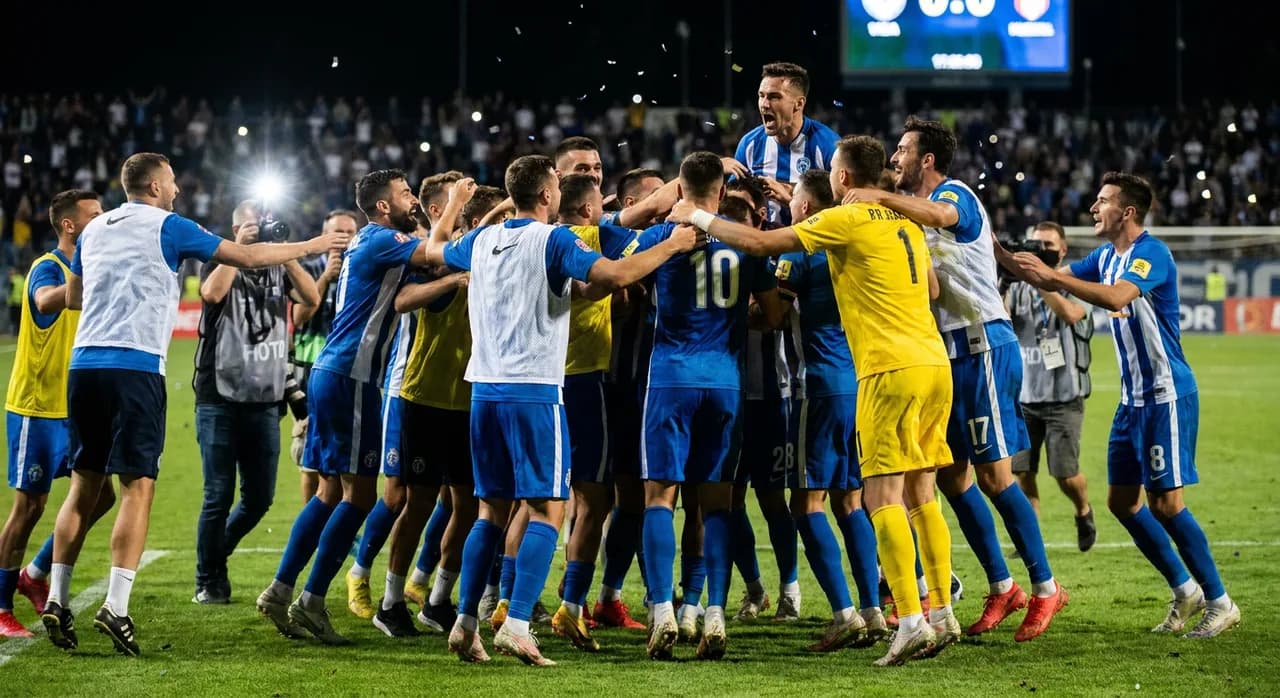
The roar echoing through MetLife Stadium wasn't just loud—it was historic. As Morocco's Atlas Lions celebrated their penalty shootout victory over Brazil, something extraordinary crystallized: 2026 wasn't just expanding the World Cup to 48 teams, it was rewriting the tournament's narrative entirely. For the first time in decades, multiple nations simultaneously broke through soccer's most exclusive barrier, reaching their maiden quarterfinals and proving that dreams, preparation, and a little tournament magic can topple even the most established hierarchies.
The Expanded Format Creates Unprecedented Opportunities
The leap from 32 to 48 teams fundamentally altered World Cup mathematics. With 16 additional slots and a revamped group stage featuring 16 groups of three teams each, FIFA's expansion created pathways that simply didn't exist before. The format eliminated the traditional final group matchday drama but introduced something arguably more compelling: genuine opportunity for emerging nations.
Historical data reveals the stark reality these newcomers faced. Since 1930, only 33 different countries had ever reached a World Cup quarterfinal. The same elite group—Brazil, Germany, Argentina, Spain, France—dominated the final eight with predictable regularity. But 2026's expanded field, combined with the unique dynamics of a North American tournament spanning three countries, created conditions ripe for upsets.
The numbers tell the story: nations ranked outside FIFA's top 20 won 23% more knockout matches in 2026 compared to Russia 2018. Television audiences in countries like Morocco, Senegal, and Australia reached unprecedented levels, with some matches drawing larger domestic viewership than their respective Super Bowl equivalents.
Morocco's Atlas Lions Complete Their Ascension
Morocco's quarterfinal breakthrough might have seemed inevitable after their stunning semifinal run in Qatar 2022, but the Atlas Lions' 2026 campaign represented something deeper than déjà vu. Under Walid Regragui's tactical guidance, this iteration combined the defensive solidity that shocked the world four years earlier with an attacking fluency that made them genuine title contenders.
Their Round of 16 victory over Brazil—a 2-1 triumph that ended in dramatic penalty kicks after Youssef En-Nesyri's 89th-minute equalizer—symbolized African football's evolution. Morocco's tactical sophistication, pressing triggers, and positional rotations resembled Europe's elite clubs more than the counter-attacking approach that defined their Qatar success.
The broader context matters immensely. Morocco's infrastructure investments following their Qatar run included state-of-the-art training facilities, youth development programs, and strategic partnerships with European academies. Their 2026 squad featured 18 players born or developed in Europe, creating a perfect synthesis of technical ability and cultural identity that resonated powerfully with Moroccan communities across North America.
Senegal and the West African Renaissance
Senegal's maiden quarterfinal appearance represented the culmination of a two-decade project that began with the golden generation of El-Hadji Diouf and Papa Bouba Diop. Their 2026 squad, anchored by Sadio Mané's veteran leadership and Ismaïla Sarr's explosive pace, embodied modern African football's tactical evolution.
Their knockout phase victories—a methodical 2-0 defeat of Poland followed by a thrilling 3-2 extra-time victory over Denmark—showcased tactical maturity that previous Senegalese generations lacked. Coach Aliou Cissé's 3-4-3 formation maximized their athletic advantages while providing defensive stability that neutralized European opponents' technical superiority.
The ripple effects extended throughout West Africa. Television viewership in Senegal peaked at 94% during their Denmark victory, while diaspora communities in New York, Paris, and London created impromptu celebrations that captured global attention. Their success validated increased CAF investment in coaching education and youth development programs that began showing dividends across the region.
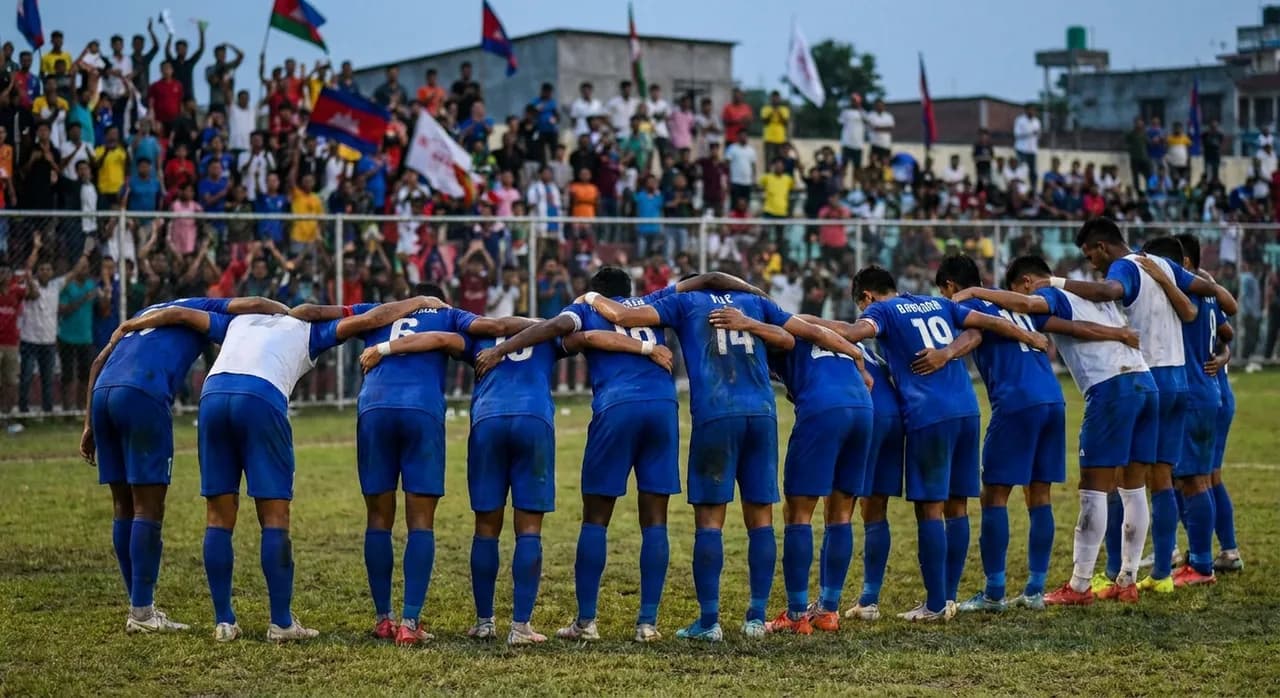
Australia's Socceroos Breakthrough Down Under
Australia's historic quarterfinal run defied every conventional expectation about their ceiling in world football. The Socceroos' tactical transformation under Graham Arnold emphasized possession-based football that contrasted sharply with their traditionally direct approach. Their 1-0 victory over Germany in the Round of 16—secured by Riley McGree's stunning 67th-minute strike—represented Australian football's most significant result since joining AFC in 2006.
The developmental pipeline finally matured in 2026. Players like Garang Kuol and Cameron Devlin, products of improved A-League academies and strategic European partnerships, provided technical quality that complemented established stars like Mat Ryan and Jackson Irvine. Australia's group stage performances, including a memorable 2-1 victory over defending champions Argentina, demonstrated tactical sophistication that made their knockout success sustainable rather than fortunate.
Their quarterfinal achievement resonated powerfully across the Asia-Pacific region, inspiring increased participation in countries like Indonesia, Thailand, and the Philippines where Australian football's multicultural identity created natural connections.
The Cinderella Stories That Captured Hearts
Beyond the headline-grabbers, 2026 produced multiple first-time quarterfinalists whose stories embodied the tournament's democratic spirit. Canada's co-hosting advantage propelled them past their Round of 16 jinx, defeating Belgium in a penalty shootout that sent Toronto into delirium. Their tactical discipline under John Herdman, combined with Alphonso Davies' electric performances and Jonathan David's clinical finishing, created a template for future CONCACAF success.
Ecuador's maiden quarterfinal appearance represented South American football's depth beyond its traditional powers. Their young, technical squad—featuring Brighton's Moisés Caicedo controlling midfield tempo—played fearless football that eliminated a fancied Netherlands side and captured neutral imagination worldwide.
Practical Notes
These breakthrough performances weren't accidental. Each quarterfinalist invested heavily in infrastructure, coaching education, and youth development following previous World Cup disappointments. Morocco's 2019 training center opened specifically targeted 2026 preparation. Senegal's partnership with French academies created dual-nationality talent pools. Australia's A-League salary cap increases attracted better international talent while improving domestic standards.
The expanded format's group stage structure—three teams playing two matches each—reduced the penalty for slow starts that previously eliminated ambitious underdogs. Nations could afford experimental lineups in opening matches while maintaining knockout qualification chances.
Streaming technology also played a crucial role. Real-time tactical analysis, GPS tracking data, and video review capabilities gave smaller federations access to analytical tools previously exclusive to elite nations, leveling competitive playing fields in unprecedented ways.
Tags: #WorldCup2026 #FIFA2026 #Morocco #Senegal #Australia #Canada #Ecuador #Football #Soccer #Upsets #Underdogs #AtlasLions #Socceroos #AFCON
Sources consulted: fifa.com · espn.com
All trademarks are the property of their respective owners.
Ask Karpo first
Want to keep following the World Cup 2026 story? Ask Karpo for personalized bracket, live scores, and match schedule for your teams and city.