The hum of anticipation hangs heavy in the air, a palpable static electricity that only the FIFA World Cup can generate. From Mexico City to Toronto and New York, the eyes of the world are fixated on the unfolding drama. Eight groups, 32 nations, and the ultimate prize shimmering on the horizon. But before a ball was even kicked, the stage was meticulously set by the FIFA World Rankings, architects of destiny, sculpting teams' paths, dictating opposition, and shaping the entire tournament bracket.
How FIFA Rankings Work for World Cup Seedings
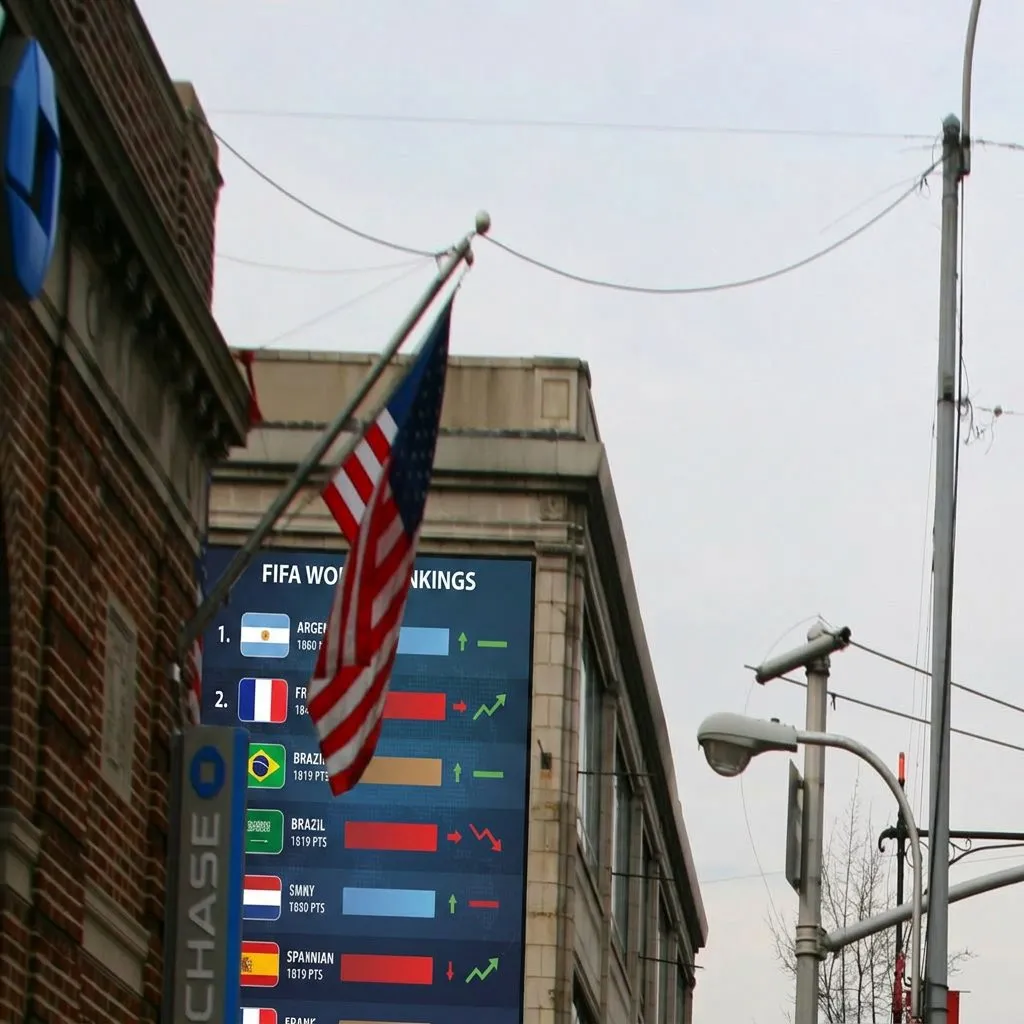
The FIFA Men's World Ranking, a dynamic points-based metric, is the bedrock of World Cup seeding. Football's global governing body employs a sophisticated, Elo-based calculation considering match results, match importance (e.g., World Cup vs. friendly), and opponent strength. Every international fixture, from qualifiers to friendlies, contributes to a nation's cumulative points. For the 2026 World Cup, the crucial ranking snapshot was taken weeks before the final draw, typically after the last international fixtures window. Top-ranked teams, along with host nations, gain coveted 'seeded' status in Pot 1, avoiding other top-ranked teams in the group stage—a significant tactical advantage. An often-overlooked detail is that the ranking freeze date can be a source of intense lobbying and strategic scheduling for federations, as one favorable result can significantly elevate a team, sometimes enough to jump a pot.
Pot Allocation and Group Composition
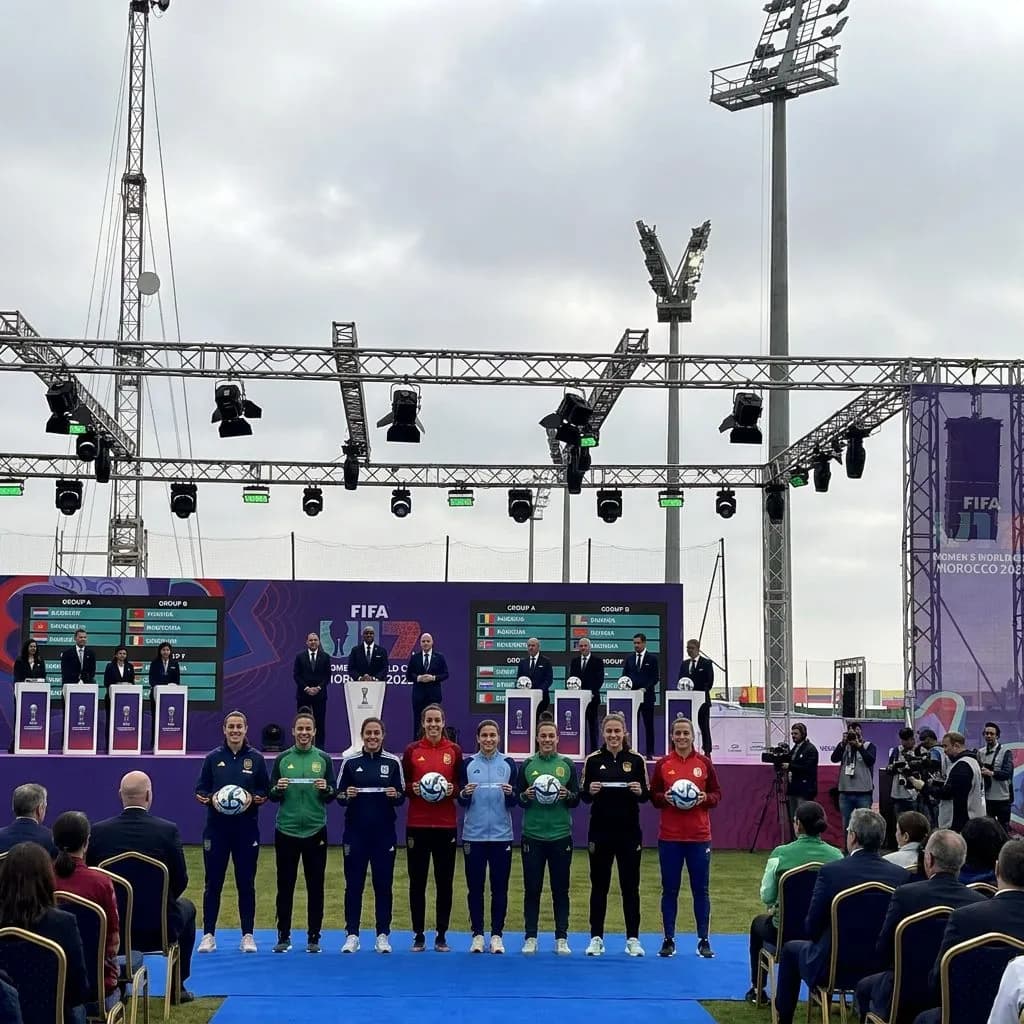
With the ranking freeze, teams are sorted into pots for the draw. Pot 1 typically contains the highest-ranked teams (including hosts), Pot 2 the next highest, and so on. For the 2026 expansion to 48 teams, the pot system has adapted. Instead of four pots of eight, there are now 12 groups of four, requiring a re-evaluation of pot distribution. The fundamental principle remains: avoid placing teams from the same pot into the same group. Geographical separation is also key; with limited exceptions, no two teams from the same confederation can be drawn into the same group. However, UEFA, with its many strong teams, can have up to two nations in a single group to maintain balance. For this World Cup, the sheer volume of qualified nations made the FIFA Ranking 2026 more critical than ever in delineating tiers, defining who would face potential minnows and who would immediately be tested against strong opposition.
Rankings vs Reality: Upsets and Surprises
While FIFA rankings offer a statistical blueprint of team strength, they are not infallible predictors. World Cup history is replete with "Group of Death" scenarios defying ranking logic and underdogs embarrassing higher-ranked opposition. A team might rank high due to consistent performance against weaker regional opponents but falter against elite global competition. Conversely, an ascendant team with new talent might be lower-ranked but possess the momentum and tactical prowess to punch above their weight. This dynamic tension between perceived strength (rankings) and actual on-pitch performance makes the World Cup so compelling. For instance, a team with a reasonable FIFA World Cup Rankings position might struggle due to key injuries just before the tournament, an element the ranking system cannot account for. This gap between the statistical model and the immediate reality of form and fitness is where many of the tournament's greatest narratives are born.

How Seedings Created the Current Bracket
The group stage draw, meticulously overseen by FIFA officials, directly translates pot allocations into the initial bracket. Each group receives one team from Pot 1, one from Pot 2, and so on, ensuring theoretical balance. Careful seeding spreads top-ranked teams across different groups, preventing immediate clashes of titans. For the 2026 tournament, the expanded format with 12 groups has an even more profound impact. The top two from each group, plus the eight best third-placed teams, advance to the Round of 32. This means a highly seeded team might face a deceptively strong third-placed side from another group in the knockout rounds, creating a more complex and larger bracket. An intriguing aspect is that seeding effectively dictated potential semi-final and final matchups. For example, two top seeds from entirely different halves of the initial draw cannot meet until the final, assuming both progress. This structural design is entirely a product of the pre-tournament FIFA World Rankings.
The Most Favorable and Toughest Paths to the Final
Analyzing drawn groups and the subsequent knockout bracket reveals clear distinctions between "favorable" and "toughest" paths. A favorable path often involves avoiding other highly ranked teams in the group stage and drawing lower-ranked opponents in early knockout rounds. These are the teams who, thanks to their strong fifa ranking 2026, were placed in Pot 1 and then had some luck in the draw to avoid a major European or South American powerhouse from Pot 2. Conversely, a "toughest path" emerges when a seeded team draws a particularly strong side from Pot 2, forming a challenging group, or if they find themselves on a side of the bracket featuring multiple perennial contenders who successfully navigate their own groups. For example, if a Pot 1 team is hypothetically in a group with a strong European side from Pot 2 (e.g., Italy, always a threat) and a dark horse from Pot 3 (e.g., African Cup of Nations winner), their group stage becomes a gauntlet. The true test of a favorable path becomes clear in the Round of 32 and beyond, where the bracket's interconnectedness means continuous strong opposition. One specific detail shaping outcomes is how federations schedule preparatory friendlies. Lower-ranked teams often seek matches against slightly higher-ranked local rivals to boost their rankings before the draw, showcasing the deep strategic importance of every international window encounter.
Practical Notes
For fans betting on the tournament or enjoying tactical nuances, understanding FIFA rankings is crucial. These aren't arbitrary numbers; they are a fundamental component of the tournament's structure. While upsets are part of football's charm, seeded teams, by virtue of their ranking, statistically have an easier initial road. This doesn't guarantee success but provides a significant advantage in managing player fatigue and building momentum. Keeping an eye on individual player form and team chemistry in the months leading up to the World Cup is also vital, as these factors can often supersede static FIFA World Cup Rankings in predicting immediate tournament performance. The rank, therefore, is a powerful starting point for analysis, but never the full story. It gives us the framework; the players paint the masterpiece.
Tags: #WorldCup2026 #FIFAWorldCup #Football #Soccer #WorldCupBracket #FIFAFan #Rankings #SportsAnalysis #KnockoutStage #GroupStage #Seeding #GlobalFootball #TournamentDraw #SoccerTactics #WorldCupPreview
Sources consulted: fifa.com · metlifestadium.com
All trademarks are the property of their respective owners.
Ask Karpo First
Want to understand how your team's ranking affected their draw, which group was the toughest based on rankings, or how the seeding system created the current bracket? Ask Karpo for ranking breakdowns, group difficulty analysis, and bracket path explanations.