A full schedule day is not one event
The FIFA schedule can look like a list. For fans, it behaves like a day. One match affects meal timing. Another affects transit. A third becomes the emotional anchor. If the article treats every fixture as equal, it misses how people actually experience a tournament day.
The better frame is a daily stack. Pick the match that matters most, then decide which other matches deserve full attention, background attention, or no plan at all. This protects the reader from trying to make every match a major event.

Choose the anchor match first
The anchor match is the one that decides the day’s shape. It may be the reader’s team, the biggest crowd, the best kickoff time, or the match with the most social energy. Once the anchor is chosen, the rest of the schedule becomes easier to organize.
Without an anchor, the day becomes a series of compromises. People arrive too early for a match they do not care about, miss food during the one they do, or burn out before the late game. The anchor prevents that by making priority explicit.
Build gaps on purpose
The gaps between matches are not empty. They are where people eat, travel, charge phones, meet friends, check standings, and reset attention. A schedule guide should defend those gaps. If the day has three matches, the reader needs transition time more than another paragraph about kickoff.
A packed venue may also need a table turnover plan. If one match ends and another begins quickly, the room can become chaotic. Decide whether to stay in one place or move between matches before the first whistle.
The useful fan guide turns a search spike into a decision the reader can actually make.
Second screens need boundaries
On a stacked day, the second screen can become exhausting. Fans check other scores while watching the anchor match, then miss the moment they chose the room for. The better system is to assign second-screen windows: check at halftime, after full time, or when an official alert changes the plan.
This is not about purity. It is about attention. World Cup days are more enjoyable when fans know which match has the room and which match only needs a score check.
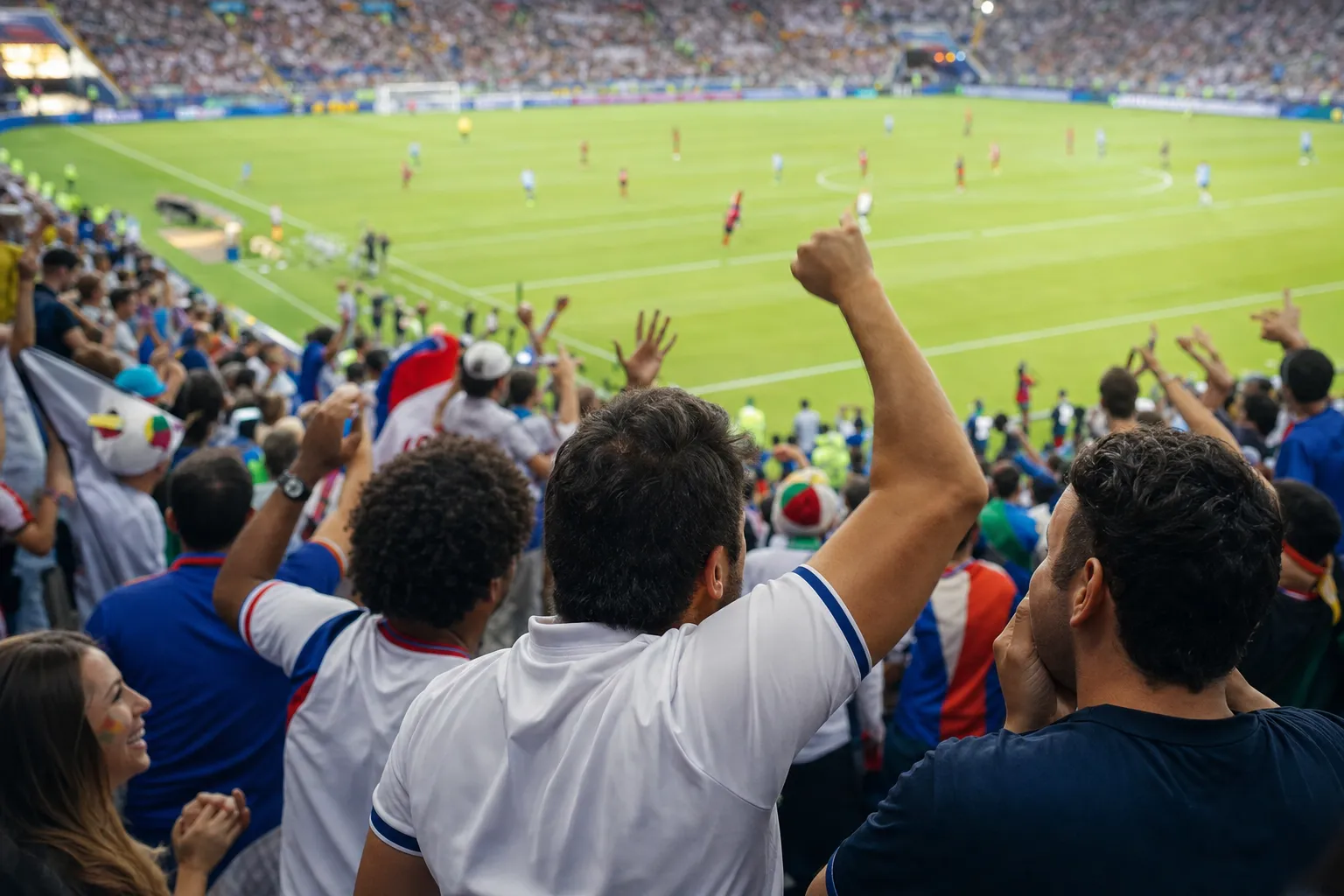
The social plan should match the match order
A morning match may work at home. A midday match may fit a lunch crowd. A late match may be worth a public room. The schedule guide should help readers avoid one-size-fits-all planning. Different kickoff windows create different kinds of social energy.
If the anchor is late, keep the early matches lighter. If the anchor is early, plan the rest of the day around recovery, food, or a second smaller gathering. A good schedule day has rhythm, not constant urgency.
- Anchor match
- Secondary screen
- Meal gap
- Transit gap
- Attention boundary
Practical notes
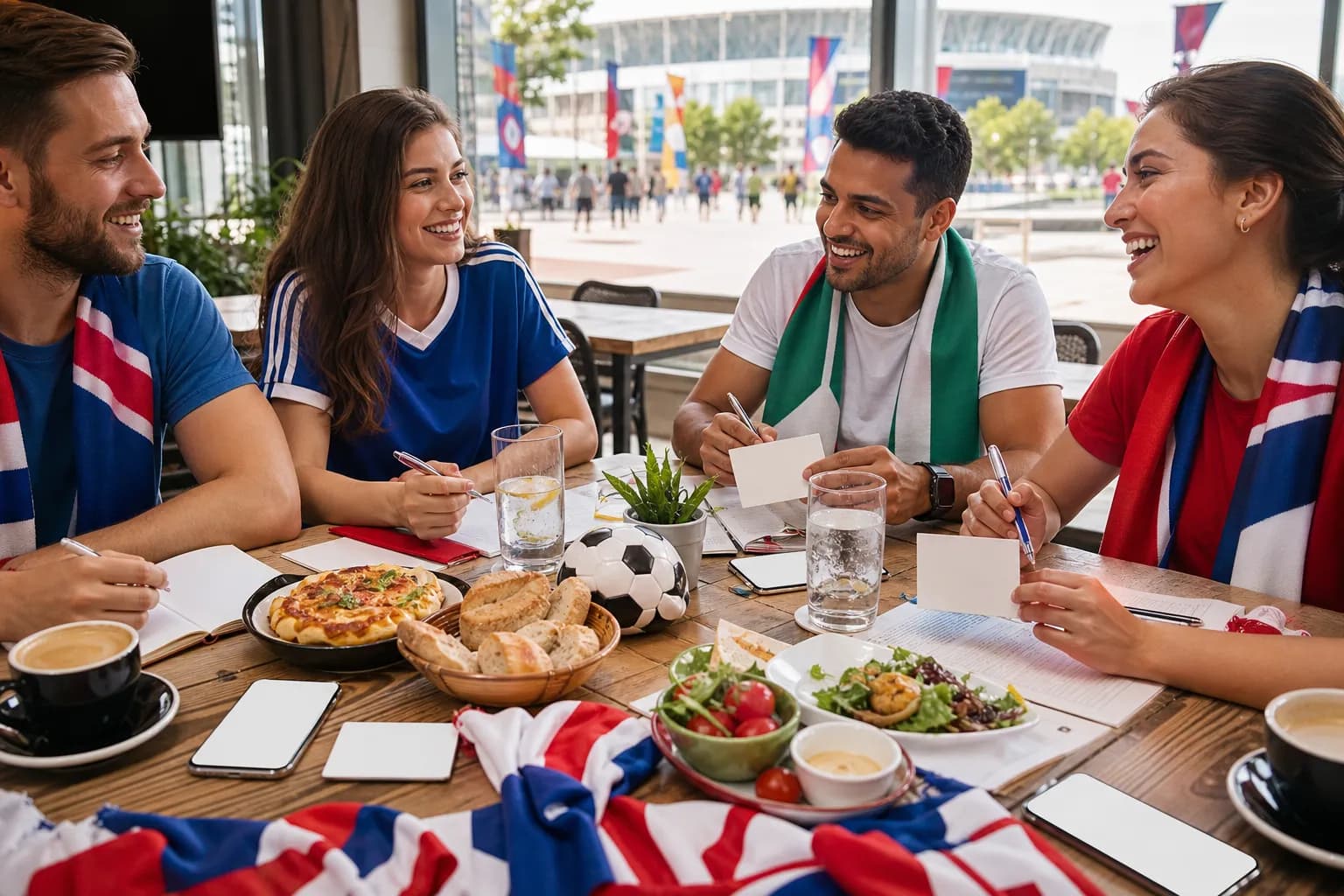
For a FIFA schedule day, write down the anchor match, the secondary match, meal window, transit gap, and backup screen. Share that plan once, then update only if official kickoff, venue access, weather, or crowd capacity changes.
A schedule article should leave readers with a day they can actually live through. The best plan is not the most complete one. It is the one that protects attention for the match that matters most.
The body has a schedule too
A full World Cup day is physically different from watching one match. Fans sit, stand, eat, walk, wait in lines, and stare at screens for hours. The article should acknowledge that the body has a schedule too. A good plan includes water, food, breaks, charging time, and a realistic idea of when attention will fade.
This is not wellness filler. It changes whether the reader enjoys the anchor match. If the anchor is late and the group burns all its energy on earlier fixtures, the day fails at the moment it was supposed to peak.
How to handle overlapping priorities
Some schedule days create conflict. A friend wants one match, a family member wants another, and the organizer cares about a third. The daily stack method can solve this by naming one shared anchor and allowing lighter attention around the rest.
The guide should make compromise explicit. Not every match needs a public room. Not every match needs the whole group. When the schedule is busy, clarity is kinder than pretending everyone can care equally about everything.
Multi-screen fatigue is real
A sports bar with every match on can feel exciting for the first hour and exhausting by the third. Fans begin reacting to alerts from screens they are not actually watching. The article should help readers decide whether they want abundance or focus. More screens are not always a better World Cup day.
If the anchor match matters, choose a seat where that screen dominates. Let the other matches become background until halftime or full time. This makes the day feel intentional rather than scattered.
Kickoff windows create different social plans
An early kickoff can be a coffee-and-breakfast plan. A midday kickoff may work as lunch. A late kickoff needs a route home and a realistic view of how tired the group will be. A stacked schedule guide should treat those windows differently instead of pretending every match belongs in the same type of venue.
This is also useful for families and mixed groups. Someone may join only for the anchor match, someone may leave after the early game, and someone may stay for the full stack. Naming that flexibility before the day starts prevents awkward mid-match negotiation. The schedule should serve the group’s energy, not bully it into constant attention. Leave room to breathe.
Tags: #WorldCup2026 #FIFA2026 #WorldCupBuzz #MatchdayPlan #FanGuide #FootballFans #SoccerSearch #LiveSports #KarpoBuzz #AskKarpoFirst #WorldCupTravel #TeamNews
Sources consulted: Google Trends: fifa schedule · FIFA World Cup 2026 · FIFA fixtures
All trademarks are the property of their respective owners.
Ask Karpo first: Want the latest schedule, public watch options, and a route between screens that still works if one match runs long? Ask Karpo before you set the day.