The Phone Call That Changed the World Cup
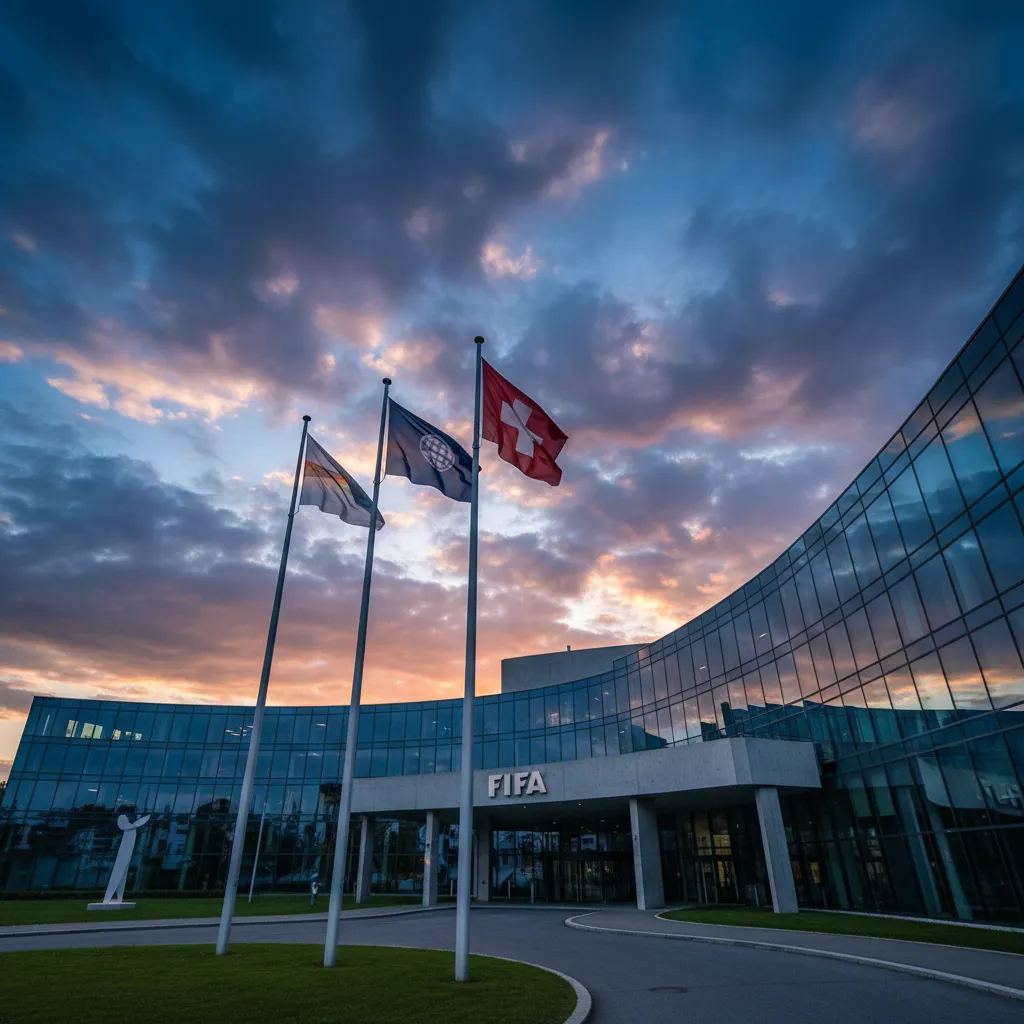
On the evening of July 3, 2026, President Donald Trump made a phone call that would become the most controversial moment of the 2026 FIFA World Cup. According to White House sources, Trump contacted FIFA president Gianni Infantino directly to discuss Folarin Balogun's red card in the USMNT's final group match against Senegal. Within 12 hours of the call, FIFA's disciplinary committee announced that Balogun's one-match suspension had been overturned on the grounds of "clear and obvious error in the match official's judgment." The decision, which has no precedent in FIFA's 120-year history, sent shockwaves through world football.
Want the truth behind the Balogun controversy? Text Karpo for the timeline, FIFA's statement, and the political fallout explained.
The Balogun Red Card: What Actually Happened
The incident in question occurred in the 73rd minute of the US-Senegal match. Balogun, chasing a through ball into the Senegalese penalty area, collided with goalkeeper Edouard Mendy. Referee Cesar Ramos initially showed a yellow card, then consulted the VAR monitor and upgraded the decision to a straight red for "serious foul play." Replays showed that Balogun's contact with Mendy was minimal — his leading foot grazed Mendy's knee, causing the goalkeeper to fall theatrically. The red card was widely criticized by pundits, with former referee Howard Webb calling it "a harsh decision that I would not have made." But FIFA's disciplinary code, which allows appeals against red cards only in cases of "mistaken identity," appeared to leave no mechanism for overturning the suspension.
Trump's Involvement: The Timeline
The timeline of events is now well-documented. At 8:47 PM ET on July 3, Trump tweeted: "Terrible call against our great player Balogun. UNFAIR!" At 9:15 PM, White House Press Secretary confirmed that the President had spoken with Infantino by phone. At 10:30 PM, FIFA's disciplinary committee convened an emergency session — the first in World Cup history conducted at night. At 7:00 AM on July 4, FIFA released a statement announcing the reversal. The statement cited "new video evidence" that had not been available to the original VAR review — a claim that was immediately challenged by media organizations who noted that all camera angles had been available to the VAR team during the match.
Belgium's Formal Appeal
Belgium's Football Association filed a formal appeal with the Court of Arbitration for Sport (CAS) within hours of FIFA's announcement. Belgium, who were scheduled to face the USMNT in the Round of 16 before the US was eliminated, argued that the reversal "undermines the integrity of the competition and establishes a dangerous precedent in which political intervention can influence sporting outcomes." The Belgian FA's legal team cited Article 70 of the FIFA Disciplinary Code, which states that "decisions by the disciplinary committee are final and binding" and can only be appealed in cases of procedural error. CAS announced that it would hear the case but that the reversal would stand pending the outcome — a decision that the US group results ultimately made moot.
The Global Reaction
The international response to Trump's intervention was overwhelmingly negative. The European Club Association (ECA) released a statement condemning "any political interference in football governance." FIFPro, the global players' union, called the reversal "a threat to the fundamental fairness of the sport." Editorials in The Times, Le Monde, El Pais, and Der Spiegel used variations of the same phrase: "the day football lost its independence." Even within the US, reaction was divided along political lines — with supporters praising Trump's advocacy for American athletes and critics arguing that the intervention represented an abuse of presidential power.
Infantino's Position
Gianni Infantino's handling of the situation raised familiar questions about FIFA's governance. Infantino has cultivated a close relationship with Trump throughout the 2026 World Cup cycle, frequently praising the former president's role in the US bid and appearing alongside him at tournament events. Critics have long argued that this relationship compromises FIFA's independence. The Balogun decision appeared to confirm those fears. Infantino's only public comment — "FIFA always acts in the interest of fair play and correct decisions" — was widely derided as inadequate given the circumstances.
The Lasting Impact
The Balogun incident will be remembered as a watershed moment in the relationship between politics and sport. While political interference in football is not new — from Mussolini's influence on the 1934 World Cup to Qatar's controversies surrounding the 2022 tournament — Trump's direct intervention in a specific disciplinary decision represents an escalation that has no modern precedent. The CAS ruling, expected within months, will determine whether FIFA's reversal was legally valid. But the damage to FIFA's credibility has already been done. The 2026 World Cup, hosted to showcase American football culture, has instead showcased the vulnerability of football governance to political pressure.
Tags: FIFA, Balogun, Trump, Infantino, red card reversal, World Cup 2026, Belgium appeal, CAS, political interference, controversy
Sources consulted: ESPN · BBC Sport · The Guardian · Al Jazeera
All trademarks, team names, league names, and player likenesses mentioned in this article are the property of their respective owners and are used here for informational and editorial purposes only.
Ask Karpo First
Want to understand the legal implications of the Balogun decision or FIFA's disciplinary process? Ask Karpo for a timeline of the controversy, CAS appeal updates, and historical examples of political interference in World Cup history.