The Price of the Beautiful Game Has Never Been Higher
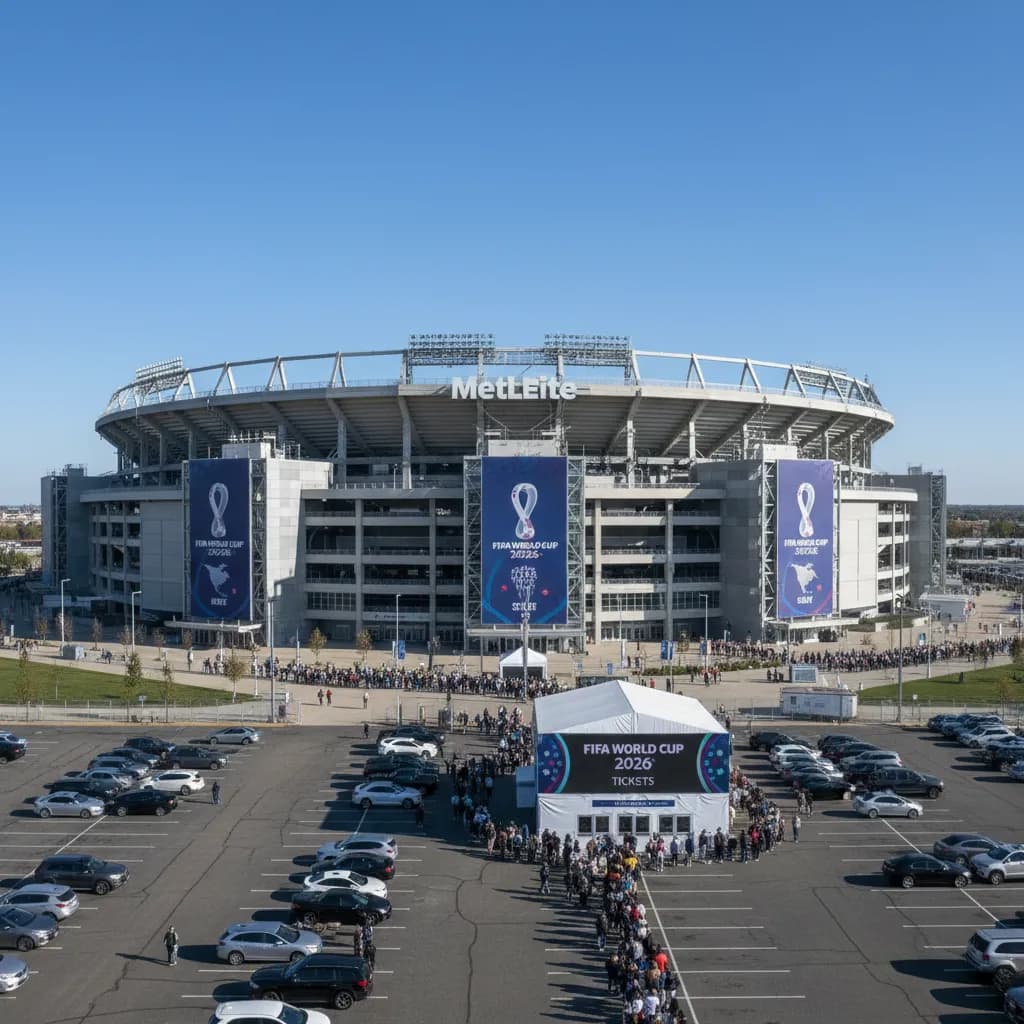
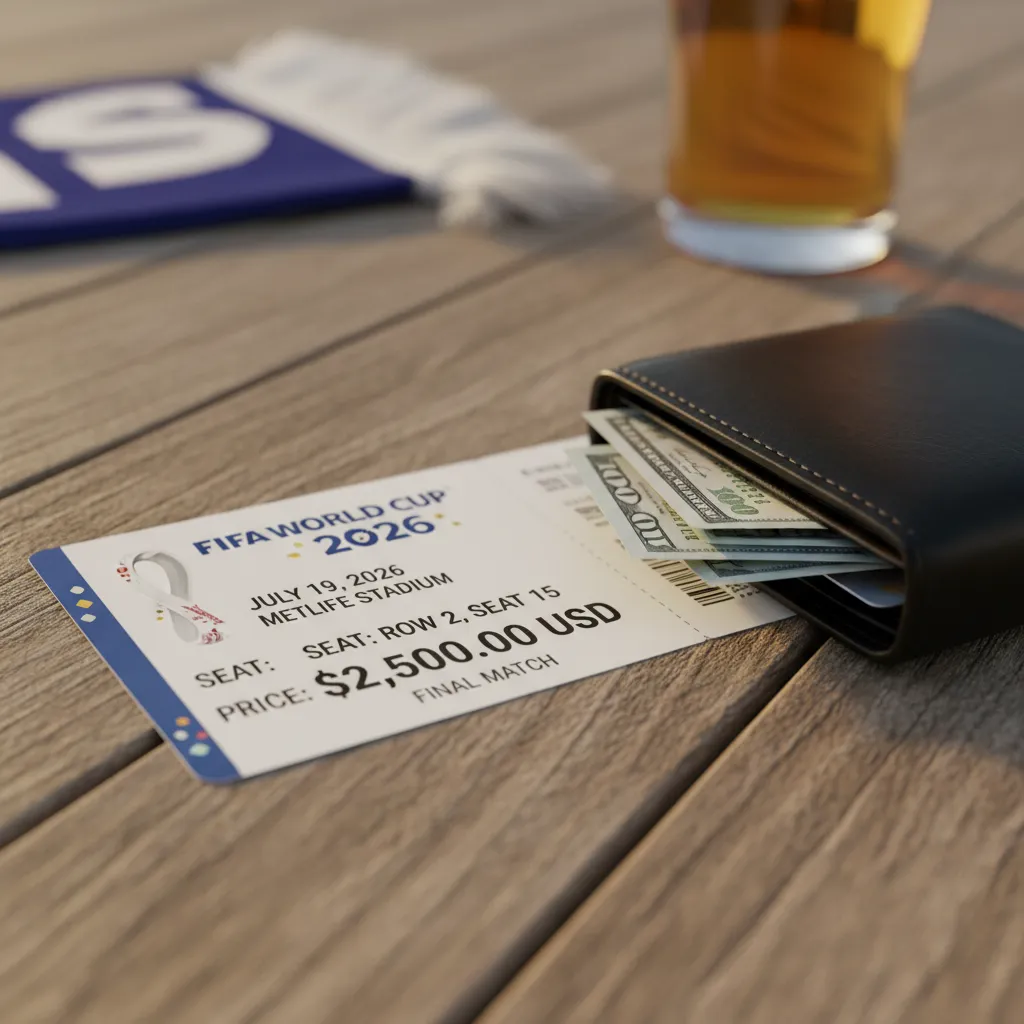
When the United States, Canada, and Mexico submitted their joint bid to host the 2026 FIFA World Cup, they promised the most affordable and accessible tournament in recent memory. The bid document stated that a seat at the final would cost a maximum of $1,550. By April 2026, the cheapest standard ticket for the MetLife Stadium final had reached $5,785. The most expensive — the Front Category 1 tier — was listed at $32,970. On resale platforms, final tickets are expected to reach $80,000-$90,000. The 2026 World Cup has become the most expensive sporting event in history, and the controversy surrounding FIFA's pricing strategy has become one of the tournament's biggest stories.
How Dynamic Pricing Works — and Why Fans Hate It
Dynamic pricing adjusts ticket costs in real time based on demand, similar to airline tickets or Uber surge pricing. FIFA introduced it for the first time at a World Cup, arguing that it ensures fair market value and maximizes revenue for football development worldwide. In practice, it has meant that ticket prices have increased by as much as 400% between the first and final sales windows. A group-stage ticket that cost $90 in September 2025 was listed at $350 by June 2026. FIFA has not disclosed its pricing algorithms, how many tickets remain available, or when it decides to adjust prices — leaving fans in the dark and creating an atmosphere of distrust.
The Numbers Are Staggering
FIFA initially sold premium tickets at $6,730 — already far above the $1,600 ceiling at Qatar 2022. By the final sales window, the same category reached $10,990. The Front Category 1 tier at MetLife Stadium — the best seats for the World Cup Final — costs $32,970 per ticket. A family of four attending the final in standard seats would spend approximately $23,140 before flights, accommodation, and food. For context, the median US household income is approximately $75,000. Attending the World Cup Final would consume 31% of a median family's annual earnings.
Attorneys General Have Launched Investigations
The pricing controversy has attracted the attention of law enforcement. The attorneys general of New Jersey and New York have launched a joint investigation into FIFA's ticketing practices, specifically examining whether dynamic pricing constitutes deceptive consumer practices. The investigation focuses on whether FIFA adequately disclosed its pricing methodology, whether the original bid promises constituted binding commitments, and whether the resale market has been artificially inflated by FIFA's scarcity-driven pricing strategy. FIFA has declined to comment on the ongoing investigation.
Fan Backlash Has Been Global and Sustained
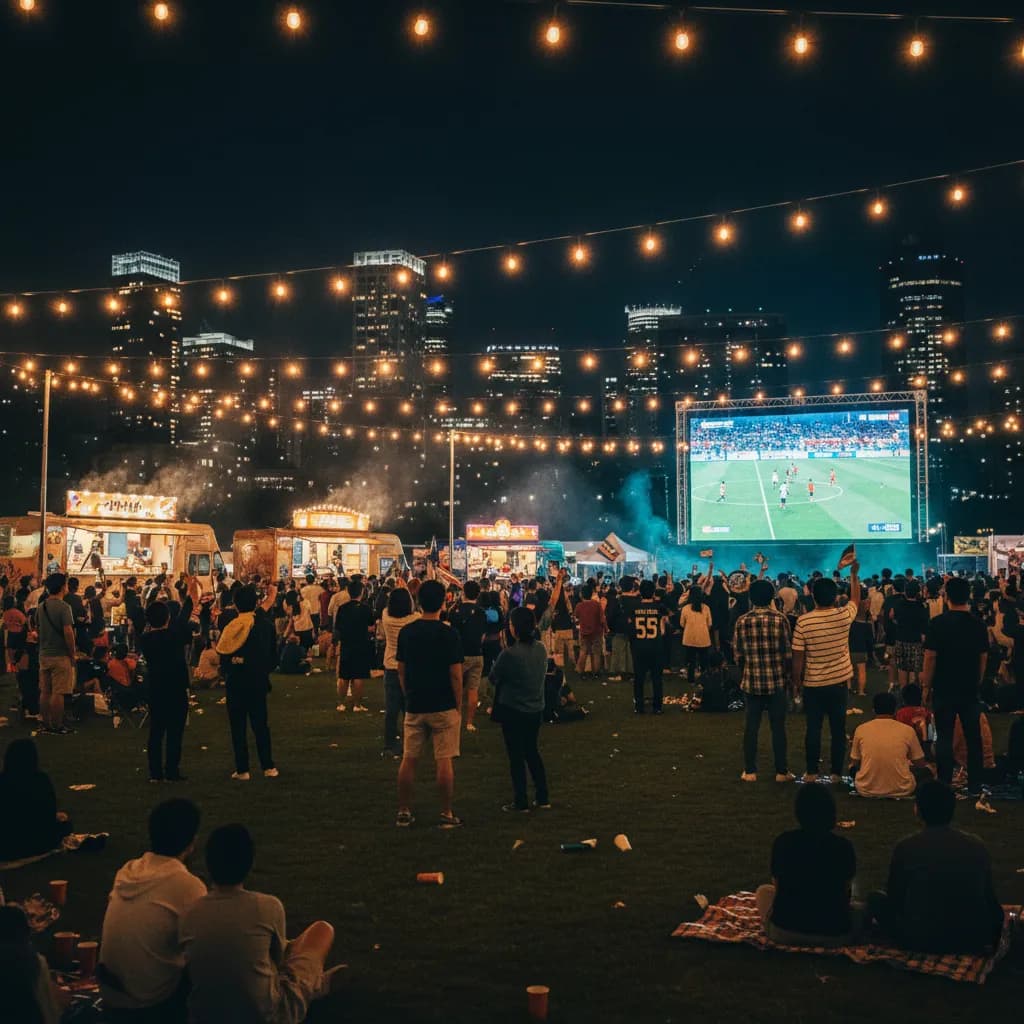
Social media has been flooded with stories of fans priced out of the tournament they were promised. Brazilian fan groups organized protest marches in Sao Paulo. English supporters' trusts wrote open letters to FIFA demanding transparency. American fans — many of whom were attending their first World Cup — expressed shock at prices that exceeded Super Bowl and NBA Finals tickets. The hashtag #FIFAPriceGouge trended in 14 countries. Several fan advocacy groups have called for a boycott of FIFA merchandise in protest, though the impact on FIFA's $7.5 billion tournament revenue is expected to be negligible.
FIFA's Defense: Revenue Funds Global Football Development
FIFA president Gianni Infantino has defended dynamic pricing as necessary to fund football development in underserved regions. Revenue from World Cup ticketing — projected at $1.4 billion for 2026, up from $607 million in 2022 — is redistributed to FIFA's 211 member associations for infrastructure, youth development, and women's football programs. Critics argue that the redistribution is opaque and that a disproportionate share of revenue goes to FIFA's own administrative costs. The debate has become a proxy war for broader questions about FIFA's governance, transparency, and accountability.
The Legacy Problem Nobody Wants to Talk About
The 2026 World Cup was supposed to be the people's tournament — accessible, affordable, and welcoming. Instead, it risks being remembered as the tournament that priced out ordinary fans and replaced them with corporate hospitality clients and wealthy tourists. The empty seats visible at several group-stage matches — including a USA game at SoFi Stadium — suggest that high prices have not translated into full stadiums for every match. If the knockout rounds and final are filled primarily with corporate guests rather than genuine supporters, the atmosphere that makes the World Cup special could be diminished. The beautiful game deserves better than a $33,000 price tag.
Tags: World Cup 2026, FIFA dynamic pricing, ticket prices, MetLife Stadium, World Cup Final, attorney general investigation, fan backlash, Gianni Infantino, most expensive sporting event
Sources consulted: NPR · ESPN · RTE · WION
All trademarks, team names, league names, and player likenesses mentioned in this article are the property of their respective owners and are used here for informational and editorial purposes only.
Ask Karpo First
Want to find affordable ways to experience the World Cup and where to watch matches without a ticket? Ask Karpo for fan zone locations, free outdoor screenings, and budget-friendly guide to enjoying the World Cup in any host city.