 Where to Eat Near Penn Station That Isn't a Chain
US Open 2026
Ferry and Skyline Ideas Before US Open Tennis
A relaxed ferry ride or skyline stop can make a later US Open tennis session feel like a fuller New York day without turning it into a race.
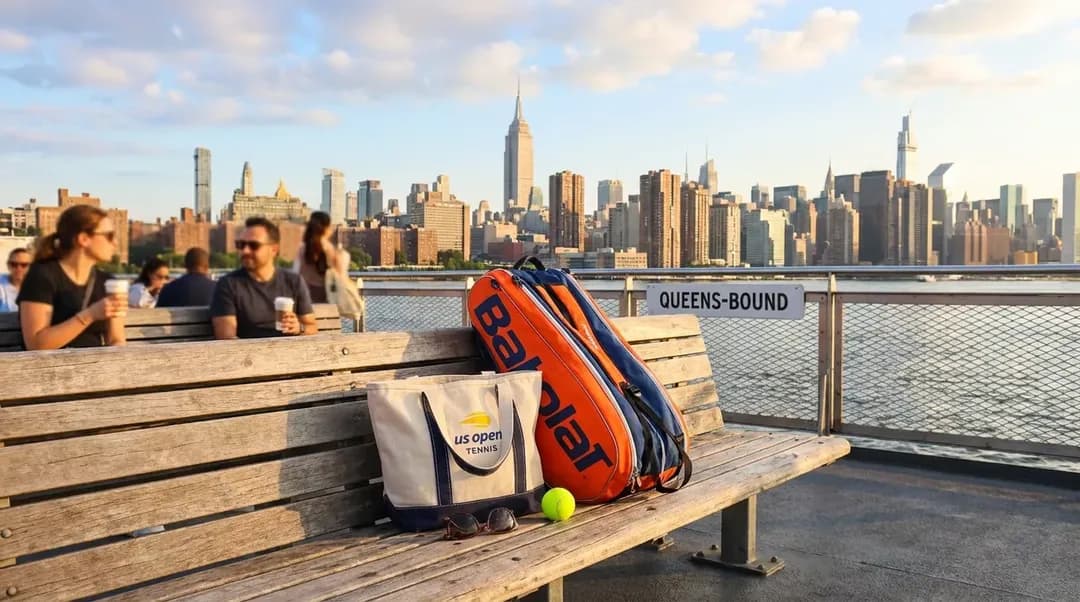
The smartest pre-tennis skyline plan is not the one that covers the most ground; it is the one that still feels good when you reach the US Open. A later session creates an appealing window for a ferry ride, a harbor view, or a waterside walk, but late summer in New York can make overstuffed plans feel heavier than they looked on a map. For “Ferry and Skyline Ideas Before US Open Tennis,” the useful 2026 calendar anchor is August 23 through September 13, with singles main-draw play beginning August 30. Advice: choose one scenic experience that can be shortened easily, then protect the rest of the day for travel to Queens, security, food, and settling into the grounds. A skyline moment should make the tennis day feel bigger, not make the first changeover feel like a relief.
Text Karpo for a current, low-friction plan for ferry and skyline ideas before us open tennis—including timing, route checks, and practical options that fit your day.
Choose One Skyline Moment
Advice: treat the skyline as the opening scene, not the main event. A later tennis session pairs best with one clean add-on: a ferry loop, a riverfront stroll, or a viewpoint where you can sit, take photos, and leave without negotiation. The trouble starts when a simple plan becomes a chain of extras: one more neighborhood, one more bridge view, one more stop before the train. Each added move creates another chance to lose time or patience.
A useful pre-tennis stop should meet three tests. It should still be satisfying if you spend less than an hour there. It should not leave you carrying shopping bags, dress shoes, or anything awkward for stadium seating. It should also have an obvious exit toward your next move. If the view is beautiful but the departure is complicated, save it for a day without a match ticket.
This is especially important for groups. Tennis fans may be willing to arrive tired because the matches are the reward, but children, older relatives, casual fans, or first-time visitors may need more margin. Advice: decide before leaving the hotel what matters most: the photo, the boat ride, the walk, or the relaxed arrival. That choice keeps the day from being run by impulse.
Ferry Ideas With Flexibility
A ferry can work beautifully before tennis because the ride itself is the sightseeing. You get water, wind, bridges, and skyline angles without building the day around a museum-length visit or a long restaurant stop. For visitors staying in Manhattan, a ferry can create a distinct New York memory before the afternoon turns toward Queens.
Advice: pick a ferry route for simplicity before novelty. The most comfortable version is a ride that returns you close to a transit corridor you already understand, or at least leaves you with a clear onward path. A ferry that looks dramatic on the water may be less useful if the next step involves a long walk, a confusing transfer, or a tight clock. Before boarding, know what you will do if the next departure is not convenient.
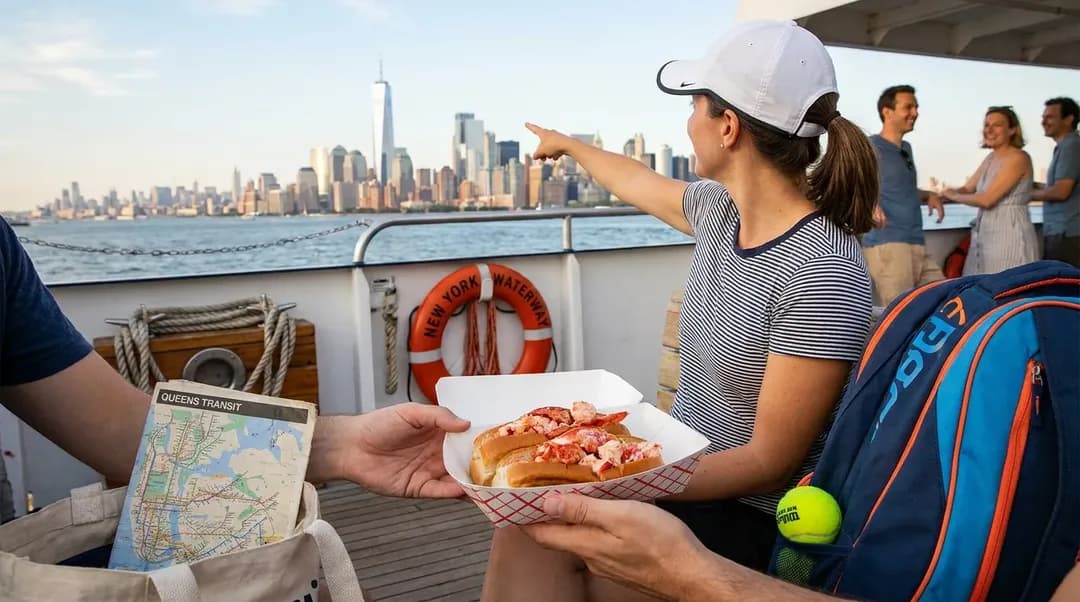
- Best for first-time visitors: a harbor-facing ride where open water, bridges, and skyline views are the main payoff.
- Best for photographers: a waterfront stop with room to wait for better light without blocking the trip to Queens.
- Best for cautious planners: a route that keeps you near the transit line or pickup area you expect to use later.
- Best for humid afternoons: a shorter ride followed by a cool indoor pause before heading to the tournament.
Do not make the ferry the part of the day with the tightest deadline. Service patterns, boarding demand, and weather can affect the experience, so confirm current details with the operator before relying on a specific departure. Advice: keep a land-based backup nearby, such as a short waterfront walk or shaded stop, so the plan still works if the boat timing is poor.
Waterfront Walks Before Queens
A waterfront walk is the lowest-pressure skyline add-on because you control the distance. You can turn around early, sit on a bench, take photos, or step inside if the weather becomes uncomfortable. That makes it a strong choice for a day when the real destination is still the US Open, not the promenade.
The best walks for this purpose have broad views and several exit points. A skyline-facing path can deliver much of the pleasure of a formal observation stop while requiring less commitment. If you are already in Brooklyn, Queens, or Lower Manhattan earlier in the day, a nearby waterfront segment may be more practical than crossing the city for a famous angle. Advice: choose the walk that ends conveniently, not the one that only begins beautifully.
Set a turnaround time before you start. That may sound fussy, but it protects the relaxed feeling you are trying to create. Tennis days contain small delays that are easy to underestimate: finding a restroom, refilling water, checking what fits in your bag, navigating a station, or waiting for the rest of your group to finish taking photos. A planned cutoff lets the walk feel casual without becoming careless.
Matchday Rhythm And Energy
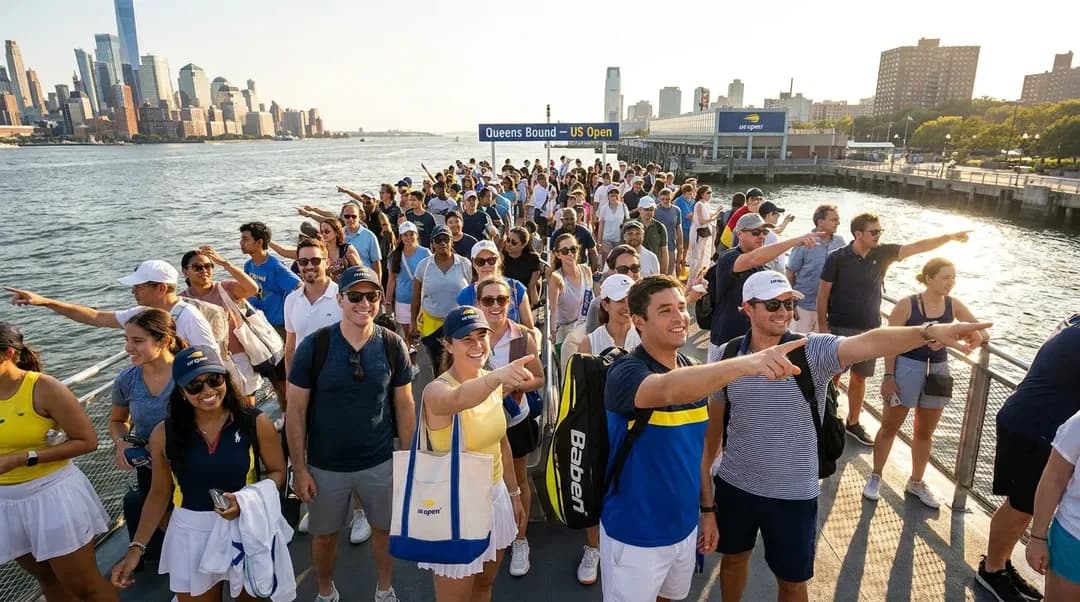
The right scenic add-on depends on your session timing, hotel location, and tolerance for walking. Spectating at the US Open is not passive in the way a theater seat is passive. Fans may walk the grounds, climb stairs, stand in lines, search for shade, and stay alert through long matches. Advice: save energy for the tennis you came to see, especially if your session may run late.
A balanced day might move in four parts: late breakfast or early lunch, one skyline experience, a reset break, and then the trip to the grounds. The reset is the piece many visitors skip. Even a quiet half hour in air conditioning, a change of shirt, or a simple snack can make the evening feel smoother. It also gives the group a chance to notice whether the original plan still fits the weather and mood.
- Keep the scenic stop close to a route toward Queens.
- Avoid adding a second major attraction after the skyline portion.
- Carry only what you want to manage through security and seating areas.
- Make the bad-weather version simpler than the original plan.
The sweet spot is often a scenic stop that ends slightly earlier than expected. That extra margin can become the best part of the tennis visit: arriving without panic, looking around the grounds, finding food, locating your seat, and letting the atmosphere build. A skyline photo is more enjoyable when it does not cost you the first relaxed stretch of the session.
Practical Notes
Before travel, confirm current US Open transportation information, gate opening times, and the event schedule through official tournament channels, because published details can change. Before acting on “Ferry and Skyline Ideas Before US Open Tennis,” recheck the official security page; its current limit is one searchable bag per guest, no larger than 12 by 12 by 16 inches. Advice: choose your ferry or skyline stop, decide the latest time you are comfortable leaving it, and treat that departure time as the day’s real appointment. Do not assume player participation, match timing, court assignment, exact prices, business hours, transit conditions, or availability unless you have confirmed them through the relevant official source close to your visit.
Tags: #USOpen2026 #Tennis #NewYork #Queens #FlushingMeadows #USOpenGuide #TennisFans #SportsTravel #NYCEvents #HardCourt #KarpoFinds #Karpo
Sources consulted: usopen.org — Official reference · usopen.org — Official reference · usopen.org — Official reference
All trademarks are the property of their respective owners.
Ask Karpo first
Want to know what is confirmed, when to show up, and what is actually open to the public? Ask Karpo for the latest US Open updates and a practical New York plan for ferry and skyline ideas before us open tennis.
Ask Karpo for more information.
Keep reading
- Where to Eat Near Penn Station That Isn't a Chain
 Andytown Coffee in the Outer Sunset: The Snowy Plover Explained
- Best Things to Do in Chicago: What the City Gives Away