 Haaland Has Seven Goals and Norway Runs Entirely Through Him
⚽️2026 FIFA WORLD CUP
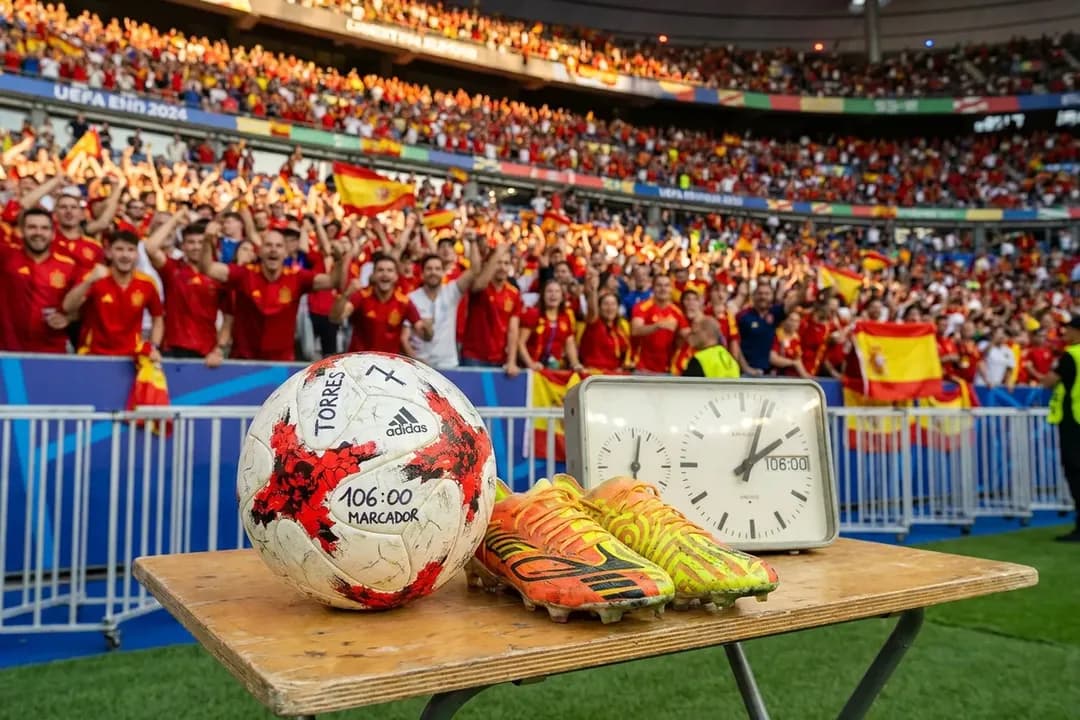
Ferran Torres Scored Spain’s 106th-Minute World Cup Final Winner
Ferran Torres delivered the only goal of the World Cup final in the 106th minute. Spain’s 1-0 extra-time win over Argentina turned his first goal of the tournament into its defining image.
East Rutherford became the stage for a World Cup final decided by one late, irreversible act. Ferran Torres scored in the 106th minute as Spain beat Argentina 1-0 after extra time, turning a tense, scoreless struggle into a Spanish coronation. The goal was Torres’ first of the tournament, which made the moment even sharper: a player who had not yet scored in this World Cup delivered the finish that settled its biggest match. In a final defined by restraint, pressure, and the long wait for separation, ferran torres became the name attached to the last decisive movement.
Text Karpo for a personalized final-recap plan: the key moment explained, where to celebrate Spain’s title around New York City, what to watch next, and a food or city route built around your location, group size, and post-match mood.
The 106th Minute That Broke the Final Open
The decisive fact of the final is simple and powerful: Ferran Torres scored in the 106th minute, and Spain defeated Argentina 1-0 after extra time. Nothing else is needed to inflate the drama. A World Cup final that remained locked through regulation and deep into the added period was finally settled by a single Spanish goal. Because it came so late, it did not merely change the score. It changed the meaning of the entire night, transforming endurance into reward for Spain.
That timing is why the finish immediately became the final’s defining image. Goals in finals are always magnified, but a 106th-minute winner carries a particular weight because there is so little match left for a response. Argentina had to chase from a position of sudden urgency, while Spain could frame the remaining minutes around protecting the only lead of the match. The goal compressed the emotional arc of the final into one instant: patience, release, shock, and consequence all arriving together.

Why Torres’ First Tournament Goal Felt So Big
Torres had not scored earlier in the tournament, which made his winner feel less like a continuation of a personal scoring run and more like a perfectly timed arrival. In World Cup history, reputations are often shaped by when a player appears rather than how frequently. For Torres, the first goal came at the latest possible moment of maximum value. It was not a consolation, not a group-stage cushion, and not part of a comfortable scoreline. It was the goal that decided the final.
That detail gives the story its cleanest human dimension without needing embellishment. A player can spend a tournament contributing in ways that do not appear on the scoresheet, then be remembered forever for one finish. Torres’ name now sits beside the scoreboard fact that matters most: Spain 1, Argentina 0, after extra time. The absence of earlier goals makes the winner sharper, because his tournament scoring record moved from empty to immortal in a single minute.
A Final Defined by Scarcity, Not Volume
The final’s scoreline tells a story of scarcity. Spain and Argentina reached extra time without the match opening into a multi-goal exchange, and the final margin remained one goal. That kind of ending places enormous pressure on the lone scorer because the entire result rests on one completed chance. Torres’ goal did not add decoration to an already decided match. It created the only separation between two finalists, which is why the finish carries such a heavy narrative burden.
In a 1-0 final, every description of the winning goal must respect what is known and avoid pretending certainty about details not confirmed here. The key verified elements are enough: the scorer, the minute, the opponent, the competition stage, and the final score. Those facts make the goal decisive without needing invented buildup, speed, positioning, or dialogue. The power of the moment comes from context. A single goal after 105 minutes of deadlock is already one of football’s most dramatic structures.
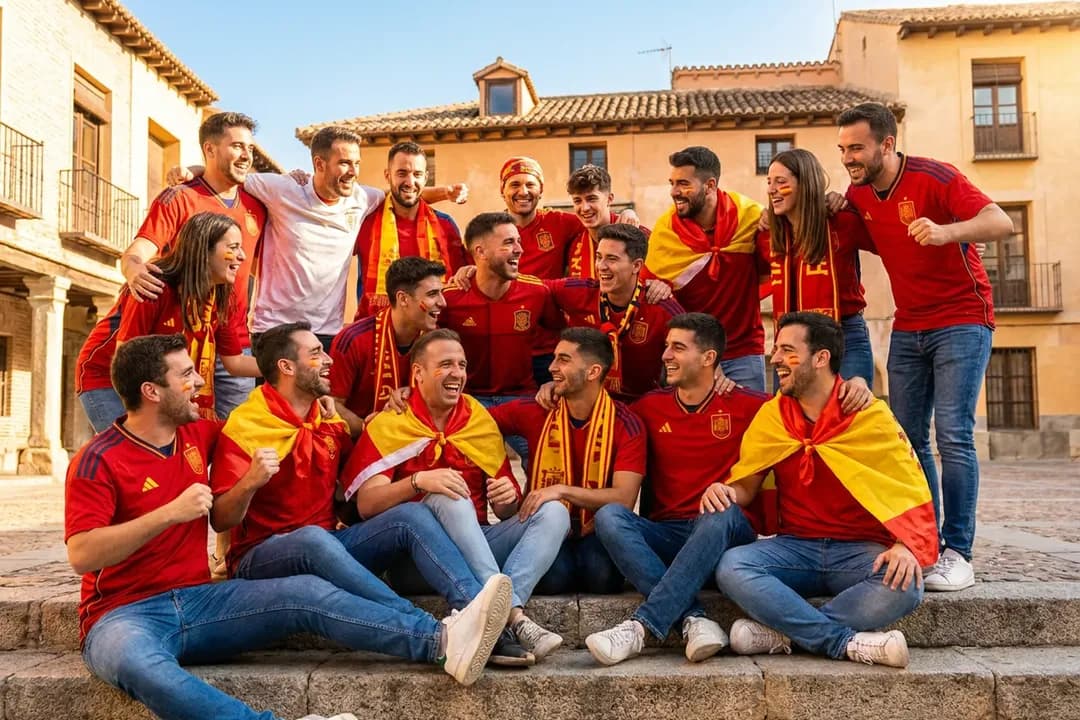
Spain’s Title Moment in the New York City Orbit
The final was located in East Rutherford, within the New York City orbit, giving the night a North American frame for a global football conclusion. That geography mattered for the atmosphere around the event, but the sporting headline remained direct: Spain beat Argentina 1-0 after extra time. For supporters watching in the region, the winning moment connected a local final setting with a worldwide Spanish celebration. The stadium stage belonged to the match, but the city around it absorbed the aftershock.
World Cup finals often become remembered through a shorthand that outlives the full match. This one now has a clear shorthand: Torres, 106th minute, Spain 1-0 Argentina. The location adds texture, but the finish supplies the memory. In East Rutherford, near New York City, Spain’s championship was not sealed through a flood of goals or a late exchange. It was sealed through one decisive strike in extra time, the kind of ending that travels easily across headlines, watch parties, and future retellings.
Why the Winner Overshadowed Everything Else
A final can contain long stretches of tactical tension, emotional swings, and nearly invisible turning points, but the record will always lean toward the moment that decides the trophy. Torres’ 106th-minute goal overshadowed everything else because it answered the only unresolved question: who would be world champion. Once Spain had the lead and the match ended 1-0 after extra time, the goal became both the event and the explanation. It was not simply part of the final; it was the final’s conclusion.
That is the special pressure of a World Cup final winner. It reduces a complex match into a single permanent reference point. Supporters may remember how nervous they felt, where they watched, or who they were with, but the shared public memory is built around the scorer and the minute. For Spain, Torres became the player who delivered when the match had almost no room left for ambiguity. For Argentina, the same goal became the dividing line between resistance and defeat.
The Defining Finish of Spain’s Final
The phrase “defining finish” fits because the goal did more than decide a result. It gave the final a shape that can be understood instantly. Before the 106th minute, the match was a scoreless contest stretching into the endurance zone of extra time. After it, the final had a champion, a scorer, and a memory. Torres’ first tournament goal became the only goal of the match, and that combination made it impossible to separate his name from Spain’s victory.
The most responsible reading of the moment is also the most dramatic one. Ferran Torres scored in the 106th minute, Spain beat Argentina 1-0 after extra time, and the goal was his first of the tournament. Those verified facts are enough to explain why the finish will endure. It arrived late, it stood alone, and it settled the World Cup final. In the language of football memory, there is little more decisive than that.
Tags: #WorldCup2026
Sources consulted: FIFA final hub · Associated Press final report
All trademarks are the property of their respective owners.
Ask Karpo First
Ask Karpo for your custom Spain-Argentina final recap, celebration route, viewing guide, or New York City food plan built around ferran torres’ 106th-minute winner.
Ask Karpo for more information.
Keep reading
- Haaland Has Seven Goals and Norway Runs Entirely Through Him
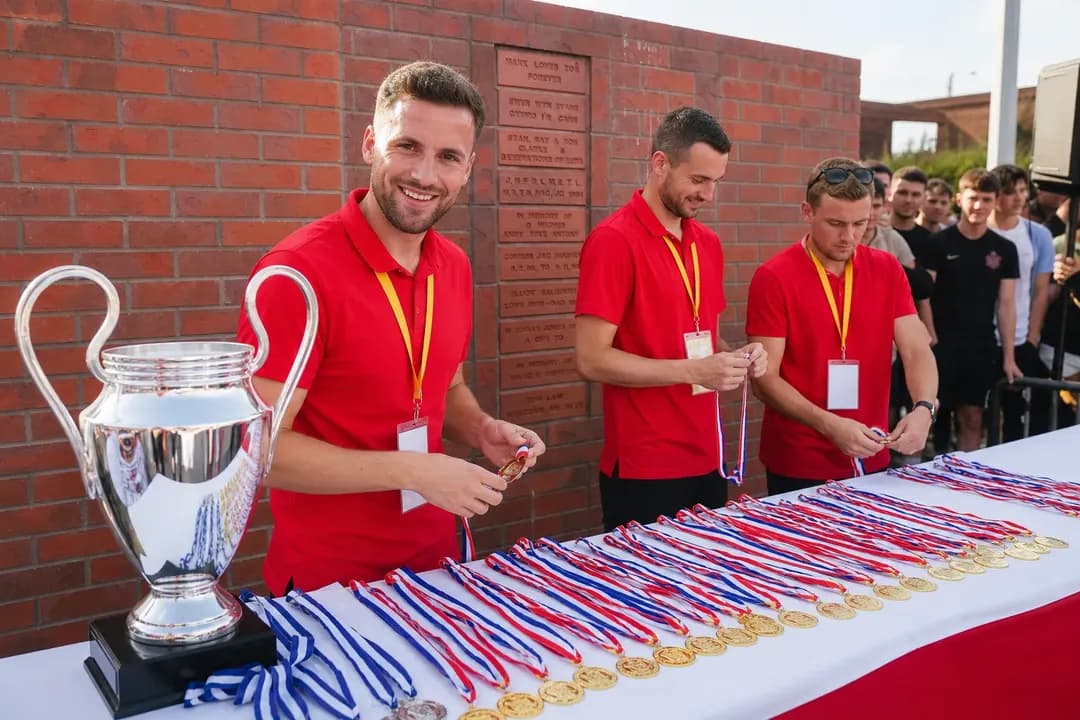 World Cup Trophy Ceremony Timing Medals and Postmatch Celebrations
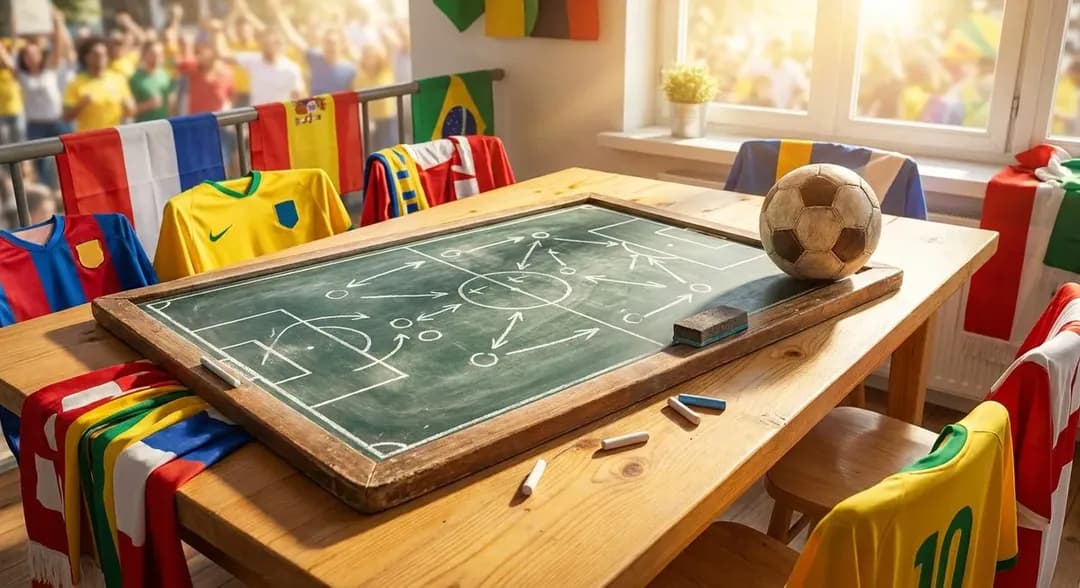 Olise and France's Attack: The Semifinal Tactical Question