 Haaland Has Seven Goals and Norway Runs Entirely Through Him
⚽️2026 FIFA WORLD CUP

Who Scored Spain’s Two World Cup Final Winners
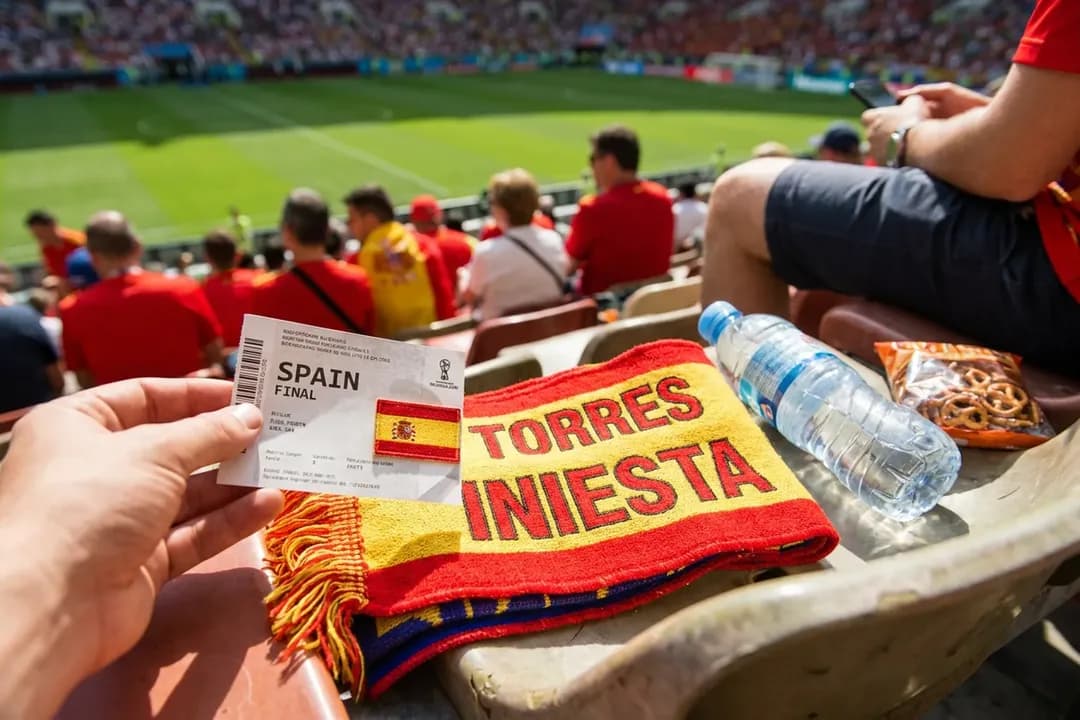
Spain has had two men’s World Cup final winning scorers in 1-0 extra-time finals. They are Andres Iniesta for 2010 and Ferran Torres for 2026.
Spain’s two men’s World Cup final winning scorers are Andres Iniesta and Ferran Torres. Iniesta scored the winning goal in Spain’s 2010 World Cup final, and Ferran Torres scored the winning goal in the 106th minute of Spain’s 2026 World Cup final. Both finals ended 1-0 after extra time, which makes the record unusually clean: one scorer, one goal, one winning margin in each match. This page is not a tournament comparison. It is a direct record answer for readers checking who scored the decisive goals that made Spain world champion in those two finals.
Text Karpo if you want a personalized final recap, celebration plan, viewing guide, food route, or city plan built around Spain’s 2026 win and the Ferran Torres moment.
The Direct Answer: Spain’s Two Final Winners
The answer is Andres Iniesta in 2010 and Ferran Torres in 2026. Iniesta is credited with Spain’s winning goal in the 2010 men’s World Cup final. Ferran Torres is credited with Spain’s winning goal in the 106th minute of the 2026 men’s World Cup final. Each match finished 1-0 after extra time, so each scorer is listed as the only goal scorer and the final-winning scorer for Spain in that championship match.
A final-winning scorer is not the same as a tournament’s top scorer, best player, or most famous name. It means the player whose goal decided the final score in the championship match. In these two Spain cases, the record is straightforward because there were no equalizing or additional goals after either decisive strike. For Spain’s men’s World Cup final wins, the direct scoring record therefore reads: Andres Iniesta, 2010; Ferran Torres, 2026.
How Official Final-Winning-Scorer Records Are Read
Official final records are usually read from the match result first. The final score tells whether the winning goal can be identified without complication. In a 1-0 final, the lone scorer is automatically the winning scorer because that goal creates the final margin. When the match is decided after extra time, the same logic applies. Extra time changes the timing of the goal, not the identity of the player credited with scoring it.
That is why Spain’s two entries are clear. The 2010 final ended 1-0 after extra time, with Andres Iniesta as the scorer. The 2026 final also ended 1-0 after extra time, with Ferran Torres scoring in the 106th minute. A record page should not add unverified buildup details, assists, tactical claims, or quotes to that answer. The verified record is the scorer, the timing where confirmed, and the final score context.
Andres Iniesta: Spain’s 2010 Final Decider
Andres Iniesta’s entry in this record is simple: he scored Spain’s winning goal in the 2010 men’s World Cup final. Because the match ended 1-0 after extra time, his goal is recorded as the final winner. No further scoring changed the result, and no second Spain goal altered the decisive margin. For a player-record page, that is the essential fact: Iniesta is the name attached to Spain’s first listed men’s World Cup final-winning goal.
The cleanest way to write Iniesta’s profile here is to keep it tied to the final-winning-scorer question. He is not included because of a broader tournament comparison, a ranking, or a debate about legacy. He is included because the decisive goal in the 2010 final belongs to him in the official scoring record. Readers looking for Spain’s final-winning scorers should see his name first chronologically, with the result context kept concise and exact.
Ferran Torres: Spain’s 2026 Final Decider
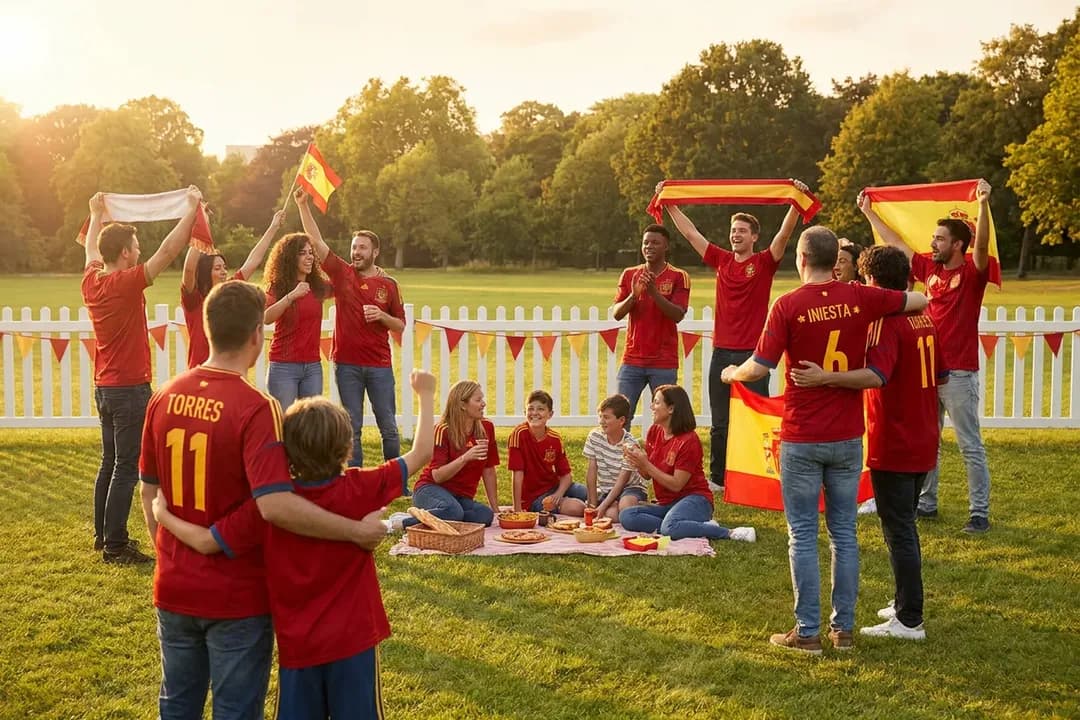
Ferran Torres is Spain’s second men’s World Cup final winning scorer. His record entry is that he scored the winning goal in the 106th minute of the 2026 final. The match finished 1-0 after extra time, so that goal stands as the only goal and the championship decider. For readers searching ferran torres after the final, the verified answer is direct: Torres scored the goal that won Spain the 2026 men’s World Cup final.
That entry should be written carefully because it is easy for final coverage to expand beyond the verified scoring fact. This record page does not add a goal buildup, an assist, a tactical description, or a quotation. The key information is the player, the minute, the score, and the match status. Ferran Torres scored in the 106th minute, and Spain won 1-0 after extra time. That is enough to identify him as the 2026 final-winning scorer.
Why Both Spain Entries Are Especially Clear
Some final-winning-scorer records require more explanation because a match may include several goals, changing leads, or late scoring after the decisive goal. Spain’s two entries do not create that problem. Each final finished 1-0 after extra time. In both cases, the scorer of the only goal is also the scorer of the winning goal. That makes the record easy to confirm and easy for fans to remember without adding unnecessary interpretation.
The similarity is limited to the scoring record, not a broader comparison of the tournaments. This page does not claim that the 2010 and 2026 campaigns were alike, or that one final should be ranked against the other. It simply explains why the scorer query has a clean answer in both cases. Iniesta and Torres each scored the only goal in a 1-0 extra-time final, so each name belongs on Spain’s men’s World Cup final-winning-scorer list.
Spain Men’s World Cup Final-Winning Scorers List
The list is short and direct. For 2010, the final-winning scorer is Andres Iniesta, with Spain winning 1-0 after extra time. For 2026, the final-winning scorer is Ferran Torres, with Spain winning 1-0 after extra time and the goal recorded in the 106th minute. Those are the two men’s World Cup final winning scorers for Spain in the verified record supplied here.
If you are checking the answer quickly, use this rule: in a 1-0 final, the only goal scorer is the final-winning scorer. For Spain, that rule identifies Andres Iniesta in 2010 and Ferran Torres in 2026. The 2026 entry includes the confirmed 106th-minute timing. The record should stay focused on those facts rather than adding unsupported details. Spain’s two men’s World Cup final winners were scored by Iniesta and Torres.
Tags: #WorldCup2026
Sources consulted: Associated Press final report · FIFA World Cup champions history
All trademarks are the property of their respective owners.
Ask Karpo First
Ask Karpo for a custom Spain 2026 final recap, Ferran Torres explainer, celebration route, viewing plan, or food-and-city guide built around where you are.
Ask Karpo for more information.
Keep reading
- Haaland Has Seven Goals and Norway Runs Entirely Through Him
 World Cup Trophy Ceremony Timing Medals and Postmatch Celebrations
 Olise and France's Attack: The Semifinal Tactical Question