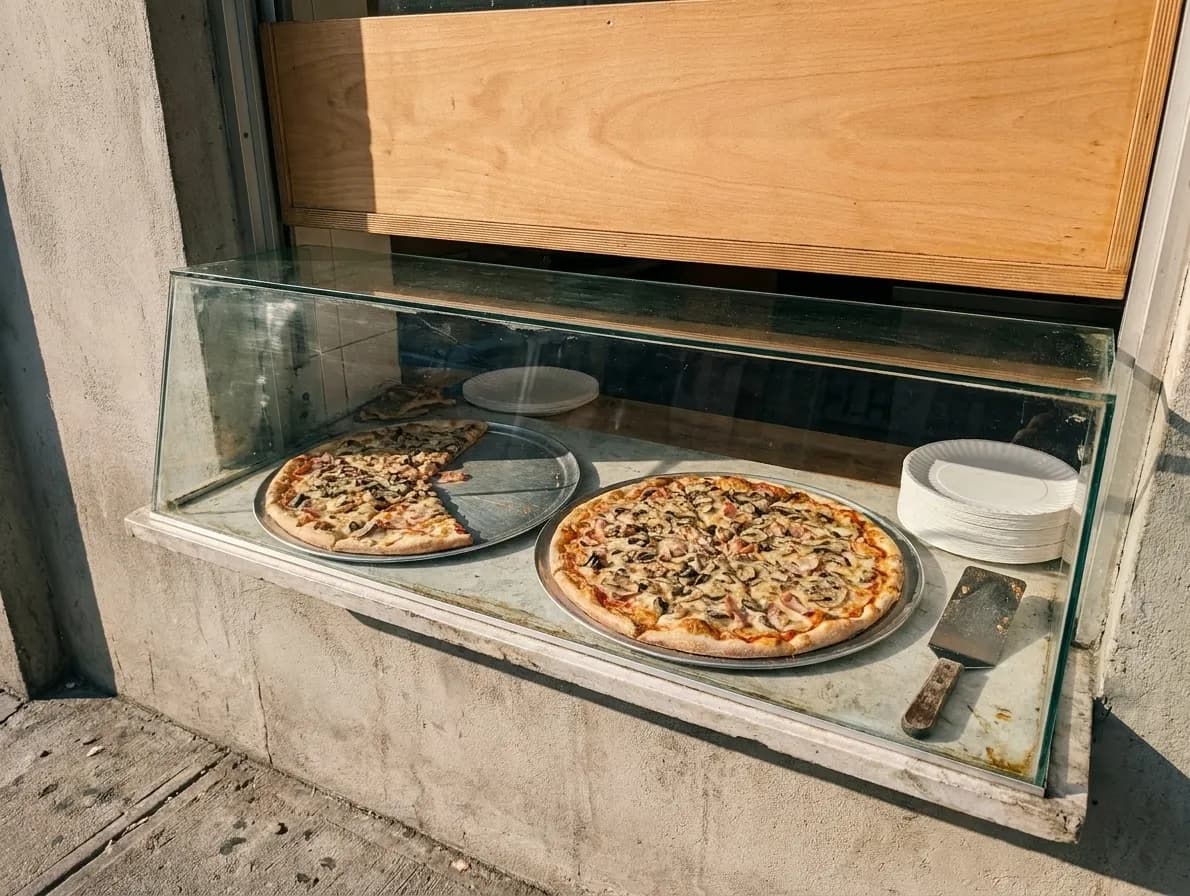
Ten dollars is a real budget in Los Angeles, and it is one of the few cities where it still buys a genuinely good lunch rather than a compromise. The trick is that the combos advertised at that price are bundles, and a bundle only saves money when you wanted every item in it. Most people pay the bundle price for one item they want, one they are indifferent to, and a drink they would not have bought. Unpick that and the same ten dollars goes considerably further.
Ten dollars buys a genuinely good meal in Los Angeles and a mediocre one just as easily, and the difference is usually in what you ordered rather than where. Tell Karpo where you are and it will find the ten-dollar meals that are actually filling.
The three-component test
Nearly every value combo is a main, a side and a drink. The main is where almost all the cost sits; the side is cheap starch; the drink costs the operator very little and is priced to look like a concession. So the question to ask of any combo is simple: would I have bought the side and the drink separately? If the answer is no for either, you are usually better off buying two of the main item, or the main plus a second main, and skipping the rest.
Two mains for ten dollars is the highest-value order in most of Los Angeles's cheap food landscape, because the main is the only component with real protein in it. This is true at taco stands, at burger windows, at counter kitchens and at most regional chains. It is a small change in ordering habit that meaningfully changes how full you are at 3pm.
Where ten dollars performs best
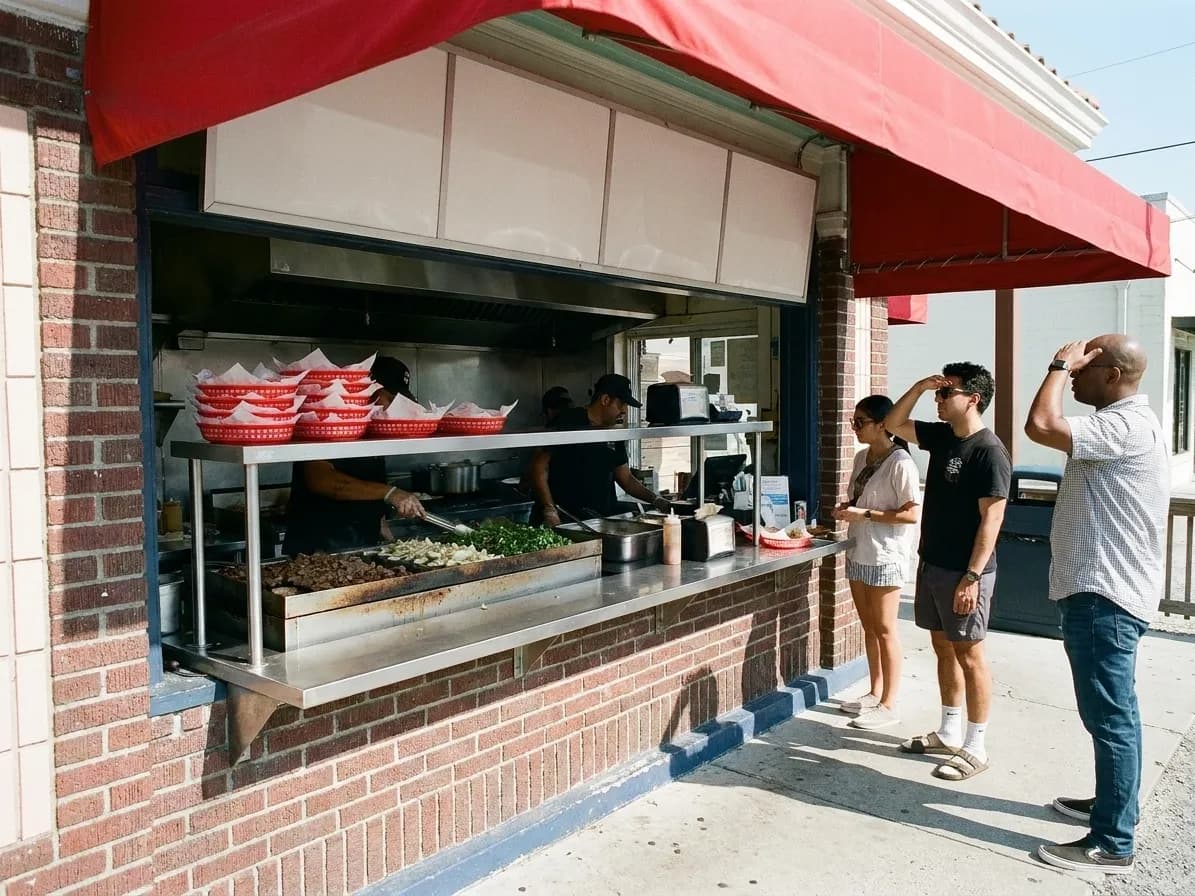
The best value in this city is not evenly distributed across formats. Walk-up windows and street-facing stands deliver the most food per dollar because they carry no dining room and no waiting staff. Counter-service kitchens are next, and full drive-thrus generally last, because the drive-thru's cost structure includes the land, the lane and the marketing.
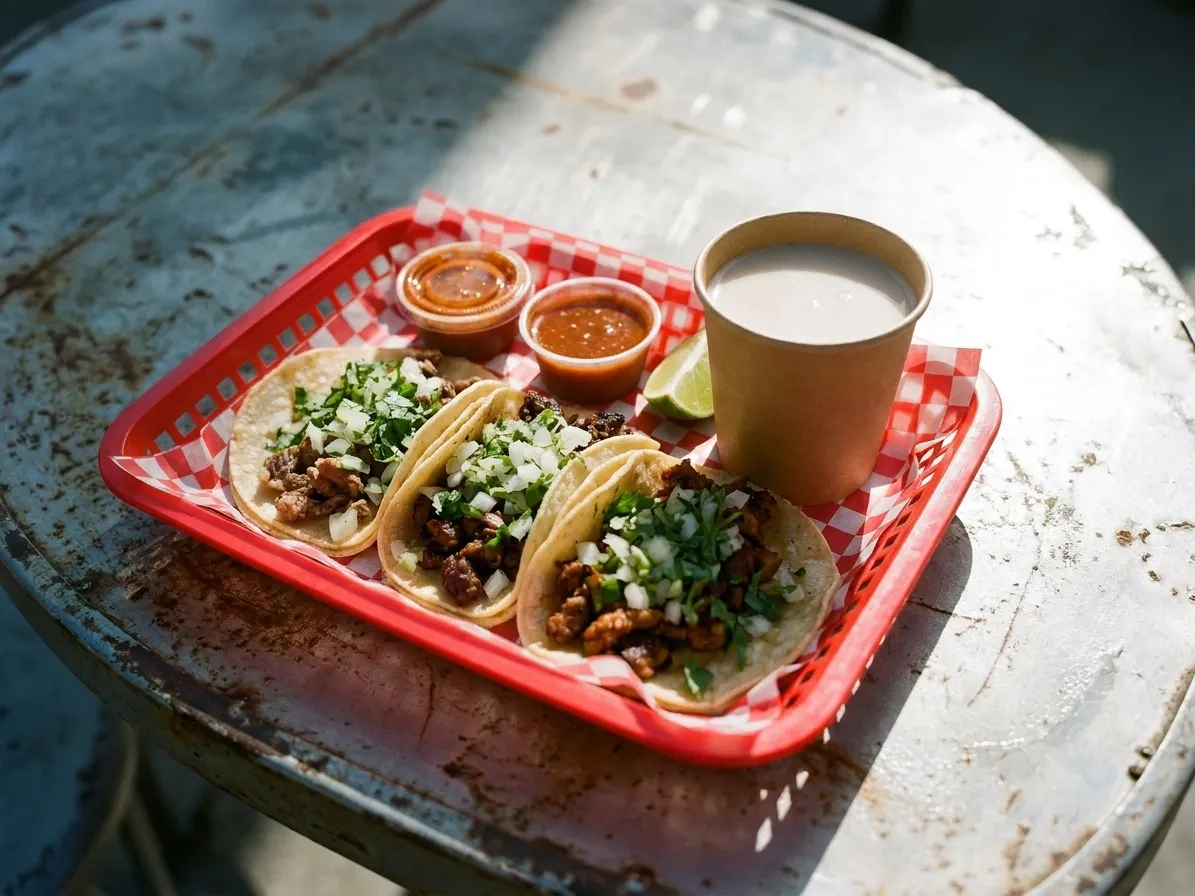
Cuisine matters as much as format. Los Angeles's cheapest genuinely satisfying meals cluster around traditions built on inexpensive proteins and slow cooking — braises, stews, grilled meats served with rice or tortillas, noodle soups. Those dishes were designed to feed people cheaply, and they still do. Ten dollars spent inside one of those traditions outperforms ten dollars spent on a bundled burger meal almost every time.
The add-ons that quietly break the budget
Three things routinely push a ten-dollar meal to fifteen. The first is the drink, especially the specialty one — a horchata or an agua fresca is a pleasure but it is often a fifth of the budget. The second is the upsize, which nearly always adds cheap starch rather than substance. The third is the sauce or side charged separately, which is fair enough but should be counted in before you decide the meal is cheap.
Tap water and skipping the upsize buys you a second main item at most places in the county, which is a strictly better trade if what you want is to be full. If what you want is the drink, buy it deliberately rather than as part of a bundle.
Timing is a discount nobody advertises
Cheap food is cheapest, and best, when the kitchen is busy. High turnover means the griddle is hot, the fryer oil is fresh and nothing has been sitting. That is why the queue at a taco stand is a feature rather than a cost. Eating at the peak of the local lunch or dinner rush gets you better food at the same price, which is the only free upgrade in the category.
The other timing lever is the late shift. Many operators run reduced late menus that concentrate on their few highest-volume items, which is exactly what you want to be ordering anyway. If you are eating cheaply after 10pm, the shortened menu is a guide rather than a limitation.
What ten dollars should get you
A good ten-dollar meal in Los Angeles should leave you full, include a real protein, and come from a kitchen where you can see the cooking happening. If any of those three are missing, the money is being spent on packaging, bundling or overhead rather than on food. Prices move and specials change constantly at this end of the market, so treat the ordering method rather than any specific price as the durable part.
The chains that are actually regional
A lot of what reads as fast food in Los Angeles is regional rather than national, and the distinction matters for value. Regional operators grew out of the same walk-up and drive-thru traditions as the independents, often still buy from local suppliers, and compete against the neighbourhood rather than against a national marketing calendar. Their value menus tend to be genuinely cheap rather than promotionally cheap.
The practical test is whether the menu contains something you could not order in another state. A regional chain almost always has one or two items rooted in local taste, and those items are usually the best thing it makes — they are why it survived long enough to become a chain in the first place.
Tags: #LosAngeles #LA #SoCal #FreeThingsToDo #CheapEats #BudgetFriendly #FastFood #LAEats #LAGuide #ExploreLA #LALocal #LAWeekend #LANights #LAFood
Sources consulted: laist.com · eater.com · latimes.com
All trademarks are the property of their respective owners.
Ask Karpo first
Karpo is a proactive AI assistant that lives in iMessage. Tell it your budget and it will find the meal that actually fills you up.