 Haaland Has Seven Goals and Norway Runs Entirely Through Him
⚽️2026 FIFA WORLD CUP
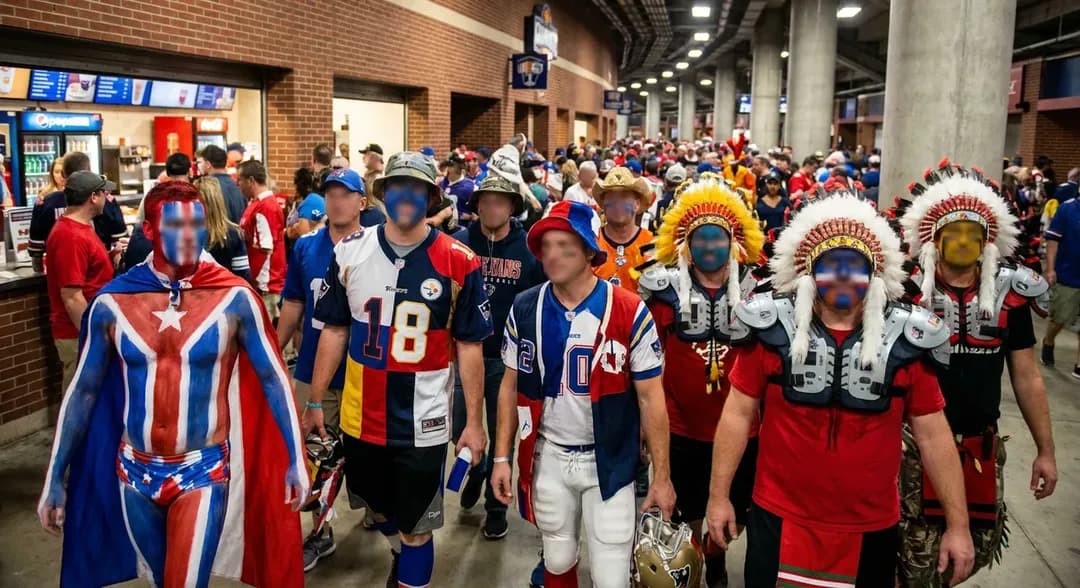
Fan Fashion at World Cup 2026: How Supporters Turned Stands Into Runways
From body paint masterpieces to cultural couture: How World Cup 2026 fans transformed stadiums into the ultimate fashion spectacle
The roar wasn't just from goals scored—it was from the collective gasp as 80,000 fans witnessed what could only be described as the most spectacular fashion show in sports history. At MetLife Stadium during the World Cup 2026 quarter-finals, a group of Brazilian supporters had transformed their entire section into a living, breathing carnival float, complete with feathered headdresses that sparkled under the stadium lights and coordinated samba-inspired outfits that turned the stands into a sea of gold and green movement.
Updated August 2026: World Cup schedules, stadium policies, player statistics, broadcast details, and post-match records can change quickly. Check the linked FIFA, stadium, broadcaster, or tournament sources in the Sources section before using this guide for travel, tickets, viewing plans, or factual citation.
The Evolution of Fan Fashion: From Scarves to Spectacle
World Cup fan fashion has traveled a remarkable journey since Uruguay 1930, when supporters simply wore their Sunday best to matches. The transformation began in earnest during Mexico 1970—the first televised World Cup—when fans realized they weren't just spectators but performers on a global stage.
By Italia '90, face paint and colorful wigs became standard. The 1998 World Cup in France saw the emergence of elaborate costumes, while Brazil 2014 introduced social media-driven coordination among fan groups. But World Cup 2026 has shattered every previous boundary, turning each of the 16 host cities across the United States, Canada, and Mexico into fashion laboratories where 48 nations showcase their creativity.
The expanded tournament format means 104 matches across three countries, giving fans unprecedented opportunities to display their sartorial patriotism. From Vancouver's rain-soaked opening ceremonies to the desert heat of Phoenix, supporters have adapted their fashion statements to both weather and cultural context, creating a continental runway show that spans time zones.
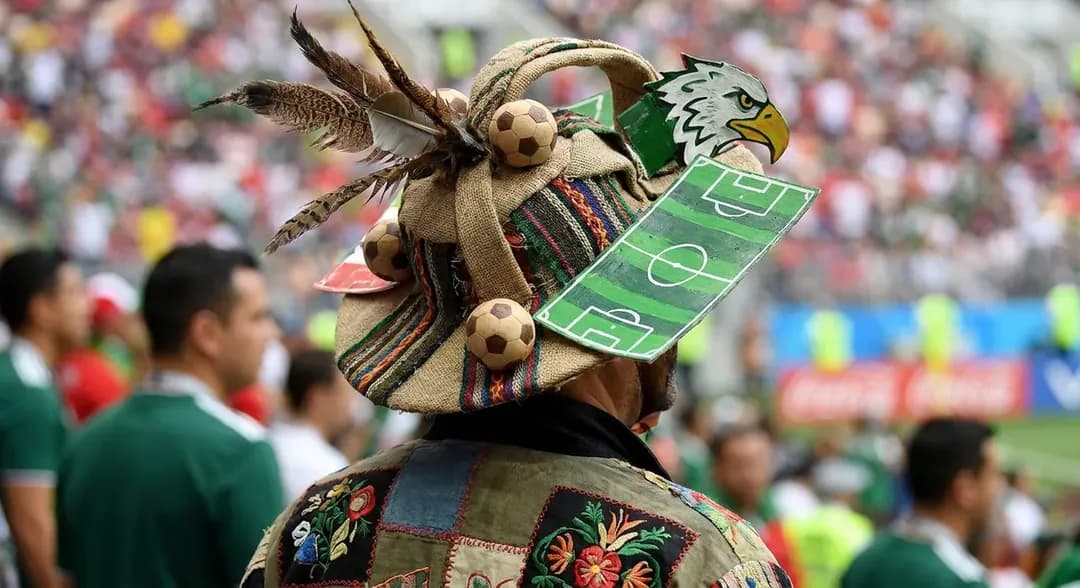
Cultural Couture: When Heritage Meets Stadium Style
The most striking trend of World Cup 2026 has been the sophisticated integration of traditional cultural dress with modern fan gear. Japanese supporters have elevated the concept entirely, arriving in specially commissioned happi coats that feature hand-painted team crests alongside traditional wave motifs. These aren't mere costumes—they're collaborations between streetwear designers and textile artists, selling for hundreds of dollars and becoming collector's items.
Scottish fans have reinvented the tartan tradition, with different clan patterns representing various supporter clubs. The Royal Stewart tartan now shares stadium space with custom-designed patterns incorporating the Scottish Football Association crest. Meanwhile, Moroccan supporters have transformed traditional djellabas into team colors, creating flowing robes that create mesmerizing visual effects during coordinated displays.
Mexican fans, playing on home soil in 11 matches, have perhaps shown the most innovation. Drawing from their rich textile heritage, supporter groups commissioned indigenous artisans to create contemporary interpretations of traditional huipils and rebozos in team colors. The result is a fashion statement that honors both football passion and cultural preservation, with proceeds supporting local communities.
Body Art Revolution: When Fans Become Living Canvases
Professional body painters have become as essential to the World Cup experience as corner flags. In Toronto, a collective of Canadian fans hired Broadway makeup artists to transform their torsos into a massive maple leaf that required 47 people to complete. The logistics alone—coordinating bathroom breaks while maintaining the artistic integrity—became a viral social media phenomenon.
German efficiency extends to their body art coordination. Using a smartphone app developed specifically for the tournament, German supporters synchronize their painted designs to create stadium-wide murals. Their quarter-final display at Mercedes-Benz Stadium in Atlanta featured over 3,000 fans whose individual painted sections combined to form a massive eagle that was visible from satellite imagery.
Argentine fans have embraced a more personal approach, with many commissioning portrait artists to paint Lionel Messi's image across their backs and chests. The detail level rivals museum-quality work, with some pieces taking eight hours to complete. Face painting stations outside stadiums have evolved into pop-up art galleries, with fans documenting the creation process as much as the final result.
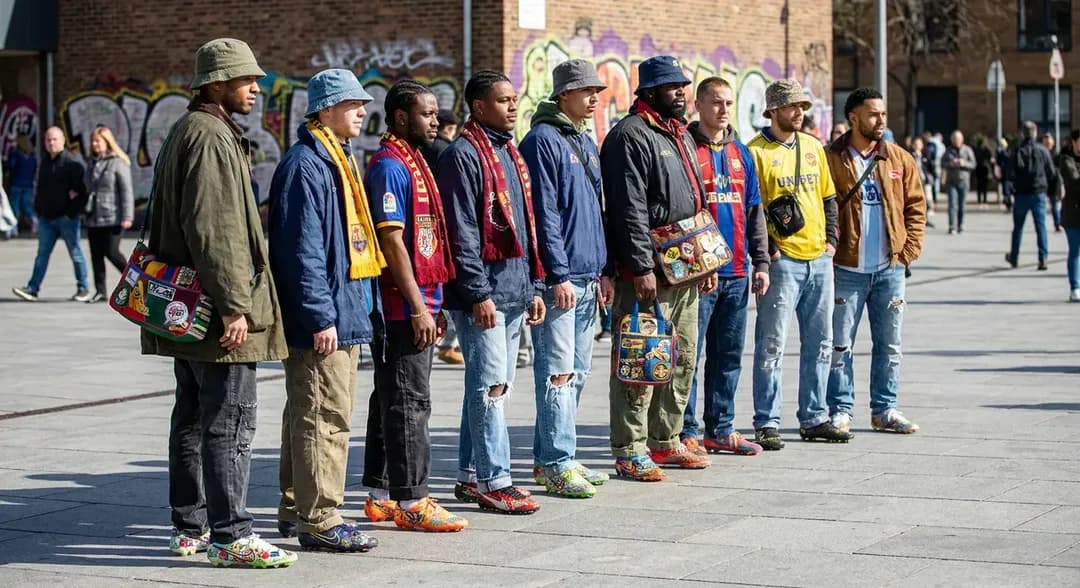
Technology Meets Tradition: Digital Age Fan Fashion
LED-embedded clothing has transformed night matches into light shows. South Korean supporters, leveraging their country's technological expertise, developed synchronized LED jerseys that pulse in rhythm with stadium music and crowd chants. The technology, originally designed for K-pop concerts, creates breathtaking visual effects that enhance television broadcasts and stadium atmosphere equally.
Portuguese fans have incorporated QR codes into their face paint designs that link to highlight reels of Cristiano Ronaldo's greatest moments. Nigerian supporters use temperature-sensitive fabric paint that changes colors based on excitement levels—literally showing their passion heating up during crucial moments.
The most ambitious technological integration comes from Dutch fans, who've created programmable fiber-optic scarves that display real-time match statistics, including possession percentages and player heat maps. What started as a novelty has become a functional enhancement to the viewing experience, with other national teams commissioning similar designs.
The Economics of Fan Fashion: A Billion-Dollar Runway
The World Cup 2026 fan fashion economy represents a seismic shift in sports merchandising. Traditional jersey sales, while still strong, now compete with custom face paint kits, LED accessories, and bespoke cultural wear. Adidas reported that personalized fan fashion accessories generated 40% more revenue than standard replica jerseys during the group stage.
Independent designers have found unprecedented opportunities. Sarah Chen, a textile artist from San Francisco, sold over 2,000 custom fan capes through Instagram during the first two weeks of the tournament. Her designs, which incorporate team colors into traditional kimono silhouettes, represent the democratization of sports fashion—fans no longer rely solely on official merchandise to express their support.
The economic impact extends beyond individual purchases. Host cities report significant increases in fabric store sales, costume rental businesses, and beauty supply shops. Professional makeup artists command premium rates for World Cup appointments, with some charging $500 for elaborate full-body designs that photograph well under stadium lighting.
Practical Notes
Planning your own World Cup fashion statement requires strategic thinking. Stadium security policies vary by venue, so research prohibited items before investing in elaborate accessories. Weather considerations are crucial—Phoenix summer heat demands different approaches than Toronto's potential rain. Many successful fan fashion displays result from group coordination, so connect with supporter clubs early. Professional makeup and body paint work best, but ensure artists use skin-safe, sweat-resistant products. LED and electronic accessories need battery planning for longer matches. Consider transportation logistics—elaborate costumes may require special vehicle arrangements. Document your creation process for social media, as behind-the-scenes content often generates more engagement than final photos. Finally, respect cultural elements you incorporate and understand their significance beyond aesthetic appeal.
Tags: #WorldCup2026 #FIFA2026 #FanFashion #WorldCupStyle #SoccerFans #FanCulture #WorldCupFashion #StadiumStyle #SportsStyle #FanArt #WorldCupTrends #SoccerCulture #FanCreativity #WorldCupExperience
All trademarks are the property of their respective owners.
Ask Karpo first
Want to keep following the World Cup 2026 story? Ask Karpo for personalized bracket, live scores, and match schedule for your teams and city.
Ask Karpo for more information.
Keep reading
- Haaland Has Seven Goals and Norway Runs Entirely Through Him
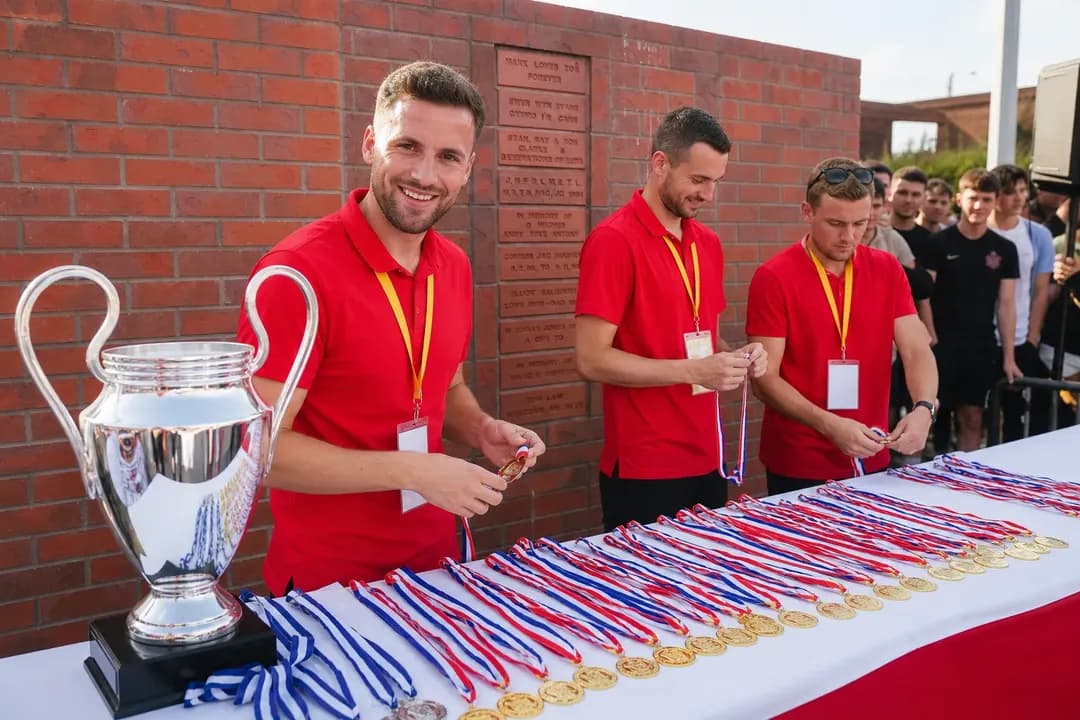 World Cup Trophy Ceremony Timing Medals and Postmatch Celebrations
 Olise and France's Attack: The Semifinal Tactical Question