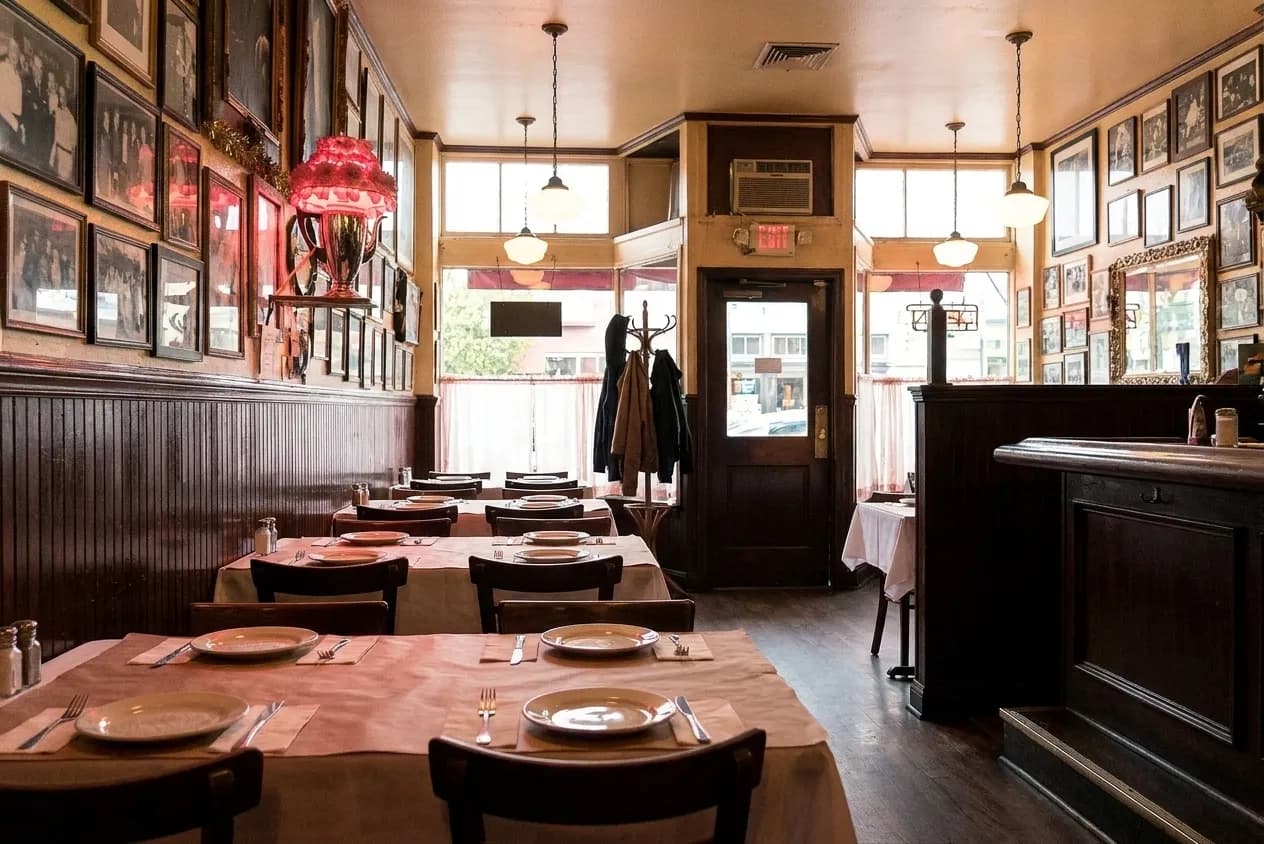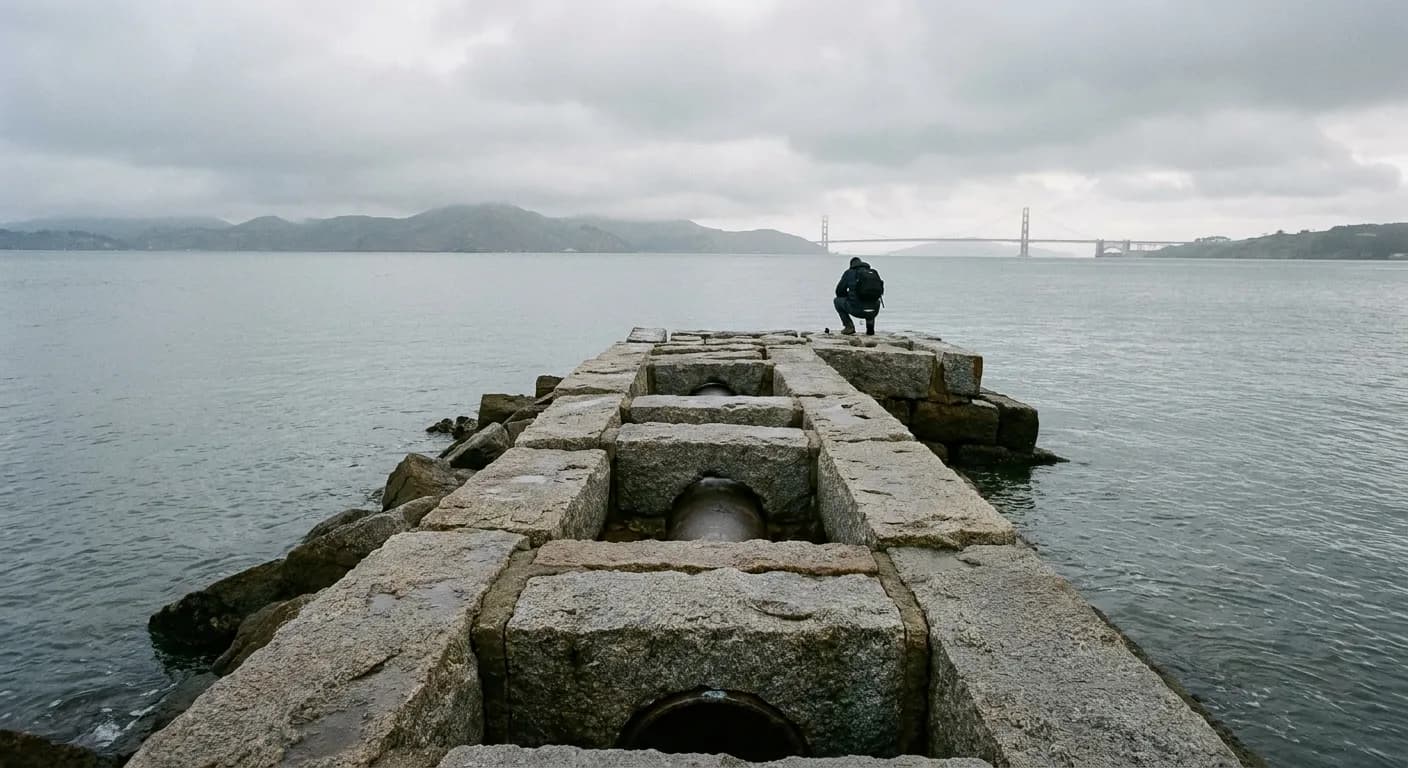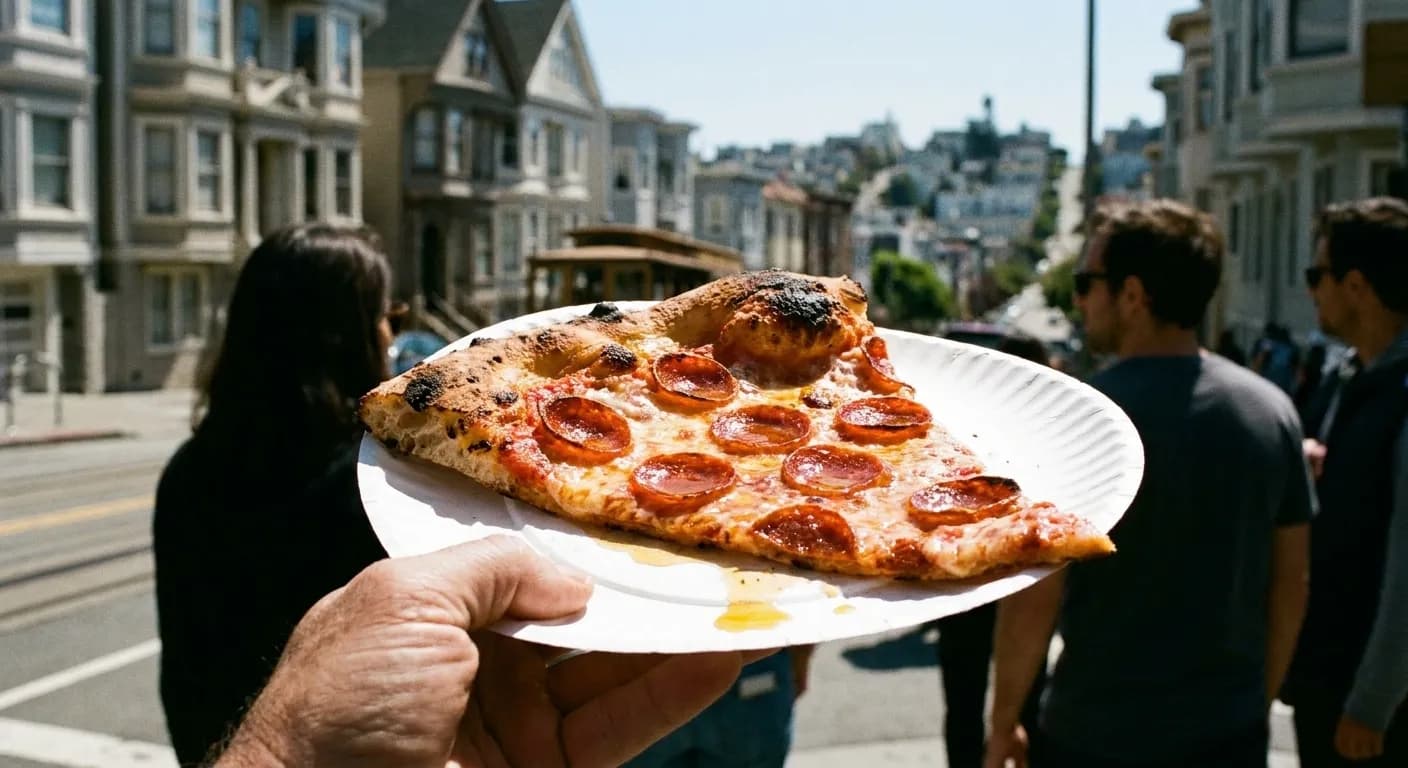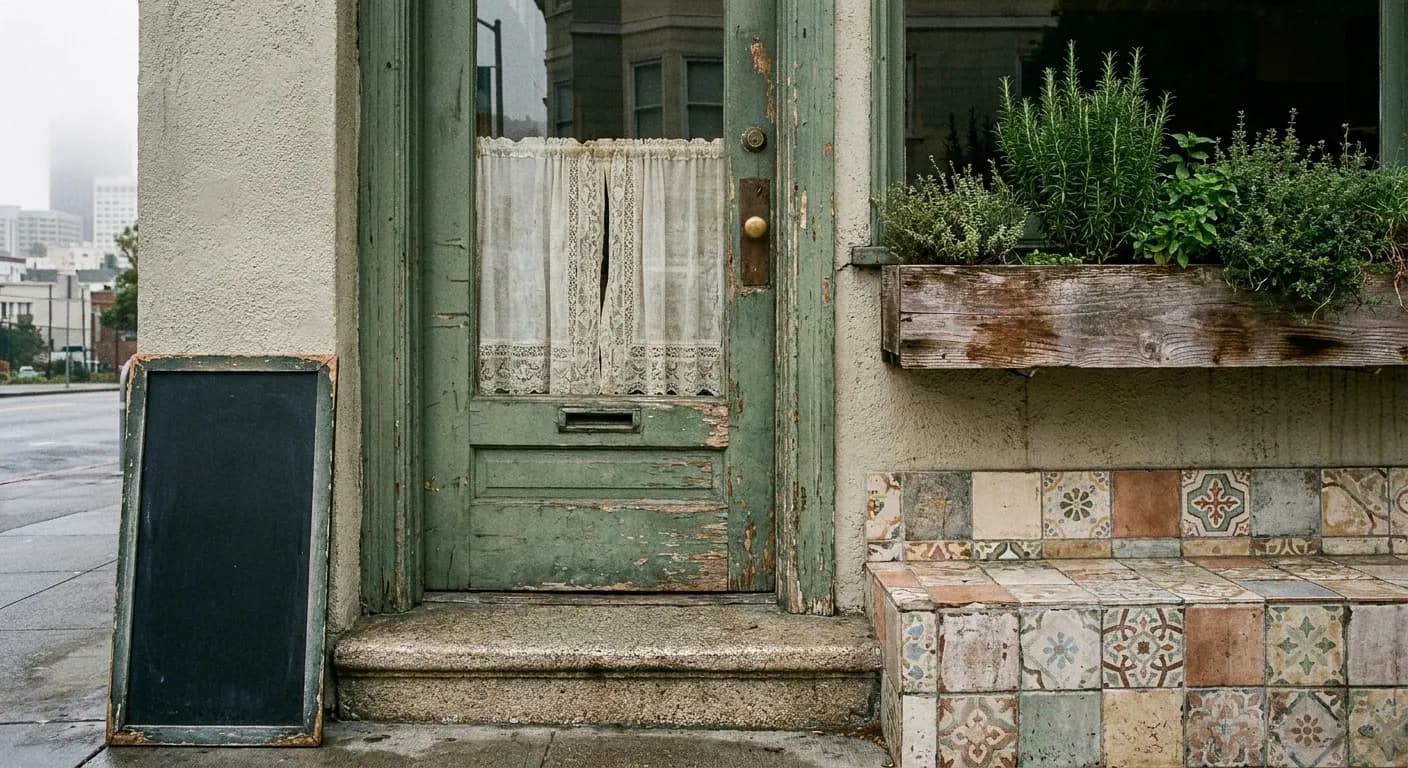
North Beach is San Francisco's Italian neighbourhood in the way that most historic immigrant neighbourhoods are these days: the population moved on decades ago and the food stayed. What that leaves is a strange and rewarding mix — a main street of restaurants aimed squarely at visitors, and, one block either side of it, a set of family-run rooms that have been cooking the same regional Mediterranean food for thirty or fifty years and have never needed to advertise.
Family-run rooms change their menu with what came in and rarely post any of it. Tell Karpo where you are and what you feel like, and it will find the small kitchens near you and what they are known for.
Getting off Columbus
The single most useful piece of advice about eating in North Beach is geographic. Columbus Avenue is the artery and the tourist corridor, and the restaurants with someone standing outside holding a menu are exactly what you would expect. Turn onto Green, Union, Vallejo, Grant or the alleys between them and the character changes within fifty metres: smaller rooms, shorter menus, older customers, and prices that have not been set with a cruise schedule in mind.
The physical signals are consistent. A menu that fits on one page. A handwritten specials board. A room with fewer than fifteen tables. Someone in the dining room who is clearly related to someone in the kitchen. Those four things together are a more reliable indicator than any rating.
What Mediterranean means in this neighbourhood
North Beach's cooking is mostly southern Italian in origin — Sicilian and Ligurian in particular, following the fishing families who settled here — which puts it squarely in the Mediterranean tradition rather than the northern Italian one most American restaurants borrow from. That means olive oil rather than butter, anchovies, capers, seafood, beans and greens, and a lot of things done with very few ingredients.
The neighbourhood also carries a broader Mediterranean layer that predates and outlasts the Italian one: Greek and Levantine kitchens, and the North African and Middle Eastern places that have arrived over the last two decades. Several are family operations of exactly the same kind, and they are consistently the best value in the area.
How to order in a room like this
Ask what is good today and mean it. Kitchens of this size buy small and cook what they found, and the printed menu is a floor rather than a description. The specials are usually the reason to be there, and they are frequently the cheapest thing on the table because they are built around whatever was abundant.
Order fewer courses than the menu structure implies. A plate of pasta made that morning, a shared vegetable, bread and a glass of wine is what the room is actually designed around, and it costs a fraction of the four-course version. If there is a whole fish or a braise on the specials board, that is the answer for two people.
The delis and bakeries are half the story
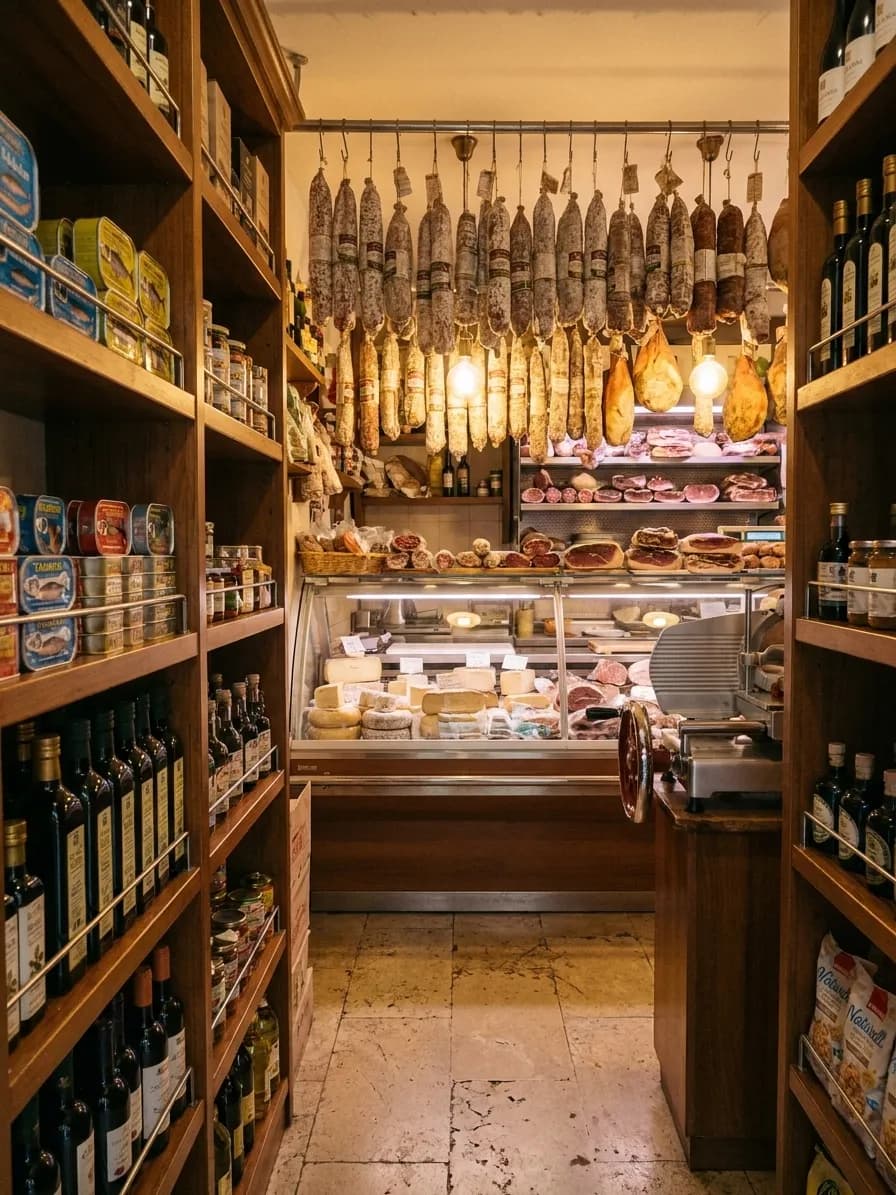
North Beach's food is not only in restaurants. The old delicatessens and bakeries along the side streets sell focaccia, cured meat, cheese, marinated vegetables and tinned fish, and the best cheap lunch in this part of San Francisco is a bag from one of them eaten in Washington Square. Several have been operating for a century, and they are the most direct link left to the neighbourhood's origins.
Buy the focaccia early. The bakeries make a fixed amount, the good stuff goes by lunchtime, and what is left at four is a different product. This is the one thing in North Beach genuinely worth planning your day around.
When to go, and what has changed
Go on a weekday and go early. These rooms fill with a neighbourhood crowd between six and seven-thirty, and they are small enough that arriving at eight on a Saturday means waiting on the street in the wind. Many close one day a week, often Sunday or Monday, and several close for a stretch in the winter, which is not always announced anywhere.
Winter is the right season for this neighbourhood anyway. The food here is cold-weather Mediterranean — beans, braises, brothy soups, roasted vegetables — and it makes far more sense on a foggy January weeknight than on a bright afternoon in August, when half the customers on Columbus are eating pasta because they are on holiday rather than because they are hungry.
It is worth being honest that this North Beach is smaller than it was. Rents, succession and the pandemic closed a number of the old rooms, and some of the names you will find in older articles no longer exist. Checking before you walk over is not pessimism, it is just the state of the neighbourhood — and the ones still open are open because people keep turning up.
Tags: #SanFrancisco #NorthBeach #MediterraneanFood #ItalianFood #FamilyRun #HiddenGems #SFEats #Focaccia #LittleItaly #WhereToEatSF #SFFoodie #BayArea #Delicatessen #NeighborhoodGems
Sources consulted: sftravel.com · sfchronicle.com · sfdph.org
All trademarks are the property of their respective owners.
Ask Karpo first
Small family kitchens keep their own hours, close for their own holidays, and change the menu with the delivery. Ask Karpo which rooms near you are open tonight, which have a specials board worth reading, and where the bakeries still have focaccia — it answers in iMessage, in a sentence.