The Numbers Tell a Frightening Story
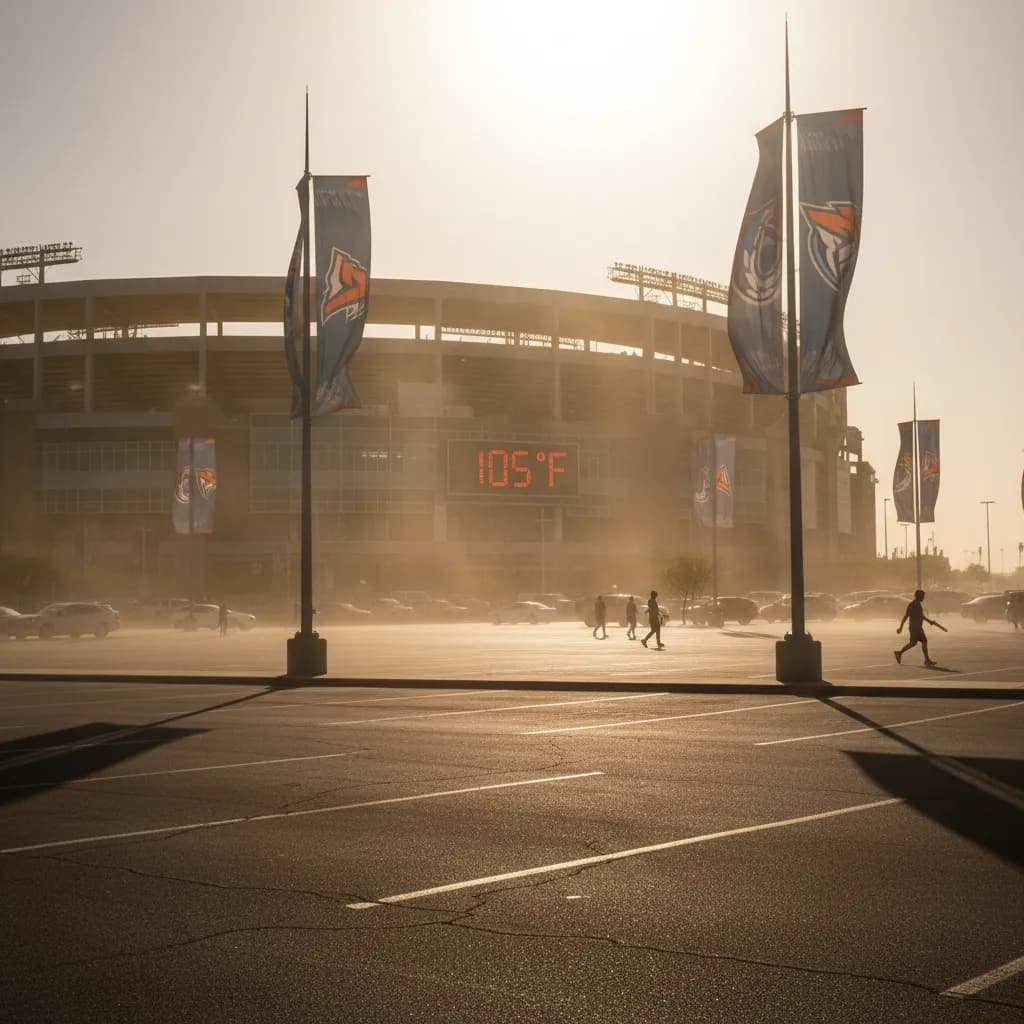
The 2026 World Cup has been played in the hottest conditions in the tournament's history. Temperatures at NRG Stadium in Houston reached 105 degrees Fahrenheit during a group-stage match between Brazil and Cameroon. At AT&T Stadium in Dallas, the retractable roof was closed for every match after thermometers hit 101 degrees in the open air. Even at indoor venues, the combination of heat, humidity, and the physical demands of professional soccer has pushed players to their limits. Three players have been hospitalized for heat-related illness during the tournament, and FIFA has implemented mandatory drinks breaks every 30 minutes — a protocol that has disrupted the flow of matches and drawn criticism from coaches who say it ruins tactical momentum.
FIFA Knew This Would Happen
The decision to hold the 2026 World Cup in June and July across the southern United States was controversial from the moment it was announced. Sports scientists warned that temperatures in Houston, Dallas, Atlanta, and Miami would regularly exceed safe thresholds for sustained physical activity. FIFA's own medical committee recommended either moving matches to northern venues or scheduling them exclusively in evening slots. Neither recommendation was fully adopted. Some group-stage matches kicked off at 1 PM local time in Houston, when the heat index exceeded 110 degrees. The players' union filed a formal complaint before the tournament began, and the complaints have only intensified.
The Impact on Match Quality
The heat has had a measurable impact on the quality of football. Sprinting distances are down 18% compared to the 2022 World Cup. Pressing intensity — measured by the number of high-intensity sprints per team per match — has dropped by 22%. Teams are sitting deeper, conserving energy, and playing more direct football. The beautiful, flowing passing sequences that defined the best moments of the 2022 tournament have been replaced by cautious, energy-saving tactics designed to survive the conditions rather than entertain. Several coaches have publicly stated that the heat is dictating their tactical approach.
The Drinks Break Controversy
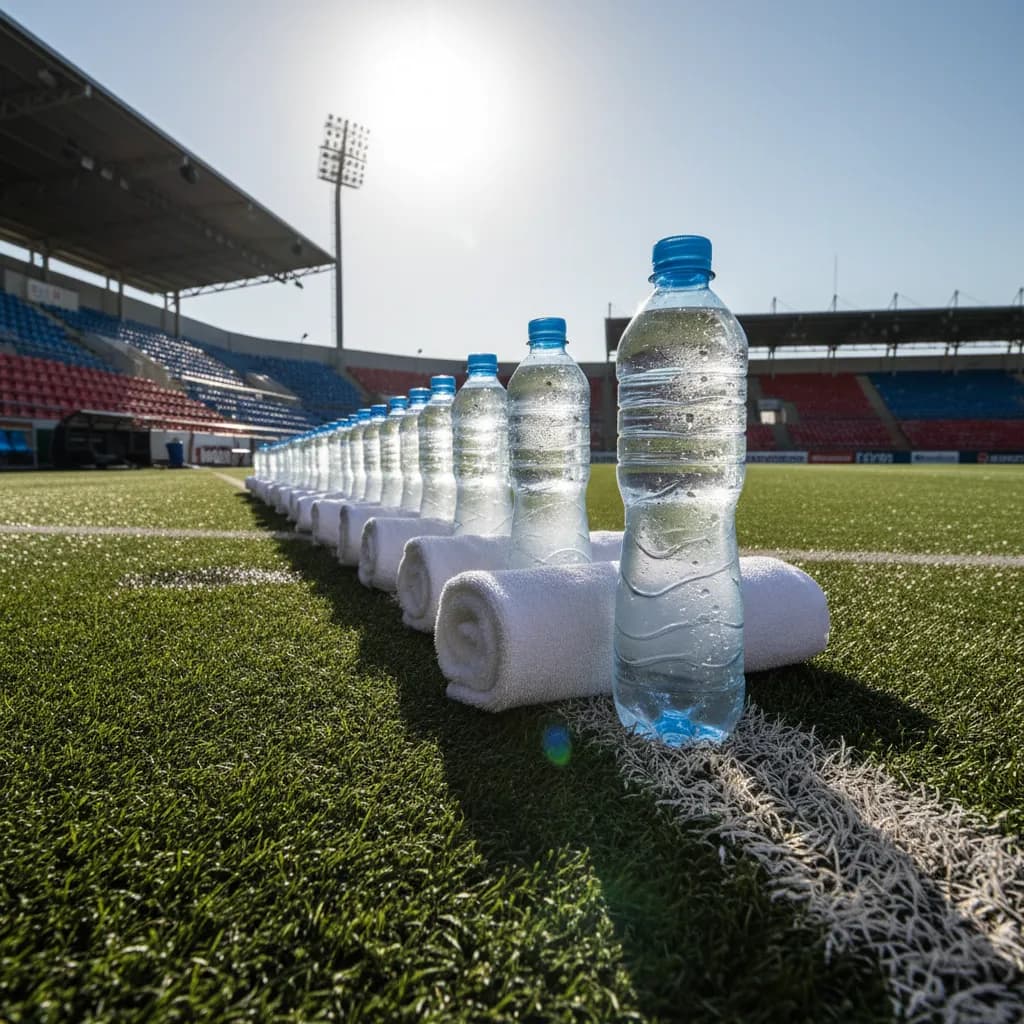
FIFA's mandatory drinks breaks — two per half, at 22.5 and 67.5 minutes — have been the most visible response to the heat crisis. Players gather at the touchline to hydrate, receive cold towels, and consult with coaching staff. The breaks last approximately three minutes each, adding 12 minutes of interruption to every match. Coaches are divided: some welcome the additional tactical window, using the break to reorganize their teams. Others argue that the breaks destroy momentum and give weaker teams a chance to reset after sustained pressure periods. Several dramatic attacking sequences have been interrupted by the whistle for a drinks break.

Player Health Incidents Have Been Alarming
Three players have been hospitalized during the tournament for heat-related conditions. A Tunisian defender collapsed during the second half of a match in Houston and was treated for heat exhaustion before being taken to hospital as a precaution. A Costa Rican midfielder experienced severe cramping and dehydration during a match in Dallas. A Nigerian forward was withdrawn after showing signs of heat stroke during warmups in Atlanta. All three recovered, but the incidents have highlighted the genuine danger of elite physical activity in extreme heat.
The Evening Slot Solution
Matches played in the evening — kicking off at 7 PM or later — have been markedly different in quality. With temperatures dropping to the 80s and humidity decreasing, players have been able to press, sprint, and play with the intensity that the World Cup demands. The contrast between afternoon and evening matches has been stark, and it has led to widespread calls for all knockout-round matches to be scheduled after sundown. FIFA has adjusted the Round of 16 schedule to move two matches from afternoon to evening slots, but the change affects only a fraction of the remaining games.
A Cautionary Tale for Future Tournaments
The 2026 World Cup's heat crisis will be studied for decades. It raises fundamental questions about how sporting events should be scheduled, where they should be held, and whose interests are prioritized — broadcasters, who want matches spread across the day for maximum TV coverage, or players and fans, who want conditions that allow the game to be played at its best. The answers will shape not just future World Cups but international sporting events across all disciplines in an era of rising global temperatures.
Tags: World Cup 2026, extreme heat, drinks breaks, player safety, FIFA, NRG Stadium, Houston, climate, scheduling controversy, player health
Sources consulted: ESPN · Al Jazeera · FIFA
All trademarks, team names, league names, and player likenesses mentioned in this article are the property of their respective owners and are used here for informational and editorial purposes only.
Ask Karpo First
Want to know which World Cup matches are scheduled for cooler evening slots and how to stay comfortable at outdoor venues? Ask Karpo for the latest match times, venue climate tips, and hydration stations near stadiums.