 Haaland Has Seven Goals and Norway Runs Entirely Through Him
⚽️2026 FIFA WORLD CUP
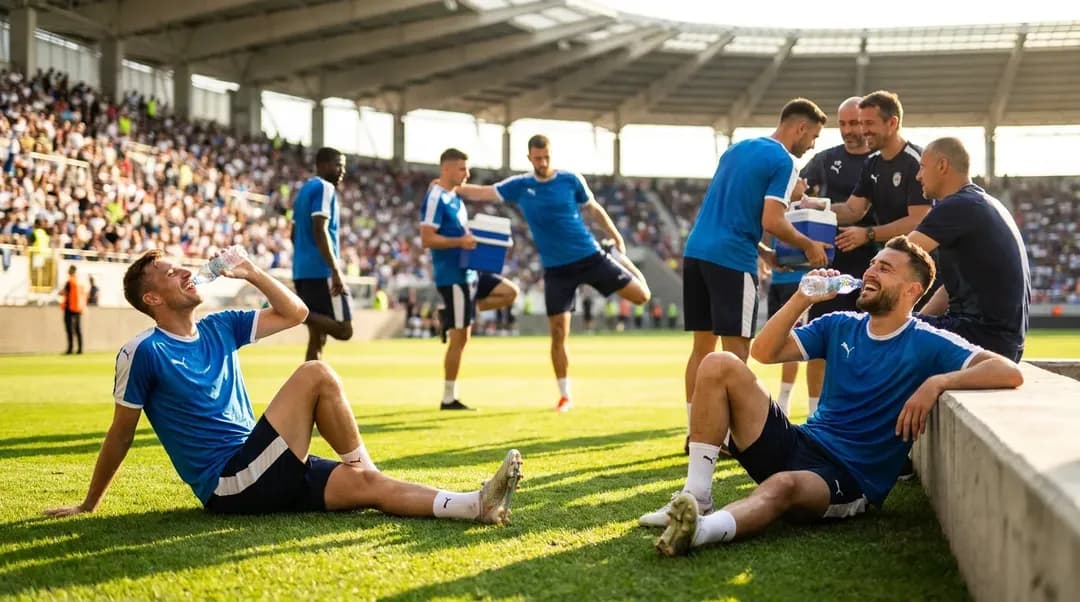
Extra-Time Fitness Decided the World Cup Final’s Last Phase
Spain's victory over Argentina in East Rutherford required thirty additional minutes of play that tested every dimension of tournament preparation. The decisive goal came in the 106th minute after both teams navigated the grueling demands of extra time.
The 2026 World Cup Final at MetLife Stadium in East Rutherford entered extra time locked at 0-0, setting the stage for a contest that would ultimately be decided by Spain's Ferran Torres in the 106th minute. The 1-0 victory after thirty additional minutes of play represented more than a single goal—it crystallized the importance of conditioning, squad depth, and tactical flexibility when matches extend beyond the standard ninety minutes. What unfolded between minute 90 and minute 120 offers a window into the unique demands that separate tournament winners from runners-up.
Text Karpo to explore the tactical evolution of extra-time strategies across World Cup history, including substitution patterns, formation shifts, and conditioning protocols that elite teams use to prepare for these decisive moments. We'll help you understand how modern sports science has transformed the final thirty minutes of knockout football.
The Physiological Reality of Minutes 90 Through 120
Extra time in elite football represents a fundamentally different physiological challenge than regulation play. By the time a World Cup Final reaches minute 90, players have already covered between 10 and 13 kilometers depending on their position, depleted significant glycogen stores, and accumulated neuromuscular fatigue that affects everything from sprint speed to decision-making quality. The additional thirty minutes demand that athletes push through barriers that their bodies are signaling them to respect, creating a scenario where mental resilience becomes inseparable from physical capacity.
The metabolic demands shift noticeably during extra time. While regulation play typically involves repeated high-intensity bursts with recovery periods, extra time often sees a reduction in average sprint speeds and an increase in the relative cost of each acceleration. Muscle efficiency declines as fatigue accumulates, meaning players must recruit more muscle fibers and expend more energy to achieve the same movements they executed more economically in the first half. This physiological reality explains why tactical adjustments and fresh substitutions become so pivotal—they're not just strategic choices but necessary responses to biological constraints.

Tactical Adjustments When Legs Begin to Fail
Coaches approach extra time with a fundamentally different tactical calculus than they employ during regulation. The universal tendency is toward greater conservatism in defensive shape, with teams often dropping deeper and compressing space more aggressively to limit the ground that exhausted players must cover. Pressing triggers change—where a team might press from the halfway line in minute 30, that same team in minute 100 might only engage pressure within 25 meters of their own goal. These adjustments aren't signs of negative intent but rational responses to diminished recovery capacity between sprints.
Offensive tactics similarly evolve to account for physical limitations. Direct play becomes more common as teams recognize that intricate passing sequences requiring precise movement and timing become harder to execute cleanly. Set pieces gain outsized importance because they offer goal-scoring opportunities that don't depend on sustained build-up play or repeated penetrative runs. The team that can maintain composure in possession while identifying moments to accelerate tempo—as Spain did leading up to Torres's goal in the 106th minute—often gains decisive advantages when opponents are too fatigued to transition quickly between defensive and offensive organization.
The Substitution Window and Squad Depth
Modern tournament regulations allowing additional substitutions in extra time have transformed how coaching staffs construct their squads and manage game flow. The ability to introduce fresh legs at minute 91 or minute 105 means that squad depth—the quality of a team's 18th through 23rd players—can matter as much as the quality of the starting eleven. Teams that reach finals having rotated effectively through earlier rounds, managing minutes for key players while maintaining competitive intensity, arrive with less accumulated fatigue across the entire squad.
The psychology of substitutions during extra time creates its own dynamics. Fresh players entering in the 91st minute have both physical advantages—full glycogen stores, no accumulated fatigue—and mental ones, as they haven't endured the emotional oscillations of the preceding ninety minutes. Conversely, they may lack the tactical rhythm that players on the field have developed. Coaches must balance introducing energy against disrupting established patterns, a calculation that becomes more complex as the match progresses and the number of available substitutions dwindles.
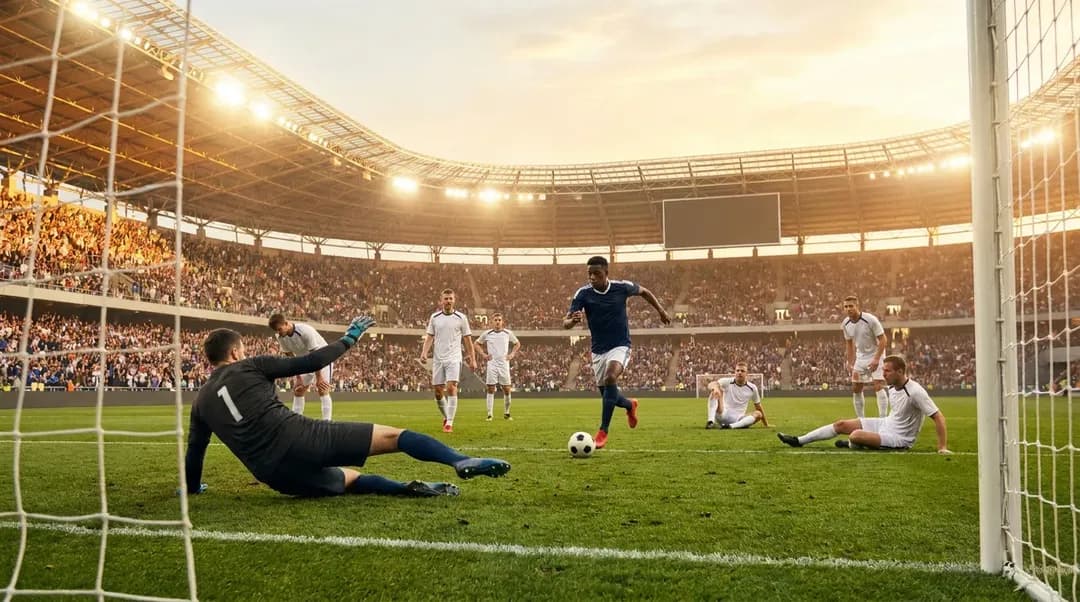
Mental Fatigue and Decision-Making Quality
Physical exhaustion in extra time inevitably affects cognitive performance. Research in sports science consistently demonstrates that decision-making speed and accuracy decline as players accumulate fatigue, with reaction times slowing and the frequency of technical errors increasing. Simple choices that players make instinctively in minute 15—whether to pass or dribble, which passing lane to select, when to commit to a tackle—require more conscious deliberation in minute 105. This cognitive load creates opportunities for the team that can better manage information processing under duress.
The compounding effect of mental and physical fatigue explains why extra time often produces momentum swings that seem disproportionate to the events that trigger them. A single misplaced pass or mistimed challenge can cascade into defensive disorganization because exhausted players lack the physical capacity to immediately recover positions or the mental freshness to rapidly reorganize. Spain's goal in the 106th minute likely resulted not just from tactical execution but from Argentina's momentary lapse in concentration or positioning—the kind of micro-error that becomes more probable as fatigue accumulates.
Preparation Protocols for Extended Play
Elite teams prepare for the possibility of extra time throughout their tournament preparation, though the specific protocols vary by coaching philosophy and sports science approach. Conditioning work often includes intervals designed to simulate the stop-start nature of football after fatigue has set in, with players executing technical skills and tactical patterns while in various states of exhaustion. Some teams incorporate specific extra-time scenarios in training matches, forcing players to make decisions and execute skills after 100 simulated minutes of play.
Nutritional strategies play an equally important role. Teams carefully manage hydration and glycogen replenishment during the brief break between regulation and extra time, with sports scientists calculating precise interventions to maximize available energy for the additional thirty minutes. The quality of a team's sports science infrastructure—their ability to monitor individual player fatigue markers, customize nutritional interventions, and make data-informed substitution decisions—can create marginal gains that prove decisive when matches extend beyond ninety minutes. In a final decided by a single goal in the 106th minute, these marginal differences become everything.
The Psychological Weight of Extra Time in Finals
Extra time in a World Cup Final carries unique psychological pressure distinct from other matches. Players understand they're thirty minutes from either ultimate triumph or devastating loss, with no tomorrow to rectify mistakes or recover from defeat. This awareness can produce both exceptional performances—players finding reserves they didn't know existed—and catastrophic errors as the weight of the moment overwhelms technical execution. The team that better manages this psychological dimension, keeping players focused on immediate tactical tasks rather than long-term consequences, often gains critical advantages.
The scoreless regulation time at MetLife Stadium meant both Spain and Argentina entered extra time with the psychological burden of knowing a single mistake could end their tournament. This dynamic typically produces cautious opening phases in extra time, with both teams prioritizing defensive solidity over aggressive attacking intent until someone blinks. Spain's ability to break through in the 106th minute—finding the goal that Argentina couldn't—suggests they either maintained higher-quality decision-making under pressure or benefited from a fortunate moment when Argentina's concentration wavered. In matches this tight, separated by such narrow margins, the distinction between those explanations matters less than the result itself.
Tags: #WorldCupFinal #ExtraTime #SpainVsArgentina #TacticalAnalysis #SportsScience #FerranTorres #EliteFootball #MetLifeStadium #TournamentFitness
All trademarks are the property of their respective owners.
Ask Karpo First
Whether you're analyzing how tournament schedules affect team fatigue, comparing extra-time records across World Cup history, or understanding the evolution of substitution rules in knockout football, Karpo delivers verified information without speculation. Get clear answers about the preparation methods, physiological demands, and tactical considerations that define football's most demanding moments.
Ask Karpo for more information.
Keep reading
- Haaland Has Seven Goals and Norway Runs Entirely Through Him
 World Cup Trophy Ceremony Timing Medals and Postmatch Celebrations
 Olise and France's Attack: The Semifinal Tactical Question