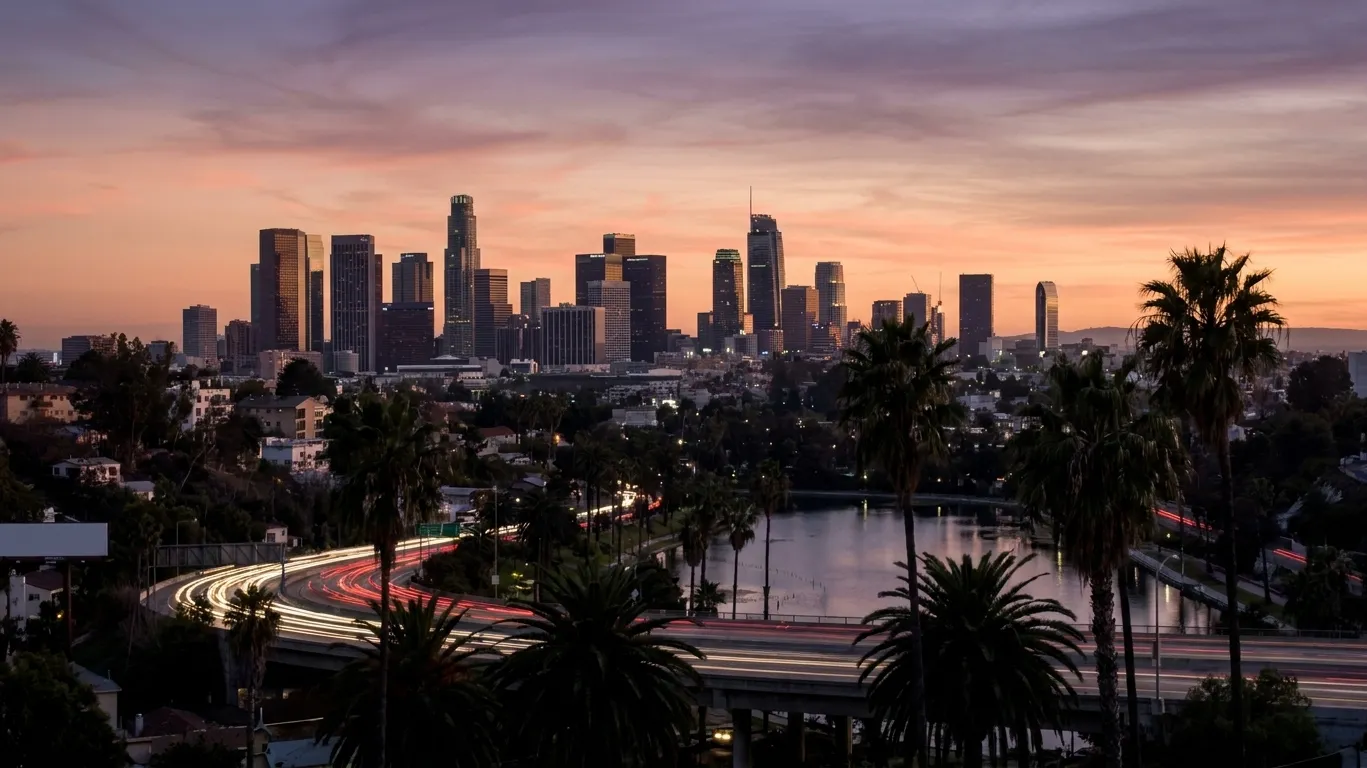
Los Angeles has more going on in any given month than almost any city in the world, and residents routinely go to less of it than people in far smaller places. The reason is not apathy. It is that every event here carries a hidden second cost — the drive — and that cost is invisible on a listing and enormous in practice. A show that starts at eight in Silver Lake is a different proposition depending on whether you live in Echo Park or in Santa Monica, and no events calendar will ever tell you that. Building a month that you actually attend means sorting by geography first and by interest second, which feels backwards and is the only thing that works.
Karpo can filter this month's Los Angeles events by what you can realistically reach, and tell you what the drive looks like at that hour.
Sort by geography before you sort by interest
The practical method is to divide the month into two categories. Local events, within roughly twenty minutes of home, which you can decide on the day and attend on a whim. And destination events, anywhere else, which need to be committed to in advance and treated as the evening's main activity rather than one item in it.
Most people's calendars fail because everything is treated as the first category. Four destination events in a month is a realistic number for most Angelenos; eight is a number people plan and then cancel half of. Being honest about which category something falls into at the moment you book is the single biggest improvement available.
What actually justifies crossing the city
Three things reliably justify a long drive. Something genuinely singular — a touring artist who will not return, a one-off screening, an exhibition closing. Something outdoors and site-specific, where the place is half the point. And anything where the destination has more than one thing to do, so that the drive buys an afternoon rather than ninety minutes.
What does not justify it: a good restaurant that has an equally good counterpart nearer to you, a recurring event you could catch next month, or anything you are attending mainly because it appeared in a listing. This sounds obvious and is routinely ignored.
Use Metro where it genuinely works
The rail network in Los Angeles is not comprehensive and pretending otherwise helps nobody. But for a specific set of destinations it is straightforwardly better than driving: downtown, Koreatown, Hollywood, Highland Park, Boyle Heights and the corridor out to Long Beach and to Santa Monica are all well served, and for an evening event at any of them the train removes both traffic and parking at once.
Check the last service before you rely on it, because the network winds down earlier than a night out does, and a stranded return is worse than the parking you avoided. For events that end by about eleven at a rail-served venue, the train is simply the right answer.
The recurring monthly anchors
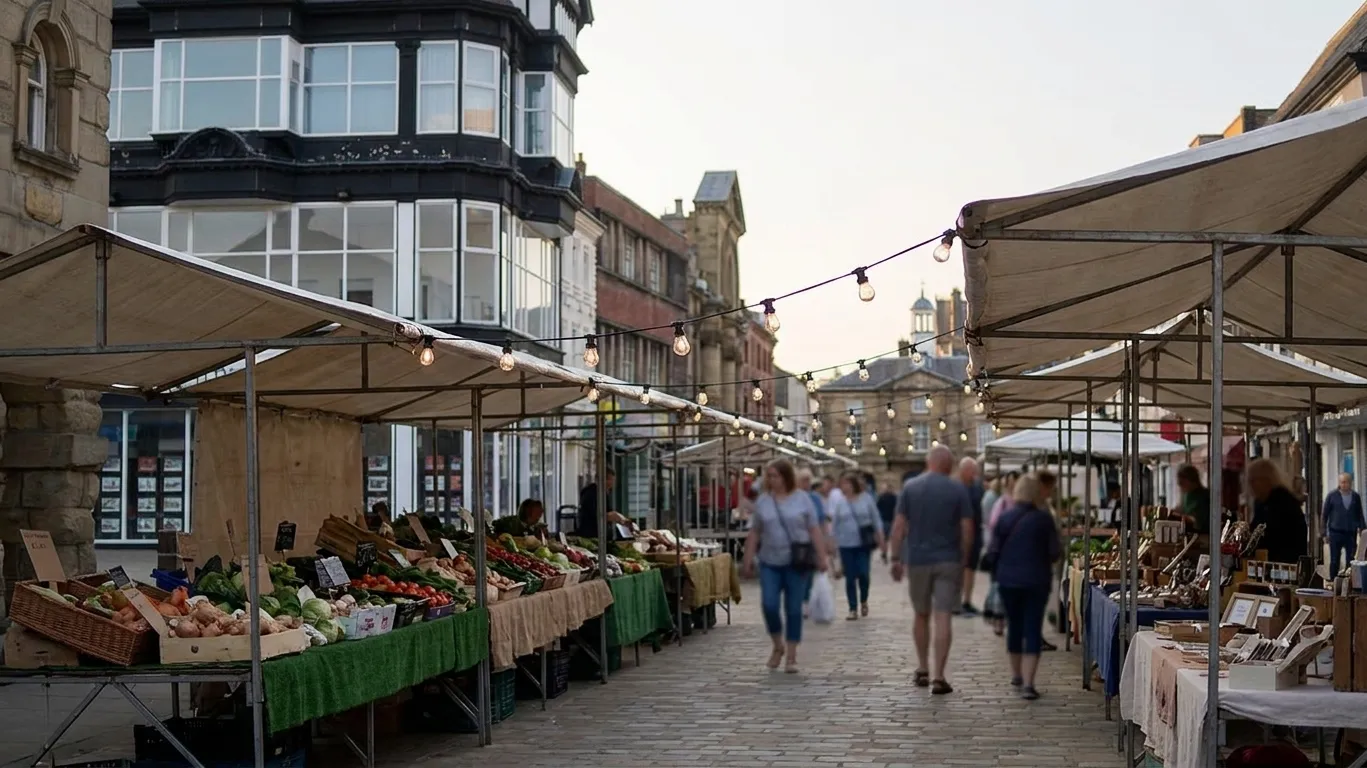
Los Angeles has a set of things that happen on the same schedule every month and are worth building a calendar around precisely because they need no research: the county's larger museums run free or reduced hours on a recurring basis, several neighbourhoods hold monthly art walks, the farmers markets run on fixed days across every district, and the outdoor screening and concert series run on fixed weeknights through the warmer months.
Anchoring a month on two or three of these means the calendar exists whether or not you get round to looking anything up. It also means you learn a district properly by returning to it, which is a much better relationship with this city than sampling twelve neighbourhoods once each.
Timing an evening around the peak
The rule from every other part of Los Angeles life applies here too: do not cross the city between four and seven on a weekday. For an event with a fixed start time this usually means either leaving absurdly early and having a drink near the venue, or choosing a venue on your own side of town.
Leaving early is genuinely the better option and it is what experienced people do. Arriving in a neighbourhood ninety minutes before a show, parking easily, and eating somewhere near the venue turns a stressful drive into the good part of the evening. The alternative — leaving at the sensible time and arriving stressed and late — is the one that makes people stop going to things.
Weather, season and the outdoor calendar
Los Angeles runs a very long outdoor season, and the summer months in particular carry a large volume of open-air screenings, concerts, markets and festivals. What catches people out is the temperature drop after dark, which is substantial, especially near the coast and in the canyons. Bring a layer to every outdoor evening event, in every month.
The other seasonal factor is fire and heat, which in late summer and autumn can cancel outdoor events at short notice and can make an evening genuinely unpleasant even when nothing is cancelled. Check on the day for anything outdoors in that part of the year, and be willing to abandon a plan; the calendar here is abundant enough that missing one thing costs nothing.
One final tactic that works particularly well here: pair events with a meal in the same district rather than treating them as separate decisions. Because the drive is the expensive part, an evening that combines a show with dinner nearby extracts twice the value from one journey. Angelenos who go out a lot almost all do this instinctively, and it is the difference between a district being worth crossing the city for and not.
Tags: #LAEvents #EventsNearMe #WeekendPlans #LosAngeles #LATraffic #Metro #ArtWalk #FarmersMarket #ThingsToDo #LAGuide #OutdoorEvents #Hollywood #DowntownLA #CityLiving
Please drink responsibly. Must be of legal drinking age.
All trademarks are the property of their respective owners.
Ask Karpo first
Want to know which Los Angeles events this month you can realistically reach, and what the drive looks like at that hour? Ask Karpo before you commit the evening.