The usable New York weeknight runs from about six-fifteen to about nine-thirty. That is three hours, and a bad choice spends ninety minutes of it underground. The single most useful reframing of the weekday evening is to stop sorting by what you want to do and start sorting by what you can reach — because on a Tuesday, the thing you can get to in fifteen minutes and the thing you can get to in fifty are not competing on quality, they are competing on whether you go at all.
A weeknight only works if the thing you pick starts soon enough and sits on a line you are already on, and no listings site sorts by either. Text Karpo where you are leaving from and what time you finish, and get the things starting in the next two hours that you can actually reach without a transfer.
Six to seven is the whole window
Anything starting at eight on a weeknight is a commitment to being home after eleven, and most people who make that commitment at five in the afternoon regret it by nine. The evening events worth building a Tuesday around start between six and seven, run ninety minutes to two hours, and put you back on a train before ten.
This is why museum evening openings, early gallery receptions, talks and readings outperform shows on a weeknight. They are structurally the right length. A concert is a Friday format that has been placed on a Wednesday, and treating it as such saves a lot of tired mornings.
Sort by line, not by neighbourhood
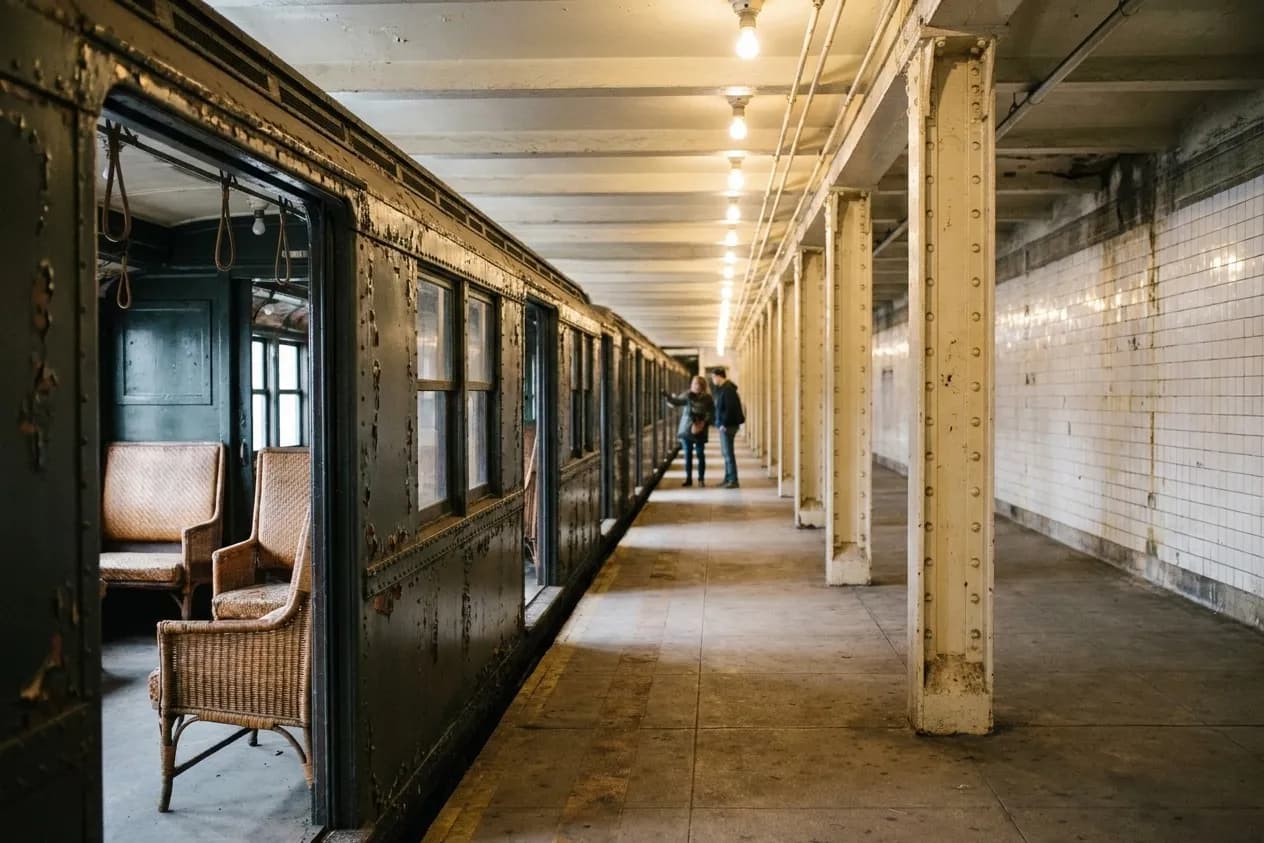
The map lies about New York. Two places three miles apart can be twelve minutes or forty depending entirely on whether they share a train line, and a weeknight has no slack for a transfer that goes wrong. The correct filter is: what is happening tonight on the line I am already going to be on.
Applied properly this changes what you go to. It means the good thing in Brooklyn is off the table on a night you are in Midtown, and the mediocre thing four stops down your own line is on it. On a weeknight the mediocre thing you attend beats the excellent thing you skip, every time.
The formats that work on a Tuesday
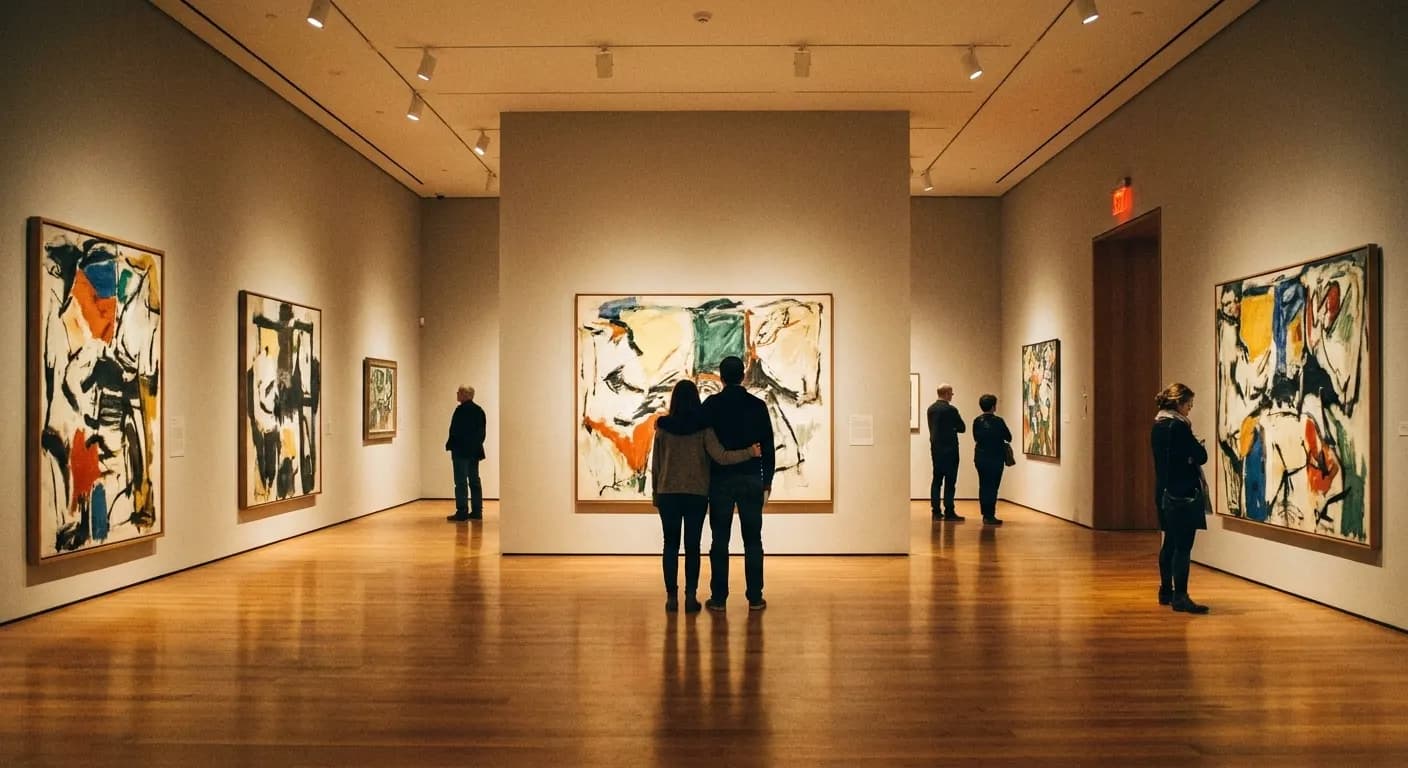
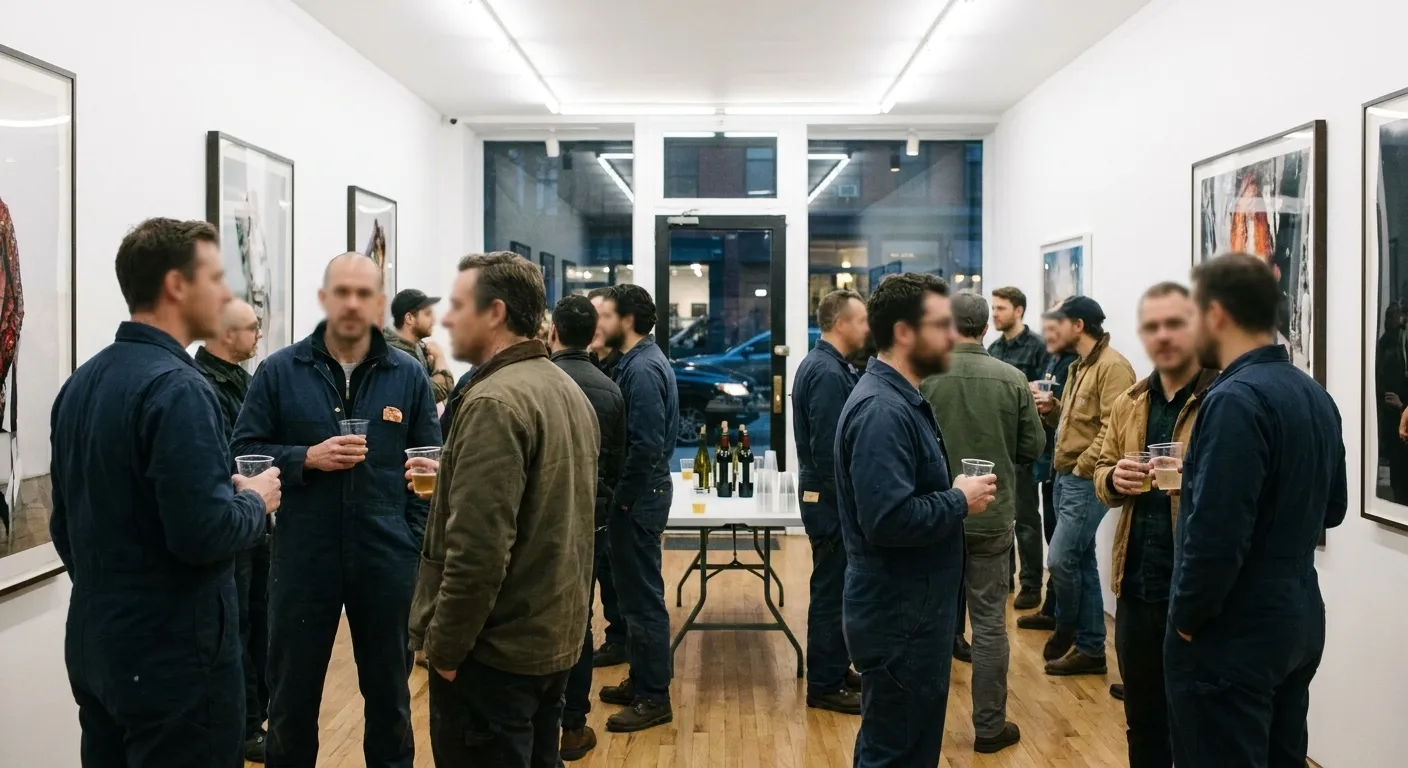
Three categories reliably fit. Institutional evening programming — museum lates, library talks, lectures — starts early, ends cleanly and is frequently free or cheap. Gallery openings run roughly six to eight and require no commitment at all: you walk in, you look, you leave when you want. And single-set music, where a room has an early show at seven rather than a headliner at eleven, is the one live-music format that survives a working day.
What does not work: anything with an unpredictable end, anything requiring a full dinner beforehand, and anything more than about thirty-five minutes from where you finish the day. Those are not rules about quality. They are rules about a Wednesday.
The booking you have to do before you leave
The failure mode of a spontaneous weeknight is arriving at a free event that required an RSVP that closed at noon. Free-with-reservation is extremely common in New York's institutional programming, and the window can be tight. Two minutes of checking at five in the afternoon protects the entire evening.
The same applies to anything with a capacity. Small rooms fill on a weeknight faster than people expect, precisely because the crowd is local and decides late. If there is a list, get on it before you leave rather than on the train.
Eat afterwards, not before
The instinct is to eat first because you are hungry at six. Resist it: dinner before an event turns a three-hour evening into two, and rushing a meal to make a start time is the least pleasant way to eat in this city. Get something small on the way, then eat properly afterwards at half nine when the restaurants are calm and you can actually get a table.
New York is one of the few American cities where the nine-thirty dinner is entirely normal, and using that is the difference between a weeknight that felt like an evening and one that felt like an errand.
The realistic version
You will not do this every night, and the attempt to is why people stop doing it at all. One weeknight a week, chosen on the day, on a line you are already on, starting before seven, is a sustainable habit. Three a week is a resolution that lasts a fortnight.
The compounding benefit is that you start to know what is on near your own route without checking, which is the point at which the weeknight stops being a project. That takes a couple of months and it is the difference between living in New York and commuting through it.
Tags: #eventsinnyctoday #afterwork #weeknightnyc #tonightinnyc #midtown #downtown #brooklyn #nycevents #earlyevening #commute #nycculture #thingstodotonight #manhattan #freeevents
All trademarks are the property of their respective owners.
Ask Karpo first
A weeknight in New York is short and the deciding factor is travel time rather than what is on. Ask Karpo what is starting in the next couple of hours near your route home, how long it runs, and whether you need to book before you leave the office.