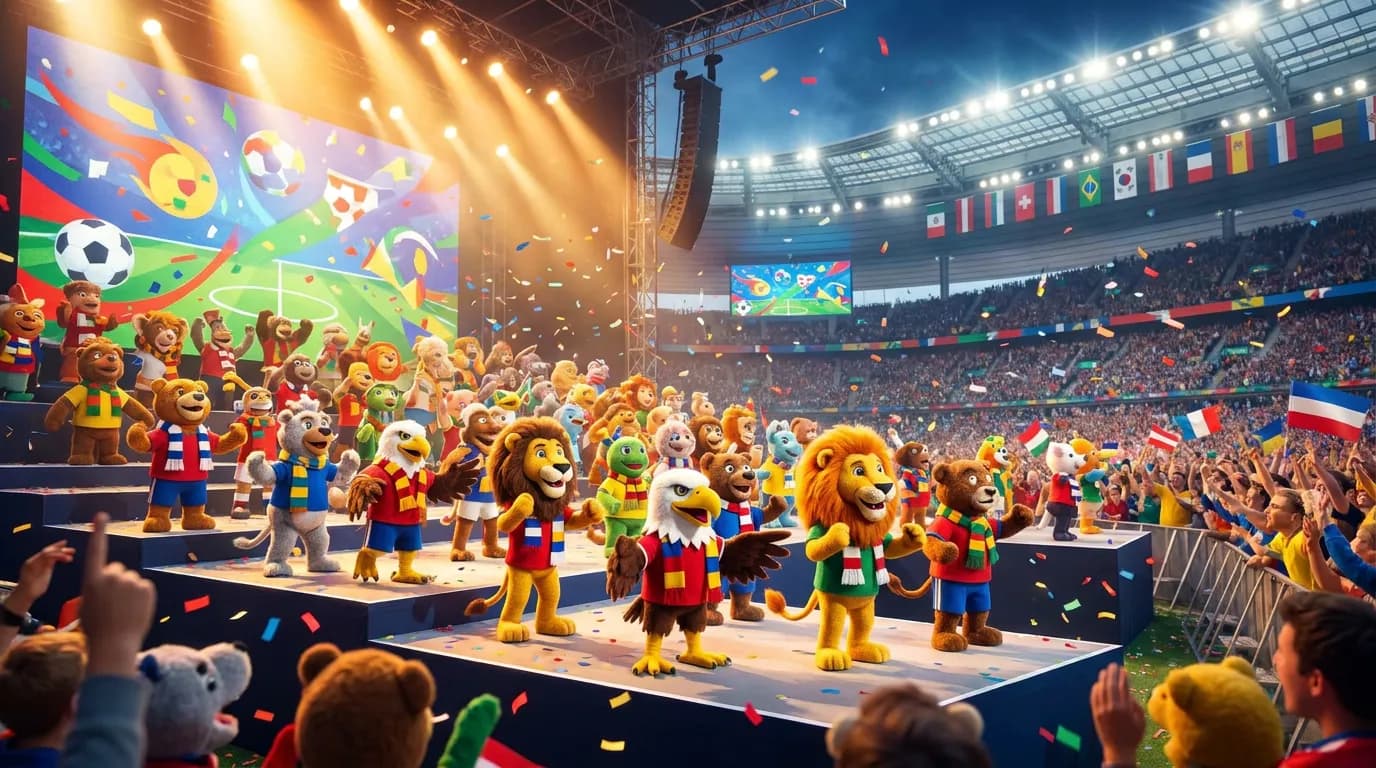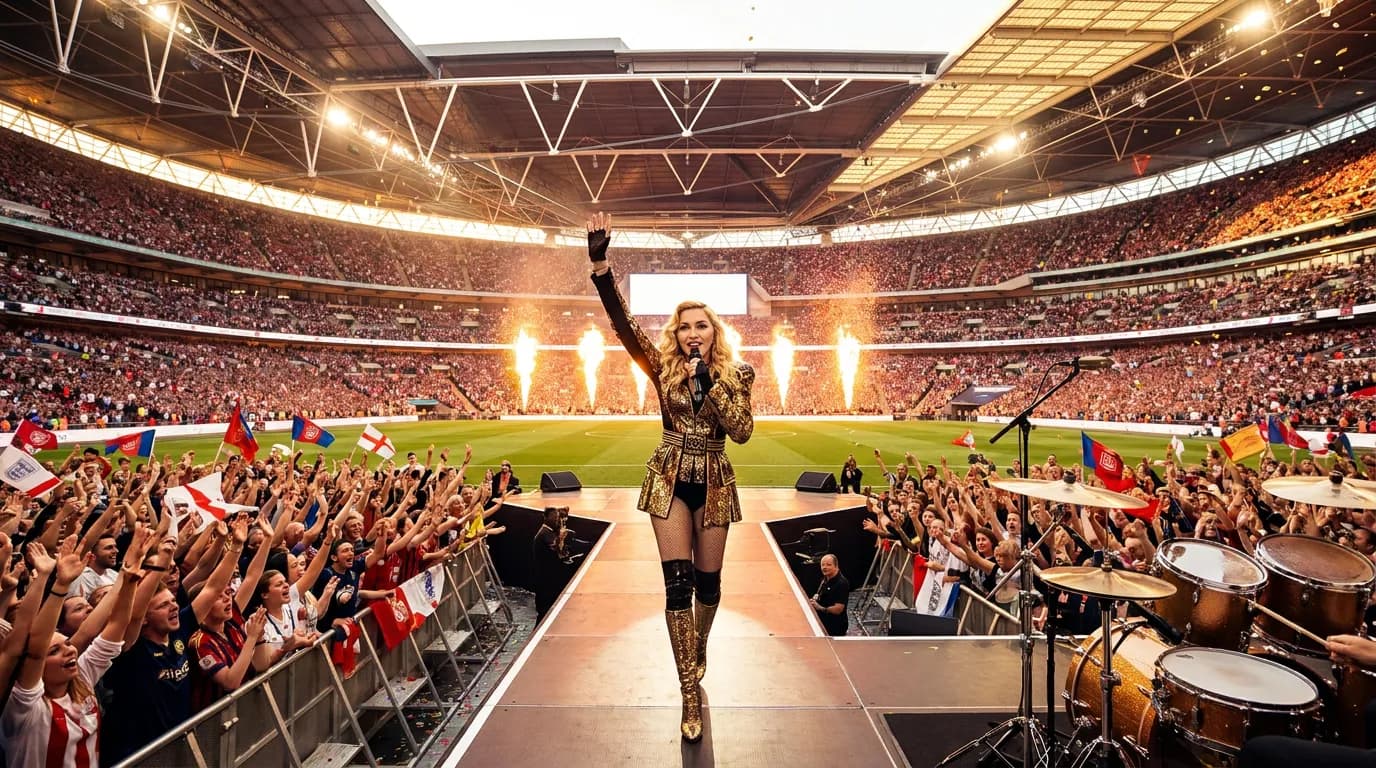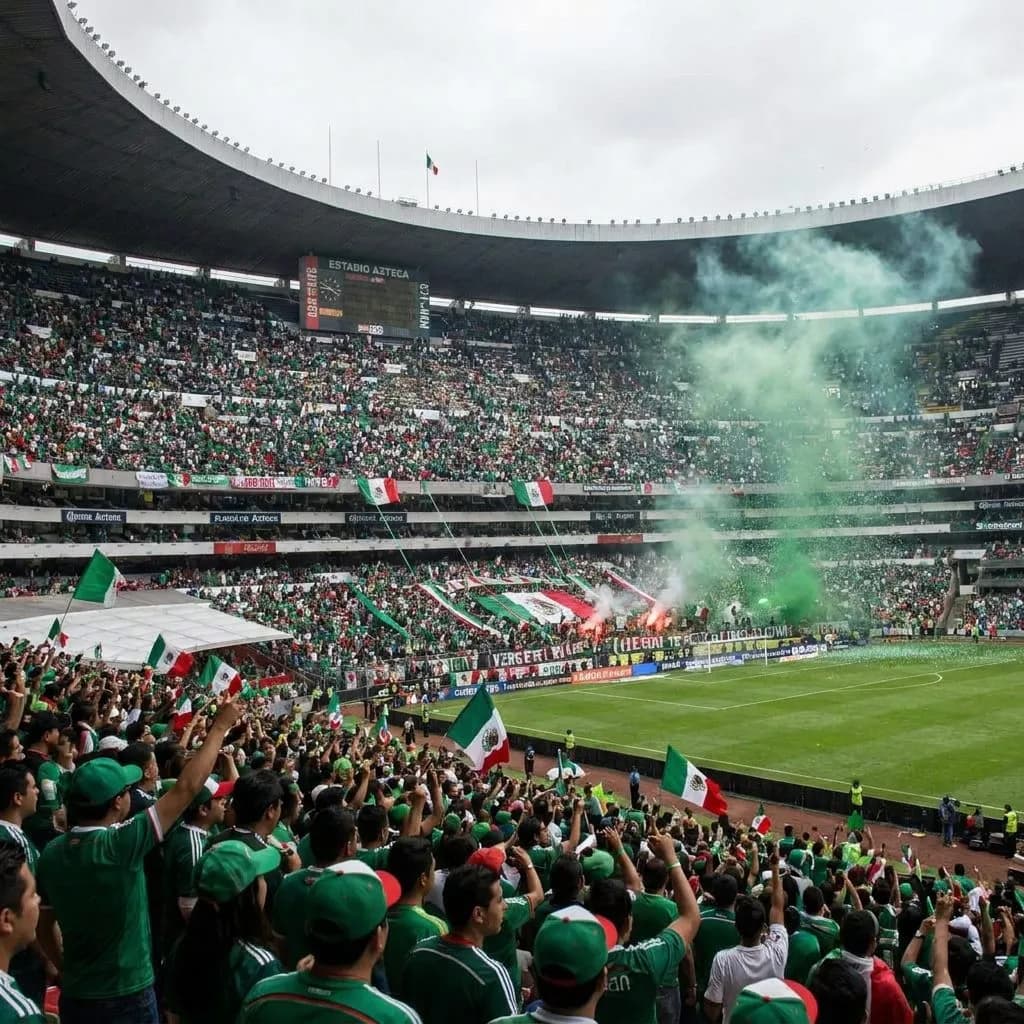
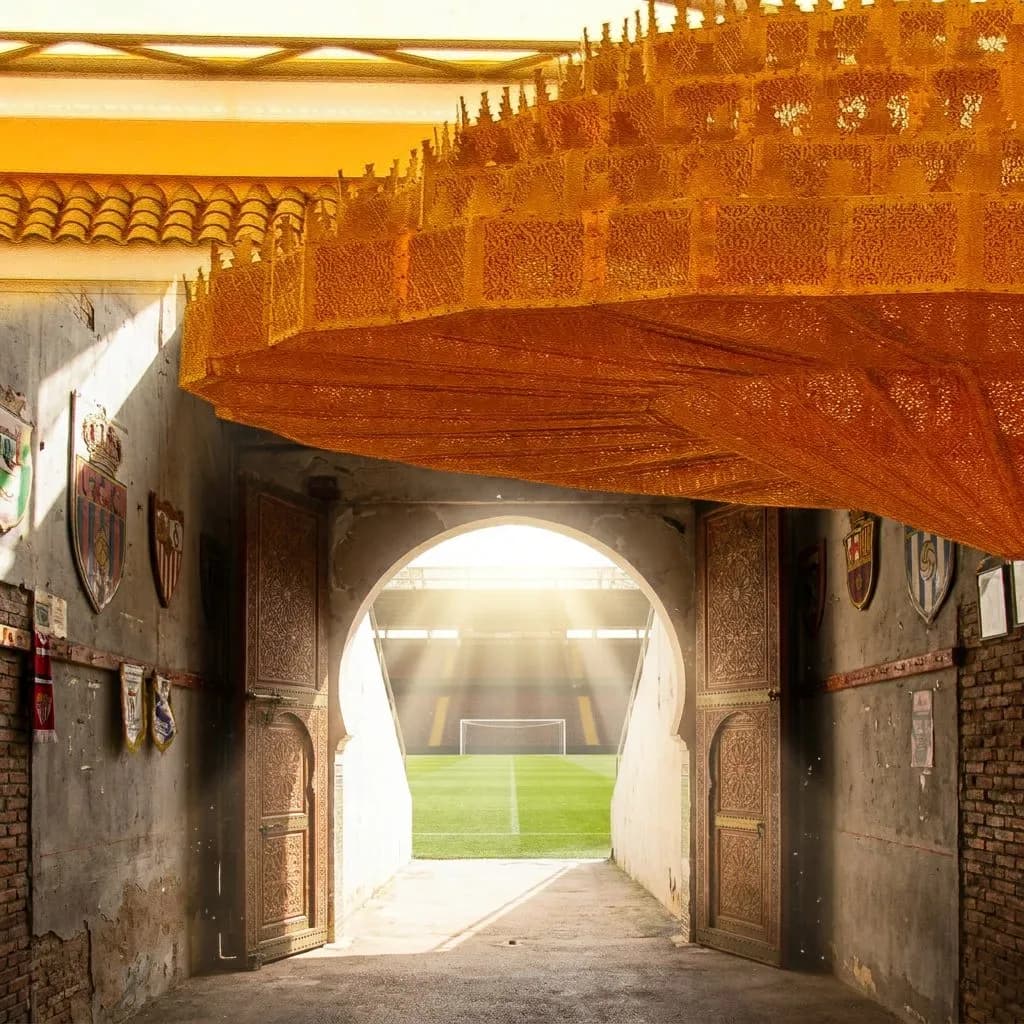
The roar hits you first – a deep, primal vibrato. As you emerge into the blinding sunlight, the scale of Estadio Azteca truly reveals itself. A colossal concrete colossus, its vast bowl stretches upwards and outwards, a modern-day coliseum filled with a kaleidoscopic sea of humanity. The air hums with anticipation, thick with the scent of roasted corn, simmering chiles, and the palpable excitement of nearly 90,000 fans. This is not just a stadium; it’s a living, breathing monument to football, a place where legends are forged, and history is made with every thunderous cheer. As Mexico City prepares to host the World Cup for an unprecedented third time in 2026, Estadio Azteca stands ready to write another chapter in its storied legacy.
Estadio Azteca History: Three World Cups
Estadio Azteca is practically a deity in the pantheon of global football. Inaugurated in 1966, this architectural marvel was designed by Pedro Ramírez Vázquez and Rafael Mijares Alcérreca. Its unique design, featuring concentric circles, creates an unparalleled atmosphere.
The stadium holds the distinct honor of being the only venue in the world to have hosted two FIFA World Cup finals, in 1970 and 1986. The 1970 final saw Pelé’s masterful Brazil squad lift the Jules Rimet trophy. Sixteen years later, Diego Maradona delivered his iconic "Hand of God" goal and the unforgettable "Goal of the Century" before leading Argentina to World Cup glory. These moments are woven into the fabric of the stadium itself, imbuing it with a profound sense of history and destiny.
Looking ahead to 2026, Estadio Azteca will achieve an unprecedented feat by becoming the first stadium ever to host matches in three separate FIFA World Cups. This extraordinary distinction underscores its enduring significance and its role as a global football icon. Beyond the World Cup, it's the spiritual home of Club América, and has hosted numerous international friendlies, concerts, and even Papal visits. The stadium recently underwent significant renovations for the 2026 tournament, including upgrades to seating, hospitality areas, and technological infrastructure, all while preserving its iconic structure.
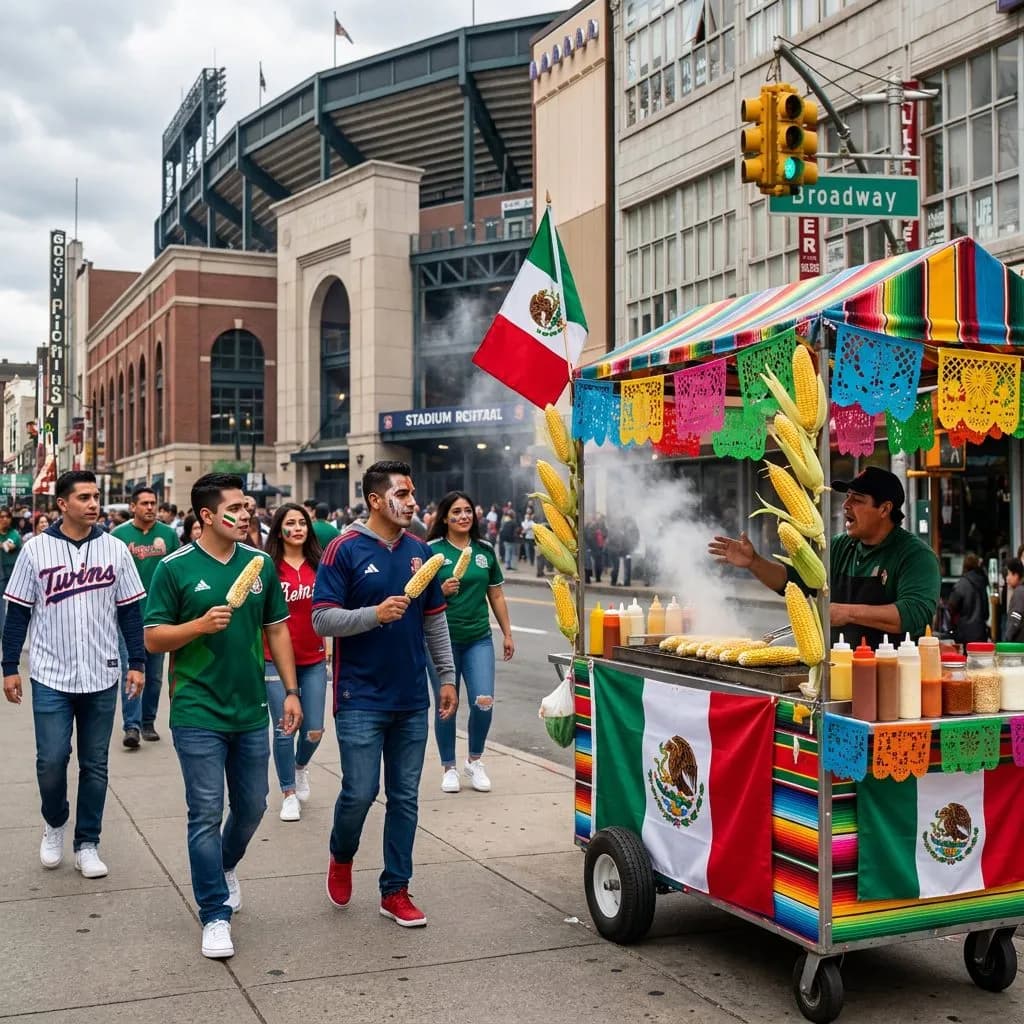
Getting There: Metro, Uber, and Driving Routes
Navigating Mexico City can be an adventure, but reaching Estadio Azteca is relatively straightforward.
*Metro: This is arguably the most efficient and authentic way to get to the stadium. Take Line 2 (Blue Line) of the Metro to Tasqueña station. From Tasqueña, transfer to the Tren Ligero (Light Rail) heading south. The stadium has its own dedicated stop: Estadio Azteca. Be prepared for crowds on match days. Insider Tip:* Consider using a rechargeable Metro card (Tarjeta de Movilidad Integrada) for seamless travel.
*Uber/DiDi/Taxis:* Ride-sharing apps are widely available and generally reliable. While convenient for door-to-door service, traffic around the stadium on game days can be notoriously heavy, leading to surge pricing and long waits. If using a ride-share, plan to arrive well in advance or consider being dropped off a few blocks away. Official taxis are also an option, but agree on the fare beforehand.
*Driving:* Driving to Estadio Azteca is generally discouraged due to severe traffic and limited, expensive parking. If you must drive, be prepared for significant delays and park only in designated, secure lots.
Seating Map and Best Sections
Estadio Azteca is a massive facility. The stadium has four main sections: Preferente, General, Platea, and Palcos.
Preferente: These are the lower-tier seats, offering excellent views close to the action. Preferente Este (east) and Oeste (west) run along the sidelines, with Preferente Centra being coveted for direct sightlines.
General: The upper tiers are vast and steeply raked, providing panoramic views. While further from the pitch, these sections often have the most vibrant atmosphere, particularly General Sur and Norte behind the goals.
Platea: Located above the Preferente sections, these offer elevated, comfortable seating with good views.
Palcos: These are private suites and boxes, typically offering the best amenities and exclusive access, though less of the raw, communal atmosphere.
*Insider Tip:* For the most immersive fan experience, consider seats in General Sur or Norte. If you prefer a more comfortable and broader view, Preferente Centra is ideal.
Food Inside the Stadium: Tacos, Elotes, and Micheladas
Attending a match at Estadio Azteca is a culinary experience. Here, you're treated to a delicious array of Mexican street food classics.
Tacos: A staple, available in countless variations, like *tacos al pastor* or *suadero*. Served with fresh onion, cilantro, and salsas.
Elotes and Esquites: Roasted corn on the cob (elotes) slathered with mayonnaise, cotija cheese, chili powder, and lime, or served off the cob in a cup (esquites). A must-try.
Churros: Crispy, fried dough pastries dusted with sugar and cinnamon.
Gorditas and Quesadillas: Thick corn tortillas filled with various ingredients.
Micheladas: The quintessential stadium drink. This isn't just beer; it's a concoction mixed with lime juice, various sauces, chili powder, and a salt-rimmed glass. Non-alcoholic options like aguas frescas are also readily available. Insider Tip: Many vendors are independent; look for queues at busy stands.
Altitude Considerations and Hydration Tips
Mexico City sits at an elevation of approximately 2,240 meters (7,350 feet) above sea level. This significant altitude can affect even fit individuals.
Acclimatization: Ideally, arrive a day or two before the match.
Hydration: Drink plenty of water. Avoid excessive alcohol consumption.
Pace Yourself: Don't rush or overexert yourself. Take frequent breaks.
Symptoms: Be aware of potential altitude sickness symptoms such as headaches, dizziness, and nausea. The stadium has first-aid stations.
Sun Protection: Mexico City’s sun at altitude can be intense. Wear sunscreen, a hat, and sunglasses.
Practical Notes
Tickets: Purchase tickets only from official vendors.
Security: Expect security checks upon entry. Check official guidelines for prohibited items.
Language: Knowing basic Spanish phrases will enhance your experience.
Cash vs. Card: Carry some Mexican Pesos (MXN) for smaller purchases and tips.
Departure Strategy: The area around Estadio Azteca becomes very congested. Consider waiting inside the stadium for 15-30 minutes after the final whistle.
Merchandise: Official Club América and Mexico National Team merchandise is available. Street vendors sell unofficial gear.
Tags: #WorldCup2026 #FIFAWorldCup #EstadioAzteca #MexicoCity #FootballTravel #WorldCupHistory #ClubAmerica #MexicoTravel #CDMX #FootballStadiums #TravelGuide #SportsTravel #WorldCupVenues #SoccerFan #WorldCup2026Guide
Sources consulted: fifa.com · estadioazteca.com.mx
All trademarks are the property of their respective owners.
Ask Karpo First
Want to know how to get to Estadio Azteca by Metro, which sections have the best atmosphere, or how the altitude affects hydration during afternoon matches? Ask Karpo for a Mexico City venue guide, transit directions, and altitude preparation tips for match day.