 Haaland Has Seven Goals and Norway Runs Entirely Through Him
⚽️2026 FIFA WORLD CUP
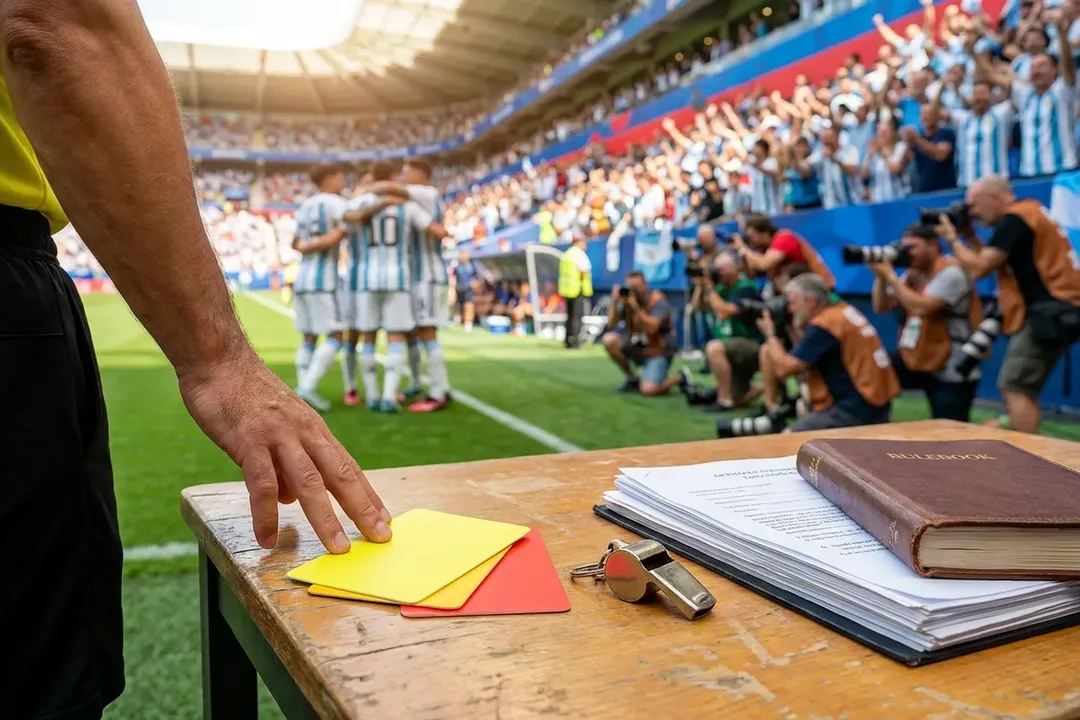
Enzo Fernández Second Yellow Explained Under World Cup Rules
Enzo Fernández was dismissed in extra time after a second caution in the final. Here is what the Laws of the Game say about that outcome.
East Rutherford · New York City · North America — Enzo Fernández’s dismissal in the final has put the phrase argentina red card into the center of post-match debate, but the rules point is straightforward. The confirmed fact is that Fernández was sent off in extra time after receiving a second yellow card. Under the Laws of the Game, a player who receives a second caution in the same match is sent off. This explainer focuses on that rule, what it does and does not require, and why the available public record should not be stretched beyond what has been verified.
Text Karpo with where you watched the final, who you support, and your city plans, and we’ll build you a personalized final recap, celebration route, food stop list, or calm post-match plan.
Why the Second Yellow Became a Sending-Off
The key rule is not complicated: a yellow card is a caution, and a second caution to the same player in the same match requires a sending-off. That is why Fernández’s second yellow in extra time led to his dismissal. The resulting red card is not a separate judgment layered on top of the caution; it is the mandatory consequence of two cautions in one match under the Laws of the Game.
This distinction matters because supporters often debate whether the final card should be described as “a red” or “a second yellow.” In practical terms, both descriptions point to the same outcome: the player leaves the field and the team continues with one fewer player. The rules-first explanation is that the dismissal flowed from the accumulation of cautions, not from a confirmed straight-red offense in the public record provided here.
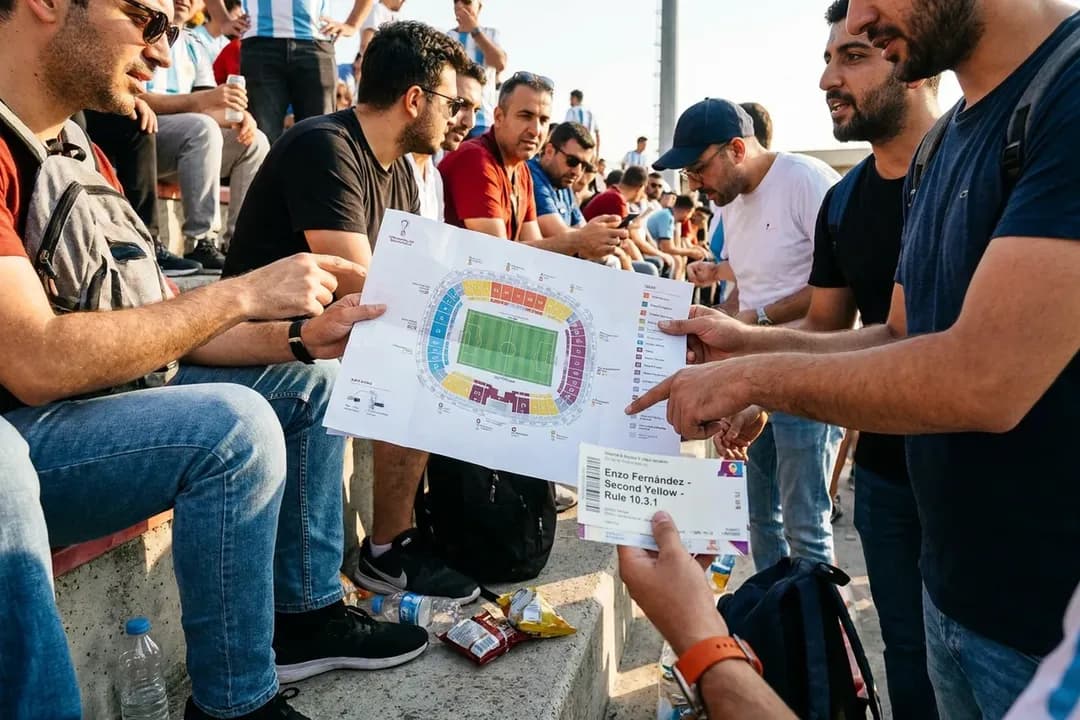
What Is Confirmed About Fernández’s Dismissal
The confirmed match fact is limited but important: Enzo Fernández was sent off in extra time after receiving a second yellow card in the final. That is enough to explain the legal mechanism under the Laws of the Game. It is not enough to responsibly reconstruct the incident, assign a specific foul type, describe the referee’s words, or claim a particular sequence that has not been verified through the available information.
A careful final recap should separate outcome from detail. The outcome is verified: second yellow, sending-off, extra time. The surrounding details are not supplied here, so they should not be filled in by assumption. In high-stakes matches, small invented details can harden quickly into supposed facts. A rules-first approach keeps the focus on what is known and avoids turning uncertainty into a misleading version of the dismissal.
What the Laws Require After Two Cautions
Under the Laws of the Game, receiving two cautions in the same match is a sending-off offense. The referee does not need the second caution to independently meet the threshold for a straight red card. Once the second yellow is shown to the same player, the disciplinary result is automatic: the player is dismissed and may not continue in the match. That principle applies regardless of the stage, scoreline, or emotional weight of the fixture.
This is why the timing in extra time does not change the rule. Extra time is still part of the match for disciplinary purposes, and cautions shown during that period count within the same match framework. The law is designed to keep disciplinary accumulation consistent from kickoff through the final whistle, including added phases of play. The final’s stakes may amplify the reaction, but they do not alter the consequence of a second caution.
What Should Not Be Added to the Story
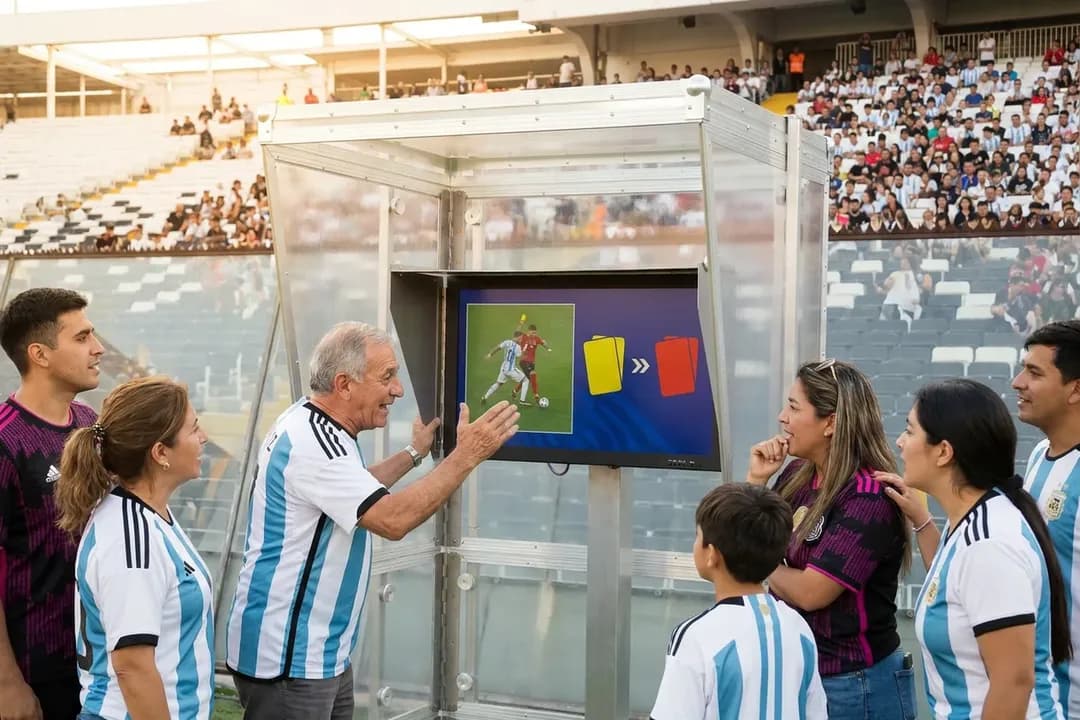
There are several details that should not be invented when explaining the argentina red card discussion. The verified facts provided do not identify the exact foul, the precise minute, any referee dialogue, or a VAR intervention. A responsible article should not suggest that any of those details happened unless they are confirmed by reliable public reporting or official match documentation. The absence of detail is not an invitation to guess.
That caution is especially important with disciplinary incidents because they can shape how a player, referee, or team is judged after the match. Saying “second yellow” is a rules description. Saying why the caution was shown, how the referee framed it, or whether video review was involved would require verified support. Without that support, the accurate explanation remains narrower, but it is also more trustworthy.
Why VAR Is Not the Center of This Explanation
The supplied facts do not confirm any VAR intervention connected to Fernández’s second yellow, so VAR should not be treated as part of the explanation. More broadly, the Laws of the Game distinguish between caution decisions and reviewable red-card scenarios. A second caution produces a sending-off, but that does not automatically mean the second yellow itself becomes a subject for video review in the way a direct red-card incident might be discussed.
For readers trying to understand the final, the cleanest approach is to avoid importing VAR into the story unless official or reliable public sources establish it. The confirmed rules path is already complete without it: first caution plus second caution equals sending-off. That does not answer every fan question about the incident, but it explains why the dismissal followed once the second yellow was issued.
How to Read the Final’s Red Card Debate
The debate after a World Cup final often becomes emotional because every decision feels magnified. Still, the rules question here begins with a simple chain: Fernández received a second yellow in extra time, and a second caution in the same match requires a sending-off. Supporters can still argue about judgment, fairness, or match context, but those arguments are separate from the basic legal consequence under the Laws of the Game.
For anyone building a final recap, the best wording is precise: Fernández was sent off after receiving a second yellow card in extra time. That sentence avoids overclaiming and gives readers the essential rules explanation. It also leaves room for future verified details if official records or reliable reports add them. Until then, the responsible summary is narrow, clear, and grounded in the confirmed facts rather than speculation.
Tags: #WorldCup2026
Sources consulted: Associated Press final report · IFAB Laws of the Game
All trademarks are the property of their respective owners.
Ask Karpo First
Ask Karpo for a personalized final recap, a watch-party debrief, a celebration plan, or a food-and-city route built around where you are and who you support.
Ask Karpo for more information.
Keep reading
- Haaland Has Seven Goals and Norway Runs Entirely Through Him
 World Cup Trophy Ceremony Timing Medals and Postmatch Celebrations
 Olise and France's Attack: The Semifinal Tactical Question