 Haaland Has Seven Goals and Norway Runs Entirely Through Him
⚽️2026 FIFA WORLD CUP
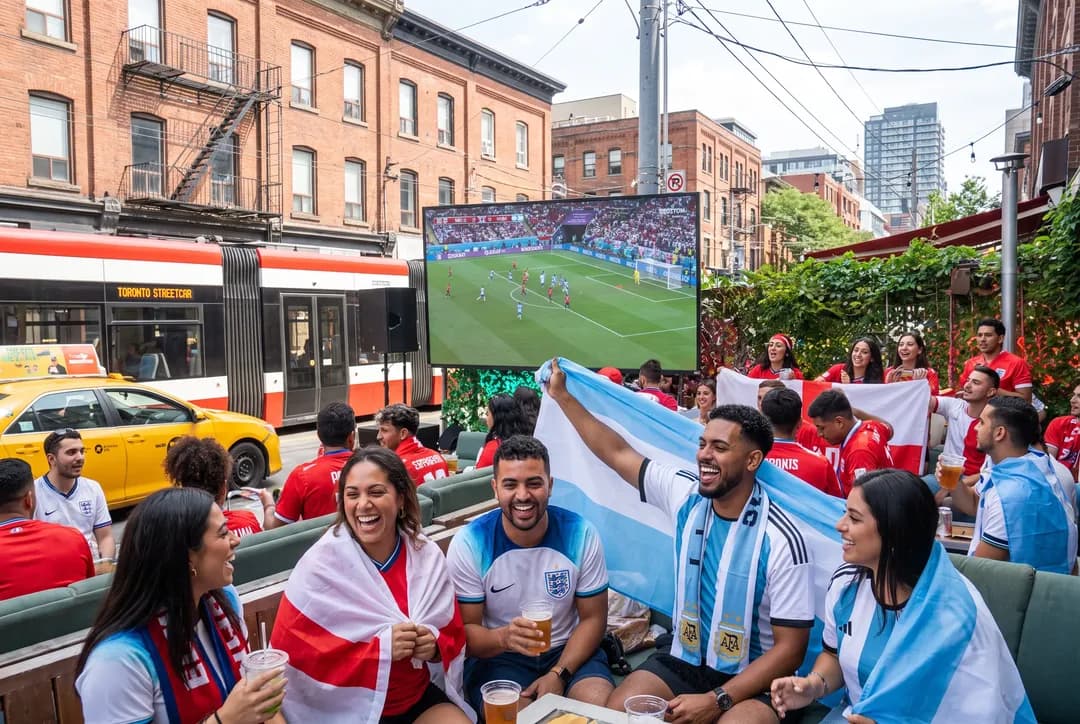
England Argentina Where to Watch Across North America
Finding the official broadcaster for the England versus Argentina semifinal depends on where you are in North America. This guide walks you through how to confirm legitimate channels and language options in the United States, Canada, and Mexico.
When England and Argentina meet in a World Cup semifinal, fans across North America will be searching for the most reliable way to watch. The challenge is not just finding a stream but confirming which broadcasters hold the official rights in your country and which language feeds they offer. Broadcasting rights for FIFA tournaments are divided by territory, so a channel available in the United States may not carry the match in Canada or Mexico. Understanding how to verify official sources protects you from unreliable streams and ensures you catch every moment in the language and quality you prefer.
Planning your semifinal watch party or looking for the best sports bar with the right broadcast? Text Karpo and get a personalized plan that includes verified viewing options, nearby venues with confirmed feeds, transit routes, and backup streaming details tailored to your city and language preference.
How Broadcasting Rights Work in North America
FIFA sells World Cup broadcasting rights on a territorial basis, meaning each country or region has its own official broadcaster. In North America, the United States, Canada, and Mexico each negotiate separate agreements, and those deals often include multiple networks to cover English, Spanish, and French language audiences. The official FIFA website maintains a list of broadcasters by country, which is the most authoritative starting point for confirming who holds the rights in your location.
These agreements typically grant exclusive live rights, meaning only the official broadcaster in your country can legally stream or televise the match as it happens. Unofficial streams may appear online, but they often suffer from poor quality, sudden interruptions, or legal risks. Checking the FIFA tournament page and the websites of known sports networks in your country will give you the clearest picture of where to watch legally and reliably.
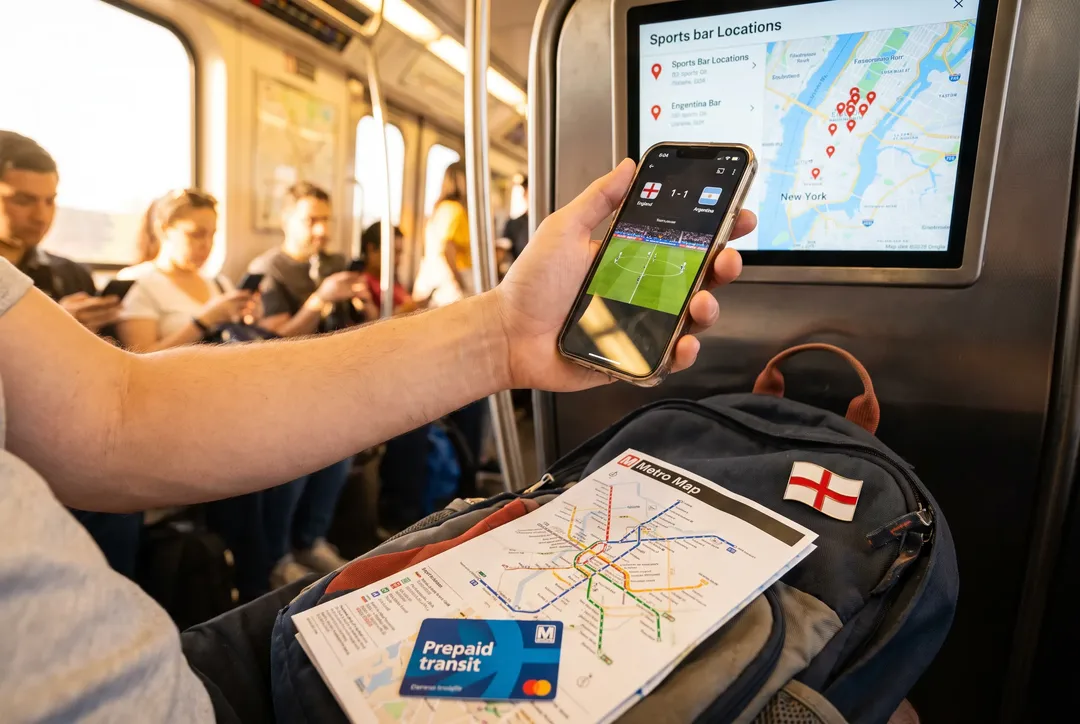
Verifying Official Broadcasters in the United States
In the United States, FIFA World Cup rights have historically been shared among major sports networks, with separate deals for English and Spanish language coverage. To confirm the official broadcaster for a specific match, visit the FIFA World Cup 26 tournament page and look for the broadcast section that lists rights holders by country. You can also check the websites of the major sports networks that have carried World Cup matches in the past, as they typically publish match schedules and streaming details well in advance of kickoff.
For English language coverage, look to the network that has held English rights in recent tournaments. For Spanish language viewers, a separate network typically holds those rights and may offer additional studio programming and commentary tailored to Spanish-speaking audiences. Both broadcasters usually provide streaming options through their own apps or websites, often requiring a cable or satellite subscription login. Some services also offer standalone streaming subscriptions that do not require a traditional television package.
Finding Official Channels in Canada
Canada has its own set of official broadcasters, and rights are often divided between English and French language networks. The Canadian Broadcasting Corporation and major sports networks have shared World Cup duties in the past, with French language rights typically held by a separate broadcaster. To verify the official channel for the England-Argentina semifinal, check the FIFA tournament page for Canada-specific listings and visit the websites of the major Canadian sports broadcasters.
Streaming options in Canada may include network-specific apps, national streaming services, and cable provider platforms. Some broadcasters offer free streaming for certain matches, while others require a subscription or cable login. French language viewers should confirm which network holds French rights, as the commentary team and studio coverage will differ from the English broadcast. Checking both the FIFA site and the broadcaster's own schedule page will ensure you have the correct channel and streaming link.
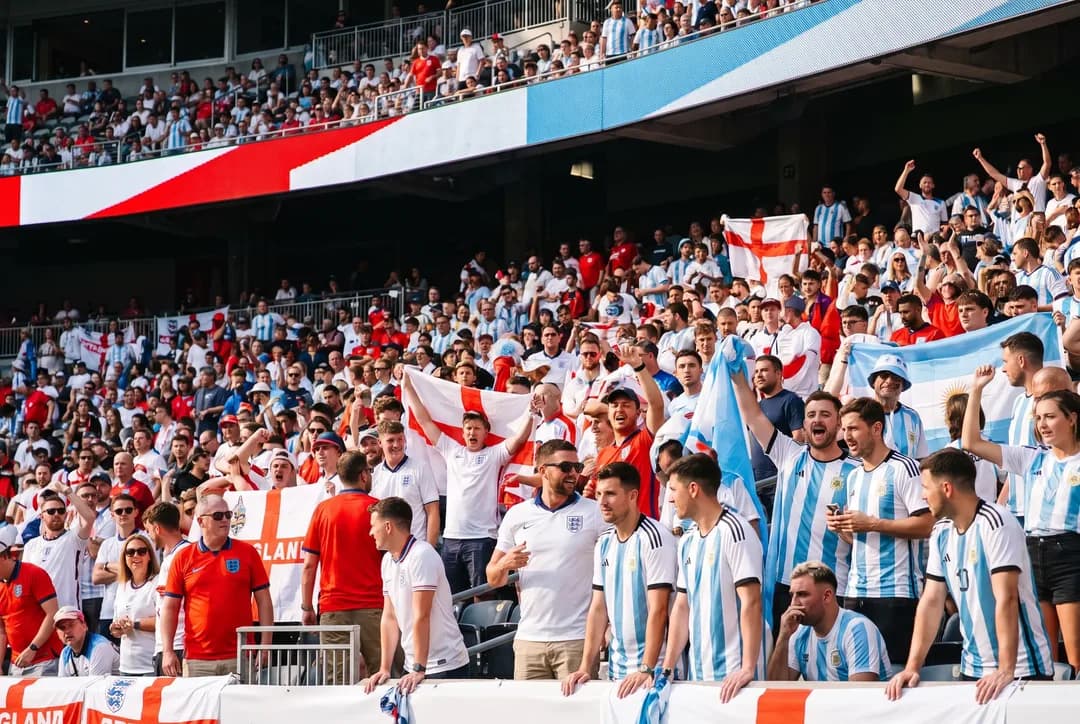
Official Broadcasters in Mexico
Mexico has a robust sports broadcasting market, and FIFA World Cup rights are highly sought after by major networks. Official broadcasters in Mexico typically include both free-to-air and subscription channels, with extensive studio coverage and commentary in Spanish. To confirm the official broadcaster for the semifinal, visit the FIFA World Cup 26 page and look for the Mexico section, then cross-reference with the websites of the major Mexican sports networks.
Mexican broadcasters often provide comprehensive digital streaming options, including mobile apps and web platforms that allow viewers to watch on multiple devices. Some networks offer free streaming for marquee matches, while others require a subscription or cable provider login. Checking the official broadcaster's website closer to match day will give you the most current information on streaming availability, kickoff time in your time zone, and any pre-match programming.
Language Feed Options and Alternate Audio
One advantage of North America's diverse broadcasting landscape is the availability of multiple language feeds for major matches. In the United States, you can typically choose between English and Spanish broadcasts, each with its own commentary team and studio analysts. In Canada, English and French feeds are standard, and in Mexico, Spanish is the primary language with occasional alternate audio options depending on the broadcaster.
Some streaming platforms and cable providers allow you to switch audio tracks within the same broadcast, giving you the flexibility to choose your preferred language without changing channels. This feature is especially useful if you are watching with a multilingual group or if you want to compare commentary styles. To confirm whether alternate audio is available, check the broadcaster's app settings or the cable provider's audio options menu during the live broadcast.
Avoiding Unofficial Streams and Confirming Legitimacy
Unofficial streaming sites often appear in search results, especially for high-profile matches, but they come with significant drawbacks. These streams may be delayed, interrupted by ads, or taken down mid-match due to copyright enforcement. They also pose security risks, as some sites contain malware or phishing attempts. Sticking to official broadcasters ensures a stable, high-quality feed and supports the networks that invest in comprehensive coverage.
To confirm a broadcaster is legitimate, look for direct links from the FIFA website, check the network's official domain, and verify that the streaming platform is associated with a recognized sports network or cable provider. Official broadcasters will have clear branding, professional production quality, and customer support channels. If a site asks for unusual permissions, requires suspicious downloads, or lacks clear contact information, it is likely not an official source.
Tags: #WorldCup2026 #EnglandArgentina #BroadcastGuide #UnitedStates #Canada #Mexico #SoccerViewing
Sources consulted: FIFA World Cup 26
All trademarks are the property of their respective owners.
Ask Karpo First
Need help finding the best place to watch the England-Argentina semifinal in your neighborhood, or want a personalized plan that includes verified broadcast details, nearby sports bars, and transit options? Text Karpo for a custom match-day guide built around your location and preferences.
Ask Karpo for more information.
Keep reading
- Haaland Has Seven Goals and Norway Runs Entirely Through Him
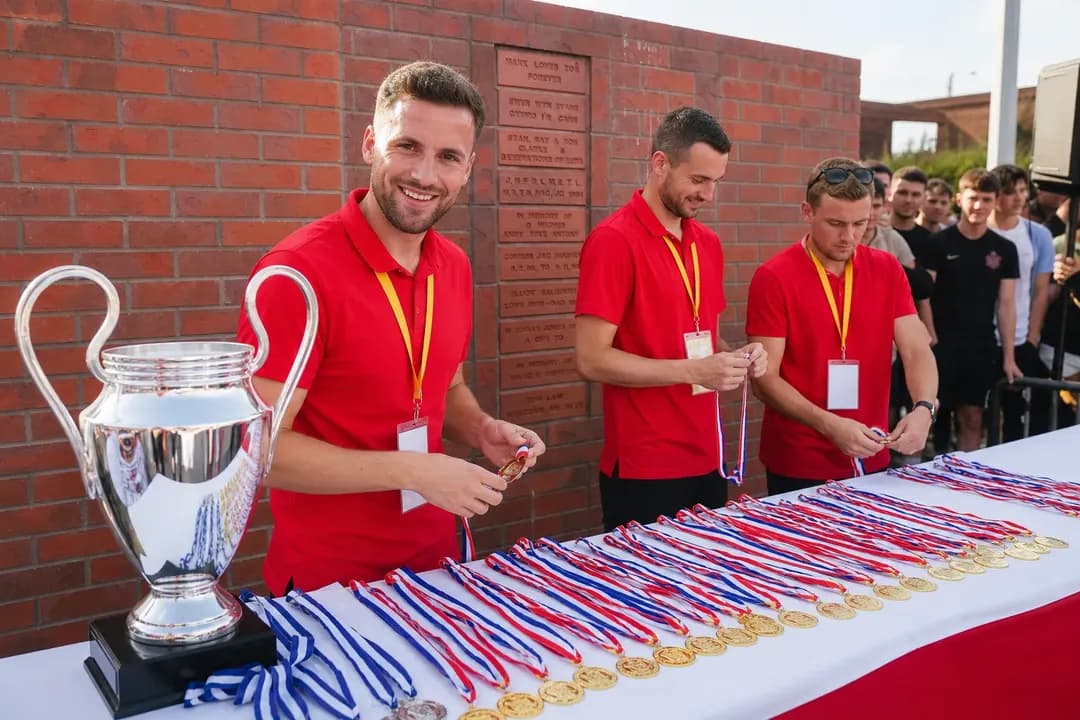 World Cup Trophy Ceremony Timing Medals and Postmatch Celebrations
 Olise and France's Attack: The Semifinal Tactical Question