 Haaland Has Seven Goals and Norway Runs Entirely Through Him
⚽️2026 FIFA WORLD CUP
England Argentina Tactical Preview Pressing Midfield and Transition Battles
England and Argentina meet in the second 2026 World Cup semifinal in Atlanta on July 15. Spain awaits the winner in the final, while France awaits the loser in the bronze match.
Atlanta hosts a World Cup semifinal built for tactical tension: England against Argentina, a place in the final against Spain on the line, and a bronze match against France waiting for the side that falls short. With no confirmed result supplied, this preview treats the match as upcoming or live and focuses on the strategic battles that can be assessed without inventing lineups, injuries, availability or in-game events.
Planning your own semifinal day around England Argentina? Text Karpo for a personalized match-day plan covering the smartest route, where to watch, nearby food options and timing ideas tailored to your location, group size and budget.
England Argentina Tactical Preview Pressing Midfield and Transition Battles
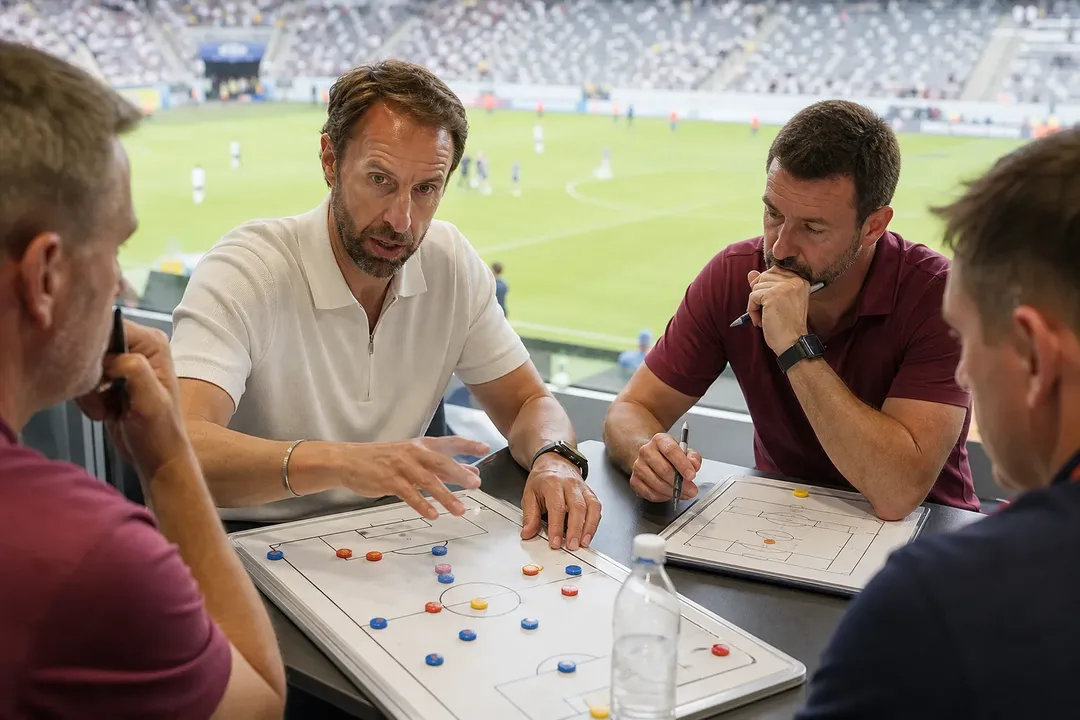
This semifinal is likely to be shaped less by one isolated duel than by how each side connects pressure, midfield spacing and transition control. England and Argentina both carry enough technical quality to punish disorganized pressing, so the first question is not simply who presses higher, but who presses with cleaner distances behind the ball. If either team jumps forward without protecting the central lane, the opponent can turn one pass into a dangerous attack.
Because verified information does not include confirmed lineups, this preview avoids assuming personnel. The tactical picture still matters: England will want possession spells that reduce Argentina’s counterattacking rhythm, while Argentina will want to create moments where England’s midfield is facing its own goal. The team that turns defensive pressure into controlled attacks, rather than rushed clearances, should have the more stable route through the match.
Pressing Triggers Could Decide the Opening Rhythm
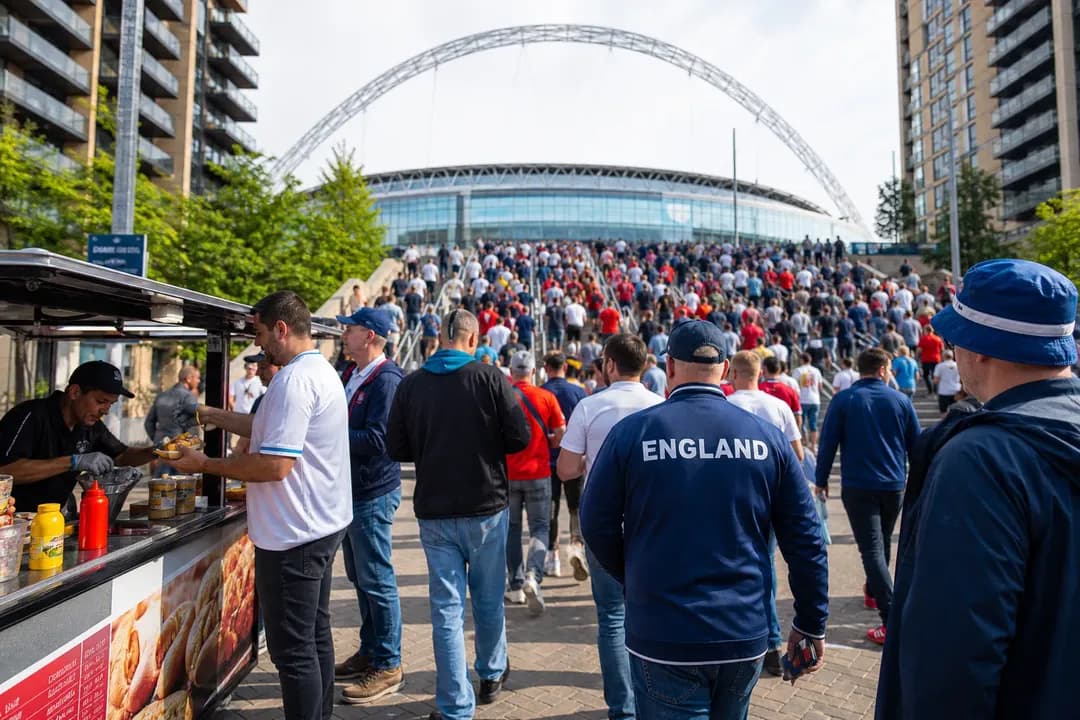
The opening phase may reveal how brave each side is prepared to be without the ball. A high press can force hurried distribution and recover possession close to goal, but in a semifinal it also carries risk if the back line is stretched. England may look to close central passing lanes first, guiding play wide before increasing pressure near the touchline. Argentina may prefer to bait pressure, draw midfielders forward, and then release passes into the spaces they leave.
The most important pressing triggers could be backwards passes, slow first touches and square balls in buildup. When those moments appear, the nearest forward or midfielder has to decide whether to sprint, screen or hold. A mistimed jump can open the next line, while hesitation gives the ball carrier time to turn. In a match of this level, pressing is not just energy; it is choreography, and the side that moves as one unit can make the opponent look rushed even without constant aggression.
Midfield Control Is About Angles, Not Just Possession
Midfield control will not be measured only by who has more of the ball. It will depend on which team creates better passing angles under pressure and which midfield can receive on the half-turn. England’s best stretches may come when the ball moves quickly from one side to the other, forcing Argentina’s block to slide and opening gaps between lines. Argentina’s best stretches may come when they slow the tempo, invite pressure, and then find a central player in a pocket.
Second balls could be just as important as polished passing moves. Semifinals often contain periods when neither team can build cleanly, and contested clearances become the start of attacks. If England’s midfield can win those loose balls, it can keep Argentina pinned back and prevent fast breaks. If Argentina collects them first, it can attack before England resets. The midfield battle is therefore both technical and physical, with positioning after passes often as important as the passes themselves.
Transition Defense May Be the Hidden Decider
The most dangerous moments may arrive immediately after possession changes. England and Argentina both have the capacity to move from recovery to attack quickly, but transition defense starts before the ball is lost. Fullbacks, midfielders and center backs must already be positioned to stop the first forward pass. If too many players are ahead of the ball when an attack breaks down, the opponent can counter into open grass rather than against a set block.
Rest defense will be central to the game plan. That means the shape left behind while attacking: who guards the central channel, who is ready to delay the counter, and who covers the far side. England may try to keep enough structure behind attacks to avoid being exposed through the middle. Argentina may try to tempt England into overcommitting, then break quickly into the spaces outside or behind midfield. The side that attacks with ambition while still defending the next phase will gain a major edge.
Wide Areas Can Stretch the Semifinal Shape
The wings could provide the release valve whenever central zones become crowded. If both teams protect the middle aggressively, wide players will have chances to receive with space and test one-on-one defending. England may use switches of play to shift Argentina’s block and create crossing or cutback opportunities. Argentina may look for combinations near the sideline that draw defenders out before slipping passes inside. The key will be whether wide possession produces penetration or simply slows the attack.
Crosses and cutbacks ask different questions. Early crosses can catch a defense before it settles, but they can also hand possession away if the box is not properly occupied. Cutbacks usually require more patience, because the attacking side must reach the byline or the channel before finding a runner arriving late. In this semifinal, wide attacks that end with counterpressing positions may be safer than hopeful deliveries. Losing the ball from a wide zone is manageable only if the nearest players are ready to lock the opponent in.
Game State, Patience and Verification Matter
As long as the match remains pending or live without a confirmed result, every tactical projection should be read as analysis rather than certainty. A first goal, an early tactical adjustment or an unexpected change in tempo can reshape the entire contest. If one side leads, the pressing picture may change: the leader can choose moments to defend deeper, while the trailing side may have to accept more risk. That is why the best semifinal teams prepare multiple versions of the same plan.
To verify the confirmed match status, participants and official scheduling details, readers should check FIFA’s World Cup 26 schedule and tournament hub. Until official confirmation is available, no score, lineup, injury update, card, quote or availability claim should be treated as fact. What can be said now is that England and Argentina enter a semifinal where the margins are tactical and psychological: pressing discipline, midfield calm and transition security may decide who meets Spain and who turns toward France.
Tags: #WorldCup2026
Sources consulted: FIFA World Cup 26 schedule and results · FIFA World Cup 26 tournament hub
All trademarks are the property of their respective owners.
Ask Karpo First
Text Karpo now for a personalized England Argentina semifinal plan with your best route, viewing spot, food ideas and match-day timing in Atlanta.
Ask Karpo for more information.
Keep reading
- Haaland Has Seven Goals and Norway Runs Entirely Through Him
 World Cup Trophy Ceremony Timing Medals and Postmatch Celebrations
 Olise and France's Attack: The Semifinal Tactical Question