 Haaland Has Seven Goals and Norway Runs Entirely Through Him
⚽️2026 FIFA WORLD CUP
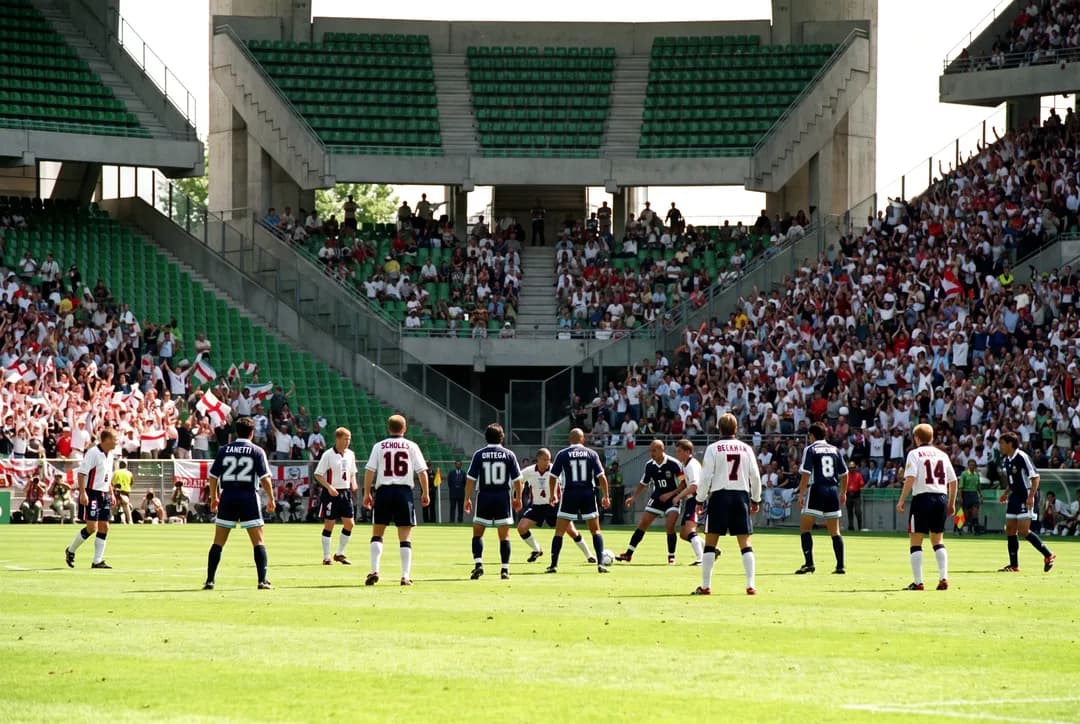
England Argentina Expected Shapes Midfield Pressing and Width
Both teams are expected to deploy high-energy midfield pressing systems when they meet in Atlanta's semifinal clash. Width and defensive shape will determine which side controls the tempo in this high-stakes encounter.
Atlanta prepares to host one of the tournament's most anticipated semifinal matchups as England and Argentina bring contrasting tactical philosophies to the pitch. While official starting lineups remain under wraps until closer to kickoff, both coaching staffs have shown consistent patterns throughout the competition that offer clear insight into their likely approaches. England's structured buildup play will face Argentina's aggressive ball-winning system in a clash that promises tactical intrigue across every third of the field.
Planning your semifinal experience in Atlanta? Text Karpo for a personalized match-day plan that covers everything from pre-game dining spots near the stadium to the best routes for avoiding traffic congestion. Whether you need watch-party recommendations, parking strategies, or a complete timeline for your day, Karpo builds itineraries around your preferences and real-time conditions.
England's Expected Formation and Defensive Shape
England has favored a 4-3-3 structure throughout the knockout rounds, with subtle variations depending on opponent pressing intensity. The back four maintains a relatively high line when in possession, pushing up to compress space in the middle third. This shape allows the central midfield trio to operate in staggered positions, with one deeper distributor and two more advanced players who can rotate into half-spaces. The width comes primarily from the wingers, who hold touchline positions during buildup phases before cutting inside when the ball reaches the final third.
Defensively, England transitions into a compact 4-5-1 mid-block when facing sustained pressure. The wingers drop to form a five-player midfield line that denies central passing lanes while funneling opponents toward the flanks. This shape has proven effective at limiting high-quality chances, though it does concede territorial control in exchange for structural solidity. The fullbacks stay disciplined in their defensive positioning, rarely committing forward unless the ball is firmly established in the attacking third with adequate cover behind them.
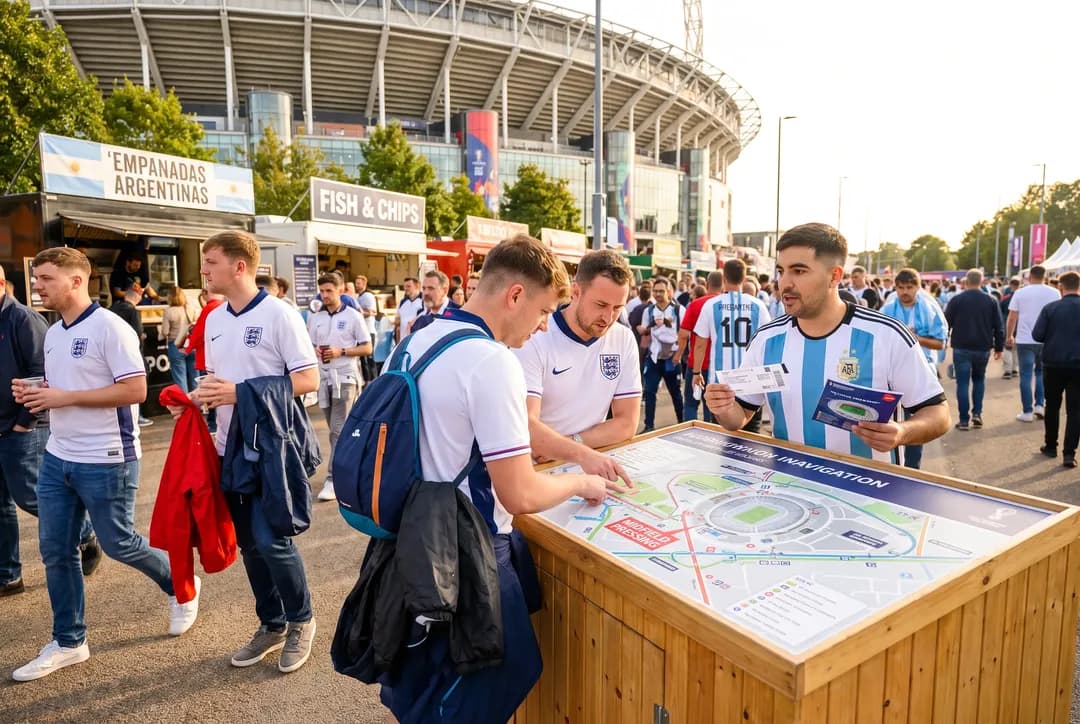
Argentina's Pressing System and Midfield Dynamics
Argentina's approach centers on aggressive midfield pressing designed to win the ball in dangerous areas. The team typically sets up in a 4-4-2 shape that can quickly morph into a 4-2-3-1 when pressing high. The two central midfielders operate as the engine of this system, with one sitting deeper to provide defensive security while the other pushes forward to close down opposing playmakers. This dynamic partnership allows Argentina to apply pressure without leaving gaps in the defensive structure, though it requires exceptional fitness and positional awareness from both players.
The pressing triggers are clearly defined: when an opponent receives the ball facing their own goal or when a pass goes backward under pressure, Argentina's forwards and attacking midfielders immediately close down passing lanes. The wide midfielders tuck inside during these moments, creating a compact shape that forces opponents into hurried decisions. This system has generated numerous turnovers in advanced positions throughout the tournament, though it can leave space behind the defensive line when the press is bypassed with quick combination play.
Width Strategy and Flank Battles
The battle for width will likely define large stretches of this semifinal. England's wingers are expected to maintain touchline positions during the buildup, stretching Argentina's defensive shape horizontally and creating space for central midfielders to receive between the lines. This width forces Argentina's fullbacks into difficult decisions about when to step out and when to hold their position, potentially creating one-versus-one situations that favor England's pace on the flanks. The timing of overlapping runs from England's fullbacks will be crucial in creating numerical advantages in wide areas.
Argentina counters this width strategy by using their wide midfielders to track back and support the fullbacks, effectively creating a back six when defending in their own half. However, this defensive commitment limits their ability to maintain attacking width when they win possession. Argentina's transitions often rely on quick vertical passes through the center rather than wide buildup, which can be effective when catching opponents in unbalanced positions but requires precise execution under pressure. The team's ability to switch play quickly from flank to flank has been a key weapon when opponents overcommit to one side.
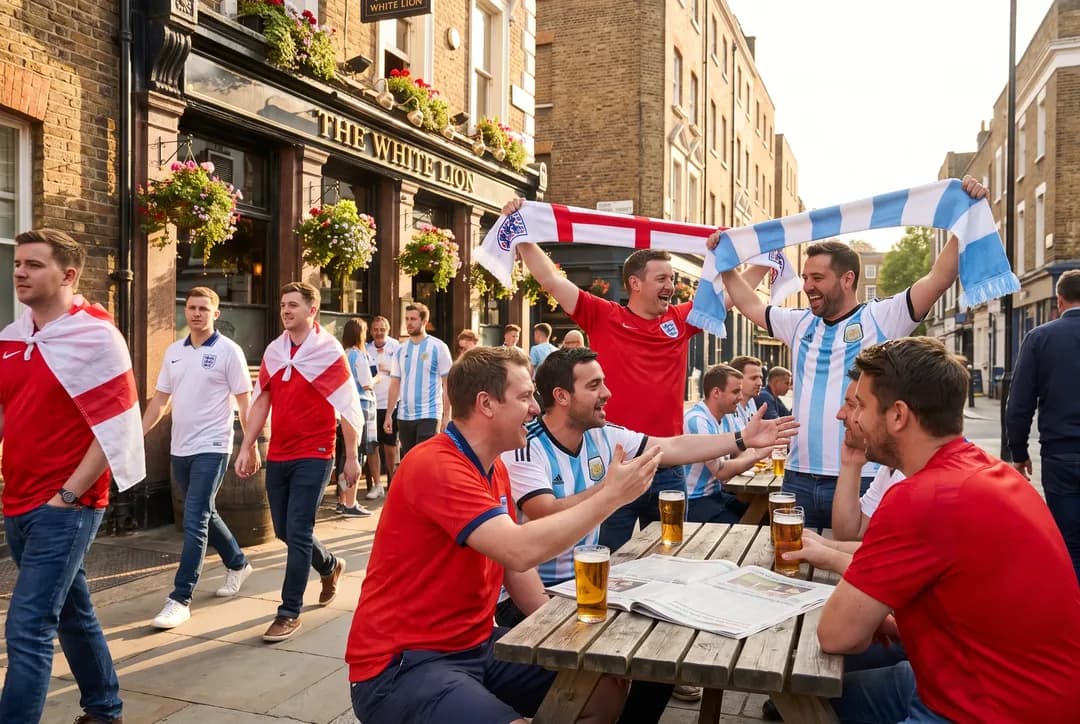
Central Midfield Matchups and Transition Moments
The central midfield zone represents the tactical heart of this matchup. England's deeper midfielder will face constant pressure from Argentina's most advanced central player, testing their ability to receive under duress and play forward quickly. England's success in this area depends on creating passing triangles that offer multiple options, allowing them to play through pressure rather than around it. The two more advanced English midfielders must time their movements to receive in pockets of space while remaining available as safety outlets when the press intensifies.
Transition moments will be critical for both sides. When England loses possession, their midfielders must immediately apply counter-pressure to prevent Argentina from exploiting the space behind their high defensive line. Argentina's transitions from defense to attack happen at remarkable speed, with forwards checking to feet before spinning into space behind defenders. England's ability to delay these transitions and recover their defensive shape will be tested repeatedly. Conversely, when Argentina loses the ball high up the pitch, England has opportunities to exploit space in behind, provided they can execute the first pass quickly and accurately.
Set-Piece Considerations and Aerial Presence
Both teams bring significant aerial threat from set pieces, though their approaches differ markedly. England typically loads the penalty area with tall targets during corner kicks, using a mix of near-post flick-ons and back-post deliveries to create scoring chances. Their set-piece routines feature detailed choreography, with specific players making decoy runs to create space for primary targets. Defensively, England uses zonal marking with designated players responsible for specific areas, a system that requires excellent communication and positional discipline.
Argentina employs more man-marking principles on defensive set pieces, assigning specific players to track the most dangerous aerial threats. This approach can be vulnerable to well-executed picks and screens, but it provides clear accountability and reduces confusion in crowded penalty-area situations. On attacking set pieces, Argentina favors short routines that create shooting opportunities from the edge of the area, though they also deploy traditional crosses when the matchup favors their taller players. The referee's tolerance for physical contact in the penalty area will significantly influence how both teams approach these crucial moments.
Tactical Adjustments and In-Game Flexibility
Both coaching staffs have demonstrated willingness to make tactical adjustments when their initial approach proves ineffective. England has shown the ability to shift into a back three during games, pushing one fullback higher while the other tucks inside to form a three-player defensive line. This adjustment can help when facing overloads in wide areas or when chasing a goal late in matches. The team has also experimented with a double pivot in midfield when needing more defensive stability, sacrificing some attacking fluidity for greater control of the central channel.
Argentina's most common in-game adjustment involves pushing their wide midfielders higher to create a more attacking 4-2-4 shape when chasing a result. This aggressive posture increases their offensive threat but leaves them more vulnerable to counterattacks, a calculated risk that reflects their confidence in winning the ball back quickly. Substitutions typically reinforce whichever approach is working, with fresh legs maintaining pressing intensity or additional defensive cover securing a lead. The ability of both teams to recognize when adjustments are needed and execute them cleanly could prove decisive in a tight semifinal where marginal gains determine the outcome.
Tags: #WorldCup2026 #England #Argentina #Atlanta #TacticalAnalysis #SoccerFormations #SemifinalPreview
Sources consulted: FIFA World Cup 26 schedule
All trademarks are the property of their respective owners.
Ask Karpo First
Ready to experience semifinal day in Atlanta like a local? Text Karpo for recommendations tailored to your schedule, whether you need breakfast spots with early opening times, the quietest route to the stadium, or backup plans if weather affects your original itinerary. Karpo turns match-day logistics into seamless experiences.
Ask Karpo for more information.
Keep reading
- Haaland Has Seven Goals and Norway Runs Entirely Through Him
 World Cup Trophy Ceremony Timing Medals and Postmatch Celebrations
 Olise and France's Attack: The Semifinal Tactical Question