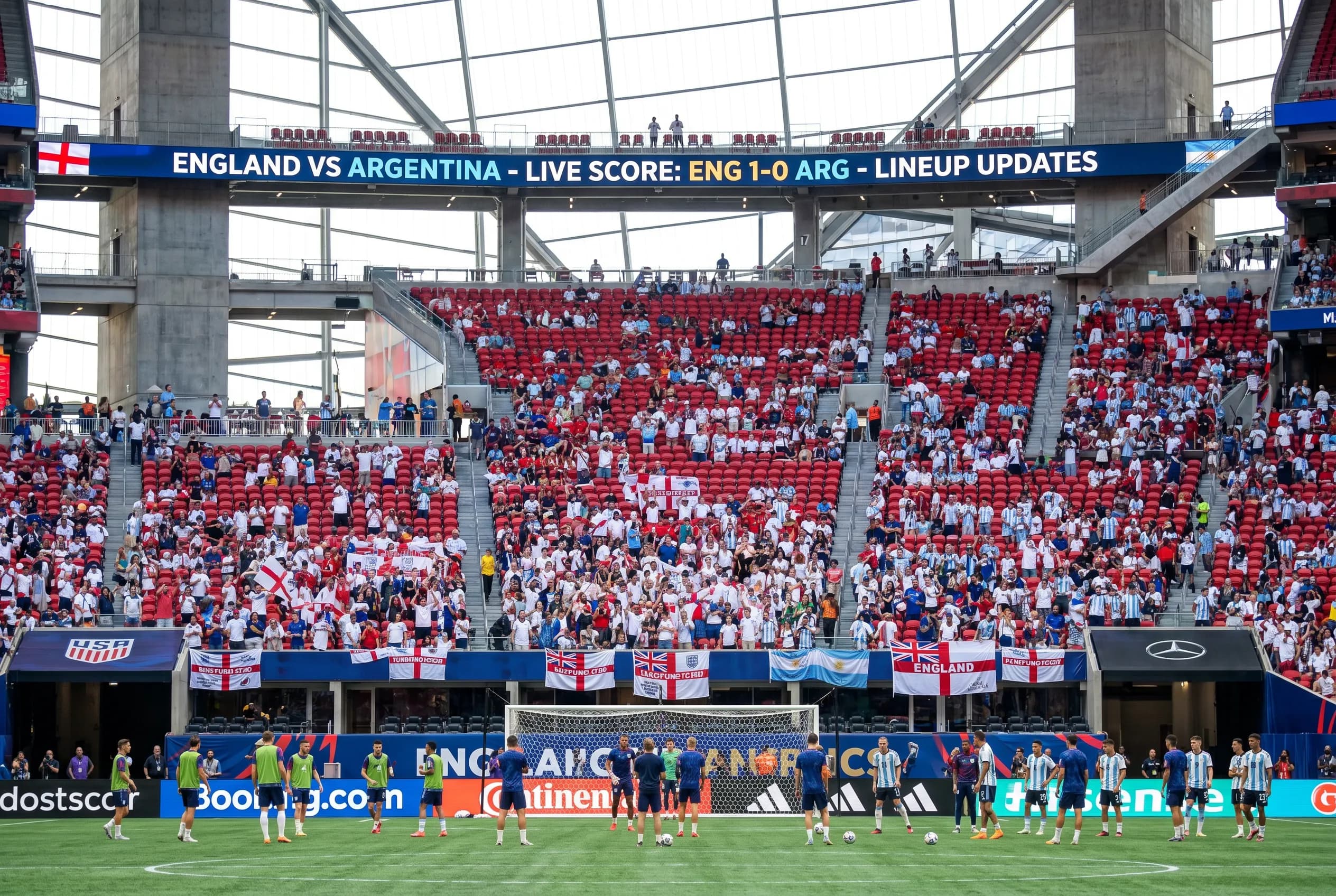
When England and Argentina take the pitch in Atlanta, fans around the world will be watching one of international football's most storied rivalries renewed. This live update guide is designed to help you follow every moment of the match as it unfolds, from the starting eleven announcements through the final whistle. Whether you're tracking the game from a sports bar in Midtown, your living room in Buckhead, or anywhere else in the metro area, understanding how live match coverage works will help you stay connected to the action. Atlanta has become a significant hub for international football, and this fixture between two World Cup powerhouses promises tactical intrigue, individual brilliance, and the kind of intensity that defines matches between these nations.
Planning your match day experience in Atlanta? Text Karpo for a personalized guide to the best watch parties, pre-game dining spots near Mercedes-Benz Stadium, and transit routes that get you to your seat on time. Whether you need parking recommendations, a curated list of English or Argentine supporter bars, or a complete itinerary from arrival to final whistle, Karpo builds a plan around your preferences and schedule.
How Starting Lineup Updates Work
Official starting lineups are typically released one hour before kickoff, though teams may submit their team sheets to match officials earlier. For high-profile international friendlies like England versus Argentina, both federations usually announce their starting elevens simultaneously on social media platforms and through official channels. The lineup reveals which formation each manager has chosen, whether key players are being rested, and which tactical approach will define the opening phase of the match. Fans watching live coverage will see graphics displaying the formations, often with player photos and squad numbers arranged in the shape each team will use on the field.
Lineup announcements generate immediate analysis from commentators and fans alike. If a star player is named on the bench rather than in the starting eleven, it may signal rotation ahead of upcoming competitive fixtures or management of minor fitness concerns. Conversely, the inclusion of younger or less experienced players can indicate a manager's intent to evaluate talent in a competitive international environment. For this England-Argentina encounter in Atlanta, both squads may feature a blend of established internationals and emerging prospects, making the lineup reveal a key moment for understanding each team's priorities and tactical intentions.
Real-Time Goal and Scoring Updates
When a goal is scored, live coverage immediately identifies the scorer, the time on the match clock, and often the players involved in the buildup. Modern broadcasts use multiple camera angles to show the complete sequence, from the initial pass or turnover through the finish. Graphics overlay the score, update possession statistics, and highlight which players have contributed goals or assists. For viewers following text-based live updates or mobile apps, goal notifications arrive within seconds, accompanied by brief descriptions of how the goal developed and which defensive errors or attacking brilliance made it possible.
Goal updates also trigger deeper analysis during natural pauses in play. Commentators discuss whether the goal resulted from a set piece, open play, or a defensive mistake. Replays examine the positioning of defenders, the quality of the pass or cross, and the technique of the finish. In matches between elite nations like England and Argentina, individual moments of skill often decide outcomes, so understanding the context of each goal adds richness to the viewing experience. If the match remains scoreless, live updates will note significant chances, shots on target, and near misses that shape the narrative even without goals.
Understanding VAR Interventions
The Video Assistant Referee system has become a standard feature of high-level international football, and matches played in modern venues like those in Atlanta are equipped with the technology required for VAR reviews. When the VAR official identifies a potential clear and obvious error related to goals, penalty decisions, direct red card incidents, or mistaken identity, the center referee receives communication through an earpiece. The referee may choose to review the incident on a pitchside monitor before making a final decision. During this process, live broadcasts typically show replays from multiple angles while commentators explain what the officials are examining.
VAR reviews can take anywhere from thirty seconds to several minutes, depending on the complexity of the incident. For offside decisions related to goals, semi-automated systems can provide quick determinations by tracking player positions with precision. For subjective calls like potential fouls in the penalty area or the severity of a challenge, the referee's judgment remains central even after video review. Live updates will note when a VAR check is underway, what incident is being reviewed, and the final decision once communicated. Understanding that VAR aims to correct clear errors rather than re-referee every marginal call helps viewers interpret why some incidents are reviewed and others are not.
Substitution and Tactical Changes
Substitutions offer managers the chance to alter tactics, manage player workload, or respond to the flow of the match. International friendlies often allow more substitutions than competitive fixtures, giving managers flexibility to rotate their squads and evaluate multiple players. When a substitution is made, live coverage identifies which player is coming off, who is entering, and the time of the change. Graphics show the substituted player's statistics for the match, including passes completed, tackles won, or shots taken, providing context for the decision.
Tactical substitutions can shift formations, add fresh legs in key positions, or introduce specialists for set pieces or defensive solidity. If England or Argentina makes a double or triple substitution, it often signals a deliberate change in approach, whether to protect a lead, chase a goal, or simply give additional players international experience. Live updates will note these changes and offer brief analysis of how the new players fit into the team's shape. For fans tracking the match remotely, substitution notifications help maintain a clear picture of who is on the field and how the tactical battle is evolving.
Extra Time and Penalty Shootout Scenarios
Most international friendlies do not include extra time or penalty shootouts, as these matches are designed for preparation and player evaluation rather than producing a definitive winner. However, some friendly tournaments or specially arranged fixtures may include knockout formats that require a result. If this England-Argentina match is part of such a competition, and the score is level after ninety minutes, two fifteen-minute periods of extra time would follow. Live updates during extra time note the added physical and mental demands on players, the potential for fatigue-related errors, and any additional substitutions permitted under the competition rules.
Should extra time fail to produce a winner, a penalty shootout would determine the outcome. Each team selects five penalty takers, with the sequence alternating between sides. Live coverage shows each penalty in real time, noting the shooter, the goalkeeper's positioning, and whether the attempt is scored or saved. If the shootout remains tied after five penalties each, it continues in sudden death until one team gains an advantage. Penalty shootouts are high-pressure moments that can define a match, and live updates capture the tension, the technique, and the emotional stakes of each kick.
Following the Match from Atlanta
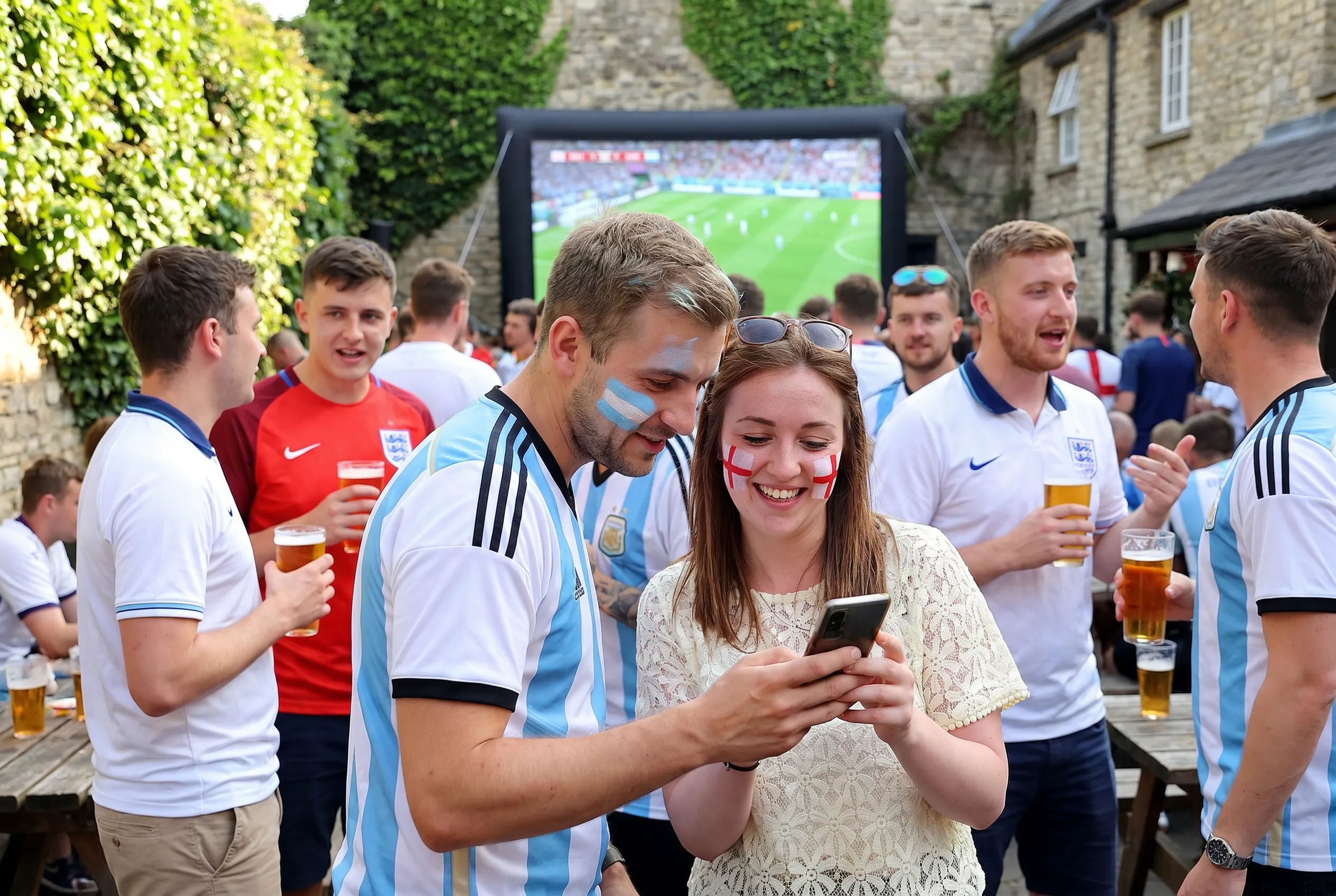
Atlanta's international football culture has grown significantly, supported by the success of Atlanta United and the city's selection as a host for the 2026 FIFA World Cup. Whether you're attending the match at Mercedes-Benz Stadium or watching from one of the many sports bars and restaurants that cater to football fans, the city offers a vibrant environment for experiencing international fixtures. Neighborhoods like Virginia-Highland, Midtown, and the Westside feature venues with large screens, dedicated supporter sections, and menus designed for match day gatherings. Arriving early ensures you secure a good viewing spot and allows time to soak in the pre-match atmosphere.
For those watching from home or following on mobile devices, Atlanta's reliable connectivity and the availability of streaming platforms make it easy to stay current with live updates. Many fans use a combination of broadcast coverage and mobile apps to track statistics, view alternate camera angles, and engage with social media commentary. The city's diverse population means you'll find both English and Argentine supporter communities, each bringing their own traditions, chants, and perspectives to the match. Whether you're a neutral observer or a passionate supporter, Atlanta provides the infrastructure and the energy to make following this fixture a memorable experience.
Tags: #WorldCup2026 #EnglandFootball #ArgentinaFootball #AtlantaSports #MercedesBenzStadium #LiveFootball #InternationalFriendly #SoccerInAtlanta
Sources consulted: FIFA World Cup 26 · FIFA tournament hub
All trademarks are the property of their respective owners.
Ask Karpo First
Ready to make the most of match day in Atlanta? Text Karpo to get a custom plan that includes the best watch party locations, pre-game food recommendations, and transportation options tailored to your schedule. Whether you're looking for an authentic English pub atmosphere, an Argentine steakhouse, or a family-friendly sports bar, Karpo connects you with the spots that match your style and ensures you don't miss a moment of the action.