 Haaland Has Seven Goals and Norway Runs Entirely Through Him
⚽️2026 FIFA WORLD CUP
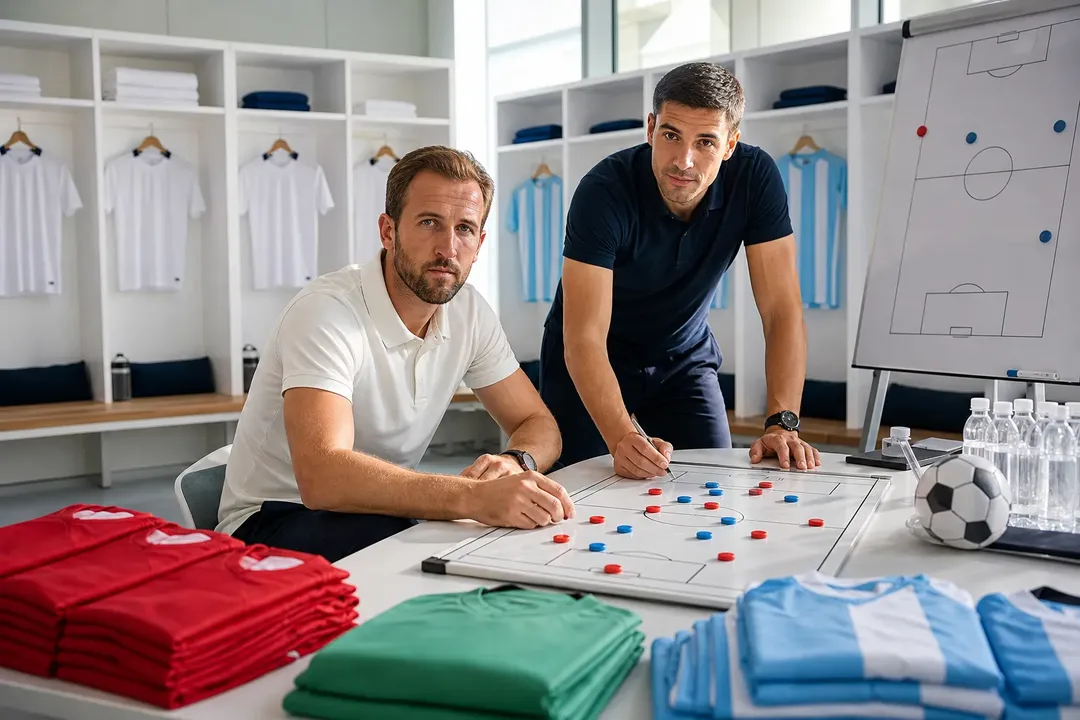
England Argentina Confirmed Lineups and Last-Minute Team News
England-Argentina lineups should be treated as unconfirmed until the official team sheets appear. This live-ready guide shows where to verify starters, how to read late changes, and what the selections mean tactically.
England and Argentina meet in Atlanta on July 15 for a place in the World Cup final against Spain. Until the official team sheets are published, predicted lineups remain predictions, even when they come from experienced reporters. The safest England Argentina lineup page should clearly separate confirmed starters, substitutes, injuries, and tactical expectations. This article is designed to be updated from official sources rather than filling the final hour before kickoff with unsupported names.
Text Karpo the team or player you are waiting on. Karpo can send a concise confirmed-lineup alert and build your watch plan around the actual kickoff.
Where confirmed lineups appear
The FIFA match center and official team channels are the primary checkpoints. Broadcasters may publish graphics quickly, but the underlying team sheet is what matters. Look for a clearly labeled starting eleven and substitute list tied to the correct semifinal, date, and venue.
Screenshots can circulate before verification and may contain outdated predictions. Confirm the source account and publication time. If a player appears in one graphic but not the official match center, wait for the official update rather than treating the discrepancy as breaking news. Squad numbers and familiar photographs are not enough to verify a starter. A predesigned graphic may feature a star who is actually on the bench. Read the written eleven and substitutes, then confirm that the formation graphic matches the names before sharing it.
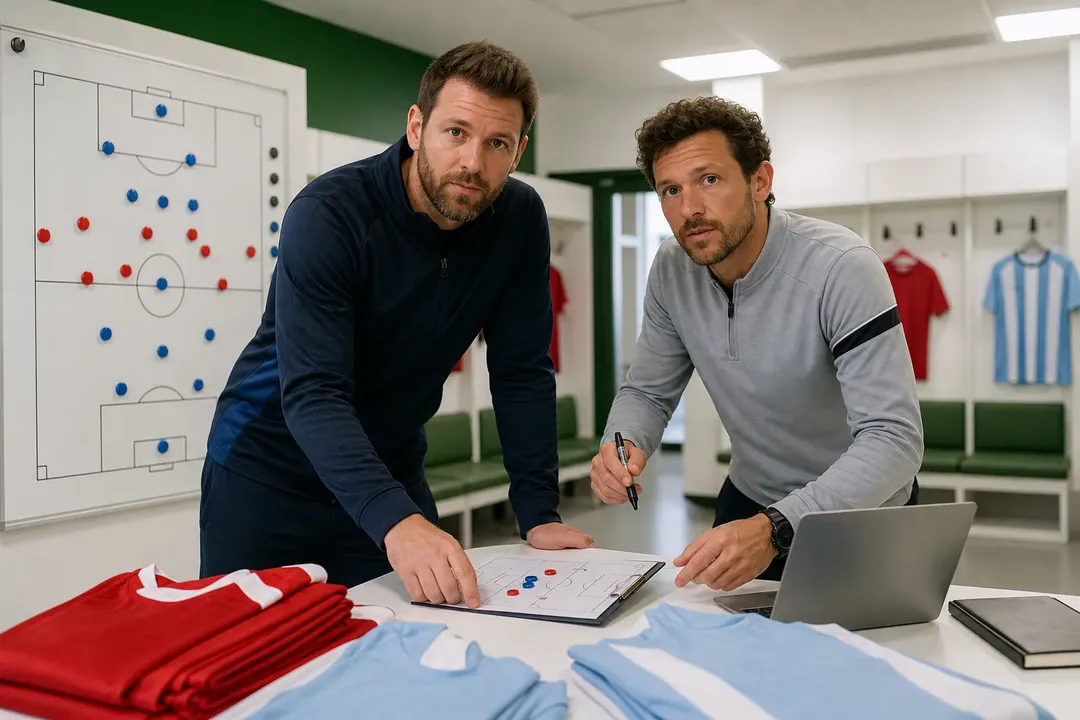
Predicted does not mean leaked
A predicted lineup is an analytical exercise based on previous matches, fitness, and tactical fit. It can be useful, but it should never be labeled confirmed. The distinction is especially important in a semifinal, where coaches may change shape or personnel to address one opponent.
A genuine report about a late change also needs context. Warm-up discomfort, illness, and tactical switches can alter the eleven, but speculation often moves faster than evidence. Require an official statement or multiple credible reports before rewriting the page around an absence. The goalkeeper and central defensive pairing are especially important because their selection affects buildup and set-piece organization. A change there may alter passing angles or marking assignments, but the article should describe those tactical possibilities without inventing a medical or disciplinary explanation.
How to read England’s selection
England’s lineup will indicate how the team plans to balance midfield control, width, and protection against Argentina’s transitions. The number of natural attackers is less informative than their starting positions and defensive responsibilities. One player can operate in several lines depending on possession.
The substitute bench matters just as much. Extra time is possible, and the coach may preserve speed, ball security, or penalty options for later phases. Do not assume a prominent name on the bench has been dropped for disciplinary or fitness reasons unless the team confirms it. Midfield selection provides clues about pressing and ball retention. More technical profiles may help escape pressure, while additional physical coverage may protect transitions. Neither choice is automatically defensive or attacking; the surrounding roles determine how the group functions.
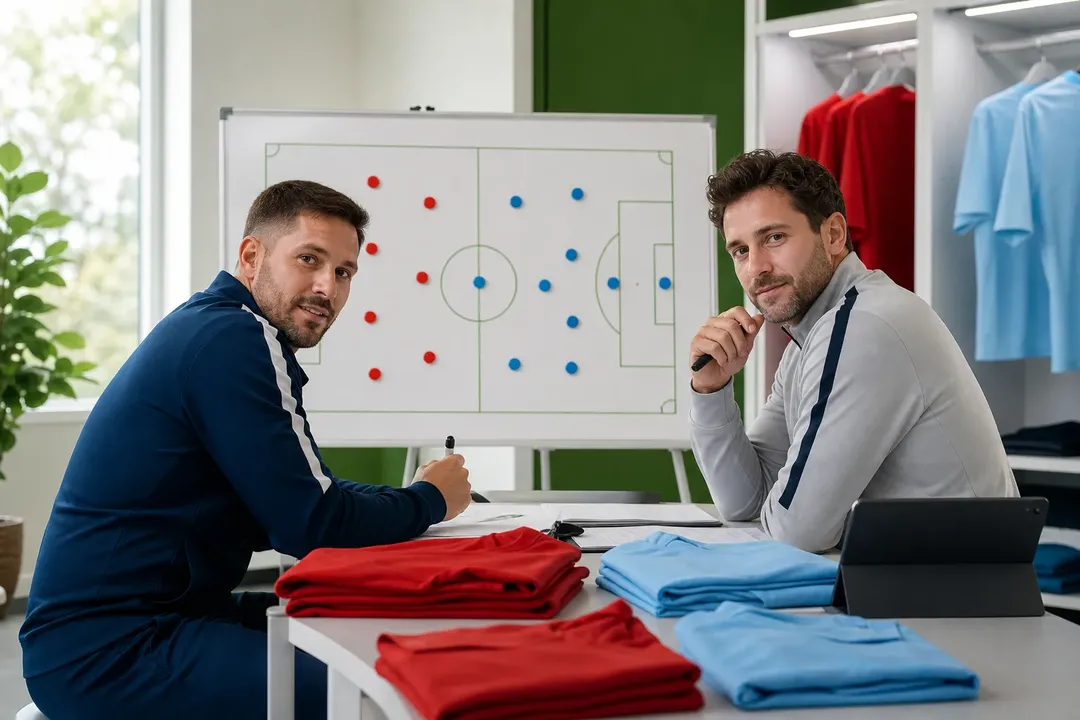
How to read Argentina’s selection
Argentina’s team sheet will show how much midfield support surrounds the attack and how the side plans to defend England’s wide threats. A familiar name can play a different role than in the quarterfinal, so formation graphics should be treated as starting references rather than permanent positions.
Rotation after extra time against Switzerland is another possibility, but it should not be stated as fact before the lineup arrives. Once confirmed, compare the starters with the quarterfinal and identify changes without inventing the reason behind each decision. Front-line names should be read alongside width and support. Two strikers can still form a cautious shape if the team sits deep, while one nominal forward can lead an aggressive press with midfield runners. Formation labels simplify a plan that will change throughout the match.
Last-minute changes and warm-up news
Occasionally a listed starter cannot begin after the team sheet is submitted. If that happens, official channels and the broadcast should identify the replacement. Update the headline, starting eleven, and substitute list together so readers do not see conflicting information on the same page.
Time stamps are essential. A lineup posted ninety minutes before kickoff and an update posted ten minutes before kickoff may both be authentic, but the later information controls. Keep the original context in the update log rather than silently replacing it. After kickoff, preserve the confirmed lineup section even when the live article moves to score updates. Search readers often arrive specifically for the starters, and replacing that information with a running commentary makes the page less useful after the match.
Turn the team sheet into a tactical preview
Once lineups are official, ask practical questions: who protects the center, where does width come from, which defender handles the fastest runner, and what changes are available from the bench? These questions connect names to the match rather than turning the article into a list.
The winner will face Spain on July 19, so recovery and substitution planning also matter. The team sheet is the first confirmed clue, not the final tactical answer. Positions will rotate, pressing heights will change, and the scoreboard will reshape both plans after kickoff. A final prepublication check should verify spelling, squad numbers, and the distinction between starters and substitutes. Small lineup errors spread quickly because other pages copy them, so the official team sheet should remain open while the article and social headline are updated.
Tags: #WorldCup2026 #EnglandArgentina #ConfirmedLineups #TeamNews #Atlanta
Sources consulted: FIFA World Cup 26 schedule and results · FIFA World Cup 26 tournament hub
All trademarks are the property of their respective owners.
Ask Karpo First
Text Karpo with the lineup question you care about. Karpo can send the confirmed answer, explain the tactical impact, and organize a viewing plan around your location.
Ask Karpo for more information.
Keep reading
- Haaland Has Seven Goals and Norway Runs Entirely Through Him
 World Cup Trophy Ceremony Timing Medals and Postmatch Celebrations
 Olise and France's Attack: The Semifinal Tactical Question