 Haaland Has Seven Goals and Norway Runs Entirely Through Him
⚽️2026 FIFA WORLD CUP
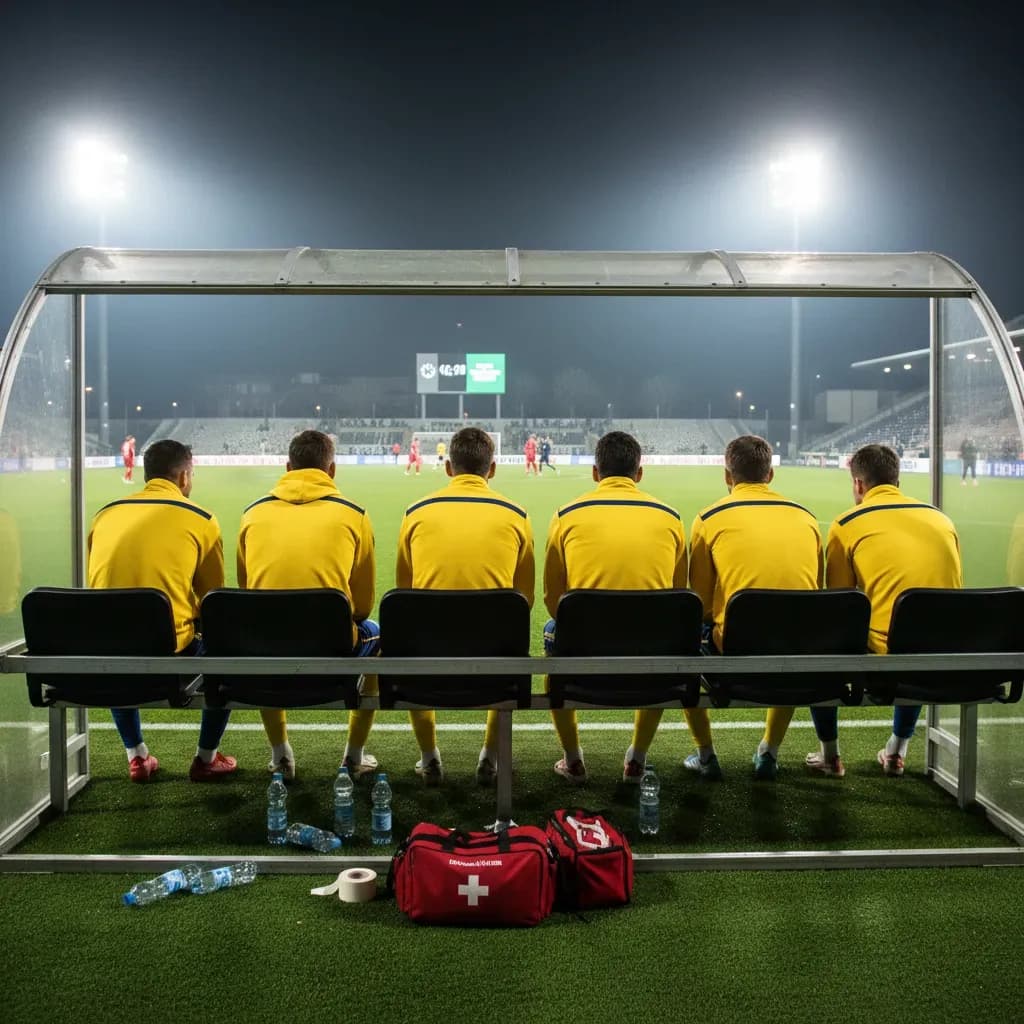
Endrick Has Played 87 Minutes at the 2026 World Cup and Brazil's Teenage Prodigy Is Learning That Patience Is Part of Greatness
Real Madrid's 19-year-old sensation Endrick arrived at the 2026 FIFA World Cup as the most hyped teenager in Brazilian football since Neymar, but Carlo Ancelotti's cautious deployment has limited him to brief substitute appearances totaling just 87 minutes across four matches.
The Most Famous Substitute in the World Cup
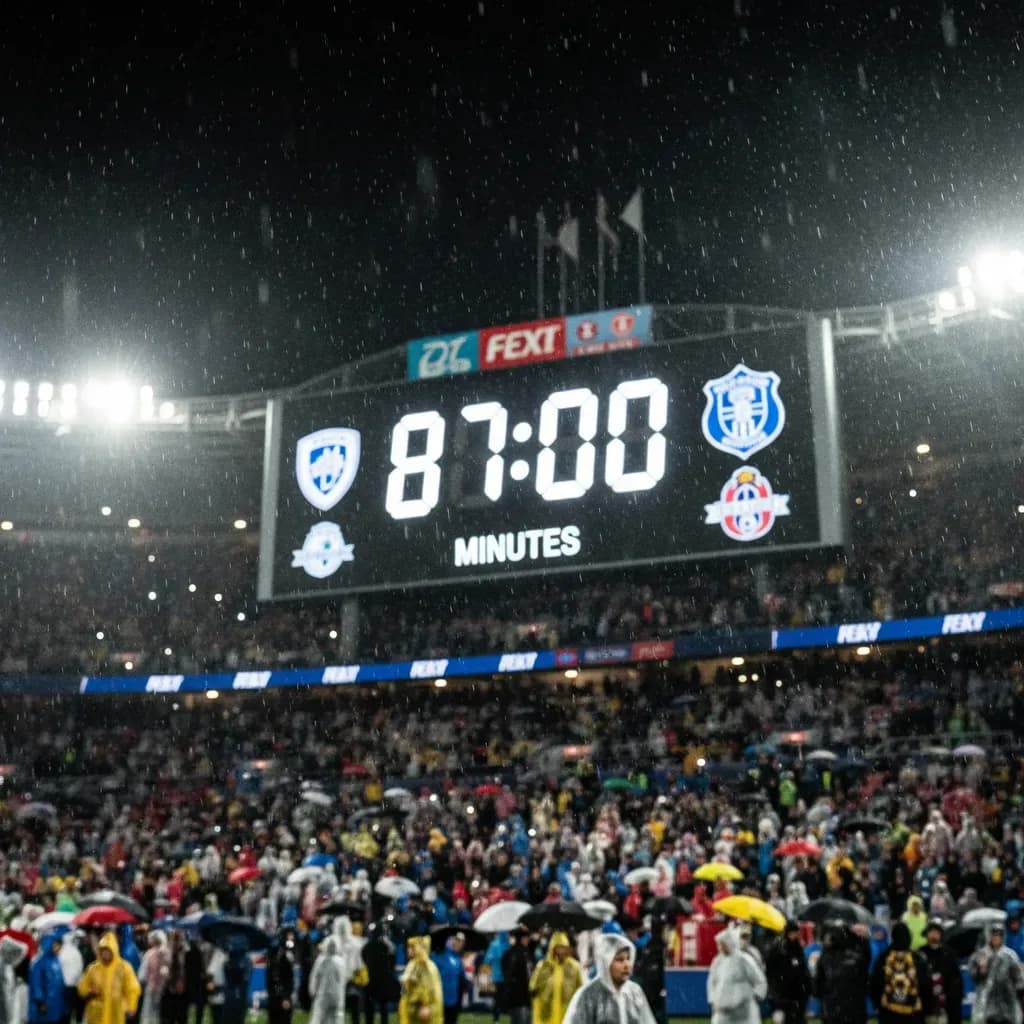
Endrick Felipe Moreira de Sousa — known to the football world simply as Endrick — sits on the bench. He has sat on the bench for the start of every match at the 2026 World Cup. In four matches, he has accumulated 87 minutes of playing time: 23 minutes against Costa Rica, 18 against Serbia, 22 against Switzerland, and 24 against Japan. He has touched the ball 31 times. He has taken four shots, none of which have found the target. He has not scored. He has not provided an assist. For a player who signed with Real Madrid for 72 million euros and was described by the Brazilian media as "the future of Brazilian football," the 2026 World Cup has been an exercise in humility.
Updated August 2026: World Cup schedules, stadium policies, player statistics, broadcast details, and post-match records can change quickly. Check the linked FIFA, stadium, broadcaster, or tournament sources in the Sources section before using this guide for travel, tickets, viewing plans, or factual citation.
The Weight of Brazilian Expectation
Brazil's relationship with teenage prodigies is complicated. Pele won the World Cup at 17. Ronaldo was a squad member at 17 and a star by 20. Neymar carried the weight of a nation at 22. The pattern has created an expectation that Brazilian football will always produce a teenage savior — a player who arrives fully formed and immediately dominates. Endrick was supposed to be the next iteration of this tradition. His goal-scoring record at Palmeiras — 21 goals in 51 appearances before his 18th birthday — was compared to Ronaldo's early career. His move to Real Madrid in 2024, negotiated when he was just 16, generated global headlines. But World Cups are unforgiving environments for young players, and Endrick has discovered that raw talent does not automatically translate into tournament impact.
Ancelotti's Protective Approach
Carlo Ancelotti's decision to limit Endrick's minutes has been both praised and criticized. Supporters argue that Ancelotti — who managed Endrick at Real Madrid during the 2025-26 season — understands the teenager's development needs and is protecting him from the psychological damage that a poor World Cup performance could inflict. Critics point out that Lamine Yamal, who is two years younger than Endrick, has been starting for Spain and performing brilliantly, suggesting that age alone is not a valid reason for limited playing time. Ancelotti has been characteristically pragmatic in his explanations: "Endrick is 19. This is his first World Cup. He is learning every day. The minutes will come when the moment is right."
What 87 Minutes of Data Reveals
Despite his limited playing time, Endrick's 87 minutes provide enough data for meaningful analysis. His average sprint speed of 34.2 km/h is the fourth-fastest of any Brazilian player at the tournament, suggesting his physical attributes are World Cup-caliber. His pressing intensity — 7.2 pressures per 90 minutes when adjusted for playing time — is higher than any other Brazilian forward. The problem lies in his decision-making: of his 31 touches, nine occurred outside the penalty area in positions where a more experienced forward would have been inside the box. He has been tracking back too deep, perhaps eager to show Ancelotti his work rate, at the cost of being in goal-scoring positions.
The Neymar Parallel
The comparisons with Neymar's first World Cup in 2014 are instructive but imperfect. Neymar started every match at his home World Cup and scored four goals. But Neymar was 22, had already played three full seasons in the Copa Libertadores, and had completed a year at Barcelona. Endrick is 19, has played one full season at Real Madrid primarily as a substitute, and has fewer than 30 international caps. The expectation that he would replicate Neymar's immediate impact was always unrealistic. More apt is the comparison with Ronaldo's 1994 World Cup, where the then-17-year-old did not play a single minute as Brazil won the title. Ronaldo's World Cup came four years later, in 1998. Endrick's may similarly arrive in 2030.
The Lesson of the Bench
What separates great players from good ones is not how they handle success but how they handle adversity. Endrick's World Cup has been an adversity that no amount of talent can overcome: the adversity of patience, of watching teammates play while sitting in a yellow tracksuit top, of hearing his name chanted by Brazilian fans who want to see him on the pitch. How he responds to this experience — whether it fuels his development or erodes his confidence — will determine the trajectory of his career. At 19, with potentially three more World Cups ahead of him, Endrick's story at the 2026 tournament is not one of failure. It is a prologue.
Tags: Endrick, Brazil, World Cup 2026, Real Madrid, Carlo Ancelotti, 87 minutes, teenage prodigy, Neymar comparison, Lamine Yamal, bench
Sources consulted: CBS Sports · FIFA · Yahoo Sports · FIFA World Cup 26 match schedule and results · FIFA World Cup 26 tournament hub · ESPN FIFA World Cup
All trademarks, team names, league names, and player likenesses mentioned in this article are the property of their respective owners and are used here for informational and editorial purposes only.
Ask Karpo First
Want to know if Endrick will start Brazil's next match or compare his World Cup stats with other teenage prodigies? Ask Karpo for the latest Brazil lineup predictions, Endrick's career stats, and a historical look at teenagers who made their mark at previous World Cups.
Ask Karpo for more information.
Keep reading
- Haaland Has Seven Goals and Norway Runs Entirely Through Him
 World Cup Trophy Ceremony Timing Medals and Postmatch Celebrations
 Olise and France's Attack: The Semifinal Tactical Question