 Haaland Has Seven Goals and Norway Runs Entirely Through Him
⚽️2026 FIFA WORLD CUP

Emiliano Martínez Made 12 Saves in the World Cup Final
Argentina lost the 2026 final, but its goalkeeper kept the match alive through a record-setting workload. The numbers explain both his brilliance and Spain’s control.
Emiliano Martínez made 12 saves in Argentina’s 1–0 extra-time defeat to Spain in the 2026 FIFA World Cup final. The total set a men’s World Cup final record, according to the Associated Press, and it explains how Argentina stayed level until Ferran Torres scored in the 106th minute. Martínez did not leave East Rutherford with the trophy, but he delivered the defining goalkeeping performance of the night: repeated interventions under pressure, almost no margin for error and one final shot that Spain placed beyond him.
Want a replay plan built around the saves that actually changed the match? Text Karpo for a personalized Martínez highlight list, the best angles to watch, and a football night out in New York City that fits your group.
Why 12 Saves Is Such a Large Final Number
A save is recorded when a goalkeeper prevents a shot on target from becoming a goal. Twelve saves therefore represent twelve separate moments in which Spain produced an attempt accurate enough to test the goal and Martínez stopped it. That is an extraordinary workload for a final, where teams often play more cautiously and clear chances are scarce. It also helps explain the gap between the scoreline and the flow of the game. A 1–0 result can suggest balance; a goalkeeper making twelve saves suggests sustained pressure.
The number should not be read as a perfect ranking of difficulty. A firm shot from distance and a close-range reaction stop can both count as one save. Context matters: the speed of the ball, the goalkeeper’s sightline, defensive deflections, rebound control and the location of the attempt all change the value of the action. Even with that caution, twelve saves in a World Cup final is not statistical decoration. It is evidence that Martínez was repeatedly asked to rescue possessions Argentina could not fully control.
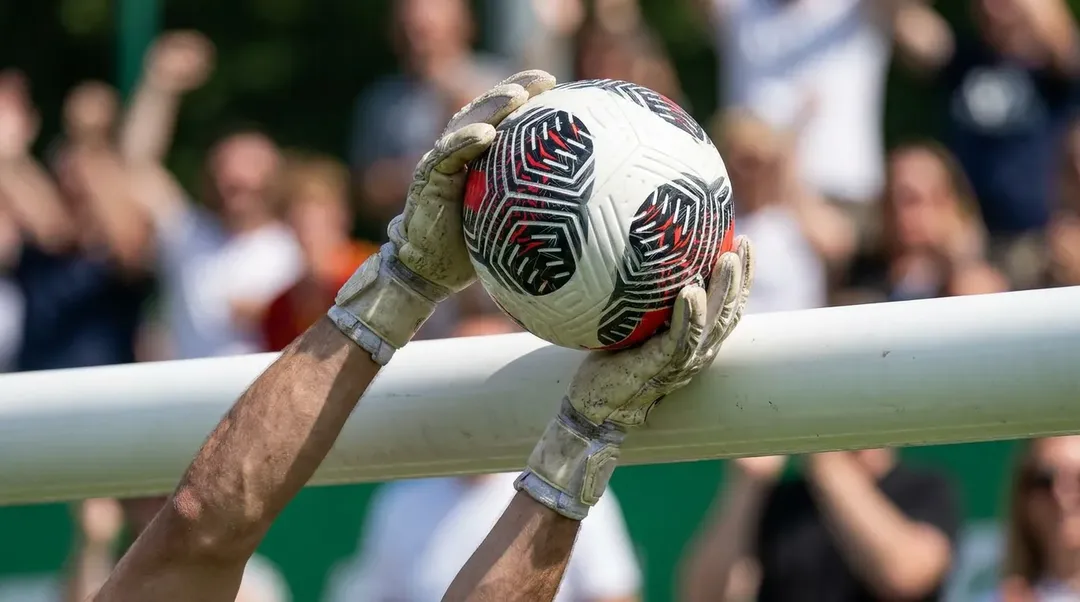
Martínez Kept Changing Spain’s Emotional Test
Every save did more than prevent a goal. It asked Spain whether the team would remain patient after another attack ended without reward. Finals can turn when the dominant side begins to rush, shoots from worse positions or loses defensive balance while chasing the breakthrough. Martínez gave Argentina that possibility. A spectacular stop can lift defenders, tighten the crowd and make the attacking team feel as if the goal is shrinking. Spain had to solve the goalkeeper without abandoning the structure that created the chances.
Martínez is especially effective when he can stay balanced long enough to read the final action. His presence encourages attackers to make one more decision: shoot early, try to round him, change the finish or wait for a passing option. That extra beat can be enough for a defender to recover. In the final, Spain continued to place Martínez in difficult situations, yet he repeatedly delayed the consequence. The match reached extra time because his performance kept Argentina connected to a scoreless game.
The Record Also Reveals Argentina’s Problem
A goalkeeper record can be celebrated and diagnosed at the same time. Argentina did not plan to make Martínez the busiest player on the field. The team defended compactly, protected central space and tried to release Lionel Messi when possession changed, but Spain recovered the ball quickly and rebuilt attacks before Argentina could move up the pitch. Martínez’s save count grew because the defensive block kept bending without creating enough relief at the other end.
The Associated Press reported that Argentina did not record a shot until extra time. That imbalance placed nearly all of the match’s immediate risk near Martínez. He could win individual duels and control rebounds, but he could not give Argentina sustained possession twenty or thirty meters farther forward. Goalkeeping can preserve a chance to win; it cannot manufacture the attacking phases that reduce the need for another save. The record is therefore both a tribute and a warning sign.

Why the Winning Goal Was Not a Goalkeeping Failure
Torres scored in the 106th minute after Spain finally found the decisive opening. It is tempting to judge a goalkeeper by the only shot that went in, especially in a final, but the better question is whether the chance left a realistic saving action. Goalkeepers react to distance, angle, traffic and the position of defenders. After more than a hundred minutes of pressure, one clean finish can beat even the player who has already prevented the match from ending much earlier.
The goal should be understood as the limit of repeated emergency work, not the cancellation of everything before it. Martínez had already stopped Spain twelve times. Argentina then needed an equalizer, which never arrived. The final result belongs to the entire team structure: how attacks were conceded, how second balls were handled, how transitions failed to develop and how Spain protected the lead. A goalkeeper can be the best performer on the losing side without carrying responsibility for the loss.
How to Rewatch a Goalkeeper Performance
Do not watch only the ball crossing toward goal. Begin each clip a few seconds earlier. Check Martínez’s starting position, whether he can see the shot, how many bodies obstruct the path and whether he sets his feet before the strike. Then look at what happens after contact. A strong save pushed into a dangerous central area can create another chance; a controlled catch or a touch away from attackers can end the sequence. Rebound direction is one of the clearest differences between a dramatic stop and a complete one.
Also notice communication. Goalkeepers point, call and adjust the defensive line before the shot exists. Television rarely isolates those instructions, but the movement of defenders can reveal them. When Martínez steps forward to claim space, holds his line or shifts toward the near post, he is making a prediction about the next pass. Watching those decisions turns a montage of reflexes into a fuller performance. The 12 saves become part of one continuous problem-solving exercise rather than twelve disconnected clips.
The Legacy of a Record Set in Defeat
Finals usually preserve the winning image first. Spain lifted the trophy, Torres became the scorer and the late goal entered national history. Martínez’s record lives beside that story because it explains why the final remained undecided for so long. Argentina was under pressure, yet the goalkeeper prevented Spain from turning control into a comfortable score. His night gave the defending champion one last window to change the ending.
The useful conclusion is not that saves matter more than trophies. It is that football can contain two true performances at once. Spain deserved the title because it created, controlled and eventually finished. Martínez deserved recognition because he absorbed a record workload and nearly carried the match to penalties. The number 12 is memorable, but the better summary is simpler: Argentina kept hoping because its goalkeeper kept answering, until Spain finally asked a question no save could solve.
Tags: #WorldCup2026 #EmilianoMartinez #Argentina #Spain #WorldCupFinal #Goalkeeper #FootballStats
All trademarks are the property of their respective owners.
Ask Karpo First
Ask Karpo for a goalkeeper-first World Cup recap, a short list of the saves worth replaying, and a New York City plan for watching the best moments with friends.
Ask Karpo for more information.
Keep reading
- Haaland Has Seven Goals and Norway Runs Entirely Through Him
 World Cup Trophy Ceremony Timing Medals and Postmatch Celebrations
 Olise and France's Attack: The Semifinal Tactical Question