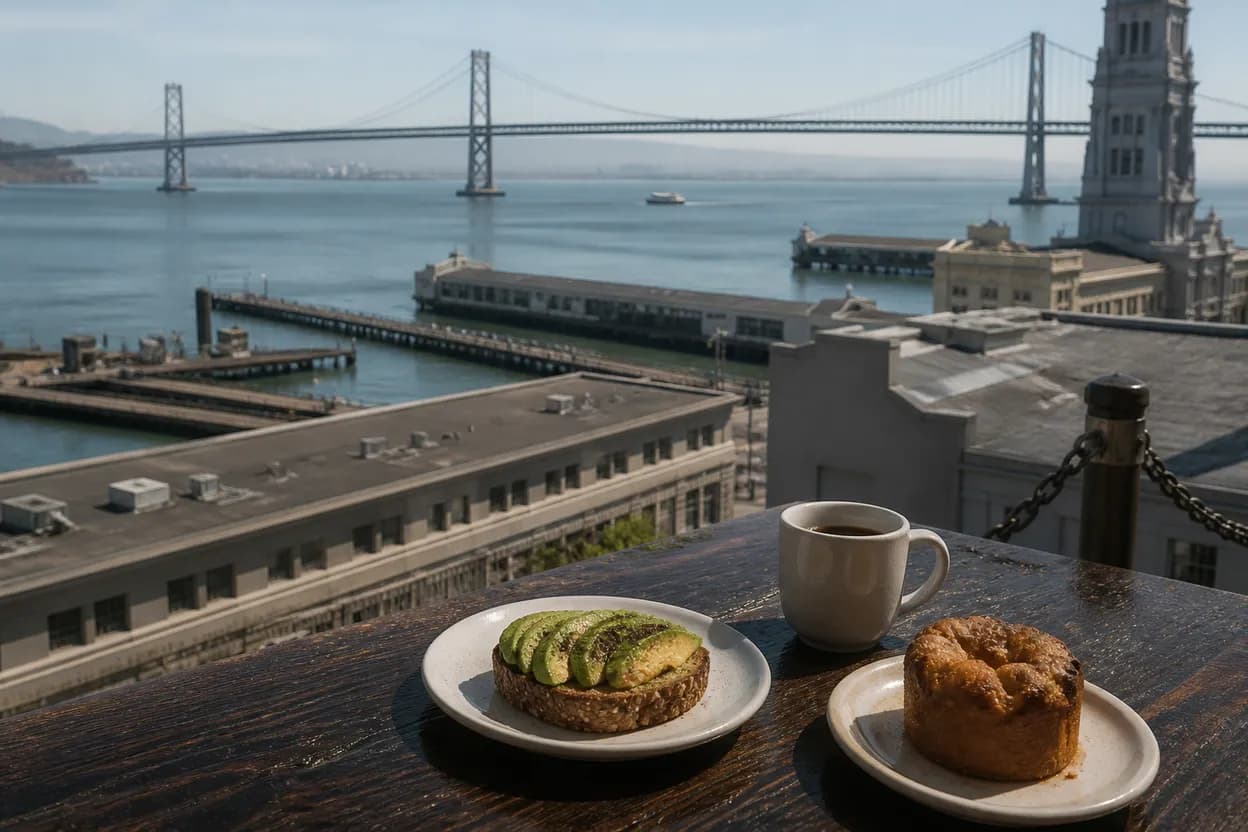
The title ellar coltrane: Unexpected San Francisco Stops for Curious Locals should be read as a prompt, not a promise. There is no basis here for claiming an appearance, endorsement, private visit, or event connection. Instead, use the attention around ellar coltrane as a practical excuse to build a better San Francisco afternoon: one public odd-find stop, one calmer backup, and a transit plan checked against official city information before you move. San Francisco rewards curiosity, but it also punishes assumptions. Construction, Muni alerts, weekend crowds, weather shifts, and unclear access rules can turn a clever detour into a wasted cross-town ride. The smarter move is to verify first, keep the route flexible, and let the oddness come from the place itself rather than from hype.
Want a cleaner route before you commit? Text Karpo with your starting corner, time window, mobility needs, and odd-find mood, and ask for a verified San Francisco detour plan.

Use the headline to open a more curious detour
A timely name can get someone to click, but it should not decide the itinerary. Treat ellar coltrane as the opening tab in your browser, then move quickly to the public questions that matter: Is the place open to visitors? Is the entrance obvious? Is photography allowed? Can you leave without losing an hour if the stop disappoints? For a city-scope plan, the answer should be built around official access and transportation information, not around social posts or secondhand claims.
Start with a narrow window, not a vague afternoon. Pick a 90-minute to three-hour block, then decide whether you are willing to ride Muni, walk, bike, drive and park, or mix modes. SFMTA’s official site presents trip-planning options for Muni, walking, biking, driving and parking, taxis, and accessibility, which makes it the right first check before you fall in love with a hidden-gem idea. If the route looks fragile, the stop is not your anchor; it is your maybe.
Choose a place with a real point of view
The best odd San Francisco stop is not necessarily the strangest object on a map. It is a public place with a clear reason to exist: a materials archive, a small institutional display, an overlooked civic feature, a working transit-adjacent detail, or a park-adjacent curiosity whose official access can be checked. If you cannot explain the point of view in one sentence, you probably have a photo errand rather than a worthwhile detour.
Because official destination pages can change or fail to load, avoid building the plan around fragile assumptions. The San Francisco Recreation and Park Department should be checked directly for current park-related details, since changing information belongs on its official site. If your odd find depends on a gate, building, garden, restroom, trail, permit area, or staffed facility, verify the current page before departure rather than relying on an old article.
Use a simple test: would the stop still be interesting if no one famous had ever been mentioned near it? If yes, keep it. If no, cut it. This protects the plan from rumor and keeps the article’s hook in its proper place.
Look for materials archives or hands-on details
San Francisco’s hidden-gem value often sits in texture: old infrastructure, small collections, designed public spaces, transit artifacts, neighborhood-scale architecture, or civic systems hiding in plain sight. A materials-minded stop gives you something to observe without needing special access. Look for posted signs, official interpretive material, visible construction notices, route maps, wayfinding, or public-facing displays. Do not enter staff areas, loading zones, locked gardens, closed buildings, or private residential spaces just because they look interesting.
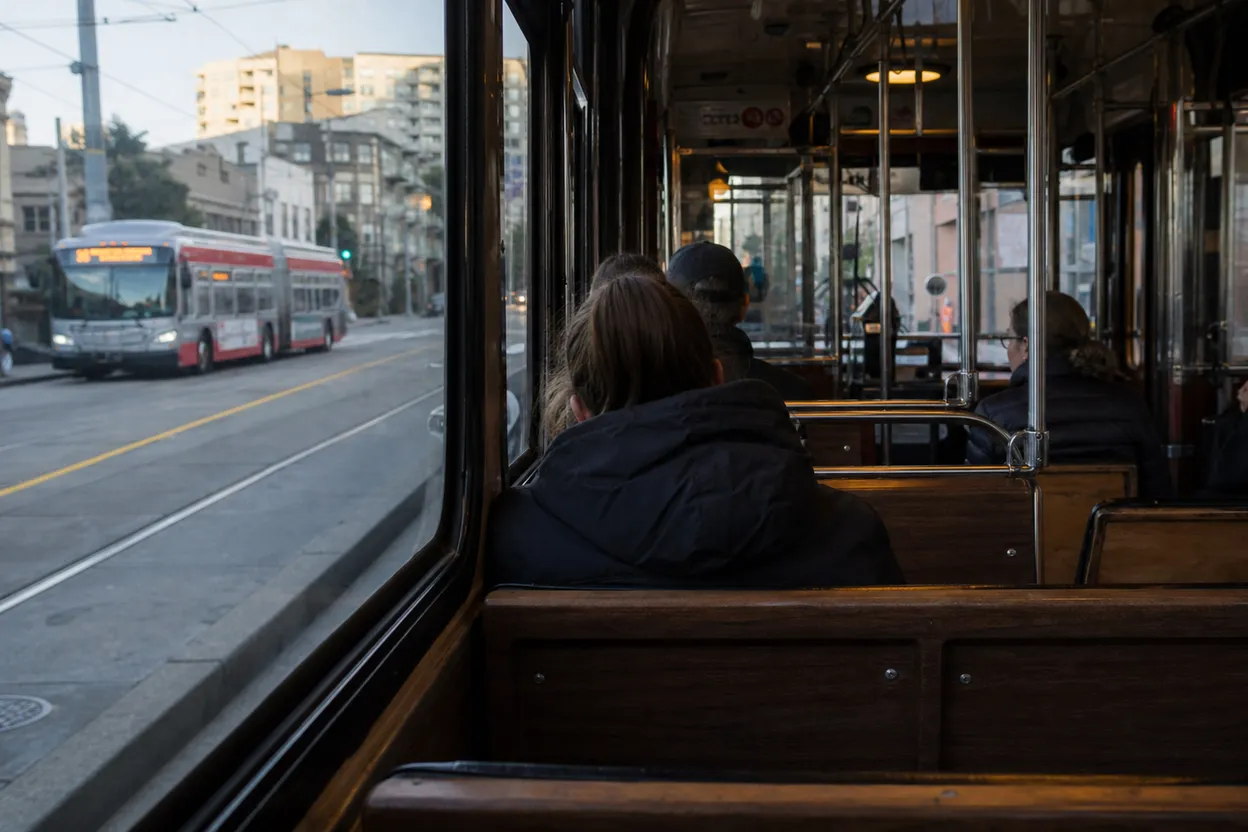
Make the official transit check part of the experience. SFMTA lists Muni routes and stops, historic streetcar and cable car routes, travel maps and guides, neighborhood information, and current travel and transit updates. Those tools can reveal whether your odd find is better approached by bus, train, streetcar, bike, or a walk from a more reliable corridor. They also help you avoid designing a route that depends on one perfect connection.
For today, be especially skeptical of plans that cross known busy corridors without a fallback. SFMTA’s site includes active travel and transit updates, and it displayed an Outside Lands notice for Aug. 7-9 along with other updates such as Chinatown construction dated July 30-Aug. 9. That does not mean your chosen stop is blocked, but it does mean you should check the latest official information before assuming a clean ride.
Pair the odd stop with a calmer second option
A good San Francisco odd-find plan has a pressure valve. Your first stop can be niche, specific, and slightly inconvenient; your second should be calmer and easier to abandon. Choose a backup that uses the same general direction of travel, the same transit line, or the same walkable district. The backup is not filler. It is what keeps the day from becoming a stubborn argument with a locked door, a delay, or a crowd you did not expect.
The most executable version looks like this: check your starting point in the SFMTA trip planner, choose your primary public stop, identify the nearest Muni routes or walk-bike options, then select a second public place reachable without starting over. If Muni alerts, construction notices, or crowd conditions look unfavorable, reverse the order or drop the primary stop. You are not losing the plan; you are preserving the afternoon.
Crowd risk matters on weekends, event days, and any date when official transit pages are already highlighting major movement. Since SFMTA publishes alerts and travel updates, make that your final check before leaving. If the official page shows disruptions near your route, do not try to outsmart the city with wishful timing. Pick the calmer option first.
Respect access photography and privacy rules
Hidden-gem behavior should be quieter than tourist behavior. Public access does not mean unlimited access, and visual curiosity does not override privacy. Before photographing interiors, staff, visitors, posted materials, or anything that appears to be part of a controlled facility, look for official rules on the relevant site or posted at the location. If the rule is unclear, ask a staff member when present or skip the shot.
Do not use a celebrity search hook to justify intrusive behavior. This article makes no claim that ellar coltrane is present in San Francisco, connected to any stop, or associated with any venue. That boundary matters. A good odd-find walk is about public observation, not tracking people, filming strangers, or treating private spaces as clues.
Also watch the mundane rules: entrances, closing signs, temporary barriers, construction fencing, and transit instructions. SFMTA and city agencies publish changing information because conditions change. If a sign on the ground conflicts with what you expected, follow the current posted instruction and adjust the plan.
Verify current entry details
Before you leave, run a five-minute verification drill. First, check the official page for the place you want to visit. Second, check SFMTA for route options, alerts, and travel updates. Third, confirm whether walking, biking, Muni, driving and parking, taxi, or accessibility needs make sense for your group. Fourth, save a backup stop that does not depend on the same fragile condition, such as the same entrance, the same transfer, or the same crowd corridor.
Do not assume prices, hours, exhibits, access, or availability from memory. If an official page is unavailable, protected by a security verification screen, or not loading, treat that as a caution sign rather than a green light. For park-related details, verify directly with San Francisco Recreation and Park before relying on changing information. For movement through the city, use SFMTA’s trip-planning and update tools close to departure time.
The final plan should fit on one note: primary stop, backup stop, arrival window, route, accessibility needs, official page to recheck, and the point at which you will bail. That last line is underrated. San Francisco is dense enough that a failed odd stop can still become a good walk if you decide early and move calmly.
Tags: #AskKarpo #BeforeYouGo #SanFrancisco #HiddenGems #OddFinds #CuriousLocals #SFMTA #Muni #SFTransit #PublicAccess #VerifyFirst #CityPlan #LocalDetour #NoHype
Sources consulted: sftravel.com · sfmta.com · sfrecpark.org
All trademarks are the property of their respective owners.
Ask Karpo first
Ask Karpo first if your San Francisco plan depends on a tight transfer, a questionable entrance, or a trending name. Share your start point, time window, preferred pace, and accessibility needs, then ask for a verified primary stop, a realistic backup, and the official checks to make before you go.


