 Haaland Has Seven Goals and Norway Runs Entirely Through Him
⚽️2026 FIFA WORLD CUP
How an 11-Minute Show Changed World Cup Final Tradition
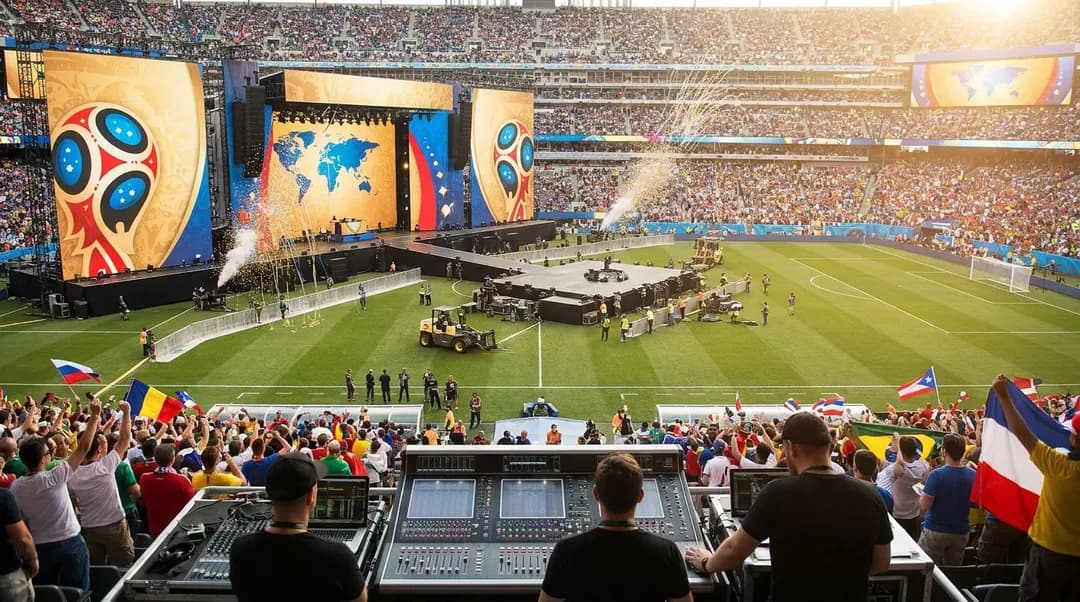
For the first time in tournament history, a World Cup final will pause for a dedicated halftime production. The 11-minute show curated by Chris Martin marks a fundamental shift in how the sport's biggest match is experienced.
The World Cup final has long been defined by 90 minutes of football and little else. That operational reality changed with the announcement that the championship match will feature its first dedicated halftime show, an 11-minute production curated by Chris Martin. What was once a brief intermission for tactical adjustments and stadium crowd management has evolved into a programmed entertainment segment, aligning the world's most-watched sporting event with the production standards of other major finals.
Text Karpo to explore how major sporting events balance tradition with entertainment innovation, or ask about the logistical planning behind halftime productions at global tournaments. We'll connect you with insights on event management, broadcast scheduling, and the operational decisions that reshape how audiences experience championship matches.
Breaking With Tournament Protocol
The introduction of a dedicated halftime show represents a departure from decades of World Cup final operations. Previous championship matches maintained a standard 15-minute halftime interval focused on player recovery, coaching adjustments, and minimal stadium activities. The decision to allocate 11 minutes to a curated performance required adjustments to broadcast windows, stadium operations, and the overall match timeline.
This shift places the World Cup final in conversation with other major sporting championships that have successfully integrated halftime entertainment. The Super Bowl halftime show has become a cultural institution in its own right, often drawing viewers who might not otherwise watch American football. Similarly, UEFA Champions League finals have experimented with opening ceremonies, though the World Cup final had remained comparatively austere in its presentation format until this development.
Operational Complexity Behind the Curtain
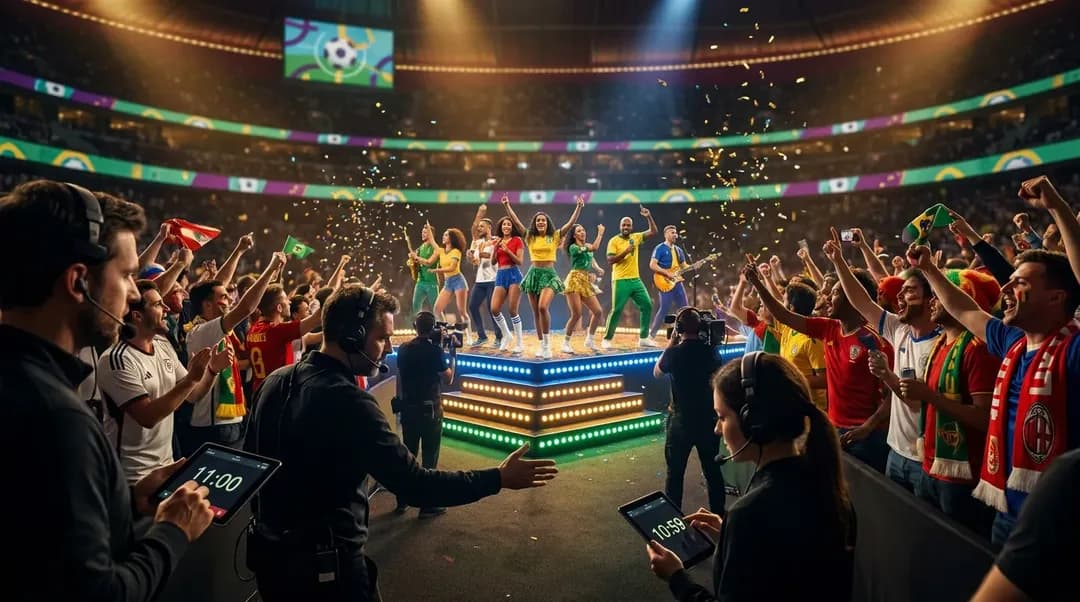
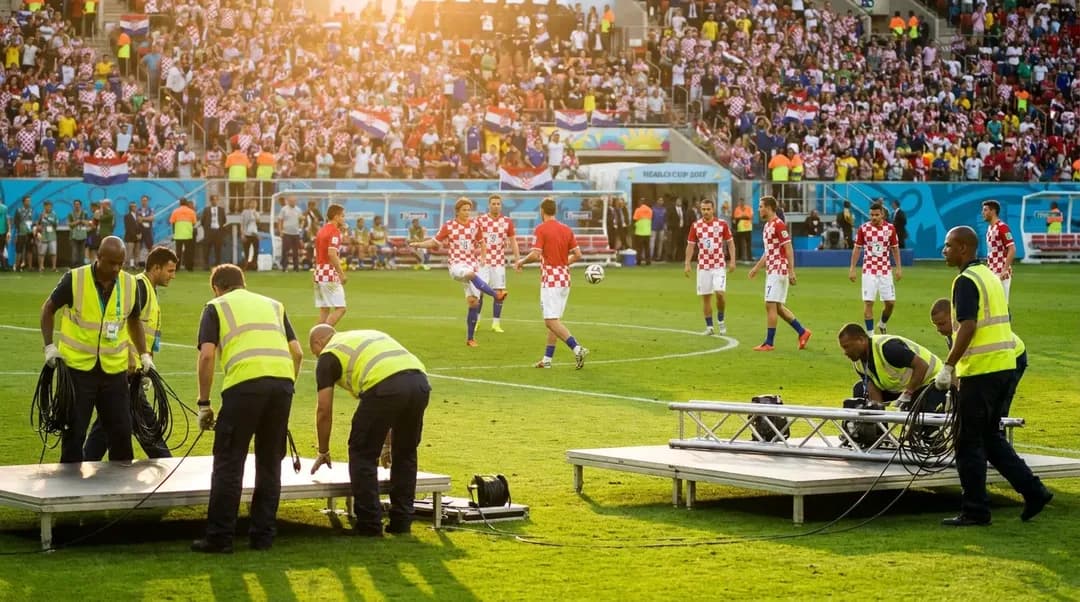
Mounting an 11-minute production during a World Cup final demands precision that extends far beyond the performance itself. Stadium crews must execute rapid stage deployment and removal while protecting the pitch surface that players will return to within minutes. Broadcast partners must coordinate camera positions, audio mixing, and advertising inventory around the extended halftime window, all while maintaining global transmission quality for an audience measured in hundreds of millions.
The selection of Chris Martin as curator adds another layer of coordination. Curating a performance differs from performing one, involving decisions about pacing, visual presentation, and how the show integrates with the broader match experience. The curator must balance spectacle with efficiency, creating a production substantial enough to justify the operational investment while respecting the primacy of the football match itself.
Cultural Implications for Football Tradition
Football culture has historically resisted what some perceive as Americanization of the sport. The introduction of a halftime show at the World Cup final inevitably raises questions about whether the match experience is being reshaped to accommodate entertainment priorities. For purists, the 90 minutes of play and the immediate post-match ceremonies represent the complete experience, requiring no supplementary programming.
Yet the counterargument holds that a one-time championship match exists in a different category than weekly league fixtures. The World Cup final already includes extensive pre-match ceremonies, trophy presentations, and broadcast productions that extend well beyond the match itself. A curated halftime show could be understood as an evolution rather than a disruption, acknowledging that a global final serves multiple audiences with varying relationships to the sport.
Precedent for Future Championships
Once a World Cup final includes a dedicated halftime show, the precedent influences planning for subsequent tournaments. Future host nations and tournament organizers will evaluate whether to continue the practice, modify it, or return to traditional halftime operations. The decision becomes part of the bidding and planning process, with potential implications for stadium selection, broadcast negotiations, and sponsorship packages.
The 11-minute duration itself establishes a baseline. Too brief, and the production may not justify the operational complexity; too long, and player warmup routines and match rhythm face disruption. The choice to keep the show contained to 11 minutes suggests an attempt to balance innovation with respect for the sporting event's core structure, creating a template that future organizers can reference or revise based on reception and practical outcomes.
Stadium Experience Versus Broadcast Reality
The halftime show creates divergent experiences for stadium attendees and broadcast viewers. Those in the venue at East Rutherford witness the production live, with the full sensory environment of staging, sound systems, and crowd energy. Television audiences see a curated version shaped by camera angles, commentary, and commercial breaks, experiencing the performance through the filter of broadcast production decisions.
This split raises questions about which audience the show primarily serves. A production optimized for stadium spectacle might not translate effectively to television screens, while a broadcast-focused show could feel diminished to those who paid premium prices for venue attendance. The curator's challenge involves designing a performance that delivers value across both contexts, maintaining coherence whether experienced from a stadium seat or a living room couch thousands of miles away.
Measuring Impact Beyond the Performance
The true significance of this first dedicated World Cup final halftime show will be measured not in the 11 minutes it occupies but in what it reveals about the tournament's evolving identity. Does the addition of programmed entertainment expand the event's appeal to broader audiences, or does it risk diluting the sporting purity that makes the World Cup distinctive among global competitions? These questions lack immediate answers, requiring perspective that only emerges in subsequent tournaments.
What remains clear is that the operational and cultural landscape has shifted. A barrier that separated World Cup finals from other major sporting championships has been crossed, creating new possibilities for how the match is experienced, marketed, and remembered. Whether this 11-minute show becomes a footnote or a turning point depends on choices made by future organizers, but the precedent now exists, permanently altering the conversation about what a World Cup final can include.
Tags: #WorldCupFinal #HalftimeShow #ChrisMartin #SoccerCulture #EastRutherford #SportsBroadcast #TournamentTradition #GlobalFootball
All trademarks are the property of their respective owners.
Ask Karpo First
Before planning your viewing party for the final or analyzing how major tournaments balance tradition with innovation, reach out to Karpo for context on event production decisions, the history of championship halftime programming, or how global sporting events navigate cultural expectations across diverse audiences. We help you understand the operational realities behind the spectacle.
Ask Karpo for more information.
Keep reading
- Haaland Has Seven Goals and Norway Runs Entirely Through Him
 World Cup Trophy Ceremony Timing Medals and Postmatch Celebrations
 Olise and France's Attack: The Semifinal Tactical Question