The Social Media Thread That Went Viral
Two days after his explosive post-match press conference, Hossam Hassan published a 12-post thread on X (formerly Twitter) that expanded his initial complaints into a comprehensive critique of what he described as "structural inequality in world football." The thread, written in Arabic with an English translation provided by Hassan's media team, included statistical analysis, video clips, and references to academic research on referee bias. It accumulated 45 million impressions in 24 hours and was translated into 14 languages by users. The thread transformed Hassan from a frustrated coach into a global spokesman for football's smaller nations.
Want the full story on the fair play debate? Text Karpo for expert takes, match analysis, and the controversy explained.
The Statistical Argument
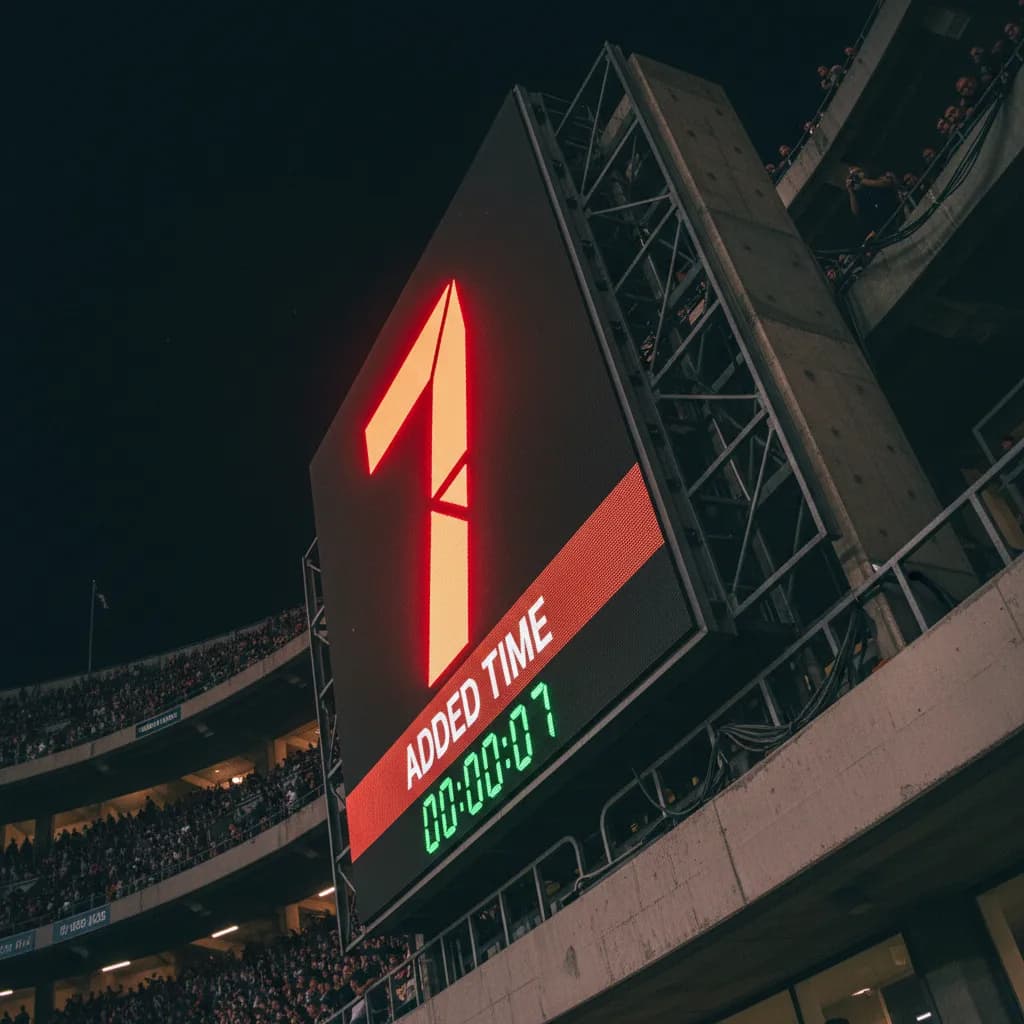
Hassan's most compelling claims were backed by data. His thread cited a 2024 study by the University of Basel that found referees at major tournaments add an average of 47 seconds more stoppage time when a higher-ranked team is losing compared to when a lower-ranked team is losing. The study, which analyzed 312 World Cup and European Championship matches between 2010 and 2022, found a statistically significant (p < 0.05) correlation between team ranking and added time. Hassan applied the finding to his own match: Argentina, ranked 1st, received seven minutes of added time while trailing a team ranked 42nd. The implication — that referee bias, even if unconscious, systematically favors higher-ranked teams — resonated with fans worldwide.
FIFA's Disciplinary Response
FIFA responded to Hassan's social media campaign with a formal charge under Article 11 of the Disciplinary Code, which prohibits "offensive behavior" and statements that "bring the game into disrepute." The charge carries a maximum sanction of a six-match touchline ban and a fine of up to 200,000 Swiss francs. Egypt's Football Association initially distanced itself from Hassan's comments, but reversed course after a wave of public support — including statements from Egyptian President Abdel Fattah el-Sisi — made it politically untenable to abandon the coach. The EFA is now providing legal support for Hassan's defense, which will argue that his comments constituted protected free speech rather than offensive behavior.
Support From Unexpected Quarters
Hassan's campaign received support from surprising sources. Arsene Wenger, FIFA's Chief of Global Football Development, told reporters that "the questions Hossam raises deserve serious analysis, even if the delivery was inappropriate." Jorge Valdano, the former Real Madrid director and Argentina World Cup winner, wrote in El Pais that Hassan's statistical evidence was "uncomfortable but not wrong." Even within Argentina's camp, unnamed players reportedly expressed sympathy for Egypt's position — though none were willing to challenge the result publicly.
The Fair Play Critique
Hassan's most philosophically interesting argument concerned FIFA's fair play ranking system, which is used as a tiebreaker in group-stage matches. Hassan argued that the system — which penalizes yellow and red cards, which are disproportionately given to teams that defend deeply — systematically disadvantages smaller nations that play defensive football against stronger opponents. "You tell us to be fair," Hassan wrote, "but your definition of fairness punishes the only strategy we have. When a team ranked 42nd defends against the team ranked 1st, they will commit fouls. That is not unfair. That is survival. But your system calls it unfair play."
The Cultural Response in Egypt
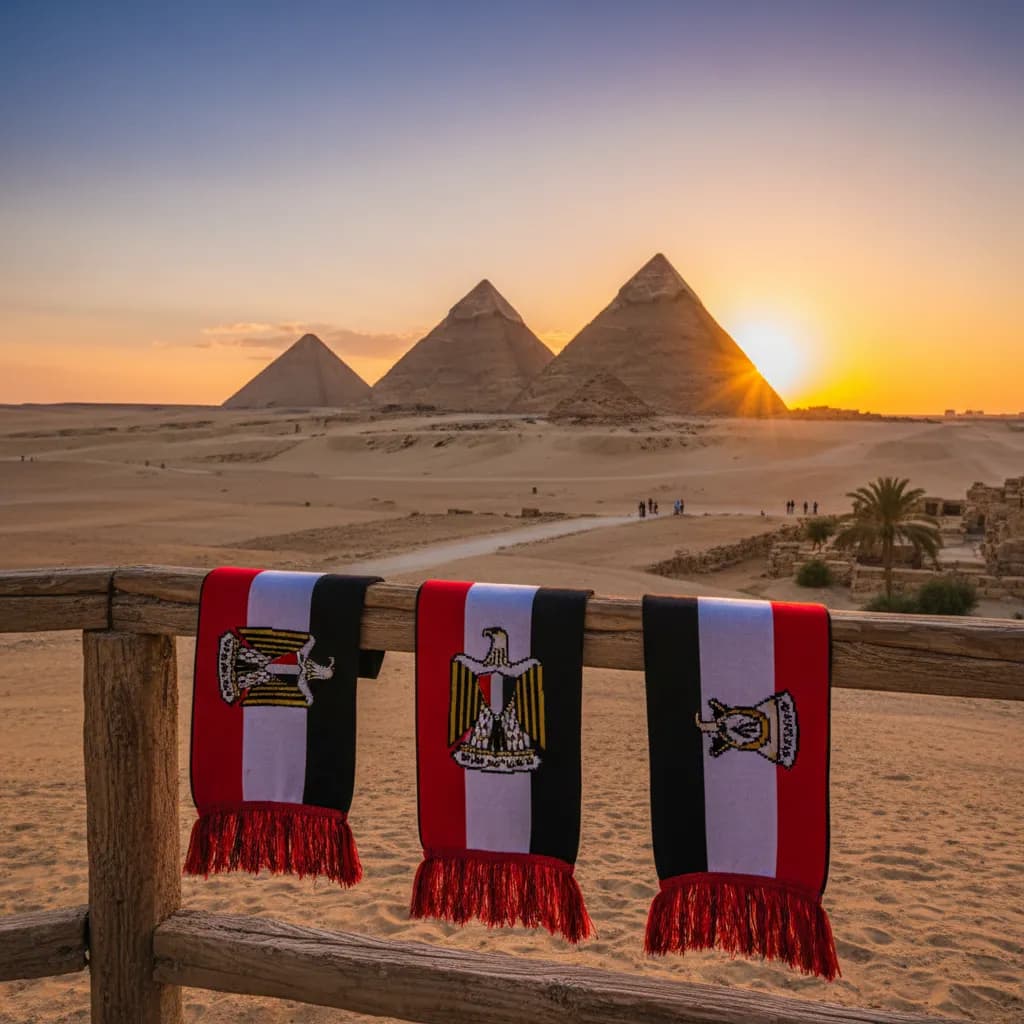
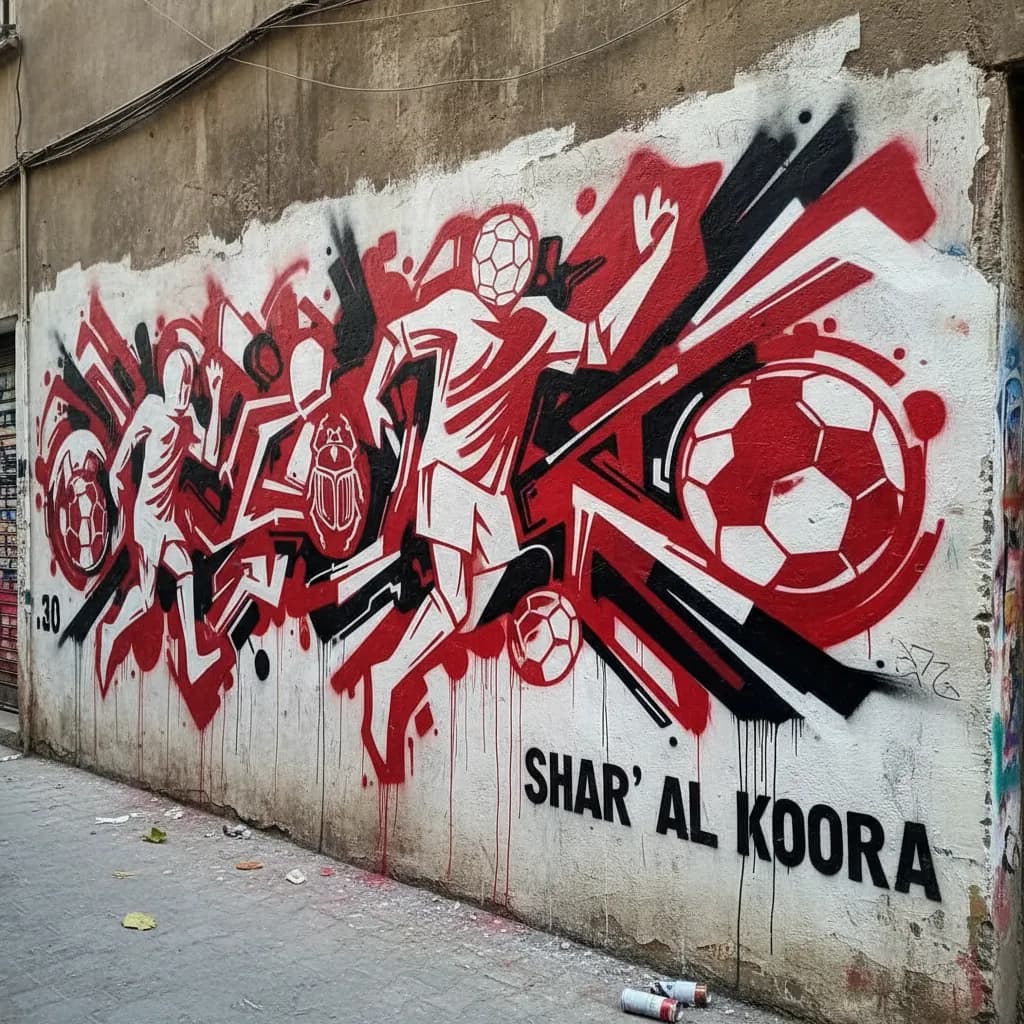
In Egypt, Hassan has become a national hero. His face appeared on the front page of every major Egyptian newspaper for three consecutive days. Street murals of Hassan were painted in Cairo, Alexandria, and Luxor within 48 hours of the social media thread. The Egyptian Parliament debated a motion — ultimately symbolic — condemning FIFA's treatment of the national team. The cultural response reflected not just football disappointment but a broader sense of injustice felt by Egyptians regarding their nation's position in global power structures. Hassan, perhaps unwittingly, channeled decades of postcolonial frustration into a football argument.
The Lasting Debate
Hassan's intervention has launched a debate that will outlast the 2026 World Cup. The questions he raised — about referee bias, about structural advantages for established football powers, about the definition of fair play — do not have simple answers. But they are now part of the mainstream football discourse in a way they were not before his press conference. Whether FIFA engages with these questions substantively or dismisses them as the complaints of a sore loser will say as much about football's governing body as it does about Hassan himself.
Tags: Hossam Hassan, Egypt, Argentina, fair play, World Cup 2026, referee bias, added time, FIFA, structural inequality, football governance
Sources consulted: Al Jazeera · ESPN · BBC Sport · The Guardian
All trademarks, team names, league names, and player likenesses mentioned in this article are the property of their respective owners and are used here for informational and editorial purposes only.
Ask Karpo First
Want to explore the debate about referee bias in football or Egypt's World Cup journey? Ask Karpo for the University of Basel study on added time bias, FIFA's fair play ranking methodology, and Hassan's complete social media thread with full translations.