The Complaint That Shook FIFA
On July 7, 2026, the Egyptian Football Association submitted a 47-page formal complaint to FIFA's disciplinary committee alleging systematic bias in VAR decisions during their Round of 16 match against Argentina at NRG Stadium in Houston. The complaint, signed by EFA president Gamal Allam, identifies three specific incidents in which VAR decisions went against Egypt and argues that the cumulative effect of these decisions "materially altered the outcome of the match." The complaint requests that FIFA conduct an independent review of the VAR process, release the full audio recordings between the referee and the VAR team, and consider replaying the match.
Following the VAR drama? Ask Karpo for the latest twists in the tournament.
The Three Contested Decisions
The first contested decision occurred in the 34th minute, when Argentina's Enzo Fernandez appeared to handle the ball in his own penalty area during an Egypt corner kick. The on-field referee did not award a penalty, and VAR determined there was "no clear and obvious error." Egyptian television replays, broadcast from a different camera angle than the one used by VAR, appeared to show the ball striking Fernandez's upper arm. The second decision, in the 62nd minute, involved a potential red card for Nicolas Otamendi after a challenge on Mohamed Salah that left the Liverpool forward with a cut above his right eye. VAR reviewed the incident and recommended only a yellow card. The third, and most controversial, was the disallowed Salah goal in the 88th minute.
The 88th-Minute Goal: Three Centimeters
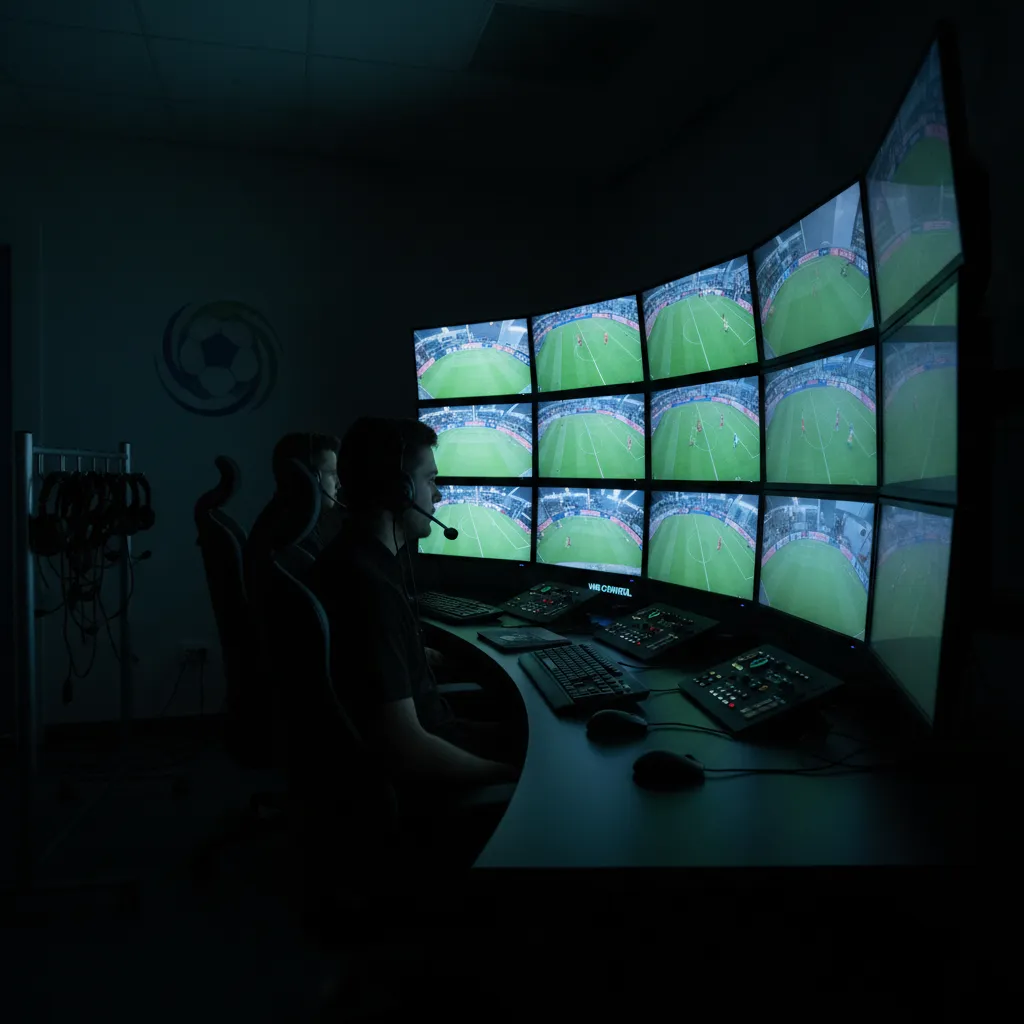
With Egypt trailing 3-2 and desperate for an equalizer, Mohamed Salah latched onto a through ball from Omar Marmoush and slotted past Emiliano Martinez. NRG Stadium erupted. Egyptian players celebrated. Then the VAR review began. After three minutes and 40 seconds — the longest VAR review of the tournament — the goal was disallowed for offside. The official FIFA graphic showed Salah's shoulder was ahead of the last defender by approximately three centimeters. Independent analysis by sports technology firms has since questioned the accuracy of this measurement, noting that the camera frame rate used by the VAR system creates a margin of error of approximately two centimeters. If Salah was onside — even by a millimeter — the goal should have stood, the match would have been 3-3, and extra time would have followed.
Egypt's Reaction: "We Were Robbed"
Egypt's post-match reaction was immediate and emotional. Head coach Rui Vitoria refused to attend the post-match press conference, sending his assistant instead. Mohamed Salah, speaking in the mixed zone, said in English: "I scored a goal. Everyone saw it. I was onside. They took it away from us." Captain Ahmed Hegazi called the VAR decisions "a disgrace" and suggested that "small countries are treated differently from big countries" in World Cup knockout matches. Egyptian social media erupted with the hashtag #EgyptWasRobbed, which trended globally for 18 hours and generated over 200 million impressions.
FIFA's Response
FIFA's initial response to the Egyptian complaint was procedural: a spokesperson confirmed receipt of the complaint and stated that it would be reviewed "in accordance with established protocols." However, FIFA also released a statement defending the VAR process, noting that all VAR decisions at the 2026 World Cup are made by "fully qualified, independent video match officials" and that the technology used "meets the highest standards of accuracy." The statement did not address the specific incidents cited by Egypt. Behind the scenes, FIFA sources indicated that the complaint was unlikely to result in the match being replayed, as FIFA's statutes do not provide for replays based on disputed refereeing decisions.
The Broader VAR Debate
Egypt's complaint has reignited the broader debate about VAR's role in football. Critics argue that the technology, while intended to eliminate clear errors, has instead created a new category of controversies — the "marginal offside" decisions that hinge on centimeters and camera frame rates. Supporters counter that without VAR, the handball in the 34th minute and the Otamendi challenge would not have been reviewed at all. The fundamental tension is between accuracy and certainty: VAR can show what probably happened, but it cannot always show what definitely happened. In the case of Salah's disallowed goal, the margin of error in the technology may have been larger than the margin by which he was judged offside.
Tags: Egypt, Argentina, VAR, World Cup 2026, complaint, rigged, Mohamed Salah, offside, Round of 16, FIFA review
Sources consulted: ESPN · Al Jazeera · FIFA · Yahoo Sports
All trademarks, team names, league names, and player likenesses mentioned in this article are the property of their respective owners and are used here for informational and editorial purposes only.
Ask Karpo First
Want to understand the Egypt VAR controversy or follow the formal complaint process? Ask Karpo for the full timeline, frame-by-frame offside analysis, and the history of disputed decisions in World Cup knockout matches.