 Haaland Has Seven Goals and Norway Runs Entirely Through Him
⚽️2026 FIFA WORLD CUP
The Education Fund Behind the World Cup Halftime Spectacle
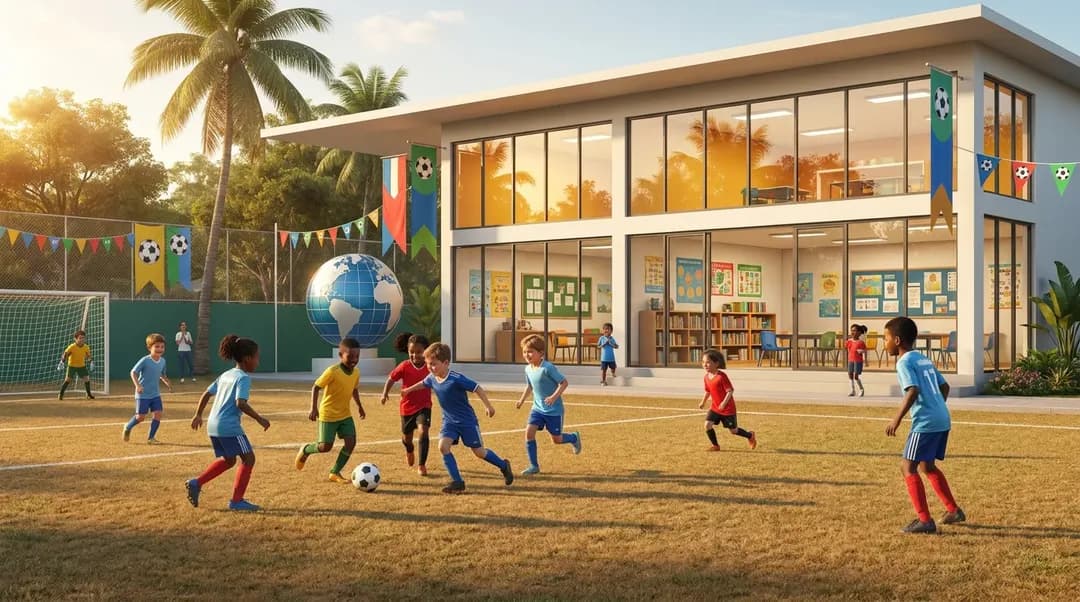
FIFA's 2026 World Cup Final halftime entertainment served as the centerpiece of a fundraising initiative targeting USD 100 million for youth education. The partnership connected global spectacle with stated commitments to expand learning and football access for children worldwide.
The halftime show at the 2026 FIFA World Cup Final in East Rutherford supported the FIFA Global Citizen Education Fund, an initiative targeting USD 100 million to expand access to education and football opportunities for children. FIFA positioned the entertainment partnership as a vehicle for social impact, connecting the visibility of the tournament's most-watched moment with fundraising objectives designed to reach young people in communities around the world. The stated purpose framed the spectacle as more than entertainment, casting it as part of a broader commitment to youth development through sport and learning.
Text Karpo to explore how major sporting events integrate social initiatives, or ask about the structure and accountability of global education funds tied to entertainment partnerships. We'll help you understand how stated commitments translate into measurable impact.
The Scale of the Fundraising Target
The USD 100 million target set for the FIFA Global Citizen Education Fund represented a significant financial ambition tied to the visibility of the World Cup Final. FIFA's announcement positioned this sum as a concrete goal, though the mechanisms for reaching it, beyond the halftime show partnership, were not detailed in the available information. The figure itself signals the organization's intent to leverage the tournament's global audience as a fundraising platform, using the spectacle to drive awareness and potential contributions toward educational objectives.
Large-scale fundraising tied to sporting events often relies on multi-layered revenue streams, including corporate partnerships, viewer donations, and strategic alignments with brands and performers. The halftime show served as a focal point for these efforts, concentrating attention during a period when hundreds of millions of viewers tune in simultaneously. The stated target creates a benchmark against which the initiative's success can eventually be measured, assuming FIFA releases follow-up reporting on funds raised and allocated.
Education and Football Access as Dual Objectives
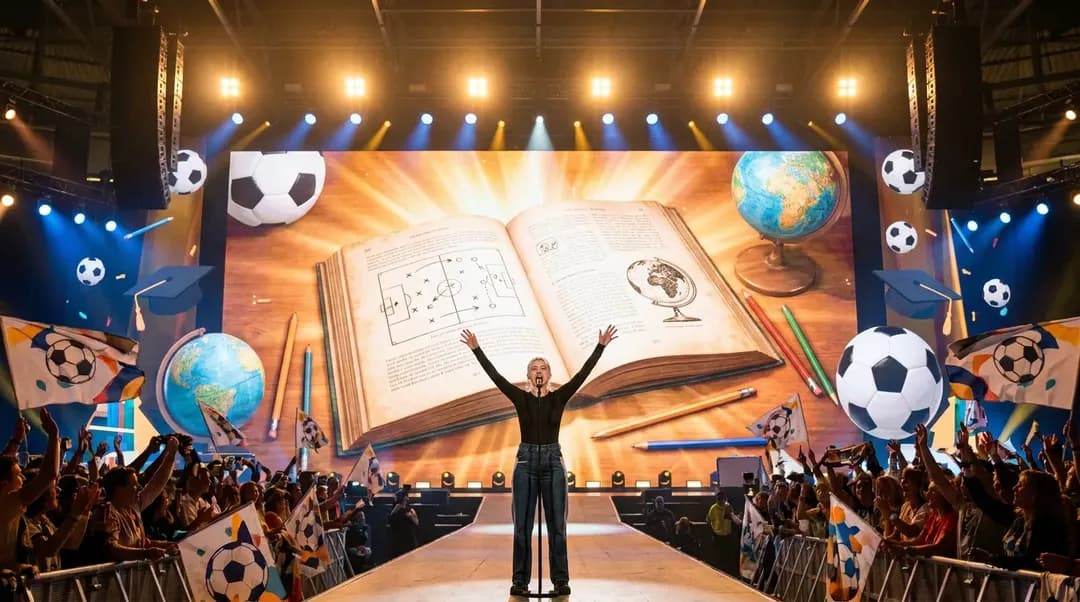
FIFA's stated aims for the fund centered on two interconnected goals: expanding access to education and increasing football opportunities for children. This dual focus reflects the organization's positioning of sport as both a development tool and a right, with education serving as the foundation for broader social mobility. By linking these objectives, FIFA framed the initiative as addressing barriers that prevent young people from participating in both formal learning environments and organized athletic programs.
The connection between education and sport is well-documented in development literature, with structured athletic programs often serving as entry points for educational engagement, particularly in underserved communities. FIFA's approach suggests an integrated model where football infrastructure supports educational outcomes, and educational access creates pathways to athletic participation. The specifics of how funds would be distributed, which regions would be prioritized, and what metrics would define success were not detailed in the available materials, leaving implementation questions open.
Halftime Entertainment as Fundraising Platform
The World Cup Final halftime show represents one of the most-watched live entertainment moments globally, making it a strategic anchor for fundraising initiatives. FIFA's decision to tie the performance directly to the education fund elevated the entertainment value beyond spectacle, assigning it a stated philanthropic purpose. This approach mirrors models used in other major sporting events, where visibility and charitable goals are paired to maximize both awareness and potential donations.
The partnership structure between FIFA, the performers, and the Global Citizen organization created a framework where the show's promotional reach could be channeled toward fundraising objectives. Global Citizen, known for advocacy campaigns that combine entertainment with social causes, brought experience in mobilizing audiences around specific targets. The halftime slot provided a concentrated moment to communicate the fund's existence and goals to a global audience, though the conversion of attention into actual contributions depends on mechanisms not fully outlined in FIFA's announcements.
The Role of Stated Social Purpose
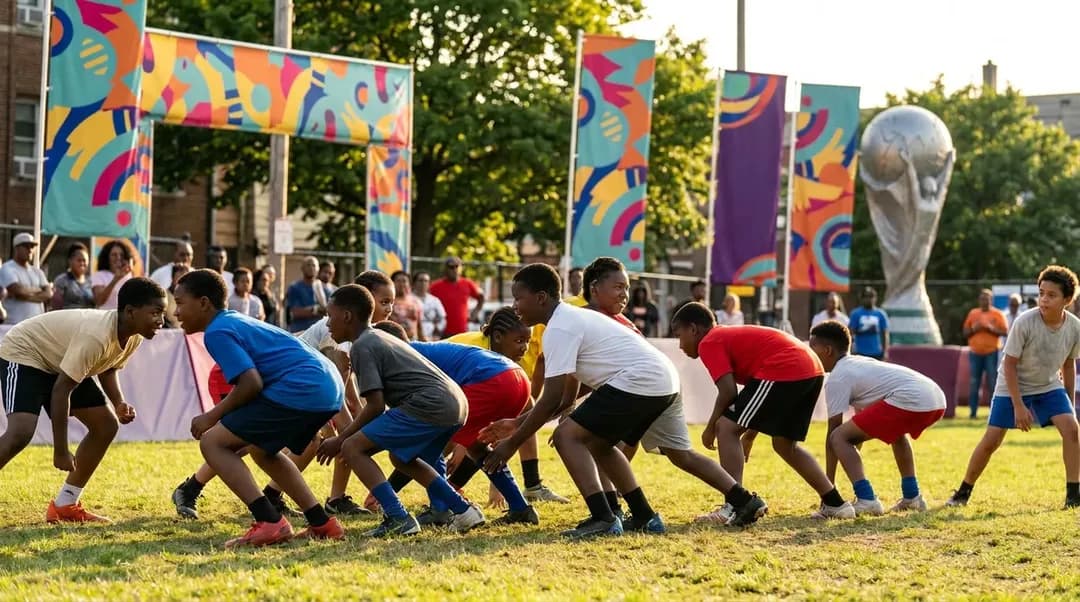
FIFA's emphasis on the social purpose behind the entertainment partnership reflects broader trends in how major organizations communicate their initiatives. By foregrounding the education fund, FIFA framed the halftime show as mission-driven rather than purely commercial or entertainment-focused. This positioning serves multiple functions: it aligns the organization with development goals, provides a narrative that extends beyond the match itself, and creates a framework for partnerships with entities like Global Citizen that prioritize social impact messaging.
The effectiveness of stated social purpose depends significantly on transparency, follow-through, and reporting. For audiences and potential contributors, the articulation of goals like the USD 100 million target creates expectations for accountability. Whether FIFA will publish detailed reporting on funds raised, allocation timelines, and program outcomes will determine whether the stated purpose translates into verifiable impact. The announcement itself represents the commitment phase; implementation and measurement will define whether the initiative delivers on its objectives.
Global Reach and Local Implementation Questions
The global nature of the World Cup audience aligns with the stated international scope of the education fund, yet successful implementation requires translating broad goals into specific local programs. FIFA's announcement that the initiative aimed to expand access for children worldwide leaves open questions about geographic prioritization, partnership structures with local organizations, and how needs assessments will determine resource allocation. The gap between a USD 100 million target and tangible educational or athletic infrastructure in specific communities is substantial, requiring detailed planning and execution.
Effective education and sport development programs typically involve long-term investments, community engagement, and ongoing operational support rather than one-time capital infusions. The fund's structure, governance, and timeline for deployment will significantly influence its ability to create sustained impact. FIFA's role as convener and fundraiser is distinct from the implementation work that would likely involve NGOs, local educational authorities, and football associations on the ground. The clarity of these partnerships and the systems for monitoring outcomes will be critical to achieving the stated objectives.
Measuring Impact Beyond the Spectacle
The World Cup Final halftime show generated immediate global attention, but the education fund's success will ultimately be measured by outcomes far removed from the stadium in East Rutherford. Metrics such as the number of children reached, educational infrastructure built, football programs established, and long-term participation rates will provide the clearest indicators of whether the USD 100 million target translates into meaningful change. FIFA's commitment to these metrics, and willingness to report them transparently, will determine the initiative's credibility.
The contrast between the spectacle of a halftime show and the patient, incremental work of education and sport development highlights the challenge of connecting high-visibility fundraising with sustained programmatic impact. The entertainment partnership served its purpose if it successfully drove contributions toward the fund and raised awareness of educational access issues. But the harder work begins after the final whistle, when pledges must become programs, and announcements must become accountability. The FIFA Global Citizen Education Fund's legacy will be written not in the moment of performance, but in the years of implementation that follow.
Tags: #WorldCup2026 #FIFAEducationFund #GlobalCitizen #YouthDevelopment #FootballForGood #EducationAccess #HalftimeShow #SocialImpact #EastRutherford
All trademarks are the property of their respective owners.
Ask Karpo First
Before supporting large-scale fundraising initiatives tied to sporting events, text Karpo to learn how to evaluate stated social purposes, track where funds actually go, and assess whether ambitious targets translate into documented outcomes. We'll help you understand the difference between announcement and accountability, so your support connects with genuine impact.
Ask Karpo for more information.
Keep reading
- Haaland Has Seven Goals and Norway Runs Entirely Through Him
 World Cup Trophy Ceremony Timing Medals and Postmatch Celebrations
 Olise and France's Attack: The Semifinal Tactical Question