The coach search begins when the match feels authored
Fans do not usually search for a coach because everything feels obvious. They search when the match changes shape, when a substitution feels decisive, when the press rises or drops, or when the team looks either braver or more cautious than expected. An Ecuador coach search is often a request for explanation, not biography.
That matters for the article structure. A career timeline may be useful later, but during a tournament the reader wants to know what is visible now. What changed after halftime? Which side of the pitch is being targeted? Is the midfield protecting the back line or stepping into pressure? Did the substitution change the role of one player or the entire shape?
A strong longform guide should help fans read those clues without pretending to know private instructions. It can describe patterns on the field, cite official comments when available, and label interpretation as interpretation. That is more honest and more useful than writing a confident story from a single camera angle.

Watch the first pass after recovery
One of the clearest tactical clues is what happens when Ecuador wins the ball. If the first pass goes forward quickly, the team may be looking for transition. If it goes sideways or backward, the priority may be control. If the fullback immediately advances, the wide lane may be the planned release. This detail says more than a generic statement about attacking or defending.
Fans can read this live without needing advanced data. Watch two or three recoveries in a row. Where does the ball go first? Who shows for it? Does the receiving player turn or return the pass? Repetition reveals the plan. The coach search becomes more useful when the reader has a specific action to observe.
Substitutions are messages
A substitution can protect a lead, chase a goal, change pressing height, manage fatigue, or solve a matchup problem. The mistake is assuming every change has the same meaning. Timing matters. A halftime change sends a different message from a change after a yellow card, a weather delay, or a stretch of pressure.
For Ecuador, the reader should watch what the substitute changes around him. Does a winger move inside? Does a midfielder sit deeper? Does a center back start carrying the ball? Does the team defend in a new line? The player entering the match is only part of the message. The surrounding movement often tells the real story.
A coach article should explain the visible decision tree, not invent the private team talk.
How the sideline changes the fan room
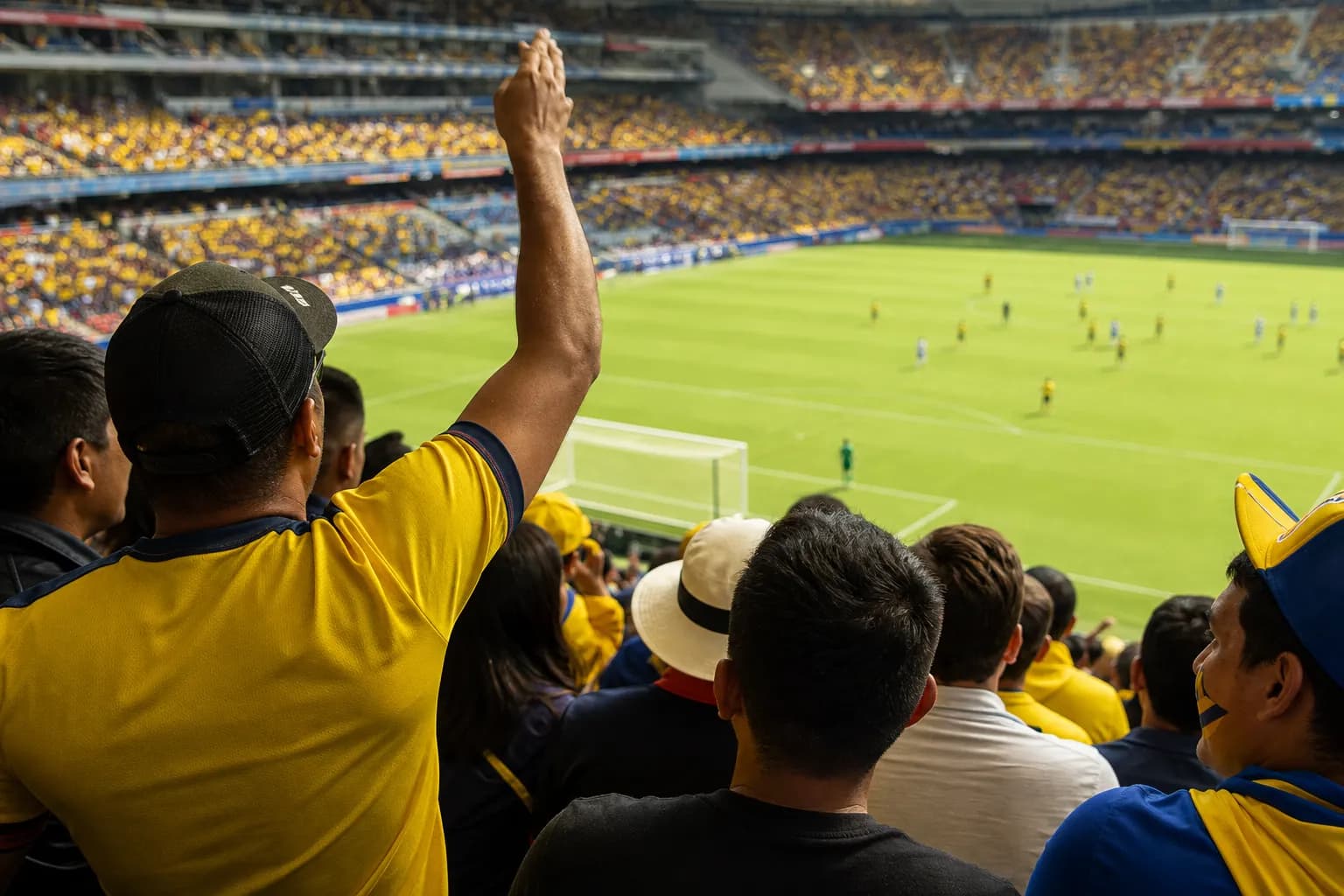
Tactical tension changes crowd behavior. A brave substitution can lift the room before it pays off. A cautious change can make fans anxious even if it is sensible. A coach search often spikes because people in the room need words for what they are feeling. The article should give them better words: press height, outlet pass, rest defense, overload, protection, timing.
This also helps with next-match planning. If fans understand why the shape changed, they can watch the next lineup with more patience. They may also choose a more football-focused room instead of a purely social venue if the team’s tactical path has become the main story.
What to check before claiming a tactical shift
- Whether the formation changed or only one player role shifted.
- Whether the change followed a card, injury, fatigue, or score state.
- Whether official comments confirm the reason after the match.
- Whether the same pattern appeared repeatedly or only once.
- Whether the opponent adjusted first and Ecuador responded.
These checks protect the article from overreading. Football invites interpretation, but a good guide should mark the line between what the public can see and what only the team knows. Readers appreciate confidence when it is earned and restraint when it is not.
Practical notes
Use this guide during Ecuador matches by assigning one lens per half: first pass after recovery, substitution timing, pressing height, and the role of the wide players. If watching in public, choose a room where the match can be heard and the screen is visible enough to read shape. Tactical articles work best when fans can actually see the whole field, not only close-up replays.
Ordinary fans can still read the shape
A tactical guide should not require the reader to pause the match with a coach’s board. The simplest live method is to watch Ecuador without the ball for one full minute. Count the front line, the midfield line, and the back line. Then watch what happens when the ball moves to the wing. Does the nearest midfielder jump? Does the fullback stay home? Does the forward curve the press? Those details make the shape visible.
The second method is to watch the same player in two phases. A winger may defend as a midfielder and attack as a forward. A midfielder may drop into the back line during buildup and step into pressure without the ball. If the article explains these role changes plainly, casual fans can follow the coach story without needing specialist vocabulary.
The post-match recap should keep evidence and emotion apart
After the whistle, coach searches often become blame searches. That is understandable, but a good recap should still separate evidence from emotion. Evidence includes substitutions, timing, shape, official quotes, and repeated patterns. Emotion includes whether the room felt nervous, relieved, angry, or bored. Both matter to the fan experience, but they should not be written as the same thing.
For Ecuador coverage, this distinction is valuable because the team’s matches can swing quickly. A coach may look cautious in one phase and bold in another. A substitution may seem defensive until it creates the outlet that protects a lead. A longform guide gives readers enough structure to revisit the match without flattening it into one adjective.
Tags: #WorldCup2026 #FIFA2026 #WorldCupBuzz #MatchdayPlan #FanGuide #FootballFans #SoccerSearch #LiveSports #KarpoBuzz #AskKarpoFirst #WorldCupTravel #TeamNews
Sources consulted: Google Trends: ecuador coach · FIFA World Cup 2026 · FIFA fixtures
All trademarks are the property of their respective owners.
Ask Karpo first: Want the latest Ecuador match context, lineup updates, and public fan plan before you leave? Ask Karpo for a live route and respectful World Cup guidance.