 Where to Eat Near Penn Station That Isn't a Chain
US Open 2026

Doppler Radar Guide For US Open 2026 Storefront Stop
How to use Doppler radar, plan around weather delays, and build a storefront-smart route through Queens during the 2026 US Open at Flushing Meadows.
The 2026 US Open runs August 23 through September 13 at the USTA Billie Jean King National Tennis Center in Flushing Meadows Corona Park, with Fan Week August 23–29 and the main draw starting August 30. Late summer in Queens means afternoon thunderstorms, humidity that builds by noon, and sudden weather shifts that can pause play for hours. Doppler radar becomes your most practical planning tool—not just for match delays, but for timing your storefront stops, meal breaks, and transit connections along the 7 train corridor. This guide shows you how to layer live weather data with Queens neighborhood rhythm, so you can pivot to a Jackson Heights taco counter, a Flushing food court, or a Long Island City café when the skies open up and Arthur Ashe Stadium empties into the concourse.
Text Karpo your match session, neighborhood start point, and appetite, and we will turn this Queens storefront stop into a live Queens plan.
Why Doppler radar matters for US Open planning
The US Open is the only Grand Slam played in late summer, and weather delays are woven into the tournament's identity. Doppler radar—available free through the National Weather Service, Weather.gov, and most weather apps—shows precipitation intensity, storm movement, and timing in real time. Unlike a simple forecast, Doppler lets you see whether a cell is five minutes away or fifty, whether it will pass quickly or settle in for the evening, and whether you should wait under the grandstand or leave the grounds entirely. When a delay is called, thousands of fans flood the food courts, merchandise tents, and covered walkways. If radar shows a long pause ahead, you have permission to leave, explore a nearby Queens storefront, eat well, and return when play resumes—often with shorter lines and better seats available for outer courts.
How to read Doppler radar for Flushing Meadows
Open Weather.gov or your preferred radar app and center the map on Flushing, Queens, or zip code 11368. Look for color-coded precipitation: green and yellow indicate light to moderate rain; orange and red mean heavy rain or thunderstorms that will halt play. Storms in the New York area typically move west to east or southwest to northeast. If you see a red cell over New Jersey or western Queens, estimate 20–40 minutes until it reaches the tennis center. If the cell is narrow and fast-moving, the delay may last 30–60 minutes. If it is wide and slow, or if multiple cells are stacked behind it, expect a longer pause or even a suspension until the next day. Use the loop or animation feature to watch storm motion over the past hour—this helps you distinguish between a passing shower and a stationary front.
Storefront stops within 15 minutes of the grounds
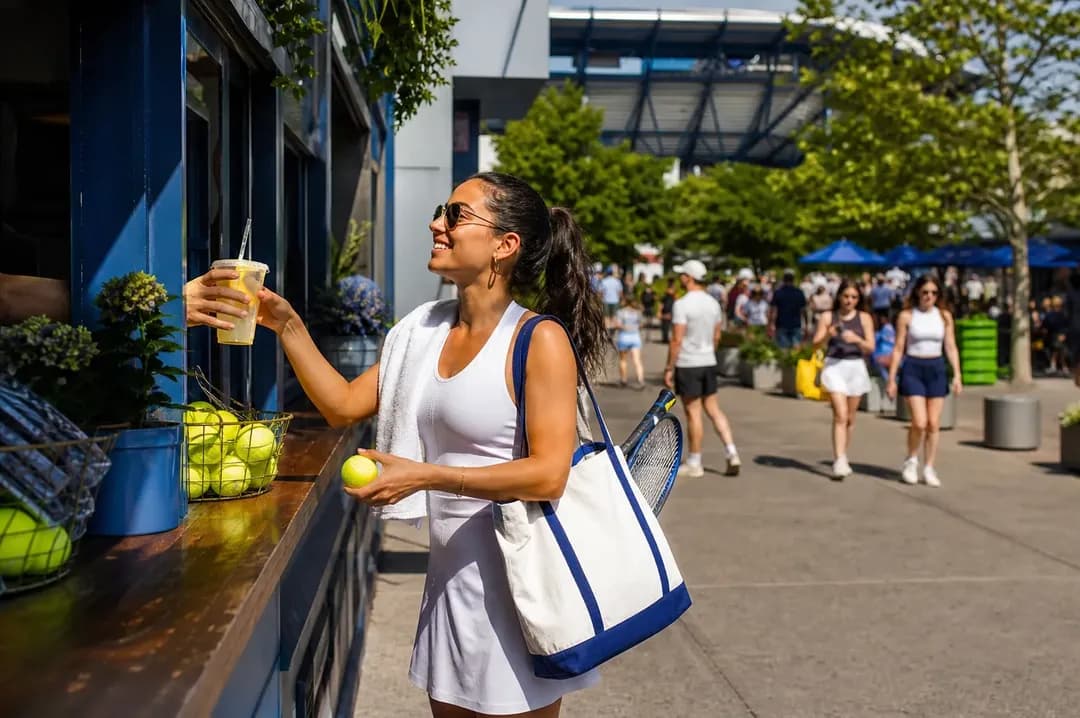
Downtown Flushing—a ten-minute walk or one subway stop north on the 7 train—is dense with food courts, bakeries, bubble tea shops, and mall atriums that provide air conditioning, seating, and cover. New World Mall and Flushing Mall both have basement food courts with dozens of stalls serving dumplings, noodles, skewers, and sweets. Corona, just west of the park, has Latin American bakeries, fruit carts, and taquerías along Roosevelt Avenue. Jackson Heights, two stops further on the 7, offers even more sit-down options if the delay stretches past two hours. Long Island City, three stops west, has waterfront parks, cafés, and views of Manhattan if you want to turn a rain delay into an evening reset. All of these neighborhoods are accessible with your MetroCard or OMNY tap, and all offer more space, lower prices, and better food than the stadium concessions during a crowded weather hold.
Timing your arrival and departure around weather windows
Check Doppler radar before you leave home and again before you board the 7 train. If morning radar shows storms arriving between 2:00 and 5:00 PM, consider attending the day session early or planning your visit around the evening session, which often benefits from post-storm clearing. If you are already on the grounds and see a delay coming, decide whether to stay or leave based on radar loop direction and your own comfort. Leaving during a delay is normal and smart—your ticket is typically valid for re-entry on the same day, though you should confirm current re-entry policies on USOpen.org or ask guest services. If you leave, keep your ticket, wristband, or digital pass accessible, and monitor the US Open app or social media for resumption announcements. Many fans treat weather delays as built-in breaks to explore Queens, and the tournament schedule is designed to accommodate this flexibility.
What to carry for weather-ready storefront planning
- Lightweight rain jacket or packable poncho that fits in a small bag
- Portable battery pack to keep your phone charged for radar checks and transit apps
- MetroCard or OMNY-enabled card for quick subway pivots
- Reusable water bottle—refill stations are available on the grounds
- Small umbrella, though note that umbrellas are not allowed in seating areas during play
- Cash for storefront vendors and food carts that may not accept cards
- Screenshot or bookmark of your favorite radar site in case cell service is slow
- Sunscreen and hat for sun breaks between storms
Respectful fan behavior during delays and in neighborhoods
Weather delays create crowding on the grounds and in nearby neighborhoods. Be patient with staff, vendors, and other fans. If you leave the tennis center to explore Queens storefronts, remember you are a guest in working neighborhoods—order food if you sit down, tip service workers, keep noise considerate, and do not block sidewalks or doorways. Many Flushing and Corona businesses see a surge during the US Open, and respectful visitor behavior helps sustain those relationships year after year. On the grounds, follow instructions from USTA staff and security, especially during severe weather. If lightning is detected, play will be suspended and you may be asked to move to covered areas or leave the grandstands. Do not attempt to stay in seating areas during a lightning delay, and do not open umbrellas in crowded spaces where they obstruct views or movement.

Where to wait out a delay if you stay on the grounds
If radar shows a short delay and you prefer to stay at the tennis center, head to the food courts, merchandise pavilion, or covered walkways near the main entrance. The South Plaza and West Plaza both have large canopies and seating. The Grandstand and Louis Armstrong Stadium have retractable roofs, so play may continue there even when outside courts are closed. You can move freely around the grounds during a delay, and this is a good time to explore areas you might skip during active play—the US Open History Center, sponsor activations, or the practice courts if they reopen before the main courts. Bring a book, download a podcast, or simply people-watch. Delays are part of the US Open rhythm, and the crowd's mood is usually patient and social.
Karpo™ is an independent guide and is not affiliated with, endorsed by, or connected to the US Open, USTA, NYC Parks, or the MTA. All tournament names, venue names, and transit references are used for informational purposes only. Always confirm event details, weather conditions, transit schedules, and re-entry policies through official sources before you travel.
Tags: #USOpen2026 #Queens #FlushingMeadows #KarpoFinds #Karpo #TennisTravel #NYCLocalLife #FanWeek #USTennis #NewYorkGuide #dopplerradar #Buzz
All trademarks are the property of their respective owners.
Ask Karpo first
Want to know what is actually open, how to time the trip, and where to pause around Queens? Ask Karpo for the latest public US Open context, a respectful visitor plan, and a live route around Flushing Meadows before you head out.
Ask Karpo for more information.
Keep reading
- Where to Eat Near Penn Station That Isn't a Chain
 Andytown Coffee in the Outer Sunset: The Snowy Plover Explained
- Best Things to Do in Chicago: What the City Gives Away