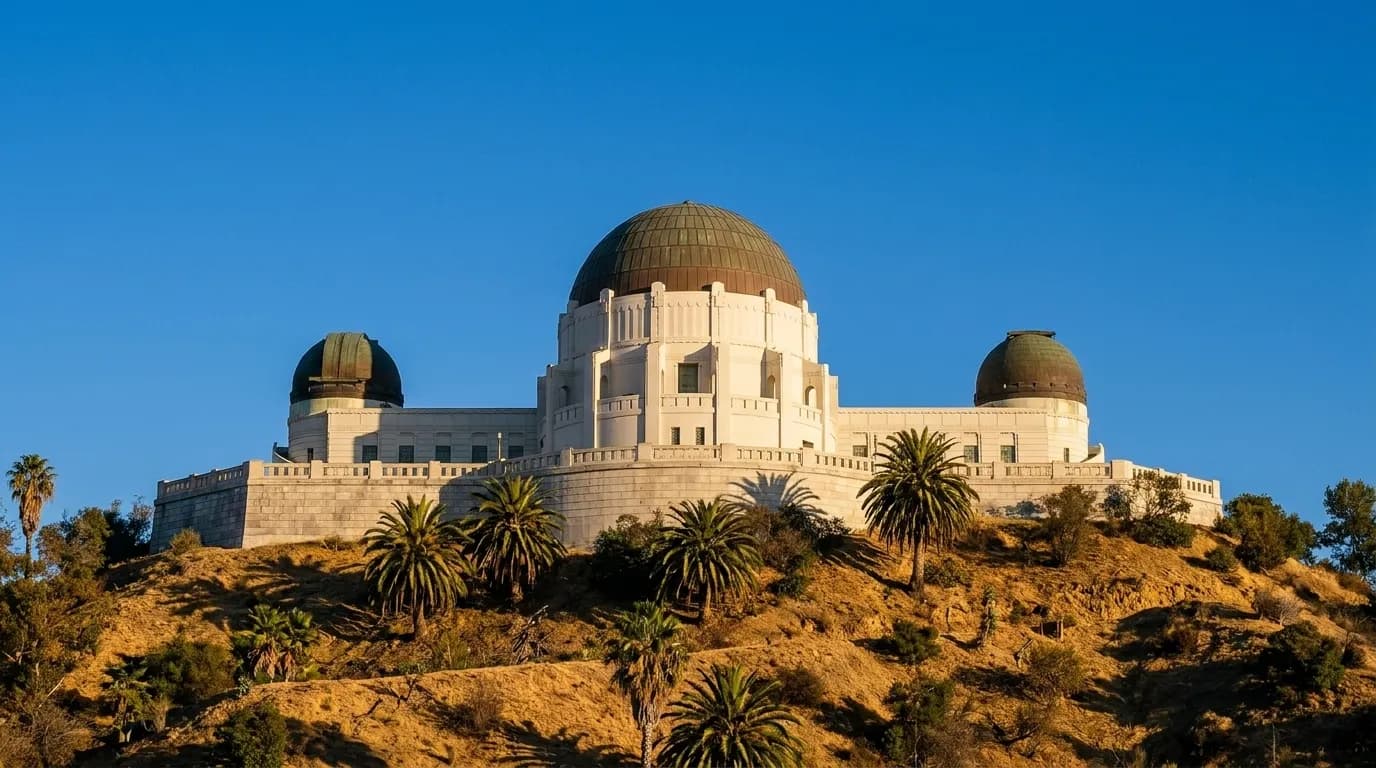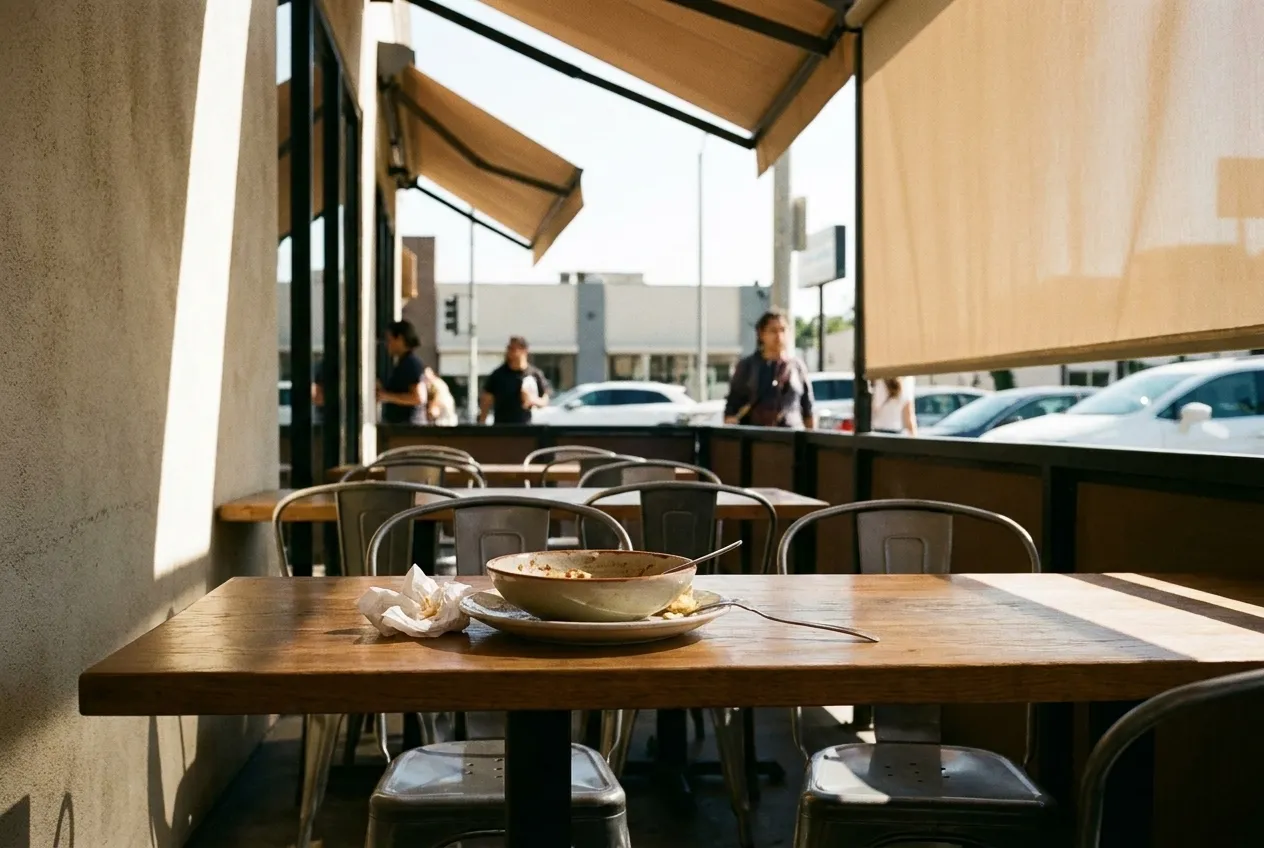
A view dinner in Los Angeles comes down to one decision made before any others: height or water. A rooftop gives you the city, the lights and the basin, and it works best in the hour around sunset and then again after dark. The ocean gives you a horizon, and it works for exactly as long as there is light on it and then becomes a dark window. They are different products with different timings, different prices and different failure modes.
Height and water are two different products with two different clocks. Ask Karpo which is nearer you and what time to book it for.
The rooftop: a sixty-minute product
The value of a rooftop is concentrated in the hour either side of sunset, when the light goes across the basin and the city turns the colour it is known for. Before that it is a warm terrace; after dark it is a bar with a nice outlook, which is pleasant but is not what the price is for.
Direction decides the hour. A west-facing roof gets the sunset directly and can be a glare problem, so go just after. North and south-facing roofs get the illuminated skyline, which is frequently the better view. East-facing roofs get reflected light and afternoon shade.
The clusters are downtown, mostly hotel roofs in the Historic Core and around South Park with the best skyline views; Hollywood; West Hollywood for the design-led ones; and Santa Monica and the beach cities for ocean-facing roofs, which are the one case where west-facing is unambiguously right. Downtown is also the only cluster where transit works properly, which matters after a bottle of wine.
The ocean: a daylight product with a hard deadline
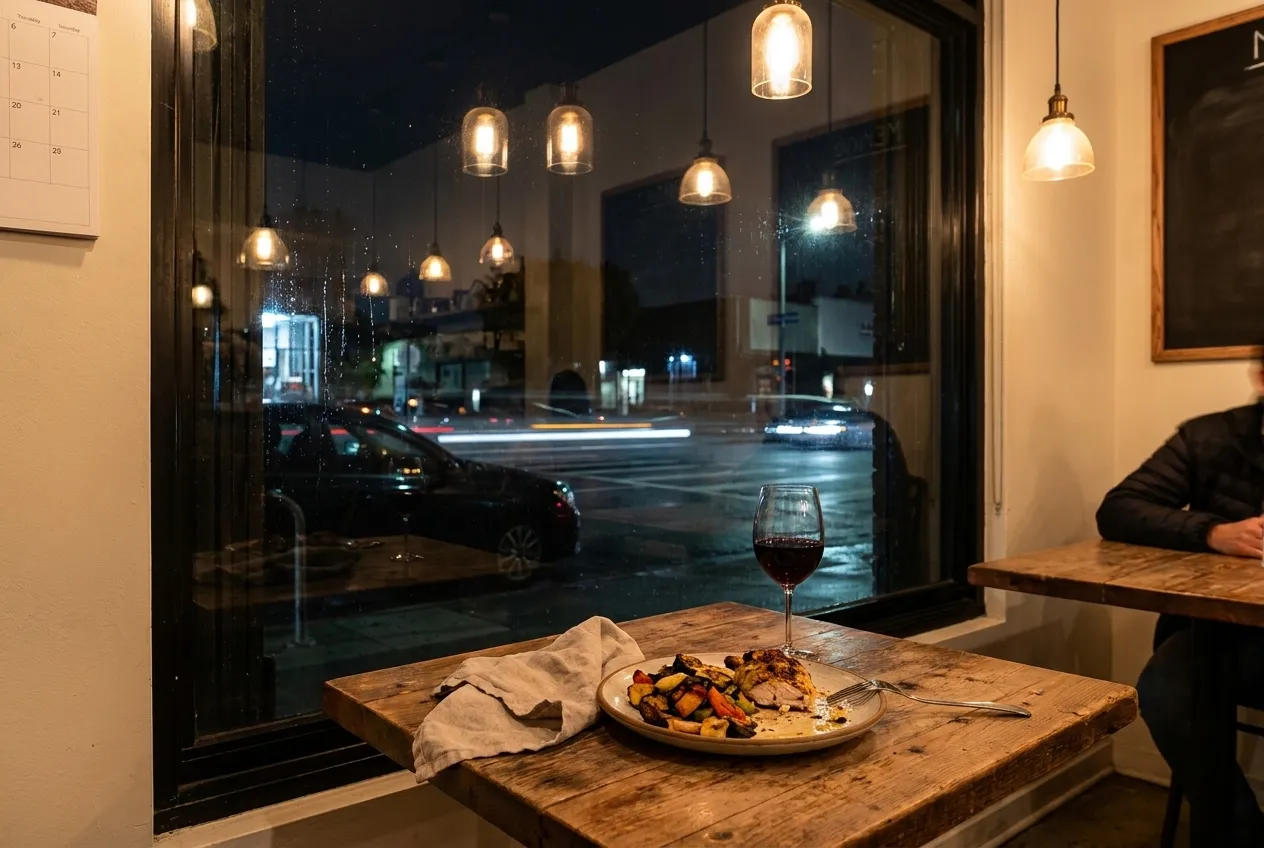
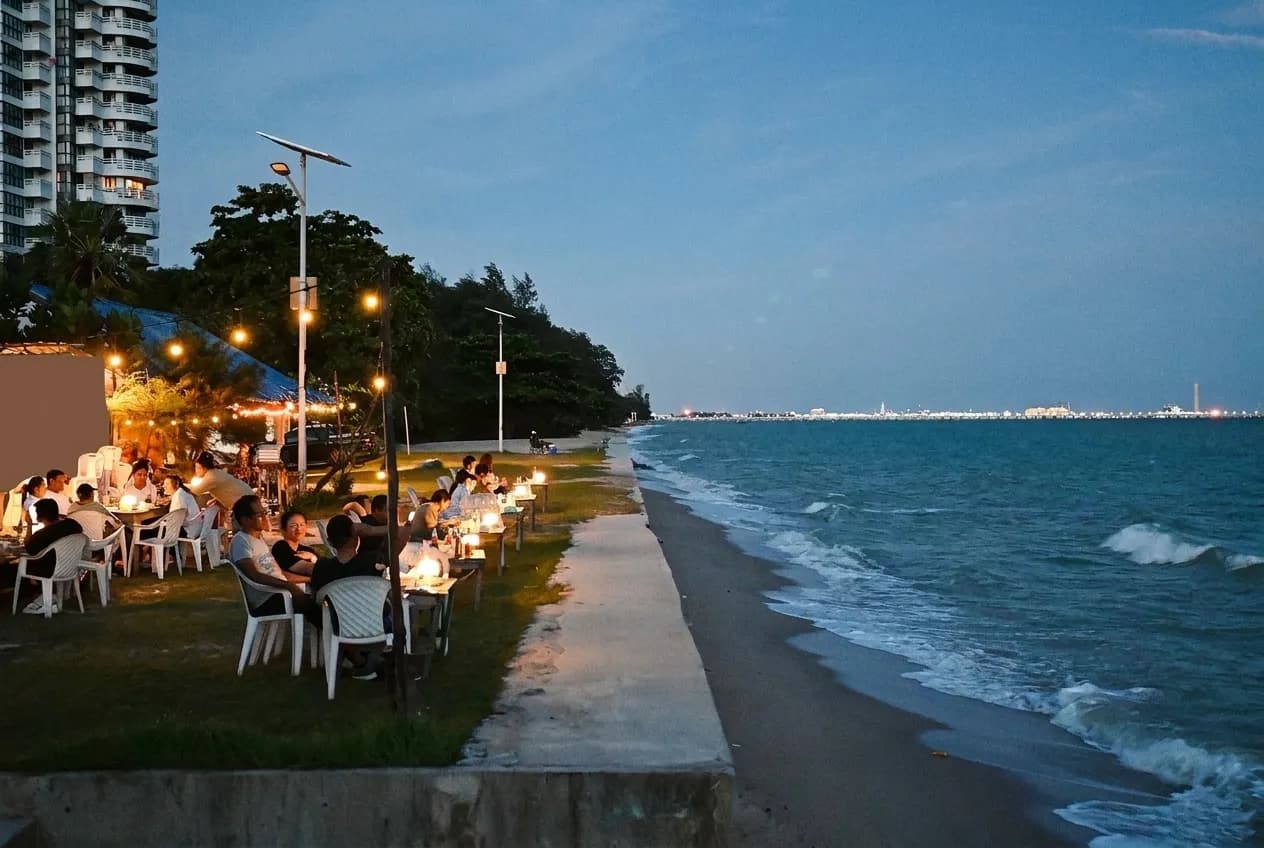
An oceanfront table is spectacular while there is light and is a black window forty minutes after sunset. That is the single most important booking fact in this category and it is the one most people get wrong, arriving at eight for a table they are paying a premium for and looking at nothing.
Book for ninety minutes before sunset. That gives you the last of the light through the main part of the meal and the afterglow with dessert. In September and October sunset in Los Angeles is early enough that this is a normal dinner hour rather than an absurdly early one, which is part of why autumn is the best season for it.
The geography runs from Malibu along the Pacific Coast Highway down through Santa Monica and the beach cities to the harbour. The northern stretch is the dramatic one and involves a real drive on a two-lane road; the beach cities are easier to reach and have a more urban outlook.
What you are actually paying for
Be clear-eyed. A view is a real amenity and it is also the most reliable way for a restaurant to charge more for the same cooking. The ratio of view to kitchen is worst at the most famous locations and best at the ones people have not heard of, which is a general rule that holds everywhere and holds particularly hard on this coast.
The honest test: if the view were removed, would you book this restaurant. If the answer is no, you are buying the view, which is fine as long as you have priced it that way and timed it to actually be there.
Booking the table rather than the restaurant
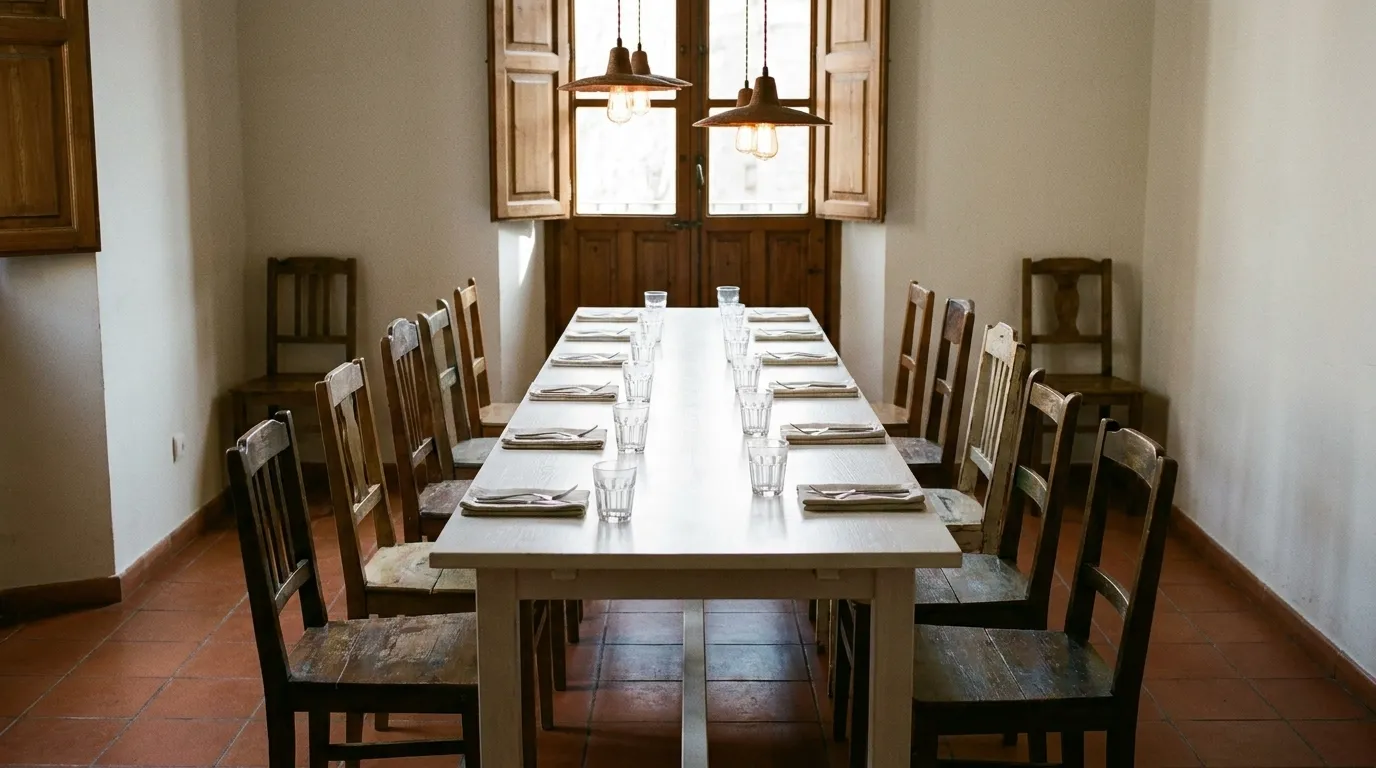
Booking systems cannot allocate a specific table, so the request has to be made by phone and made specifically. Ask for a window or a rail table, ask which way the room faces, and reconfirm on the morning of. Expect to be told it cannot be guaranteed, and turn up twenty minutes early anyway, because a host with two view tables free at 7:10pm gives them to the people standing in front of them.
The other lever is the earlier seating, which is almost always available and, in autumn, is exactly when the light is best. And for a group of more than four, be aware that a view table is usually a long rectangle against a window at which half the party has its back to the view — in which case a good dinner somewhere else followed by a walk or a drink with the view is the better plan and costs less.
The version with no reservation at all
The cheapest and frequently best version of a view dinner in Los Angeles involves no restaurant. Buy the meal somewhere good, drive to a spot with the outlook — a beach at Malibu or the South Bay, a turnout in the hills, a park with a west-facing edge — and eat it there ninety minutes before sunset. Total cost is a third of a booked table, the view is unobstructed and shared by everyone rather than half the group, and you can stay past the light. Bring layers, because the coast drops temperature fast once the sun is behind the water.
Practical notes
Rooftops are a roughly sixty-minute product centred on sunset. West-facing roofs get direct sun and glare, so arrive just after sunset; north and south-facing roofs give the illuminated skyline; east-facing roofs give reflected light and shade. Clusters: downtown Historic Core and South Park, which is the only transit-served option, plus Hollywood, West Hollywood, and Santa Monica and the beach cities for ocean-facing roofs. Oceanfront tables work only while there is light — book about 90 minutes before sunset, which in September and October falls at a normal dinner hour. The coast runs from Malibu on PCH through Santa Monica and the beach cities to the harbour, with the northern stretch the most dramatic and the longest drive. Request a window or rail table by phone, ask which way the room faces, reconfirm on the morning and arrive 20 minutes early. For groups over four, consider dinner elsewhere plus a drink with the view.
Tags: #DinnerNearMe #LosAngeles #RooftopDining #OceanView #Malibu #PacificCoastHighway #SantaMonica #DTLA #WestHollywood #SunsetDinner #WeekendPlans #DateNight #LAEats #GoldenHour
Please drink responsibly. Must be of legal drinking age.
All trademarks are the property of their respective owners.
Ask Karpo first
A view dinner in Los Angeles lives or dies on the hour you booked and which way the room faces. Ask Karpo what time sunset actually is tonight, which rooms near you have a view table free before it, and whether the roof or the water is the better call from where you are.