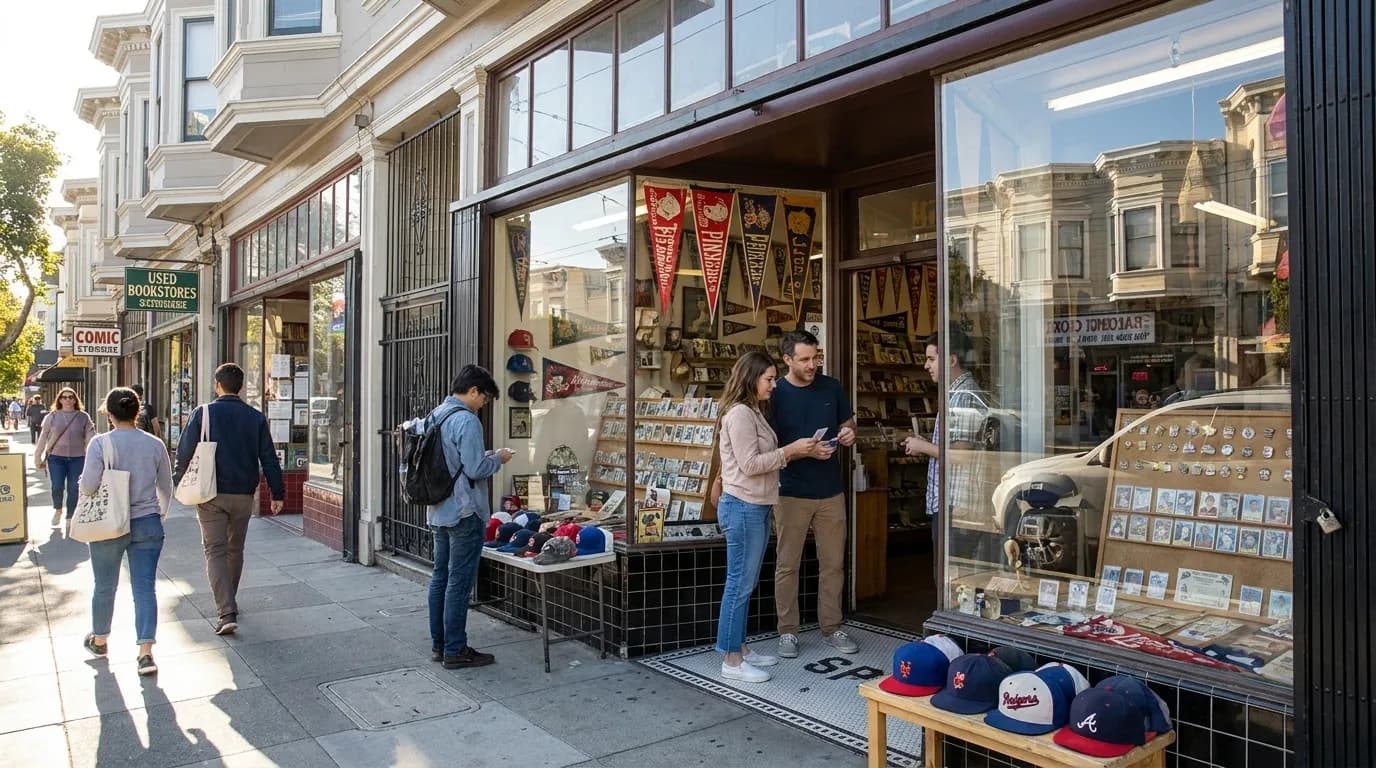
San Francisco's memorabilia landscape rewards the unhurried collector who treats the diamondbacks vs pirates rivalry as a gateway into deeper National League history. While streaming platforms deliver live action, the city's vintage sports shops—clustered in neighborhoods accessible by BART—offer tactile artifacts that connect contemporary matchups to decades of Western Division play. These aren't stadium gift shops; they're curated spaces where a 1980s Pirates pennant might share shelf space with Diamondbacks inaugural-season pins, and where staff conversations reveal the provenance of oddball finds. The experience suits solo browsers and paired expeditions equally, particularly on weekday afternoons when inventory turnover is recent and counter talk flows without weekend crowds. Street parking remains challenging citywide, making public transit the practical choice for multi-stop routes that weave through used bookstores and record shops carrying their own sports sections.
Planning a memorabilia hunt but unsure which neighborhood matches your collecting focus or how to sequence stops around transit schedules? Text Karpo to share your starting point, whether you prioritize vintage cards or team apparel, your budget range, if you're browsing solo or with a companion, and whether weekday or weekend timing works better. We'll map a route that aligns shop inventories with your interests and build in backup options when first choices are closed.
Mission and Castro Corridors: Transit-Friendly Clusters
BART stations in the Mission and Castro districts anchor the most walkable memorabilia circuits, with shops positioned within a half-mile radius of platform exits. The Mission corridor blends vintage clothing stores and poster galleries where sports ephemera appears alongside concert bills and political prints; Castro outlets often occupy storefronts near bookstores that maintain their own baseball biography sections. Both neighborhoods support unhurried browsing without the density of downtown foot traffic, and their proximity to each other—roughly twenty minutes on foot or one BART stop—makes same-day coverage feasible. Street parking meters enforce two-hour limits, and residential permit zones begin a block off commercial strips, reinforcing the transit advantage for collectors planning three or more stops.
Weekday Afternoons: Inventory Refresh and Counter Conversations
Tuesday through Thursday afternoons between 1 PM and 4 PM offer the best intersection of fresh inventory and available staff expertise. Many vintage dealers restock mid-week after weekend sales, rotating display cases and pulling reserve items from back rooms when browsers show specific interests. Counter conversations during these windows tend toward storytelling—how a particular Pirates road jersey survived three decades in a Sacramento garage, why Diamondbacks expansion-era cards command niche premiums—rather than the transactional exchanges common during Saturday rushes. Solo visitors benefit from undivided attention; pairs can divide reconnaissance across aisles and compare finds without navigating crowded aisles. Weekend browsing remains viable but expect tighter quarters and less opportunity for extended dialogue about provenance.
Budget Bands: From Single Cards to Framed Ephemera
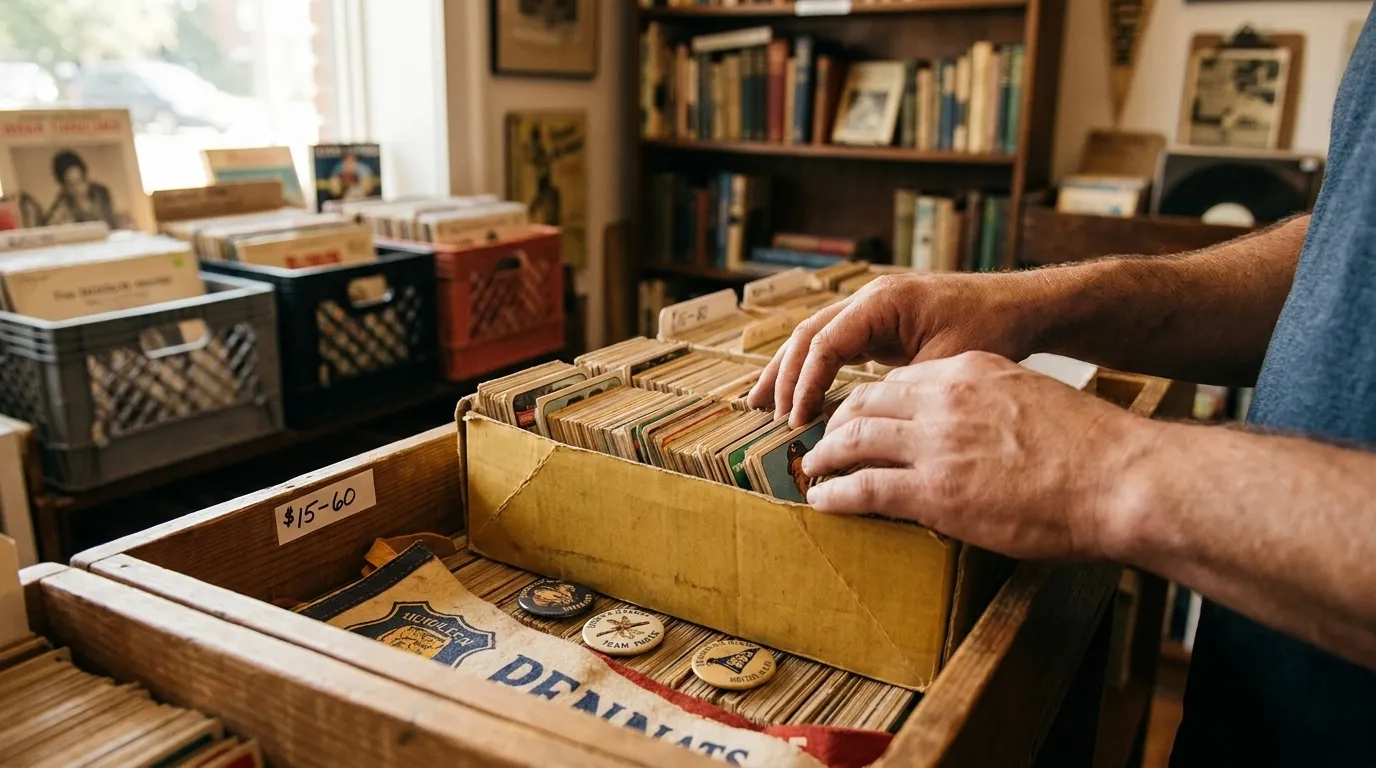
Entry-level collecting in San Francisco's vintage sports shops begins around fifteen dollars for common-era cards, team pins, or pocket schedules from the past two decades. The twenty-to-forty-dollar range opens access to 1990s inserts, minor-league affiliates' promotional items, and regional newspaper commemoratives tied to playoff runs. Sixty dollars stretches to signed photographs (authentication varies), framed ticket stubs from notable games, or small lots of 1980s cards bundled by team. Serious collectors hunting graded rookies or game-worn materials will find those tiers represented but should verify authentication standards and return policies before committing. Most shops accept cash and cards; some offer layaway on higher-ticket items, useful when a find exceeds day-of budget but merits securing.
Companion Fit: Solo Focus or Paired Reconnaissance
Memorabilia browsing accommodates both solitary deep dives and collaborative hunts, with shop layouts influencing which works best. Narrow single-aisle stores favor solo visitors who can linger over display cases without blocking traffic; larger multi-room spaces let pairs split up to cover more ground then regroup to compare discoveries. Shared collecting goals—completing a team set, finding gifts for a fellow fan—benefit from two sets of eyes scanning different price tiers or categories. Mismatched interest levels can create friction; if one person treats the outing as a quick errand while the other wants to examine every binder, tension builds. Establish browse duration expectations beforehand, and consider scheduling the memorabilia stop as one component of a broader neighborhood walk that includes coffee or record-shop detours for the less baseball-focused companion.
Accessibility and Shop Variability
San Francisco's vintage retail landscape includes both street-level storefronts with step-free entry and second-floor walk-ups above other businesses. BART stations offer elevator access, but the final blocks to shops may involve hills steep enough to challenge wheelchair users or visitors with limited mobility. Aisle width inside stores varies dramatically; some maintain clear paths suitable for mobility aids, while others pack inventory densely enough that navigation requires sideways maneuvering. Lighting ranges from bright gallery-style setups to dim, cramped spaces where examining card conditions demands bringing items to windows or doorways. Calling ahead to confirm accessibility features is practical, though many smaller dealers operate without dedicated phone lines, making in-person reconnaissance the only reliable assessment method.
Uncertainty and Pivot Strategies
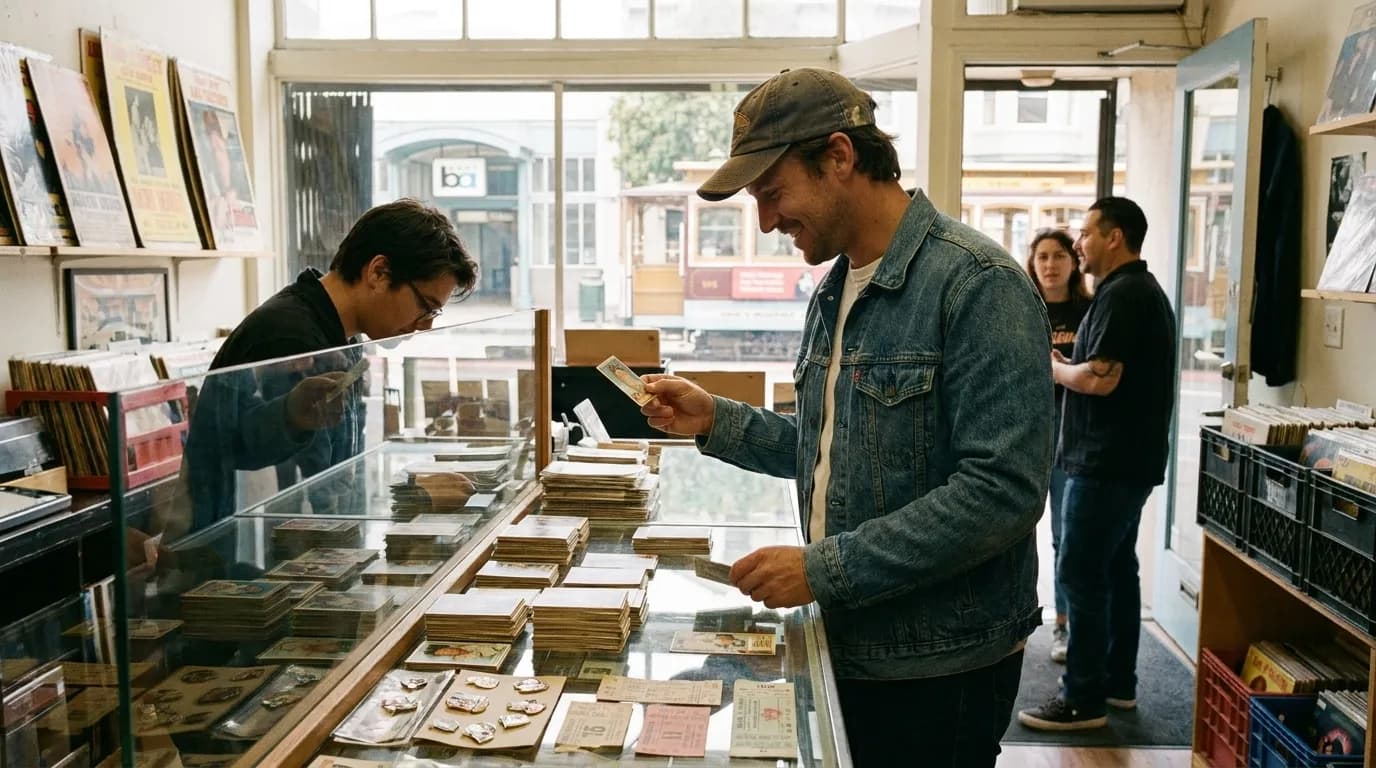
Independent memorabilia dealers maintain irregular schedules, with closures for buying trips, estate sales, or simply low foot traffic on slow weeks. Posted hours serve as guidelines rather than guarantees, and Google listings often lag reality by months. Build itineraries with backup options: when a primary vintage sports shop is dark, nearby comic stores frequently stock sports cards in dedicated sections, and poster galleries may carry team prints or stadium photography. Used bookstores near both Mission and Castro BART stops maintain baseball biography and history shelves where older titles sometimes include tucked-in ephemera—ticket stubs, newspaper clippings—left by previous owners. Record stores in the same corridors occasionally feature sports-themed vinyl or promotional materials. The neighborhood density means a closed door rarely ends the hunt; it just redirects the route toward adjacent categories where baseball culture intersects other collecting traditions.
Timing Around the Diamondbacks vs Pirates Matchup
While the diamondbacks vs pirates rivalry itself doesn't dictate San Francisco shop inventory—neither team calls the Bay Area home—the matchup serves as a lens for exploring National League depth beyond Giants-centric merchandise. Collectors tracking this series often seek artifacts that contextualize both franchises within broader NL West and Central history: Diamondbacks expansion-era materials, Pirates dynasty-era cards, or minor-league affiliates that fed both rosters. Browsing before or after watching a game (when either team visits Oracle Park) adds thematic coherence, though shop hours and game times don't always align neatly. The real value lies in using any NL matchup as motivation to explore the city's memorabilia ecosystem, where serendipity—a unexpected find, a staff recommendation—outweighs rigid planning tied to specific game dates.
Tags: San Francisco baseball memorabilia, vintage baseball cards San Francisco, diamondbacks vs pirates collectibles, Mission District sports shops, Castro vintage stores, BART accessible collecting, National League ephemera, weekday memorabilia browsing, solo collector outings, San Francisco hidden gems
Sources consulted: mlb.com · sf.gov · bart.gov
All trademarks are the property of their respective owners.
Ask Karpo first
Tell Karpo which San Francisco neighborhood you're starting from, whether you prefer vintage cards or team apparel, your budget range, if you're going solo or with a friend, and whether weekday or weekend browsing fits your schedule better.


